

Grooming for Puppies plays a critical role in shaping healthy hygiene habits, emotional confidence, and long-term comfort for young dogs. When introduced correctly, grooming becomes a calm, stress-free routine rather than a struggle as puppies grow.
This guide focuses on practical, proven, and easy-to-follow grooming strategies designed specifically for puppies, helping dog owners build safe routines, avoid common mistakes, and support early development in a natural, positive way.
Why Early Grooming for Puppies Matters More Than You Think
Early grooming is often misunderstood as something purely cosmetic. In reality, it is one of the earliest forms of structured interaction between a puppy and its owner. During the first months of life, puppies are constantly learning how the world works—what feels safe, what feels threatening, and how to respond to human touch.
When grooming is introduced gently and consistently, puppies begin to associate handling with calmness and predictability. This is why Grooming for Puppies should never be rushed or forced. The goal is not immediate cooperation but gradual acceptance.
Many long-term grooming challenges in adult dogs can be traced back to negative early experiences. Puppies that were restrained, overwhelmed, or frightened during early care often develop avoidance behaviors later. On the other hand, puppies exposed to calm, positive grooming experiences tend to remain cooperative as they mature.
How Early Grooming Builds Positive Behavior
Positive grooming experiences are built through repetition and emotional safety. Puppies do not understand grooming as a concept—they respond to how it feels in the moment.
Early grooming helps puppies:
- Become comfortable with being touched on sensitive areas
- Learn to remain still for short periods
- Accept human handling without panic
Effective early grooming focuses on:
- Touch before tools
- Calm movement rather than speed
- Ending sessions on a positive note
A common mistake is trying to complete a full grooming task in one session. Instead, break tasks into smaller steps that the puppy can tolerate.
Highlight Tip:
Many professionals recommend stopping a grooming session before the puppy becomes restless. This teaches the puppy that grooming ends calmly, not through struggle.
Health Benefits That Start With Grooming
Beyond behavior, grooming offers valuable insight into a puppy’s physical health. Puppies grow quickly, and small changes can be easy to miss without regular handling.
Routine grooming helps owners:
- Notice early signs of skin irritation
- Track changes in coat texture or density
- Detect small wounds, ticks, or bumps
Light brushing and touch-based inspection often reveal issues that might otherwise go unnoticed. If abnormalities persist, consulting a licensed professional is recommended.
This preventive aspect makes grooming a foundational part of responsible puppy care rather than an optional task.
Emotional Confidence Through Routine Care
Emotional development is closely tied to physical interaction. Puppies that experience calm, predictable handling tend to develop stronger emotional resilience.
Through regular grooming, puppies learn:
- Human touch does not equal danger
- Calm behavior is rewarded
- New sensations can be managed safely
Over time, this builds confidence that extends beyond grooming. Puppies that feel safe during handling are often more adaptable during vet visits, training sessions, and social interactions.
Understanding Puppy Growth Stages and Grooming Readiness
Puppies are not miniature adult dogs. Their physical coordination, emotional regulation, and sensory tolerance evolve rapidly in the first six months. Grooming routines must adapt to these changes.
Applying the same expectations across all stages can overwhelm a young puppy and create resistance. A stage-based approach ensures grooming supports development instead of interfering with it.
Grooming Needs at 8–12 Weeks
This stage is about exposure and trust-building. Puppies are still adjusting to new environments, people, and sensations.
At this age, grooming should focus on:
- Gentle hand contact across the body
- Brief exposure to soft grooming tools
- Calm verbal reassurance
Avoid:
- Extended brushing sessions
- Water-based grooming unless necessary
- Loud or vibrating tools
The goal is familiarity, not thorough cleaning.
Short daily handling sessions help puppies become comfortable with routine touch without overstimulation.
Grooming Adjustments From 3–6 Months
As puppies grow, their attention span increases and their bodies become more coordinated. Coat changes may also begin to appear.
During this stage:
- Brushing sessions can last longer
- Puppies start recognizing grooming cues
- Light maintenance becomes more effective
Consistency becomes more important than frequency. Puppies begin to understand grooming as a routine rather than a novel event.
Owners should still remain flexible. Some days puppies may tolerate more handling than others, and routines should adjust accordingly.
Breed and Coat Differences
Breed traits play a significant role in grooming needs. Puppies with different coat types require different approaches.
General considerations include:
- Short coats: focus on removing loose hair and skin inspection
- Long coats: early mat prevention and gentle detangling
- Double coats: careful handling during coat transitions
Understanding these differences helps owners avoid unnecessary discomfort and frustration.
Setting Up a Calm Grooming for Puppies Routine at Home
A calm routine is often more important than technique. Grooming for Puppies works best when it becomes a predictable part of daily life rather than an occasional event.
The right environment, timing, and structure all contribute to a successful routine.
Choosing the Right Environment
Puppies are sensitive to their surroundings. A chaotic environment can quickly turn grooming into a stressful experience.
An ideal grooming space should be:
- Quiet and familiar
- Free from sudden noises
- Equipped with a stable, non-slip surface
Avoid grooming immediately after playtime or meals. Puppies are more receptive when they are calm and slightly tired.
Frequency and Session Length
Many owners assume grooming needs to be done in long sessions. In reality, shorter and more frequent sessions are more effective.
Recommended structure:
- Daily light handling and inspection
- Brushing one to two times per week
- Immediate breaks if signs of stress appear
This approach prevents sensory overload and helps puppies build tolerance gradually.
Introducing Grooming Tools Gradually
Tools should never be introduced abruptly. Puppies benefit from a gradual, exploratory approach.
Best practices include:
- Allowing the puppy to sniff tools first
- Touching the body lightly with the tool before brushing
- Rewarding calm behavior consistently
Highlight Tip:
If a puppy resists a tool, pause and reintroduce it later. Progress should always feel voluntary, not forced.
For a broader hygiene routine that supports early grooming habits, you can explore this guide:
Dog hygiene at home made easy
Building Confidence Through Consistency and Patience
Consistency builds trust. Puppies thrive on predictable routines and clear expectations. When grooming happens at regular times in a calm manner, puppies begin to anticipate the process without anxiety.
Over time, Grooming for Puppies becomes a familiar interaction rather than a challenge.
Signs a Routine Is Working
Progress is often subtle. Owners should look for gradual improvements rather than immediate compliance.
Positive signs include:
- Puppy remains relaxed during handling
- Reduced resistance to brushing
- Willingness to stay still briefly
These indicators suggest growing comfort and emotional safety.
When to Slow Down
Even with a solid routine, setbacks can occur. Puppies may feel overstimulated, tired, or distracted on certain days.
Slow down if you notice:
- Persistent squirming
- Stress vocalizations
- Attempts to escape handling
Pausing and revisiting grooming later helps preserve trust and prevents negative associations.
Why Early Grooming Sets the Stage for Lifelong Care
The habits formed during puppyhood often last a lifetime. Dogs that experience gentle, consistent care early are generally easier to groom as adults.
By focusing on patience, routine, and comfort, owners create a strong foundation that supports:
- Easier nail trimming in the future
- Calmer responses during veterinary care
- Better overall hygiene habits
Ultimately, Grooming for Puppies is not about achieving perfection—it is about building a relationship based on trust and understanding. When done correctly, grooming becomes a shared routine that supports both physical health and emotional well-being for years to come.
Safe Brushing Techniques Designed for Young Dogs
Brushing is often the first structured grooming activity puppies experience. When done correctly, it becomes a calming routine that supports coat health and emotional comfort. Grooming for Puppies at this stage should focus on softness, patience, and consistency rather than results.
Many puppies are sensitive to new sensations, especially on areas like the back, chest, and legs. A gentle brushing approach helps prevent fear while gradually building tolerance to touch.
Choosing Puppy-Friendly Brushes
The type of brush you use matters more than how often you brush. Puppies have delicate skin and developing coats, so adult grooming tools are often too harsh.
Recommended options include:
- Soft bristle brushes for light surface grooming
- Rubber grooming brushes for short coats
- Flexible pin brushes designed specifically for puppies
Avoid:
- Metal slicker brushes too early
- Brushes with sharp or rigid pins
- Heavy grooming tools designed for adult dogs
Using the right tool makes Grooming for Puppies feel more like gentle petting than a chore.
Step-by-Step Brushing Method
A calm brushing routine helps puppies stay relaxed and cooperative.
Simple step-by-step approach:
- Let the puppy sniff the brush first
- Start brushing the back or shoulders
- Use slow, light strokes
- Pause if the puppy shifts or pulls away
Keep early sessions short. One to two minutes is enough in the beginning.
Highlight Tip:
Many professionals recommend brushing puppies when they are slightly tired, such as after playtime, to encourage calm behavior.
Bathing Basics and Stress-Free Grooming for Puppies
Bathing is often overused in puppy care. Puppies rarely need full baths, and too much bathing can dry out sensitive skin. Grooming for Puppies should emphasize cleanliness without overexposure to water or products.
Introducing bathing gently prevents fear and resistance later in life.
How Often Puppies Actually Need Baths
Most puppies only need a bath when visibly dirty or exposed to unpleasant substances. Spot cleaning is often a better option.
General guidelines:
- Full baths only when necessary
- Spot cleaning for muddy paws or small messes
- Avoid routine weekly baths
Over-bathing can:
- Strip natural skin oils
- Cause dryness or irritation
- Increase sensitivity to grooming
Keeping bathing minimal supports healthier skin development.
Creating a Calm Bath Experience
When a bath is necessary, preparation is key. Puppies respond best to calm, predictable routines.
Best practices include:
- Lukewarm water only
- Low water pressure
- Calm voice and slow movements
Never rush the process. Speak gently and maintain steady contact to reassure the puppy.
Highlight Tip:
If a puppy becomes anxious during bathing, pause and comfort them before continuing. Calm handling matters more than finishing quickly.
Many professionals recommend following veterinary-backed bathing guidance for puppies to avoid skin issues and stress.
Nail, Ear, and Face Care for Puppies
Sensitive areas require special care and patience. Nail trimming, ear checks, and face cleaning are essential parts of Grooming for Puppies, but they should be introduced slowly and thoughtfully.
Early exposure helps puppies tolerate these tasks later without fear.
Nail Care Without Fear
Puppy nails grow quickly, but trimming too much at once can cause discomfort.
Safe nail care practices:
- Trim small amounts only
- Use puppy-specific nail clippers
- Reward after each nail
Start by handling paws regularly, even when not trimming. This builds comfort with touch.
If a puppy pulls away, stop and try again another day. Progress should always feel gradual.
Ear and Face Hygiene Basics
Puppy ears and eyes are sensitive and should be handled gently.
Basic care includes:
- Weekly ear inspection
- Gentle wiping of eye corners
- Avoiding deep insertion of any tools
Never use cotton swabs deep inside the ear canal. If redness or odor persists, consult a licensed professional.
Highlight Tip:
Short, frequent inspections help puppies accept facial handling without stress.
Building Confidence With Partial Grooming Sessions
Not every grooming session needs to cover every task. Puppies benefit from partial sessions that focus on one small area at a time.
Benefits of partial sessions:
- Reduced overwhelm
- Better focus
- Faster trust-building
This approach supports Grooming for Puppies by keeping experiences positive and manageable.
Examples of partial sessions:
- One day: brushing only
- Another day: paw handling
- Another day: ear inspection
Over time, these small steps combine into a full routine.
Reading Puppy Body Language During Grooming

Understanding body language is essential for safe grooming. Puppies communicate discomfort through subtle signals long before they resist physically.
Watch for:
- Turning the head away
- Tensing muscles
- Sudden stillness
Responding early prevents negative associations and helps maintain trust.
If signs persist, pause grooming and resume later.
Why Gentle Techniques Matter More Than Speed
Speed may feel efficient, but it often creates stress. Puppies need time to process new sensations and routines.
Gentle techniques:
- Build trust over time
- Reduce fear responses
- Encourage cooperation
Rushing grooming can undo progress and make future sessions harder.
By slowing down, Grooming for Puppies becomes a learning experience rather than a challenge.
Preparing Puppies for Future Grooming Needs
Early brushing, bathing exposure, and hygiene care prepare puppies for more advanced grooming later in life.
Long-term benefits include:
- Easier coat maintenance
- Reduced stress during professional grooming
- Better tolerance for handling
These early habits shape how puppies respond to care throughout adulthood.
When to Adjust or Pause Grooming Routines
Flexibility is key. Puppies experience growth spurts, teething discomfort, and emotional changes.
Pause or adjust routines if:
- The puppy shows repeated resistance
- Skin irritation appears
- Energy levels are unusually low
Many professionals recommend reassessing grooming routines during major developmental changes.
Why Patience Is the Foundation of Grooming Success
Patience allows puppies to learn at their own pace. There is no universal timeline for grooming readiness.
By respecting individual comfort levels, owners create:
- Stronger trust
- Better long-term cooperation
- More enjoyable grooming experiences
Ultimately, Grooming for Puppies during this stage is about building comfort, not achieving perfection.
Common Grooming for Puppies Mistakes to Avoid
Even well-meaning owners can unintentionally create grooming problems by moving too fast or using the wrong approach. Grooming for Puppies should always prioritize emotional safety, not speed or perfection. Most long-term resistance starts with small mistakes repeated over time.
Understanding what not to do is just as important as learning proper techniques.
Forcing Grooming Too Early
One of the most common mistakes is assuming puppies should “get used to it” quickly. Forcing restraint or pushing through resistance often backfires.
Common consequences include:
- Increased fear of handling
- Avoidance behaviors during care
- Long-term resistance to grooming tools
Healthy grooming respects emotional readiness. Grooming for Puppies should always move at the puppy’s pace, not the owner’s schedule.
Signs grooming is being forced:
- Freezing or stiff body posture
- Excessive squirming
- Vocal stress signals
Highlight Tip:
If a puppy pulls away consistently, pause and revisit the task later rather than pushing through discomfort.
Using the Wrong Products or Tools
Products designed for adult dogs can be too harsh for young puppies. Skin sensitivity is higher during early development.
Avoid:
- Adult shampoos with strong fragrances
- Heavy brushes meant for thick adult coats
- Chemical wipes not labeled for puppies
Using inappropriate tools can cause irritation and negative associations. This often leads to grooming avoidance later in life, even when techniques improve.
When in doubt, choose products specifically formulated for young dogs and introduce them slowly.
Building Long-Term Grooming Habits That Grow With Your Puppy
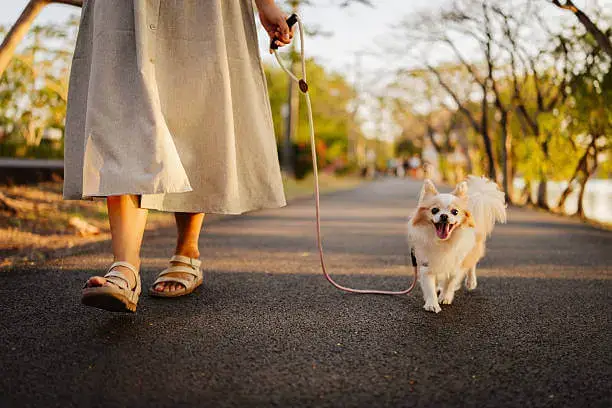
Strong grooming habits are built gradually. Grooming for Puppies is not a fixed routine—it should evolve naturally as puppies grow physically and emotionally.
Consistency, flexibility, and observation are key to maintaining stress-free care over time.
Transitioning From Puppy to Adolescent Grooming
As puppies mature, their tolerance for longer grooming sessions improves. Coat changes and increased activity levels may require routine adjustments.
Helpful strategies include:
- Gradually increasing session length
- Introducing new tools one at a time
- Maintaining familiar cues and routines
During this phase, Grooming for Puppies becomes preparation for adult care rather than simple exposure.
Avoid sudden changes. Gradual transitions prevent setbacks and preserve trust.
When to Seek Professional Support
Some grooming challenges go beyond normal puppy behavior. Seeking help early can prevent problems from escalating.
Consider professional support if:
- Resistance increases despite gentle routines
- Skin or coat abnormalities persist
- Grooming triggers extreme stress
Many professionals recommend consulting a veterinarian or certified groomer when early interventions are not effective. Grooming for Puppies should never feel overwhelming for either the puppy or the owner.
Authoritative guidance on puppy care and grooming can be found here:
FAQ
How often should grooming be done for puppies?
Short, frequent sessions work best. Daily light handling and weekly maintenance are usually sufficient.
What if my puppy dislikes grooming?
Slow down, shorten sessions, and focus on positive reinforcement. Grooming for Puppies should always feel safe and voluntary.
Can early grooming prevent health problems?
Yes. Regular grooming helps owners notice skin, coat, and behavioral changes early.
Daily & Weekly Grooming Checklist
A simple checklist keeps routines consistent without becoming overwhelming. Grooming for Puppies works best when care is predictable and manageable.
Daily
- Gentle handling and inspection
- Brief touch around paws and ears
- Calm verbal reassurance
Weekly
- Light brushing
- Ear and eye inspection
- Nail check (trim only if needed)
Monthly
- Routine evaluation and adjustment
- Introduce new tools gradually if appropriate
Why Consistent Grooming Habits Matter Long Term
The goal of early care is not flawless grooming—it is trust, comfort, and cooperation. Puppies that experience calm, respectful handling are far more likely to accept care as adults.
By avoiding common mistakes and adapting routines over time, Grooming for Puppies becomes a shared habit rather than a struggle. This foundation supports better hygiene, smoother vet visits, and a stronger human–dog bond for years to come.
Final Thoughts
Caring for a young dog is not about doing everything perfectly—it is about building habits that feel safe, consistent, and supportive over time. Across all three parts, this guide has shown that Grooming for Puppies works best when it focuses on emotional comfort first, gradual exposure second, and technique last. From early handling and age-appropriate routines to avoiding common mistakes and planning for long-term care, gentle grooming creates a foundation that benefits both puppies and owners.
When grooming is approached with patience, flexibility, and awareness of a puppy’s developmental needs, it becomes more than hygiene—it becomes a bonding routine that supports health, confidence, and trust. By applying these principles consistently, dog owners can help puppies grow into calm, cooperative adult dogs who view grooming as a normal and stress-free part of daily life.
