

Summer can be a challenging season for dog owners. The rising temperatures, increased shedding, and exposure to sun and pests all make proper grooming more critical than ever. A well-structured summer grooming routine not only keeps your dog looking great but also helps maintain their health, comfort, and energy.
By following this guide, you’ll learn practical, stress-free techniques for brushing, bathing, paw care, and more. These tips are designed to suit both beginner and intermediate dog owners, making grooming a positive and efficient experience. Whether your dog is a high-shed breed or has sensitive skin, these methods will help you prevent common seasonal issues while enhancing the bond between you and your furry friend.
Brushing Techniques for Summer Grooming
Regular brushing is a cornerstone of summer grooming, helping manage shedding, prevent mats, and maintain healthy skin. Dogs shed more in warm weather, and without proper brushing, loose hair can accumulate, causing discomfort and overheating. Using the right tools and techniques ensures a smoother coat, stimulates natural oils, and keeps your dog’s skin healthy.
Choosing the Right Brush
Selecting the correct brush for your dog’s coat type is essential for a safe and effective grooming session.
Bristle Brushes
- Gentle on short-haired dogs
- Smooth out loose hair and remove surface dirt
- Ideal for daily brushing routines
Slicker Brushes
- Designed for thick, curly, or long coats
- Remove tangles and prevent mats
- Use gently to avoid skin irritation
Undercoat Rakes
- Perfect for double-coated or shedding breeds
- Effectively remove dead undercoat hair
- Helps reduce shedding around the home
Brushing Frequency Tips
How often you brush your dog depends on their coat type and activity level. Regular brushing supports summer coat care and keeps your dog cooler.
Daily Brushing
- Necessary for high-shedding breeds such as Huskies or Golden Retrievers
- Reduces loose hair and prevents tangles
- Stimulates skin and distributes natural oils
2–3 Times Per Week
- Sufficient for short-haired dogs
- Maintains smooth coat and minimizes debris accumulation
Extra Brushing
- Check for mats behind ears, under legs, and around collars
- Groom more frequently after outdoor activities
- Helps prevent skin irritation caused by trapped dirt or moisture
Highlight Tips:
- Always brush in the direction of hair growth
- Be gentle around sensitive areas like the belly and tail
- Use treats to make brushing a positive experience
Bathing Strategies for a Summer Grooming Routine
Bathing is a critical component of summer grooming. Warm weather leads to increased dirt, allergens, and sweat, which can cause odor, skin issues, and discomfort. Regular bathing not only keeps your dog clean but also helps cool them down and reduces shedding.
Selecting Dog-Friendly Shampoos
Using a shampoo formulated specifically for dogs is crucial to prevent dryness, irritation, or allergic reactions.
Oatmeal-Based Formulas
- Soothe sensitive skin
- Reduce itching caused by heat or allergies
- Gentle enough for frequent use
Medicated Shampoos
- Recommended for dogs with skin conditions or infections
- Often used in consultation with a veterinarian
- Helps maintain overall skin health
Avoid Human Shampoos
- Can strip natural oils from the coat
- May cause dryness, redness, or irritation
- Stick to products designed for canine skin pH
Bathing Frequency and Technique
Knowing how often and how to bathe your dog is key to effective summer grooming.
Weekly Baths
- Ideal for active dogs that spend time outdoors
- Reduces allergens, dirt, and odor
- Helps control shedding
Spot Cleaning
- For less active or indoor dogs
- Use damp cloths or pet wipes on soiled areas
- Avoid over-bathing to maintain natural skin oils
Bathing Technique
- Use lukewarm water to prevent shock or discomfort
- Wet the coat thoroughly before applying shampoo
- Rinse completely to remove all residue
- Dry coat with a towel or pet-safe blow dryer on low heat
Post-Bath Care
Proper post-bath care completes your summer grooming routine.
Brush Coat to Remove Loose Hair
- Helps prevent tangles as coat dries
- Reduces hair shedding inside the home
Check Ears and Paws for Moisture
- Prevents infections in ear canals or paw pads
- Gently dry areas prone to retaining water
Optional Leave-In Conditioners
- Helps maintain coat softness and shine
- Can provide light protection against sun exposure
Highlight Tips:
- Always reward your dog after a bath to reinforce positive behavior
- Consider a shaded outdoor area or cool bathroom for bathing
- Use a non-slip mat to prevent accidents
Paw Care Essentials for Hot Weather
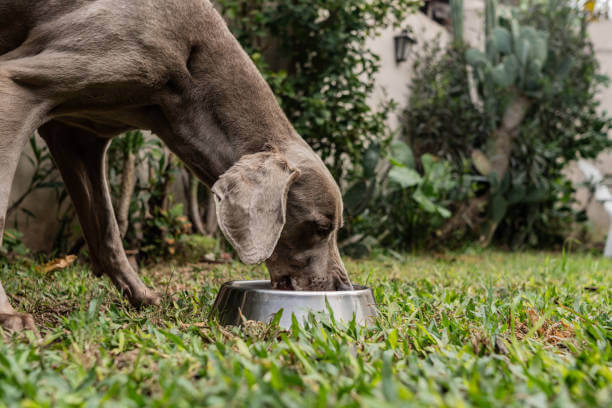
Paw care is often overlooked but is a vital part of summer grooming. Hot pavement, sand, and rough surfaces can cause burns, cuts, and discomfort. Taking preventive measures ensures your dog can enjoy walks safely and comfortably.
Protecting Paws from Heat and Injury
Hot surfaces can damage paw pads quickly, so protection is essential.
Use Paw Balms
- Apply before long walks on hot pavement
- Helps moisturize and protect pads from cracking
Avoid Peak Sun Hours
- Walk early mornings or evenings when surfaces are cooler
- Prevents burns and heat stress
Booties for Sensitive Dogs
- Protect paws from rough terrain
- Provide comfort for dogs with injured or thin pads
Regular Paw Checks
Routine inspection can catch problems early and prevent more serious issues.
Look for Cuts, Cracks, or Redness
- Examine paw pads and webbing between toes
- Treat minor injuries promptly to avoid infection
Keep Nails Trimmed
- Prevents snagging on rough surfaces
- Supports natural paw mechanics and comfort
Moisturize Paw Pads if Dry
- Use dog-safe paw balm to prevent cracks
- Apply lightly to avoid slipping
Cleaning and Maintenance
Maintaining clean, healthy paws reduces infection and keeps your dog comfortable.
Wash Paws After Walks
- Remove dirt, chemicals, and debris
- Prevent irritation from salt, sand, or grass
Inspect for Ticks or Fleas
- Hot weather increases parasite activity
- Treat promptly with recommended preventives
Dry Thoroughly
- Moisture trapped in pads can lead to bacterial or fungal infections
Highlight Tips:
- Keep a small paw cleaning kit for walks
- Check paw pads daily during summer months
- Use a soft brush for gentle cleaning between toes
Shedding Management During Summer
Shedding can be one of the biggest challenges during the hot months. Increased temperatures and longer days trigger your dog’s seasonal shedding cycle, leaving loose hair all over your home and making your pet uncomfortable. Effective summer grooming includes proactive strategies to manage shedding, keep your dog comfortable, and minimize hair buildup.
Tools for Managing Shedding
Using the right tools is essential for controlling seasonal hair loss.
Deshedding Brushes
- Designed to remove loose undercoat without damaging topcoat
- Works best on double-coated breeds like Golden Retrievers, Huskies, and German Shepherds
- Use gentle strokes to avoid skin irritation
Grooming Gloves
- Allow you to brush and massage at the same time
- Perfect for short-haired dogs or anxious pets
- Can double as a bonding activity
Grooming Techniques for Shedding
Consistent grooming habits complement the use of tools.
Regular Brushing Schedules
- Brush daily for high-shed breeds
- 2–3 times per week for moderate shedders
- Helps remove dead hair before it spreads around your home
Bathing with Deshedding Shampoos
- Choose formulas designed for shedding management
- Helps loosen dead hair and stimulate the coat
- Follow with a thorough rinse and gentle towel drying
Highlight Tips:
- Always brush before a bath to loosen mats and tangles
- Consider a weekly grooming session outdoors to minimize mess inside
- Reward your dog after grooming to make it a positive routine
Sun Safety for Dogs During Summer Grooming
Sun exposure can lead to sunburn, skin damage, and heat stress, even for dogs with thick coats. Incorporating summer grooming techniques helps protect your dog’s skin, fur, and overall health.
Preventing Sunburn
Dogs with short hair or light-colored coats are particularly vulnerable to UV damage.
Apply Dog-Safe Sunscreen
- Focus on nose, ears, and areas with thin fur
- Use pet-specific sunscreen; human formulas may contain harmful chemicals
- Reapply if your dog swims or plays outdoors for extended periods
Provide Shaded Areas
- Ensure your dog has access to cool, shaded spots during walks or playtime
- Use umbrellas, trees, or indoor shaded spaces for protection
- Consider outdoor shelters or cooling tents in your yard
Hydration and Cooling Tips
Keeping your dog cool is just as important as protecting their skin.
Fresh Water Access
- Provide multiple water sources throughout the day
- Use bowls that won’t tip easily during playtime
- Add ice cubes to water on particularly hot days
Cooling Mats or Vests
- Offer relief from hot surfaces during outdoor play
- Can reduce risk of overheating and heatstroke
- Reusable gel or water-based cooling products are safe and effective
Highlight Tips:
- Avoid walks during peak sun hours (10 a.m.–4 p.m.)
- Check the pavement temperature with your hand before walking
- Never leave your dog in a parked car, even briefly
Flea and Tick Prevention
Summer brings a surge in flea and tick activity, which can quickly impact your dog’s health. Integrating summer grooming with parasite prevention is essential to avoid infestations, discomfort, and potential disease.
Spot Checks and Treatments
Regular inspection of your dog’s coat and skin can prevent flea and tick problems.
Examine Fur and Paws
- Check behind ears, around the neck, under legs, and between toes
- Look for signs like redness, tiny black specks, or scratching
- Catching infestations early makes treatment easier
Use Veterinarian-Recommended Preventives
- Choose spot-on treatments, oral medications, or collars as advised by a vet
- Follow instructions carefully to ensure effectiveness
- Rotate methods if recommended to maintain protection
Environmental Control
Controlling your dog’s surroundings reduces exposure to fleas and ticks.
Clean Bedding and Living Areas
- Wash bedding weekly in hot water
- Vacuum carpets, rugs, and furniture frequently
- Dispose of vacuum contents immediately to prevent reinfestation
Trim Grass and Bushes Outside
- Fleas and ticks thrive in tall grass and shady areas
- Keep outdoor play areas short and well-maintained
- Consider natural deterrents like diatomaceous earth in garden areas
Highlight Tips:
- Flea combs can help detect early infestations
- Monitor your dog’s behavior for unusual scratching or restlessness
- Consult a veterinarian immediately if infestations persist
Additional Summer Grooming Tips
- Inspect eyes and ears daily for signs of infection or debris
- Keep nails trimmed to prevent snagging and discomfort
- Regularly wash food and water bowls to prevent bacterial buildup
- Provide mental stimulation during hot afternoons to avoid overexertion outdoors
- Observe for behavioral changes, like excessive panting or lethargy, which may indicate overheating
Highlight Tips:
- Incorporate grooming into daily bonding routines
- Maintain consistency to prevent stress during grooming
- Use calming aids like gentle music or treats to encourage participation
Maintaining Skin and Coat Health in Summer
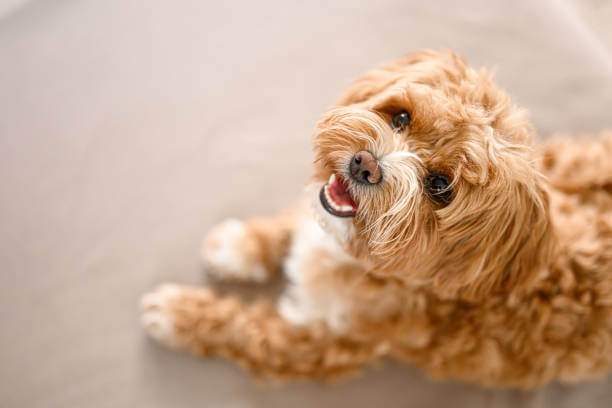
Summer heat and sun exposure can take a toll on your dog’s skin and coat. Proper care as part of your summer grooming routine helps prevent dryness, irritation, and overheating while keeping your dog comfortable and healthy.
Moisturizing and Skin Care
Hydrated skin is essential to prevent cracking, flaking, and discomfort.
Use Dog-Safe Conditioners
- Choose leave-in conditioners specifically formulated for dogs
- Apply after baths to maintain softness and shine
- Helps protect from sun and environmental damage
Regular Oil Treatments
- Coconut or fish oil (vet-approved) can support skin health
- Apply lightly to coat or add small amounts to food
- Promotes natural coat oils and reduces shedding
Monitoring for Allergies and Irritations
Heat, pollen, and new grooming products can trigger skin reactions.
Watch for Redness or Itching
- Inspect skin daily during summer grooming sessions
- Look for hot spots, rashes, or flaky areas
- Address minor irritations promptly to prevent infections
Adjust Grooming Products Accordingly
- Switch shampoos or conditioners if irritation occurs
- Avoid harsh chemicals or fragrances
- Consult a veterinarian for persistent skin issues
Highlight Tips:
- Short-haired dogs may require more frequent sunscreen application
- Brushing gently before conditioning helps even product distribution
- Reward your dog during grooming to reinforce positive experiences
Daily Summer Grooming Checklist
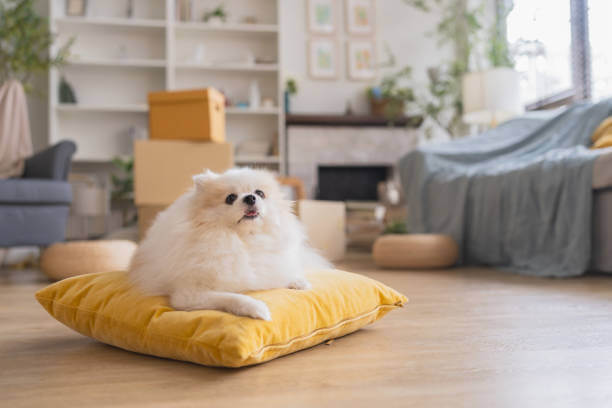
Creating a daily routine simplifies summer grooming and ensures your dog stays cool, healthy, and comfortable throughout the season.
Morning Grooming Tasks
- Check paws for cuts, cracks, or foreign debris
- Brush coat lightly to remove overnight loose hair
- Provide fresh water and refill bowls
- Inspect ears for moisture or irritation
- Apply paw balm if walking on hot surfaces
Evening Grooming Tasks
- Inspect coat for fleas or ticks after outdoor activities
- Wipe down coat to remove dirt and allergens
- Dry paws thoroughly after washing or walks
- Reward grooming session with treats or playtime
- Check for signs of heat stress such as excessive panting
FAQ – Common Summer Grooming Questions
Q1: How often should I bathe my dog in summer?
- Most active dogs benefit from weekly baths, while indoor or less active dogs may need spot cleaning only.
Q2: Are short-haired dogs at less risk of sunburn?
- Not necessarily. Dogs with light-colored or thin coats are more vulnerable, even if hair is short.
Q3: Can grooming prevent overheating?
- Yes. Regular brushing, paw care, and coat trimming (if appropriate) improve airflow and cooling, reducing heat stress risk.
Q4: Is it okay to trim my dog’s coat very short for summer?
- Only if recommended by a groomer or veterinarian. Some breeds rely on their coat for sun protection.
Q5: How do I know if my dog is stressed during grooming?
- Signs include panting, trembling, excessive licking, or trying to escape. Take breaks and use positive reinforcement.
Highlight Tips:
- Keep grooming sessions short and consistent to reduce stress
- Use calming tools like soft brushes, treats, or soothing music
- Monitor seasonal changes in shedding, skin, or behavior daily
Additional Summer Grooming Advice
- Monitor hydration closely – heat can quickly lead to dehydration
- Provide shaded rest areas – especially after outdoor activities
- Trim nails carefully – prevent discomfort on hot surfaces
- Avoid over-bathing – excessive washing can strip natural oils
- Use flea/tick preventives – parasites thrive in warm months
Highlight Tips:
- Incorporate daily checks into a bonding routine
- Reward compliance with treats or play
- Adjust grooming frequency based on coat type, activity level, and weather
Summary of Key Summer Grooming Practices
- Brush regularly to manage shedding and maintain skin health
- Bathe appropriately using dog-safe shampoos and conditioners
- Protect paws from heat and rough surfaces
- Monitor sun exposure and provide hydration
- Prevent parasites with regular checks and treatments
- Inspect skin for irritation and moisture issues
- Maintain a daily checklist for consistent care
Following these practices ensures your dog stays cool, comfortable, and healthy while enjoying summer activities. A well-maintained summer grooming routine not only promotes physical health but also strengthens the bond between you and your pet.
