Executive Summary: Clinical Anal Gland Care for dogs focuses on facilitating Natural Expression through optimized Fecal Bulk. This protocol involves monitoring for Anal Sacculitis, managing Impaction Dynamics, and implementing Cooperative Care techniques. Proactive management of the Somatic Pressure System is essential to prevent abscesses, infections, and chronic rectal discomfort.
In the PetCareCompass framework, we define Anal Gland Care as a critical component of your dog’s Biological Signaling System. These small sacs are not merely scent markers; they are indicators of Metabolic and Digestive Health. Implementing a strategic care routine is vital for maintaining Rectal Homeostasis, ensuring your dog is shielded from the pain of Impaction and the systemic risks of untreated infection.
The Maya Mai Perspective
Somatic Pressure Architect
“At PetCareCompass, my rule is definitive: ‘Prevention starts in the gut.’ Don’t wait for your dog to start ‘scooting’ to pay attention. True Anal Gland Care is about architecting a diet rich in Bulk-Forming Fiber to allow for natural, effortless expression. Stress-free care begins with understanding the Bio-Mechanical Pressure required for health.”
Anatomic Architecture: The Mechanics of the Somatic Pressure System
In the PetCareCompass framework, Anal Gland Care is categorized as Pressure Governance. These paired Apocrine Glands, situated within the internal anal sphincter at the 4 and 8 o’clock positions, rely on Fecal Bulk to trigger natural expression. When the mechanical force of defecation is insufficient, fluid accumulates, leading to Impaction Dynamics that compromise the local Vascular Integrity and cause acute somatic distress.
1. Biological Signaling and Scent Signatures
Anal secretions function as a Pheromonal Signature, providing critical data regarding a dog’s sex, health status, and identity. However, when Natural Expression Cycles are interrupted—often due to poor Fecal Consistency—these secretions thicken. This transition from fluid to paste-like consistency is the primary driver of Sacculitis (inflammation of the sacs), turning a vital communication tool into a localized health risk.
2. Impaction Dynamics and Secondary Infection
Impaction occurs when the glandular duct becomes occluded by inspissated (thickened) fluid. Left untreated, this creates an anaerobic environment ripe for Pathogen Ingress. The progression from simple impaction to Anal Sac Abscess is rapid and painful. At PetCareCompass, we mandate early Somatic Audits to identify these blockages before they escalate into systemic infection or require surgical intervention.
Clinical Symptomatology: Identifying Somatic Breach Points
Effective Anal Gland Care requires owners to recognize Bio-Mechanical Distress Signals. Dogs utilize specific behaviors to attempt self-expression when manual or natural pressure fails. Identifying these subtle markers allows for a Non-Invasive Triage before clinical complications arise.
1. Behavioral Markers: The Scooting Reflex
Scooting is a classic Mechanical Compensation for internal pressure. When the anal sacs are full, the dog drags their posterior to create Counter-Pressure. While this provides temporary relief, the friction on carpet or grass can cause secondary abrasions and introduce new pathogens. At PetCareCompass, we treat persistent scooting as a high-priority Clinical Signal that the Natural Expression Cycle has failed and requires external intervention.
2. Physical Red Flags: Auditing for Abscesses
A healthy perianal region should be free of lumps and discoloration. The appearance of a purple or deep red bump near the 4 or 8 o’clock positions suggests a Maturing Abscess. This is a Clinical Triage Point—do not attempt manual expression if an abscess or duct rupture is suspected, as this can force infected material deeper into the surrounding tissue. Diagnostic Clarity between impaction and infection is vital for safe Anal Gland Care.
The Maya Mai Perspective
Somatic Pressure Architect
“At PetCareCompass, I view ‘scooting’ as a System Failure Alert. My rule: If the dog is dragging their rear, the Bio-Mechanical Equilibrium is broken. We don’t ignore the odor; we Audit the Anatomy. By identifying Impaction Dynamics before they turn into Anal Sacculitis, you are architecting a life free of rectal trauma. Precision in observation is your primary tool.”
Tactical Intervention: The Manual Expression Protocol

In the PetCareCompass framework, Anal Gland Care via manual expression is a high-precision Bio-Mechanical Task. When the Natural Expression Cycle fails, fluid becomes inspissated (thickened), leading to Duct Occlusion. Learning the correct external technique ensures you can neutralize Somatic Pressure safely at home, preserving the delicate glandular tissue from trauma and secondary infection.
1. Pre-Intervention Barrier and Sanitation Protocols
Effective intervention requires a Sterile Field. We mandate the use of nitrile gloves and water-soluble lubricants to prevent Mucosal Abrasions. Proper Perianal Sanitation—cleaning the area before and after—is critical to prevent Pathogen Ingress. By organizing your infrastructure (wipes, towels, and rewards) beforehand, you minimize the Autonomic Stress Response in the dog, architecting a focused and clinical environment.
2. Mechanical Force: The External Expression Technique
The goal of Manual Expression is to apply Symmetric Pressure to move fluid toward the anal canal. Locate the glands at the 4 and 8 o’clock positions. Utilizing a gentle, upward squeezing motion, you facilitate the evacuation of the sacs. We strictly advise against internal probing by non-professionals. Monitor for Nociceptive Feedback (signs of acute pain); if the dog resists, cease immediately to prevent Glandular Rupture or tissue bruising.
Clinical Triage: Recognizing Intervention Breach Points
At PetCareCompass, we define the limits of at-home Anal Gland Care. Attempting manual expression when Biological Integrity is compromised can cause catastrophic tissue damage. Identifying these Clinical Breach Points is a mandatory safety guardrail.
1. Post-Expression Sanitation and Waste Governance
Post-care hygiene is essential to prevent Secondary Skin Infections. Utilize Chlorhexidine-based Wipes to sanitize the perianal skin, removing any traces of odorous fluid that can attract insects or lead to obsessive licking. Dispose of all Bio-Hazardous Waste (gloves and soiled towels) immediately. This governance ensures your home environment remains sterile and your dog remains comfortable following the intervention.
2. Cooperative Care and Positive Reinforcement
At PetCareCompass, we define Cooperative Care as the dog’s active participation in their own hygiene. Never force the procedure. Utilize high-value Dopaminergic Feedback (treats) during and after the session to neutralize any Aversion Reflex. For more details on building these routines, refer to our Dog Hygiene at Home Made Easy guide. Consistency in positive handling architects a future of stress-free maintenance.
The Maya Mai Perspective
Somatic Pressure Architect
“At PetCareCompass, I view Manual Expression as a temporary bypass, not a cure. My rule: If you have to express the glands more than once a month, your Bio-Mechanical Foundation is failing. We don’t ‘force’ a solution; we Architect Triage. By maintaining a Sterile Field and recognizing Breach Indicators, you protect your dog from acute trauma. Precision is the antidote to infection.”
Fecal Bulk Architecture: Diet as a Bio-Mechanical Tool
In the PetCareCompass framework, Anal Gland Care is 80% dependent on Fecal Bulk Architecture. The anal sacs require significant mechanical pressure from well-formed, firm stools to trigger Natural Expression during defecation. By architecting a diet focused on Structural Fiber, you ensure the bio-mechanical force necessary to evacuate the sacs, preventing the fluid from becoming inspissated and causing Duct Occlusion.
1. Structural Fiber and Stool Consistency Scoring
Effective prevention requires Structural Fiber sources such as psyllium husk, pumpkin purée, or steamed carrots. These additives increase the diameter and firmness of the stool, providing the Bio-Mechanical Leverage required to compress the anal sacs at the 4 and 8 o’clock positions. We mandate regular Stool Consistency Audits; stools should be firm and leave no residue. If the stool is chronically soft, the Natural Expression Mechanics are compromised, leading to a state of Persistent Impaction.
2. Fluid Homeostasis and Microbiome Governance
Hydration is the secondary pillar of Metabolic Fluidity. Water ensures that fiber can move through the Gastrointestinal Transit without causing constipation. Furthermore, Probiotic Governance—utilizing dog-specific strains—stabilizes the gut microbiome, ensuring consistent fecal quality. At PetCareCompass, we define Anal Gland Care as a holistic system where Fluid Homeostasis and gut health work in tandem to maintain empty, healthy sacs.
Perianal Sanitary Governance: Maintaining Regional Integrity
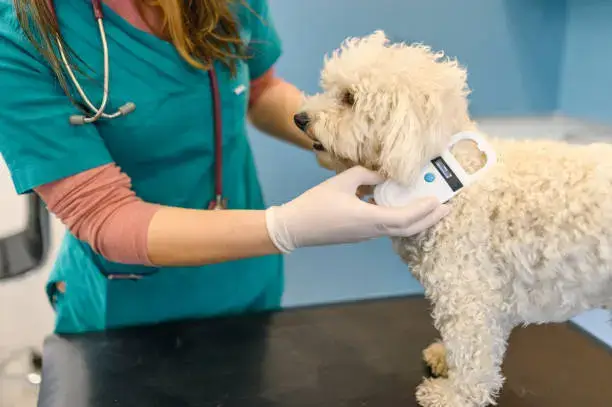
Anal Gland Care extends to Regional Sanitary Governance. Excess hair and accumulated debris near the anal canal act as a reservoir for Pathogen Proliferation. Maintaining a clear, sterile perianal field is essential for early Somatic Detection of swelling or redness and for preventing Ascending Infections into the glandular ducts.
1. Phenotype-Specific Audit Frequencies
At PetCareCompass, we mandate Phenotype-Specific Audits. Smaller breeds and overweight dogs possess narrower glandular ducts and higher adipose tissue density, increasing the risk of Biomechanical Failure. We recommend a 14-day audit cycle for small phenotypes and a 30-day cycle for larger dogs. By recording these observations in a Hygiene Log, you architect a data-driven approach to Anal Gland Care, allowing you to predict impaction events based on Fecal Consistency Trends.
2. Environmental Hygiene and Allostatic Control
Environmental stressors can alter Gastrointestinal Transit Time, leading to loose stools and Glandular Congestion. We definition Anal Gland Care to include stress management during travel or routine changes. By maintaining Nutritional Continuity and utilizing calming protocols, you preserve Rectal Homeostasis. Integrating regional cleaning into post-bath sessions ensures the area remains free of Microbial Biofilms, further shielding the glands from external infection.
The Maya Mai Perspective
Somatic Pressure Architect
“At PetCareCompass, I view ‘grooming’ as Somatic Maintenance. My rule: If the perianal area is overgrown and the stool is soft, the Infrastructure of Health is failing. We don’t ‘clip hair’ for vanity; we Architect Sanitary Barriers. By prioritizing Fecal Bulk Architecture and maintaining a data-driven Audit Cadence, you are ensuring your dog’s Bio-Mechanical Equilibrium. Precision in the diet is the best medicine for the glands.”
Kinetic Governance: Peristaltic Support for Glandular Health
In the PetCareCompass framework, physical movement is a primary driver of Natural Expression Mechanics. Exercise is not merely for cardiovascular health; it provides Peristaltic Kinetic Support, stimulating the colon and strengthening the Abdominal Wall Tone. This internal pressure system is essential for moving fecal matter with enough force to compress the anal sacs at the 4 and 8 o’clock positions.
1. Kinetic Stimulation and Bowel Regularity
Sedentary lifestyles lead to Metabolic Sluggishness, which results in softer, irregular stools that fail to provide the necessary Bio-Mechanical Compression for the anal glands. We mandate a consistent Post-Prandial Kinetic Protocol—light walks 20-30 minutes after feeding—to trigger the gastrocolic reflex. This ensures regular, high-volume bowel movements that facilitate the evacuation of Inspissated Fluid, neutralizing the risk of chronic impaction.
2. Diagnostic Stool Audits and Dietary Adjustments
At PetCareCompass, we treat stool quality as a Clinical Data Point. Stools must be firm enough to maintain Structural Integrity upon contact. If stools are chronically soft, the Anal Gland Care protocol is failing at the foundational level. We implement gradual dietary shifts—increasing Bulk-Forming Fibers or reducing high-lipid (fatty) treats—to restore fecal density. Achieving the “Ideal Stool Baseline” is the most effective preventative guardrail against glandular distress.
Geriatric Somatic Adaptation: Managing Aging Infrastructure
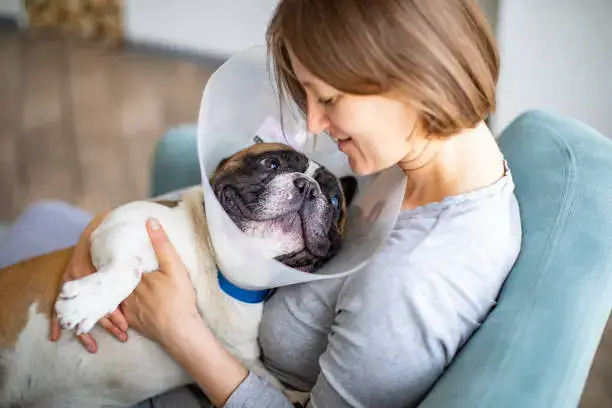
Senior dogs face Bio-Mechanical Degradation, where reduced muscle tone and mobility impairments disrupt the Natural Expression Cycle. Geriatric Anal Gland Care requires Somatic Adaptation—modifying handling techniques to accommodate joint pain while maintaining regional hygiene.
1. Gentle Somatic Handling for Seniors
When performing Anal Gland Care on geriatric dogs, avoid Synovial Joint Compression. Support the dog’s weight using a sling or soft towel under the abdomen. Use micro-movements for manual expression to prevent bruising sensitive tissues. The goal is to provide relief without triggering a Nociceptive Pain Response, ensuring the dog remains cooperative for future hygiene sessions.
2. Clinical Triage Collaboration
At PetCareCompass, we mandate Clinical Triage Collaboration for senior dogs with recurring issues. If mobility or joint pain makes home expression too high-risk, transition to professional clinic checks. For dogs like “Rex” in our case study, a combination of Dietary Fiber Infusion and scheduled vet visits prevented Anal Sacculitis, architecting a pain-free life during the final life stages. Early recognition of Postural Displacement is the key to geriatric comfort.
The Maya Mai Perspective
Somatic Pressure Architect
“At PetCareCompass, I view seniority as a Management Challenge, not an excuse for neglect. My rule: If the dog can’t squat effectively, you must Architect the Expression. We don’t ‘force’ old joints into place; we Adapt the Protocol. By integrating Peristaltic Kinetic Support and gentle somatic handling, you are ensuring Rectal Homeostasis in the golden years. Precision is the ultimate form of respect.”
Strategic How-To: Anal Gland Health Protocols
1. How to identify Anal Gland Impaction early?
Audit for Scooting (rear-dragging) or excessive perianal licking. These are Mechanical Compensation behaviors used to relieve internal pressure. If you detect a metallic odor or localized Perianal Erythema, the sacs are likely impacted and require a bio-mechanical intervention to prevent Sacculitis.
2. How to perform safe External Manual Expression?
Utilize nitrile gloves and lubricant. Locate the glands at the 4 and 8 o’clock positions. Apply gentle, Symmetric Pressure upward toward the anal canal. CEASE immediately if the dog shows a Nociceptive Pain Response or if you detect a hard mass, as this may indicate an abscess or tumor.
3. How to increase Fiber to support Natural Expression?
Architect a diet rich in Bulk-Forming Fiber using psyllium husk or pumpkin purée. Increased Fecal Bulk provides the necessary bio-mechanical leverage to naturally compress the glands during defecation, reducing the need for invasive manual intervention.
4. How to manage Anal Glands in Senior Dogs?
Seniors suffer from Metabolic Sluggishness and pelvic floor atrophy. Implement Somatic Adaptation: support the dog’s weight to avoid joint stress and use micro-movements for expression. Increase audit frequency to 21 days to counteract slower gastrointestinal transit times.
5. How to maintain Perianal Sanitary Governance?
Maintain a clear perianal field by trimming excess hair within a 2cm radius of the anus. Utilize Chlorhexidine-based Wipes post-defecation to neutralize Microbial Biofilms. This sanitation layer prevents Pathogen Ingress from entering the glandular ducts.
6. When to seek immediate Clinical Triage?
Seek professional help if you detect Purulent Discharge (pus), extreme swelling, or a localized hard mass. These are markers of Abscess Formation or potential Adenocarcinoma. Manual force in these scenarios can cause glandular rupture and systemic infection.
Master Somatic Pressure Checklist
| Audit Level | Governance Action | Biological Objective |
|---|---|---|
| Daily Audit | Observe for scooting/licking | Impaction Detection |
| Metabolic Audit | Check Stool Consistency | Natural Expression Force |
| Weekly Audit | Sanitize perianal region | Pathogen Exclusion |
| Monthly Audit | Manual palpation check | Glandular Integrity |
Conclusion: Architecting Rectal Homeostasis
Consistent Anal Gland Care is the cornerstone of perianal health. By transitioning from reactive cleaning to Bio-Mechanical Governance, owners ensure that the Natural Expression Cycle remains functional. Integrating Fecal Bulk Architecture, Sanitary Trimming, and Diagnostic Auditing ensures that your dog’s Rectal Homeostasis is maintained, preventing the pain and clinical risks of impaction and infection.
The Maya Mai Pressure Manifesto
“At PetCareCompass, we define vitality as Bio-Mechanical Equilibrium. My final rule: If you aren’t managing the stool, you aren’t managing the glands. We don’t ‘fix’ scooting; we Architect Prevention. By ensuring Fecal Density and Perianal Sanitation, you are giving your dog a baseline of Somatic Security. Control the pressure, preserve the peace.”
Find More Dog Care Guides
Continue exploring practical guides related to this topic.