

Keeping your dog comfortable and healthy goes beyond feeding, walks, and playtime—they also depend on you to maintain their overall hygiene, including anal gland care. Anal glands are small, often overlooked sacs near your dog’s anus, and neglecting them can lead to discomfort, pain, infection, or even behavioral changes. Many dog owners are surprised to learn how essential proper anal gland care is to their dog’s daily comfort and long-term health.
This comprehensive guide provides a practical, stress-free approach to anal gland care, covering everything from understanding their function, recognizing early warning signs, to learning safe at-home cleaning techniques. You’ll also discover tips for prevention, monitoring, and how to integrate gland care into your dog’s hygiene routine. With this knowledge, you can confidently manage your dog’s anal gland health, avoid common mistakes, and ensure your dog stays happy, healthy, and pain-free.
Understanding Anal Gland Function
To provide effective anal gland care, you must first understand what anal glands are, how they work, and why they sometimes need assistance. Dogs have two small sacs called anal glands, located at the 4 o’clock and 8 o’clock positions around the anus. These glands naturally release fluid during bowel movements. This fluid has a unique scent and plays a role in communication and territory marking.
When functioning normally, these glands empty naturally. However, blockages, thickened fluid, or inflammation can make natural expression difficult. Regular anal gland care ensures these sacs do not become impacted or infected, preventing discomfort and potential health issues.
Anatomy of Anal Glands
Location and Structure
Anal glands are small, oval-shaped sacs located just under the skin near the anus. Each gland connects to a tiny duct that opens into the anal canal. The fluid inside is normally released when your dog defecates, and this process usually goes unnoticed if the glands are healthy.
- Some breeds, like small dogs or overweight dogs, are more prone to gland problems.
- Glands that are not expressed regularly can become full, hard, and uncomfortable.
Proper anal gland care can prevent these issues, reducing the risk of impaction or infection.
Function in Scent Communication
Dogs use anal gland secretions as a way to communicate. The fluid contains pheromones, which give each dog a unique “signature.” While this behavior is natural, it also highlights why anal gland care is important. If the glands become blocked, your dog may try to compensate through excessive licking, scooting, or biting, which can create hygiene and behavioral issues.
Tip: Understanding your dog’s normal behavior around bowel movements can help detect early signs that anal gland care is needed.
Common Anal Gland Issues
Impaction
Impaction occurs when the anal glands are unable to empty naturally. This leads to fluid buildup, creating discomfort or pain. Dogs may scoot across the floor, bite at their rear, or show restlessness after meals.
Anal gland care is crucial to relieve impaction and prevent further complications like infection or abscess formation. Many owners learn at-home techniques to manually express glands safely, reducing the need for emergency vet visits.
Infection Signs
If impacted glands are left untreated, infection can develop. Symptoms include:
- Swelling or redness around the anus
- A foul or unusual odor
- Pain when sitting
- Reluctance to play or walk
Timely anal gland care can prevent infections from becoming serious. Severe cases may require veterinary attention, but early intervention often makes at-home care sufficient.
Pro Tip: Keep a small notebook to track your dog’s scooting, licking, and odor over time. Patterns can help you anticipate when anal gland care is needed.
Signs Your Dog Needs Anal Gland Care
Recognizing early signs is essential for effective anal gland care. Dogs often try to hide discomfort, so it’s up to owners to notice subtle cues.
Behavioral Indicators
Scooting and Tail Chasing
Scooting—dragging the rear across the floor—is a classic sign that your dog’s anal glands may be full or irritated. Tail chasing or excessive licking of the rear can also indicate discomfort.
- Small breeds, like Cocker Spaniels and Chihuahuas, are more prone to scooting due to their anatomy.
- Regular observation allows you to act before impaction or infection occurs.
Excessive Licking or Biting
Frequent licking or biting at the anal area is another signal that anal gland care is needed. Dogs may attempt to relieve pressure themselves, but this often worsens irritation and can spread bacteria.
Tip: Gently inspect the area if your dog exhibits these behaviors. If swelling, redness, or odor is present, immediate anal gland care or veterinary consultation is recommended.
Physical Indicators
Swelling or Redness
Look for inflammation around the anus. Anal glands that are impacted or infected may feel firm, swollen, or tender.
- Mild swelling can often be relieved with home anal gland care.
- Severe swelling or abscesses require a vet’s attention.
Strong Odor
A strong or unusual smell is a common sign of impacted or infected glands. Regular anal gland care prevents these odors and keeps your dog comfortable.
Quick Tip: Keeping a small grooming mirror handy allows you to check the area without causing stress. Early detection makes care easier and more effective.
Step-by-Step Anal Gland Cleaning at Home
Many dog owners rely solely on vets for anal gland care, but learning safe at-home techniques saves time and stress. Always handle your dog gently, go slowly, and maintain hygiene.
Preparing for Cleaning
Tools Needed
- Nitrile gloves
- Lubricant (petroleum jelly)
- Wipes or paper towels
- Towel to protect surfaces
Safety Precautions
- Have a second person hold your dog if needed.
- Keep your dog calm using treats or praise.
- Never force the process if your dog resists violently.
Cleaning Procedure
Manual Expression Technique
- Place your dog on a secure, comfortable surface.
- Put on gloves and apply lubricant to your index finger.
- Locate the anal glands at 4 and 8 o’clock.
- Apply gentle pressure toward the anus to express fluid.
- Wipe the area clean immediately after each gland.
Tip: Stop immediately if your dog shows signs of severe pain or stress. Frequent, gentle care is more effective than occasional aggressive attempts.
Post-Cleaning Hygiene
- Dispose of waste safely.
- Wash your hands and sanitize tools.
- Reward your dog with a treat or praise to reinforce positive behavior.
When to Seek Professional Help
Persistent Issues
Frequent blockages or repeated scooting indicate a need for professional advice. Your vet may recommend regular checkups or dietary changes to support natural expression.
Infections or Abscesses
Redness, pus, or severe swelling signals infection. Attempting at-home expression in these cases can worsen the condition. Immediate veterinary attention is required.
Mini Case Study: Bella, a 5-year-old Cocker Spaniel, started scooting after every meal. Her owner learned proper anal gland care techniques and added fiber to her diet. Within four weeks, Bella’s scooting decreased, and her vet confirmed her glands were healthy.
Tips for Dog Owners:
- Track behavior and odor after each cleaning.
- Schedule regular checks based on breed and size.
- Consistent anal gland care prevents discomfort and costly vet visits.
Internal Link: For more comprehensive dog hygiene routines, see Dog Hygiene at Home Made Easy.
Diet and Anal Gland Health
A healthy diet can significantly impact anal gland care. Fiber, hydration, and gut health all affect how easily the glands express naturally. Adjusting your dog’s nutrition can reduce the need for frequent manual expression.
Fiber-Rich Foods for Healthy Glands
Adding fiber to your dog’s diet supports proper bowel movements, which naturally express anal glands.
- Vegetables and Fruits: Pumpkin, sweet potato, and carrots are excellent fiber sources.
- Grains: Oats or brown rice can improve stool consistency.
- Commercial High-Fiber Dog Foods: Look for dog foods labeled as high-fiber, which can reduce anal gland impaction.
Tips:
- Introduce fiber gradually to prevent digestive upset.
- Monitor stool consistency; firm, well-formed stools indicate optimal fiber intake.
Hydration and Digestive Health
Water intake is crucial for healthy digestion and anal gland care. Well-hydrated dogs have softer stools, reducing pressure on the glands.
- Fresh Water Access: Always keep clean water available.
- Probiotics: Adding dog-safe probiotics supports healthy digestion and may aid natural gland expression.
- Avoid Dehydrating Foods: Some kibble or high-salt treats can reduce water absorption.
Mini Case Study: Max, a 6-year-old Beagle, experienced frequent anal gland impaction. His owner increased fiber and water intake. Within weeks, Max’s stools were firmer, and gland issues decreased, reducing vet visits for anal gland care.
Outbound Link: For detailed nutrition tips, see American Kennel Club – Dog Nutrition.
Regular Maintenance and Grooming
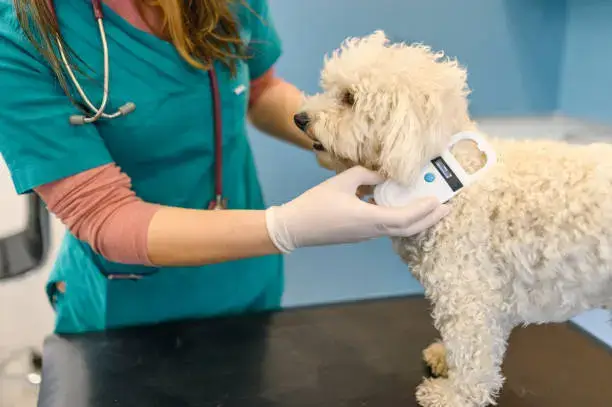
Routine grooming is a key component of anal gland care, helping prevent infections and making inspections easier. Dogs with long hair or thick coats may require more attention to keep the anal area clean.
Grooming Around the Anal Area
Trimming Hair
- Trim excess hair to prevent debris and bacteria from accumulating near the anus.
- Use rounded-tip scissors or clippers for safety.
- Grooming also reduces irritation and makes manual expression safer if needed.
Cleaning Techniques
- Use pet-safe wipes or warm water to clean the area after bowel movements.
- Avoid harsh soaps that may irritate sensitive skin.
- Incorporate grooming into a routine, e.g., weekly sessions after baths.
Scheduled Anal Gland Checks
Frequency Recommendations
- Small breeds: every 2–4 weeks
- Medium to large breeds: every 4–6 weeks
- Adjust based on your dog’s individual needs and history of impactions
Recording Observations
- Keep a hygiene log noting scooting, licking, odor, and stool consistency.
- Regular records help identify trends and anticipate when anal gland care is needed.
Pro Tips:
- Combine grooming with daily observation for maximum effectiveness.
- Positive reinforcement during grooming reduces stress and builds cooperation.
Preventive Measures to Avoid Anal Gland Problems
Prevention is more effective than treatment. Integrating specific habits into your dog’s daily routine can reduce the need for frequent manual expression and ensure ongoing comfort.
Exercise and Activity
Daily Walks
Regular movement promotes healthy digestion, which naturally helps express anal glands.
Play and Movement
- Encourage interactive play and light exercises.
- Active muscles and bowel movements reduce the chance of impaction.
Tip: Even short walks after meals can stimulate bowel activity and improve anal gland care outcomes.
Monitor Stool Quality
Ideal Stool Consistency
- Firm but not hard, easy to pass, and well-formed
- Soft or irregular stools can lead to incomplete anal gland expression
Diet Adjustments if Needed
- Increase fiber gradually for constipation or hard stools
- Reduce fatty treats if stools are too loose
- Monitor how changes affect gland health
Early Intervention Practices
- Inspect the anal area weekly for swelling or odor
- Record any unusual behavior (scooting, licking, sitting awkwardly)
- Perform gentle cleaning if needed, or consult your vet for persistent problems
Mini Case Study: Luna, a 4-year-old Shih Tzu, had recurring anal gland infections. Her owner implemented a combined strategy: high-fiber diet, daily walks, and routine grooming. Over two months, anal gland care at home became easier, and infections were minimized.
Tips:
- Combine diet, exercise, and grooming for effective preventive care.
- Positive reinforcement helps dogs tolerate manual checks or light cleaning.
- Consistency is key—skipping preventive steps often leads to more severe gland issues.
Highlights:
- Diet plays a significant role in supporting anal gland care.
- Regular grooming and monitoring prevent infections and reduce discomfort.
- Exercise and stool consistency are critical factors in natural gland expression.
- Mini case studies show how real-life routines improve anal gland care outcomes.
- Outbound link included for authoritative nutrition guidance.
Managing Anal Gland Issues in Senior Dogs
Older dogs are more prone to anal gland problems. Age-related changes in digestion, activity level, and mobility make proactive anal gland care essential.
Signs of Age-Related Issues
Reduced Bowel Movement Frequency
Slower digestion or constipation can prevent natural gland expression. Monitor stool frequency and consistency to detect early signs of blockage.
Behavioral Changes
- Scooting or excessive licking may indicate discomfort.
- Sitting awkwardly or avoiding laying down normally can signal anal gland issues.
Tip: Track subtle behavioral changes over time. Early recognition allows gentle anal gland care interventions before serious problems develop.
Gentle Cleaning Techniques for Seniors
Adapting Manual Expression
- Use a gentle touch and smaller movements to avoid discomfort.
- Short sessions are better than prolonged handling.
- Provide support for older dogs with joint pain.
Vet-Assisted Care
- If home cleaning is too stressful, a veterinarian can assist.
- Some senior dogs may require periodic expression at the clinic to prevent complications.
Mini Case Study: Rex, a 10-year-old Golden Retriever, began scooting and licking due to impacted anal glands. His owner implemented a combination of soft fiber-rich meals, daily gentle walks, and vet-assisted expression. With consistent anal gland care, Rex remained comfortable and avoided infections over the next year.
Tips:
- Always reward seniors after grooming or cleaning sessions.
- Combine diet, exercise, and gentle handling to minimize stress.
- Monitor overall health, as mobility and digestive changes directly affect gland function.
FAQ and Daily Anal Gland Care Checklist
A structured routine ensures long-term anal gland health and prevents emergencies. This section provides answers to frequently asked questions and a daily checklist to guide owners in stress-free anal gland care.
FAQ
How often should I express my dog’s anal glands?
Frequency depends on breed, size, and individual needs:
- Small breeds: every 2–4 weeks
- Medium to large breeds: every 4–6 weeks
- Dogs with chronic issues may require weekly checks
Proper anal gland care at home should always be gentle and combined with routine monitoring.
Can diet alone prevent anal gland problems?
Diet alone helps maintain healthy stools, but it’s rarely sufficient for all dogs. Fiber-rich meals, hydration, and probiotics support natural expression, but some dogs still require manual expression.
When is it necessary to see a vet?
- Signs of infection: redness, swelling, pus
- Persistent scooting or licking
- Severe pain or discomfort
Veterinary guidance ensures safe anal gland care and treatment of underlying issues.
Daily Anal Gland Care Checklist
Maintaining a simple daily routine can prevent discomfort and infection.
- Observe Behavior: Look for scooting, licking, or awkward sitting.
- Check Stool Consistency: Ensure stools are firm but soft.
- Groom Anal Area: Wipe gently, trim hair as needed.
- Record Observations: Note any changes in behavior, odor, or stool.
- Provide Fiber-Rich Snacks: Small servings of pumpkin or dog-safe veggies aid digestion.
- Hydration Check: Ensure fresh water is available at all times.
- Exercise: Short walks or play sessions stimulate natural gland expression.
- Schedule Manual Checks: Express glands gently if necessary, or plan vet-assisted care for seniors.
Tip: Consistency is key. Integrating this checklist into your dog’s daily routine makes anal gland care manageable and stress-free.
Advanced Tips for Stress-Free Anal Gland Care
- Positive Reinforcement
- Treats, praise, or gentle petting helps dogs associate anal gland care with positive experiences.
- Observation Logs
- Maintain a notebook or app log for behavior, stool, odor, and cleaning frequency.
- Dietary Adjustments
- Adjust fiber, hydration, and probiotics based on observation logs.
- Combine Grooming and Care
- Trim hair and clean the anal area during bath times or weekly grooming sessions.
- Know When to Seek Help
- Persistent problems, infections, or pain always warrant veterinary attention.
Mini Case Study: Daisy, a 7-year-old Pomeranian, had frequent gland impactions. Her owner implemented the checklist, increased fiber, and rewarded her after cleaning. After three months, Daisy’s scooting and discomfort decreased significantly. Consistent anal gland care improved her overall comfort and reduced vet visits.
Summary
Effective anal gland care is a combination of:
- Understanding gland function and signs of trouble
- Safe at-home cleaning techniques
- Diet, hydration, and exercise support
- Routine grooming and observation
- Age-specific strategies for senior dogs
By integrating anal gland care into your dog’s daily routine, you reduce the risk of impaction, infection, and discomfort. Consistency, positive reinforcement, and proactive attention allow your dog to remain happy, healthy, and comfortable throughout life.
