

Shedding season is a natural part of a dog’s life, but it can be challenging for both pets and owners. Dogs shed loose hair to adapt to seasonal temperature changes, and without proper care, hair can accumulate on furniture, clothing, and floors. Implementing effective shedding season tips helps reduce excessive hair, maintain a healthy coat, and make grooming easier for both you and your dog.
A structured approach to shedding management combines proper brushing, bathing, nutrition, and skin care. By following these practices, dog owners can minimize shedding indoors, prevent matting, and ensure their pet remains comfortable and healthy throughout the year. This guide is designed for beginner to intermediate dog owners, offering actionable steps that are simple, stress-free, and effective.
With the right tools, techniques, and routines, shedding season can become manageable rather than frustrating, helping your dog look and feel their best while keeping your home clean and allergen-free.
For more seasonal grooming strategies, see Essential Seasonal Grooming Tips for Every Dog
Understanding Shedding in Dogs
To effectively implement shedding season tips, it’s important to understand why dogs shed, how to recognize excessive shedding, and how grooming can help.
Reasons Dogs Shed
Shedding is influenced by multiple factors:
- Seasonal coat changes: Many breeds shed their winter or summer coat to adapt to temperature changes.
- Stress or hormonal changes: Anxiety, illness, or hormonal fluctuations can increase hair loss.
- Poor nutrition or health issues: Lack of essential nutrients can weaken hair follicles and increase shedding.
Highlight Tips:
- Observe your dog’s shedding patterns throughout the year to distinguish normal shedding from excessive hair loss.
- Consult a veterinarian if shedding appears sudden or severe.
Signs of Excessive Shedding
Excessive shedding can indicate underlying problems:
- Clumps of fur on furniture, clothing, or bedding.
- Visible thinning or bald patches on the coat.
- Dry, flaky, or itchy skin that prompts excessive scratching.
- Matting or tangles that worsen hair loss.
By recognizing these signs early, you can implement shedding season tips to reduce discomfort and prevent further hair loss.
How Grooming Helps Reduce Shedding
Proper grooming is the most effective tool for controlling seasonal shedding:
- Removes loose hair: Brushing and bathing help remove fur before it spreads indoors.
- Stimulates oil production: Encourages a shiny, healthy coat that resists breakage.
- Prevents matting: Regular care reduces tangles that can trap hair and exacerbate shedding.
Brushing and Combing Techniques
Brushing is the cornerstone of any shedding season tips routine. It helps remove loose hair, prevents matting, and promotes skin health.
Choosing the Right Brush
Selecting the appropriate brush is critical:
- Slicker brushes: Ideal for long-haired dogs to detangle and remove excess fur.
- Undercoat rakes: Perfect for double-coated breeds to remove loose undercoat hair.
- Soft bristle brushes: Suitable for short-haired dogs, distributing oils and removing surface hair.
Highlight Tips:
- Match the brush type to your dog’s coat for effective grooming.
- For sensitive dogs, use gloves or softer brushes to minimize discomfort.
Brushing Frequency and Method
The effectiveness of brushing depends on how often and how well it’s done:
- Daily brushing: Recommended for long-haired and double-coated breeds during shedding season.
- 2–3 times per week: Sufficient for short-haired or low-shedding breeds.
- Technique: Brush in the direction of hair growth, starting from the neck to the tail. Focus on problem areas like underarms, belly, and behind the ears.
Highlight Tips:
- Brush outside when possible to reduce indoor hair accumulation.
- Clean brushes after each session to remove trapped fur and allergens.
- Use slow, gentle strokes to keep your dog calm.
Reducing Hair Indoors
Brushing alone helps, but additional steps reduce hair spread:
- Vacuum areas where your dog spends most time.
- Use lint rollers on furniture and clothing.
- Wash dog bedding frequently to remove loose hair.
Bathing and Skin Care
Bathing complements brushing and is essential for minimizing shedding. Proper skin care improves hair retention and overall coat health, making shedding season tips more effective.
Bath Frequency Guidelines
- Weekly baths: Ideal for dogs with long hair or heavy shedding during peak seasons.
- Bi-weekly or spot cleaning: Suitable for short-haired dogs with minimal hair loss.
- Adjust based on activity: Outdoor dogs or dogs exposed to dirt may require more frequent bathing.
Highlight Tips:
- Use lukewarm water to prevent skin irritation.
- Keep baths short and positive to reduce stress.
- Avoid over-bathing as it can dry the skin and worsen shedding.
Choosing the Right Shampoo
Selecting the right shampoo ensures healthy skin and coat:
- Deshedding shampoos: Loosen dead hair and reduce shedding.
- Mild, hypoallergenic formulas: Protect sensitive skin from irritation.
- Avoid human shampoos: Can strip natural oils and worsen hair loss.
Highlight Tips:
- Massage shampoo gently into the coat to reach the skin.
- Rinse thoroughly to prevent residue that may irritate the skin.
- Use conditioner for long-haired breeds to reduce tangling.
Post-Bath Coat Care
- Towel dry or use a low-heat pet dryer to remove moisture.
- Brush gently after drying to remove loosened hair.
- Check skin for dryness, redness, or irritation, and apply moisturizers if recommended.
Highlight Tips:
- Reward your dog after baths to reinforce positive grooming experiences.
- Maintain regular brushing between baths to prevent new loose hair accumulation.
- Inspect ears, eyes, and paws during post-bath grooming to catch any issues early.
Nutrition and Supplements for Shedding Control
Proper nutrition is a cornerstone of effective shedding season tips. A well-balanced diet ensures your dog’s coat is strong, shiny, and less prone to excessive hair loss. Nutrients, hydration, and targeted supplements all contribute to minimizing shedding while supporting overall health.
Balanced Diet for Coat Health
- High-quality protein: Essential for hair growth and follicle strength.
- Omega-3 and Omega-6 fatty acids: Support skin elasticity, reduce dryness, and prevent flaking.
- Vitamins and minerals: Zinc, vitamin E, and biotin help maintain healthy hair and skin.
- Adequate hydration: Proper water intake prevents dryness that can trigger shedding.
Highlight Tips:
- Avoid cheap fillers or low-quality proteins that can weaken the coat.
- Incorporate foods rich in fatty acids, such as fish or flaxseed, under veterinary guidance.
- Monitor your dog’s weight and overall condition; obesity can affect coat quality.
Supplements to Reduce Shedding
- Fish oil capsules: Provide concentrated Omega-3s for a healthy, shiny coat.
- Vitamin E supplements: Help prevent oxidative stress that can damage hair follicles.
- Biotin and keratin supplements: Strengthen hair and reduce breakage.
Highlight Tips:
- Introduce supplements gradually to avoid gastrointestinal upset.
- Always consult your veterinarian before adding new supplements.
- Keep a log of shedding changes after starting supplements to monitor effectiveness.
Seasonal Grooming Adjustments
Adjusting grooming routines to match seasonal changes maximizes the effectiveness of shedding season tips. Dogs shed more during spring and fall, but each season requires specific strategies to maintain coat health and reduce hair loss.
Spring and Summer Care
- Increase brushing frequency: Daily brushing removes loose hair during heavy shedding months.
- Use cooling shampoos or wipes: Prevents overheating and soothes itchy skin during hot weather.
- Monitor for allergies or insect bites: Environmental irritants can worsen shedding or trigger scratching.
Highlight Tips:
- Groom your dog outdoors if possible to prevent indoor hair buildup.
- Keep grooming sessions short and positive to maintain cooperation.
- Check for signs of sunburn on light-colored or thin-coated dogs.
Fall and Winter Care
- Reduce bathing frequency: Avoid stripping natural oils, which can dry out the coat.
- Moisturize coat and skin: Use veterinarian-approved conditioners or oils for dryness.
- Maintain regular brushing: Remove dead winter undercoat to prevent matting and hair buildup indoors.
Highlight Tips:
- Rotate grooming tools seasonally to handle shedding efficiently.
- Inspect for skin irritation caused by dry indoor heat during winter.
- Focus on sensitive areas like the underbelly and behind the ears.
Secondary Keyword Placement: seasonal grooming
Tools and Accessories for Shedding Management
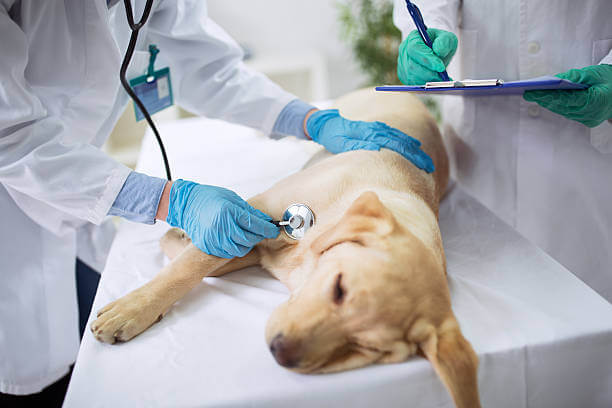
Having the right tools and accessories makes shedding season tips more effective and efficient. Using breed-appropriate tools and keeping them clean ensures that grooming sessions remove the maximum amount of hair while reducing stress for your dog.
Deshedding Tools
- Undercoat rakes: Remove loose undercoat hair in double-coated breeds.
- Furminator or specialized deshedding tools: Reduce shedding by reaching deep into the coat.
- Grooming gloves: For sensitive dogs, gloves allow gentle removal of loose fur.
Highlight Tips:
- Match the tool to your dog’s coat type and length.
- Clean tools after every session to prevent hair buildup and allergens.
- Use gloves for anxious dogs to make grooming feel like play.
Home Management Accessories
- Lint rollers or sticky sheets: Remove stray hairs from furniture and clothing.
- Vacuum with pet hair attachments: Keeps floors, carpets, and upholstery free from loose fur.
- Washable bedding and blankets: Easy to clean and reduces indoor hair accumulation.
Highlight Tips:
- Keep grooming tools organized in one location to streamline routines.
- Rotate tools seasonally to match shedding cycles.
- Reward your dog after grooming to create a positive experience.
Additional Tips for Shedding Season
- Inspect your dog’s skin regularly for dryness, redness, or irritation.
- Maintain a consistent brushing schedule to prevent hair matting and reduce loose hair indoors.
- Combine brushing with bath routines for maximum shedding control.
- Track shedding patterns to identify any unusual changes that may indicate health issues.
- Rotate grooming tools seasonally and clean them after each use.
Highlight Tips:
- Groom your dog during low-stress times of the day for better cooperation.
- Use positive reinforcement, such as treats or praise, to encourage patience during grooming.
- Limit outdoor exposure on days with high pollen or dust, which can worsen shedding.
Daily Shedding Management Routine
Maintaining a consistent grooming routine is key to effective shedding season tips. Daily attention helps minimize loose hair indoors, keeps your dog comfortable, and supports a healthy coat throughout the shedding season.
Morning Tasks
- Brush coat lightly: Remove overnight loose hair to prevent accumulation indoors.
- Inspect skin: Check for dryness, redness, or irritation.
- Wipe paws: Remove dirt, pollen, or small debris that could worsen shedding.
- Check water bowls and feeding areas: Cleanliness prevents hair sticking to surfaces.
Highlight Tips:
- Brush in the direction of hair growth to avoid irritating the skin.
- Use gentle strokes and short sessions for nervous dogs.
- Reward your dog with a small treat for cooperating.
Evening Tasks
- Spot clean coat: Address areas that collected hair during outdoor activities.
- Brush sensitive areas: Underbelly, tail, and behind the ears require extra attention.
- Check bedding: Remove hair and debris from sleeping areas to reduce indoor shedding.
- Reward and reinforce positive behavior: Keeps grooming sessions stress-free.
Secondary Keyword Placement: grooming routine
FAQ – Common Shedding Questions
Q1: How often should I brush my dog during shedding season?
- Long-haired and double-coated dogs benefit from daily brushing. Short-haired dogs can be brushed 2–3 times per week.
Q2: Can frequent baths increase shedding?
- Over-bathing can dry the skin and worsen shedding. Use hypoallergenic or shedding-control shampoos and avoid excessive bathing.
Q3: Which supplements help minimize shedding?
- Omega-3 fatty acids, vitamin E, biotin, and keratin support healthy skin and coat. Consult your veterinarian before introducing supplements.
Q4: How can I prevent hair from spreading indoors?
- Brush your dog regularly, wipe paws after walks, vacuum floors and furniture, and wash bedding frequently.
Q5: When should I worry about excessive shedding?
- Sudden hair loss, bald patches, itching, or dry skin may indicate health issues. Consult a veterinarian for assessment.
Highlight Tips:
- Keep a grooming log to track shedding changes over time.
- Observe environmental triggers like pollen, temperature changes, or diet adjustments.
Tools and Accessories for Daily Shedding Management
Using the right tools and accessories maximizes the effectiveness of your shedding season tips. Proper equipment ensures loose hair is removed efficiently, reduces indoor hair spread, and keeps grooming stress-free for both dog and owner.
Essential Grooming Tools
- Slicker brushes and undercoat rakes: Remove loose fur and prevent matting.
- Deshedding tools (Furminator): Reach deep undercoats for double-coated breeds.
- Grooming gloves: Allow gentle removal of hair while petting the dog.
- Combs and bristle brushes: Distribute natural oils for a healthy shine.
Highlight Tips:
- Match tools to your dog’s coat type and length for optimal results.
- Clean tools after each session to prevent allergen buildup.
- Rotate brushes seasonally to handle shedding cycles efficiently.
Home Management Accessories
- Lint rollers and sticky sheets: Quickly remove stray hairs from furniture and clothing.
- Vacuum with pet hair attachments: Essential for keeping floors and carpets clean.
- Washable bedding and blankets: Makes indoor hair management easier and more hygienic.
Highlight Tips:
- Keep tools in a designated area for easy access.
- Reward your dog after grooming to reinforce positive associations.
- Grooming gloves can double as a fun interactive petting session.
Daily Shedding Checklist
A daily checklist ensures consistent shedding management:
Morning:
- Brush coat lightly.
- Inspect skin and paws.
- Spot clean areas with dirt or pollen.
- Check water bowls and feeding areas.
Afternoon (optional):
- Quick brushing after outdoor play.
- Wipe paws and underbelly if exposed to dirt or grass.
Evening:
- Brush sensitive areas (underbelly, tail, behind ears).
- Clean bedding and remove loose fur.
- Inspect skin for irritation or dryness.
- Reward your dog for cooperation.
Highlight Tips:
- Keep grooming sessions short and positive for better results.
- Track grooming and shedding patterns to adjust routines as needed.
- Combine brushing with petting to make it a bonding experience.
Additional Shedding Season Tips
- Regularly monitor diet, skin, and coat health to prevent excessive shedding.
- Maintain a consistent grooming schedule for all seasons.
- Use deshedding shampoos or conditioners during peak shedding periods.
- Rotate grooming tools to match shedding cycles for efficiency.
- Keep grooming sessions stress-free with praise, treats, and gentle handling.
Highlight Tips:
- Groom your dog outdoors when possible to minimize indoor hair.
- Always reward calm behavior during grooming.
- Limit exposure to environmental irritants like pollen or dust.
Summary of Key Shedding Season Practices
- Brush daily or 2–3 times per week depending on coat type.
- Bathe with hypoallergenic or deshedding shampoos.
- Maintain proper nutrition and supplements for coat health.
- Inspect skin, ears, eyes, and paws regularly.
- Use breed-appropriate deshedding tools and grooming accessories.
- Keep bedding, furniture, and floors clean with lint rollers and vacuums.
- Track shedding patterns and adjust grooming routines accordingly.
- Make grooming positive and stress-free for your dog.
By implementing these steps, dog owners can effectively manage shedding, reduce hair indoors, and maintain a healthy, shiny coat throughout the season. Regular attention to grooming, nutrition, and skin care ensures a comfortable, happy dog and a cleaner home environment.
Conclusion
Effectively managing shedding requires a combination of proper grooming, nutrition, and daily care. By following consistent shedding season tips, dog owners can minimize loose hair, maintain a healthy coat, and keep their home clean. Regular brushing, bathing with appropriate shampoos, targeted supplements, and seasonal adjustments in grooming routines all contribute to reducing hair loss while supporting skin and coat health.
Using the right tools and accessories, such as deshedding brushes, grooming gloves, and lint rollers, makes daily care efficient and stress-free. Observing your dog’s coat, skin, and behavior allows early detection of issues and ensures that your pet remains comfortable throughout shedding periods.
A structured, positive grooming routine not only helps control hair around the home but also strengthens the bond between you and your dog. By combining patience, consistency, and the right techniques, shedding season can be transformed from a frustrating chore into a manageable, rewarding part of caring for your dog.
