

Keeping your dog’s paws clean plays a critical role in daily hygiene, comfort, and long-term health. When done correctly, Paw Cleaning Tips help reduce dirt buildup, limit bacteria exposure, and prevent common skin issues that many dog owners overlook.
This article is designed to guide beginner and intermediate dog owners through a practical, easy-to-follow paw care system at home. You’ll learn how to clean your dog’s paws safely, understand paw structure, and build habits that fit naturally into everyday life without stress or confusion.
Why Paw Cleanliness Matters for Everyday Dog Health
Paw care is often underestimated because paws appear tough and resilient. In reality, they are one of the most exposed and vulnerable parts of a dog’s body. Every walk, backyard break, or play session exposes paws to bacteria, chemicals, moisture, and abrasive surfaces. Consistent Paw Cleaning Tips help minimize these risks and support overall well-being.
Many professionals recommend treating paw hygiene as a daily habit rather than a reaction to visible dirt. Clean paws reduce indoor contamination, lower the chance of skin irritation, and make it easier to notice early warning signs before they become serious problems.
Key reasons paw cleanliness matters
- Reduces bacteria transfer from outdoors to your home
- Helps prevent excessive licking and chewing
- Protects sensitive skin between toes
- Improves comfort during rest and sleep
Common contaminants found on dog paws
Dogs step on far more than just grass and dirt. Even short walks expose paws to substances that can irritate skin or trigger reactions over time.
Outdoor contaminants commonly include:
- Bacteria from soil, puddles, and public areas
- Pollen and allergens that cling to fur
- Sharp debris like tiny stones or plant material
Indoor and urban contaminants often include:
- Cleaning product residue on floors
- Lawn treatments and fertilizers
- Road chemicals from sidewalks and parking areas
Over time, these substances accumulate in paw pads and between toes, especially if not removed regularly.
Health risks of neglected paws
Skipping regular cleaning can lead to gradual issues that are easy to miss at first. Many dogs show discomfort subtly, making prevention especially important.
Potential problems include:
- Redness or inflammation between toes
- Dry, cracked paw pads
- Bacterial or fungal skin irritation
- Increased licking that worsens skin damage
If issues persist or worsen, many professionals advise consulting a licensed veterinarian to rule out infections or allergies.
How paw hygiene impacts overall wellness
Clean paws don’t just affect the feet. They influence your dog’s entire daily experience.
Positive effects of good paw hygiene:
- Fewer allergens brought indoors
- Better traction on floors
- Improved sleep quality due to comfort
- Easier grooming and handling
Dogs with clean, comfortable paws tend to move more confidently and relax more easily after activity.
Understanding Your Dog’s Paw Structure Before Cleaning
Before applying any cleaning routine, understanding basic paw anatomy helps prevent accidental discomfort. Dogs’ paws are complex structures designed for movement, balance, and protection. Knowing what each part does allows you to apply care safely and effectively while following practical Paw Cleaning Tips.
Paw pads and their protective role
Paw pads act as shock absorbers, protecting joints and bones during movement. They are thick but sensitive and can react to extreme temperatures or harsh surfaces.
Important characteristics of paw pads:
- Naturally textured for traction
- Sensitive to heat and cold
- Prone to dryness if overcleaned
When cleaning pads:
- Avoid scrubbing aggressively
- Use gentle pressure only
- Always dry thoroughly to prevent cracking
Fur between toes and debris buildup
The fur between a dog’s toes often traps moisture, dirt, and debris. This area is especially vulnerable to irritation if neglected.
Why this area needs attention:
- Moisture encourages bacterial growth
- Small debris can cause friction
- Matting increases discomfort
Light trimming may help some dogs, especially those with longer coats. If unsure, many professionals recommend having grooming done by a trained specialist.
Nail beds and surrounding skin
The skin around nail beds is sensitive and can easily become inflamed. Dirt buildup here often goes unnoticed until irritation develops.
Watch for early warning signs:
- Redness near nail edges
- Swelling or warmth
- Reluctance to have paws handled
When cleaning near nail beds:
- Use a soft cloth or gentle wipe
- Avoid soaking nails unnecessarily
- Keep sessions short and calm
Understanding paw structure makes every cleaning session safer and more effective.
Proven Paw Cleaning Tips for After Walks and Outdoor Play
Post-walk care is one of the most important moments for paw hygiene. Dirt and bacteria settle quickly after activity, especially if dogs lie down or groom themselves immediately. Applying Paw Cleaning Tips right after walks helps prevent irritation before it starts.
Best practices for post-walk cleaning
- Clean paws before your dog rests
- Address moisture every time
- Keep supplies easily accessible
Consistency matters more than perfection. Even a short cleaning routine can make a big difference when done regularly.
Cleaning dog paws after walks safely
Not every walk requires a deep clean. The goal is to remove surface contaminants without stripping natural oils.
Quick cleaning is usually enough when:
- Walks are short
- Surfaces are dry
- No visible dirt is present
Deeper cleaning may be needed when:
- Paws are visibly muddy
- Your dog walked through water
- You notice debris stuck between toes
After cleaning, always dry paws completely using a soft towel. Damp paws can cause more problems than dirty ones.
Dealing with wet, muddy, or sandy paws
Certain environments require extra care. Mud, sand, and moisture can quickly irritate skin if left in place.
Helpful strategies include:
- Rinsing paws with lukewarm water
- Gently removing debris before drying
- Checking between toes carefully
For homes with frequent outdoor exposure, setting up a simple paw-cleaning station near the door can save time and reduce mess.
Making post-walk cleaning stress-free
Many dogs resist paw handling because they associate it with discomfort or restraint. Creating positive experiences helps build cooperation.
Ways to reduce stress:
- Keep sessions short
- Use calm, reassuring tones
- Reward cooperation with praise or treats
A relaxed approach builds trust and makes paw care easier over time.
Simple at-home paw station setup
A basic setup doesn’t require special equipment.
Essentials include:
- Soft towel
- Shallow container or cloth
- Easy-to-clean surface
Keeping everything in one place encourages consistency and reduces skipped sessions.
Building paw care into a complete hygiene routine
Paw cleaning works best when integrated into overall home hygiene. Many owners find it helpful to connect paw care with other daily habits, such as brushing or wiping down fur.
For a broader at-home hygiene system, you can reference this practical guide:
👉 Dog Hygiene at Home Made Easy
This approach helps keep routines simple, predictable, and sustainable.
Common signs your current routine needs adjustment
- Persistent licking after walks
- Red or irritated skin
- Strong odors from paws
- Resistance to paw handling
Adjusting technique or frequency often resolves minor issues before professional help is needed.
Practical reminders for consistent results
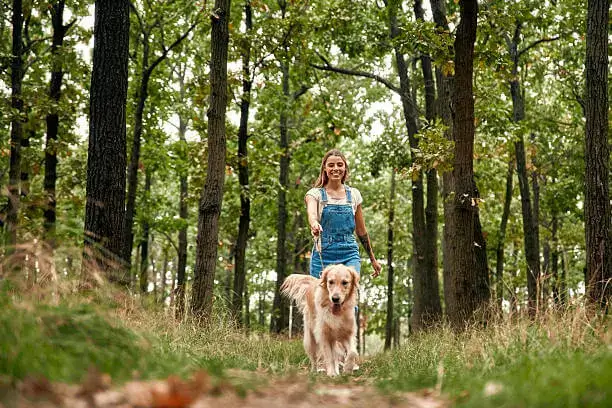
Do:
- Clean paws regularly
- Dry thoroughly every time
- Observe paws closely
Avoid:
- Harsh scrubbing
- Skipping drying
- Using unsuitable products
Small habits repeated daily create the biggest long-term impact.
Choosing the Right Paw Cleaning Method for Your Dog
Not every dog responds well to the same cleaning approach. Choosing the right method is a key step in building consistent, stress-free hygiene habits. Effective Paw Cleaning Tips should always match your dog’s size, coat type, activity level, and tolerance for handling.
Some dogs prefer quick dry cleaning, while others tolerate water-based methods without hesitation. The goal is not to follow a “perfect” routine, but to choose a method that you can realistically maintain every day.
Key factors to consider before choosing a method
- Your dog’s activity level and environment
- Coat length and fur density around the paws
- Sensitivity to water or handling
- Frequency of outdoor exposure
Many professionals recommend starting simple and adjusting only when needed.
Dry cleaning vs water-based cleaning
Both dry and wet methods have their place in everyday paw care. Knowing when to use each prevents overcleaning while still maintaining hygiene.
Dry cleaning works best when:
- Walks are short and on clean surfaces
- Paws are dusty but not muddy
- Your dog dislikes water
Common dry-cleaning options include:
- Soft towels
- Gentle brushing
- Disposable or reusable wipes
Water-based cleaning is more effective when:
- Paws are muddy or sticky
- Your dog walked through puddles
- Debris is stuck between toes
When using water:
- Always choose lukewarm temperature
- Avoid soaking longer than necessary
- Dry thoroughly afterward
Overusing water can strip natural oils, so balance is essential.
At-home cleaning setups that support consistency
Where you clean your dog’s paws matters more than many owners realize. A convenient setup encourages daily follow-through.
Entryway setups work well because:
- Dirt is contained near the door
- Cleaning happens immediately after walks
- Supplies stay visible and accessible
Bathroom setups may be better if:
- Your dog needs rinsing often
- You live in a muddy or rainy area
- You need easy access to running water
Regardless of location, keep supplies minimal:
- One towel
- One cleaning method
- One consistent routine
Simplicity increases long-term success.
Essential Paw Cleaning Tips Using Safe Tools and Products
The tools you choose directly affect how effective and comfortable your routine becomes. Low-quality or unsuitable products can cause irritation or make your dog resistant to cleaning. Using safe, purpose-built tools reinforces reliable Paw Cleaning Tips without unnecessary discomfort.
Many professionals recommend avoiding harsh materials and focusing on gentle, dog-specific products.
What makes a paw cleaning tool “safe”
Before adding any product to your routine, evaluate it based on comfort and practicality.
Safe tools typically:
- Have soft, flexible surfaces
- Are easy to clean or replace
- Do not trap moisture after use
Avoid tools with:
- Rough bristles
- Sharp edges
- Strong chemical odors
Your dog’s reaction is often the best indicator of suitability.
Must-have dog paw cleaning tools
You don’t need many tools to maintain good hygiene. A few well-chosen items are enough for most households.
Common essentials include:
- Soft microfiber towels
- Gentle paw brushes
- Portable paw cleaning cups
Portable cleaners are especially helpful for:
- Apartment living
- Travel
- High-traffic outdoor environments
Choose tools that are easy to rinse and dry between uses to prevent bacteria buildup.
Are paw wipes for dogs effective?
Paw wipes are popular because they’re convenient, but they are not a universal solution.
Wipes are useful when:
- You need a quick clean
- Paws are lightly dirty
- Water access is limited
Wipes may be insufficient when:
- Mud is thick or sticky
- Debris is trapped between toes
- Paws are soaked
When selecting wipes:
- Look for fragrance-free options
- Avoid alcohol-based formulas
- Check ingredient transparency
If irritation occurs, discontinue use and consult a licensed professional.
Avoiding Common Paw Cleaning Mistakes at Home
Even with good intentions, small mistakes can reduce the effectiveness of your routine or cause discomfort. Understanding what to avoid is just as important as knowing what to do.
Overwashing and skin damage
Cleaning too often or too aggressively is one of the most common issues. While hygiene is important, overcleaning can strip protective oils and weaken the skin barrier.
Signs of overwashing include:
- Dry or flaky paw pads
- Increased licking after cleaning
- Sensitivity during handling
How to maintain balance:
- Match cleaning intensity to activity level
- Use water only when necessary
- Allow natural oils to do their job
Moderation keeps paws resilient.
Ignoring moisture between toes
Moisture trapped between toes is a leading cause of irritation. Many issues develop not from dirt, but from dampness left behind after cleaning.
Why drying matters:
- Moist environments encourage bacteria
- Skin softens and becomes more vulnerable
- Odors develop faster
Best drying habits:
- Pat dry instead of rubbing
- Check between each toe
- Use a clean towel every time
Never rush the drying step, even after quick cleans.
Using unsuitable household products
Some owners use household wipes or cleaners without realizing the risk.
Avoid products that:
- Contain bleach or ammonia
- Are designed for floors or surfaces
- Have strong fragrances
Dogs often lick their paws, increasing the chance of ingestion. When in doubt, choose products made specifically for pets.
Skipping observation during cleaning
Cleaning time is also inspection time. Skipping observation means missing early warning signs.
Look for:
- Redness or swelling
- Cuts or abrasions
- Changes in texture or smell
Early detection allows you to adjust care before issues escalate.
Reinforcing good habits through routine
Consistency transforms paw cleaning from a chore into a habit. Dogs adapt quickly to predictable routines when handled calmly and confidently.
Helpful habit-building tips:
- Clean paws at the same time each day
- Use the same location consistently
- Keep sessions calm and brief
Over time, most dogs become more cooperative as they learn what to expect.
When to seek professional guidance
While home care covers most needs, some situations require expert input.
Consult a licensed professional if you notice:
- Persistent redness or swelling
- Open sores or discharge
- Sudden sensitivity to touch
Many professionals recommend addressing concerns early rather than waiting for symptoms to worsen.
Seasonal Paw Cleaning Tips for Year-Round Protection
Seasonal changes significantly affect your dog’s paw health. Temperature shifts, moisture levels, and environmental chemicals all influence how often and how thoroughly paws should be cleaned. Adjusting your routine with flexible Paw Cleaning Tips helps prevent irritation before seasonal issues develop.
Many professionals recommend adapting paw care based on weather rather than following a single routine year-round. Small seasonal adjustments often make the biggest difference in long-term comfort.
Rainy and muddy seasons
Wet conditions increase the risk of trapped moisture, bacteria growth, and slipping indoors. During rainy months, paws require more attention even after short outdoor breaks.
Common challenges during wet seasons
- Mud packed between toes
- Damp fur that doesn’t dry naturally
- Increased indoor mess
Helpful muddy paw prevention strategies
- Clean paws immediately after coming inside
- Remove visible mud before it dries
- Dry thoroughly between every toe
Practical tips
- Keep an absorbent towel near the door
- Use a shallow rinse only when needed
- Avoid letting dogs lie down before paws are dry
Consistency during wet weather prevents lingering odor and skin irritation.
Cold weather challenges
Winter introduces different risks, especially in urban areas. Cold surfaces, ice, and road treatments can irritate paw pads and skin.
Cold-weather risks include
- Dry or cracked pads
- Residue from salt or ice melt
- Reduced circulation in extreme cold
Winter paw protection basics
- Wipe paws after every walk
- Remove residue promptly
- Dry pads completely
If your dog shows discomfort such as limping or excessive licking, reduce exposure time and inspect paws closely.
If irritation persists despite routine care, consult a licensed professional for evaluation.
Daily Paw Cleaning Checklist, FAQs, and Routine Tips
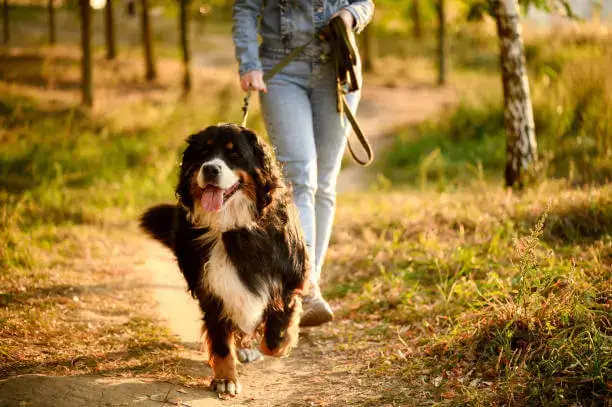
Consistency is the foundation of successful paw care. A simple routine built around realistic habits ensures that hygiene stays manageable long-term. Applying structured Paw Cleaning Tips daily reduces guesswork and improves early issue detection.
Daily and weekly paw cleaning checklist
Use this checklist as a flexible guide rather than a strict rulebook.
Daily quick-check routine
- Visual inspection of all four paws
- Quick wipe or light rinse if needed
- Thorough drying between toes
Weekly deeper care
- Inspect paw pads for cracks
- Check fur between toes for debris
- Observe nail bed skin condition
These small checks often take less than two minutes and prevent larger issues.
Signs your routine is working well
- Minimal licking after walks
- No redness or swelling
- Comfortable walking on different surfaces
If any signs change, adjust frequency or technique rather than stopping care altogether.
Frequently asked questions about paw cleaning
How often should dog paws be cleaned?
Most dogs benefit from light cleaning after walks and a quick daily inspection. Deeper cleaning is usually needed only after muddy or wet exposure.
Is daily cleaning too much for sensitive dogs?
Not necessarily. Gentle wiping combined with proper drying is usually well tolerated. Avoid overusing water unless needed.
What if my dog resists paw handling?
Start slow. Short sessions, calm tones, and positive reinforcement help dogs associate paw care with comfort.
Can seasonal changes affect paw sensitivity?
Yes. Weather shifts often change skin moisture levels and exposure risks. Adjust routines accordingly.
When should I seek professional advice?
If you notice persistent redness, swelling, sores, or changes in walking behavior, consult a licensed veterinarian or grooming professional.
Building a stress-free long-term routine
The best routines are simple and repeatable. Dogs adapt quickly when care happens predictably and calmly.
Tips for long-term success
- Clean paws at the same time each day
- Use the same location consistently
- Keep sessions short and relaxed
Avoid turning paw care into a struggle. Calm handling builds trust and cooperation over time.
Final practical reminders
Do
- Observe paws closely
- Dry thoroughly every time
- Adjust routines by season
Avoid
- Rushing the drying step
- Using unsuitable household products
- Ignoring early warning signs
Simple, consistent habits protect your dog’s comfort year-round.
