

Grooming for allergy-prone dogs is essential for maintaining their health, comfort, and overall happiness. Dogs with sensitive skin or environmental allergies need more than standard grooming. They require gentle handling, specialized products, and a well-planned routine to prevent itching, redness, and hair loss. This guide provides practical, stress-free steps to manage allergic reactions while protecting your dog’s sensitive skin and coat.
Whether you are a new dog owner or caring for a senior dog with chronic sensitivities, these proven techniques simplify grooming and help prevent common skin problems. You will learn how to select the right shampoos, brushes, and grooming methods that keep your dog comfortable year-round. By incorporating these strategies, your allergy-prone dog can enjoy a healthier coat, less irritation, and more comfort during grooming sessions.
For additional seasonal grooming tips, check out Essential Seasonal Grooming Tips for Every Dog.
Understanding Allergy-prone Dogs
Allergic reactions in dogs can range from mild itching to severe skin problems. Understanding what triggers allergies is critical for effective grooming. Dogs can develop sensitivities to environmental factors, food ingredients, or even certain grooming products. By recognizing early symptoms, you can create a safer, more effective grooming routine for your allergy-prone dog.
Common Allergy Triggers
Knowing the triggers is the first step in managing grooming for allergy-prone dogs. Common causes include:
- Environmental allergens: Pollen, mold, dust mites, and grass can all irritate sensitive skin. Dogs that spend time outdoors may carry these allergens into your home.
- Food sensitivities: Some proteins or additives in dog food can contribute to skin irritation. Watch for consistent flare-ups after feeding specific foods.
- Grooming products: Certain shampoos, conditioners, or sprays may contain harsh chemicals that worsen allergies. Hypoallergenic options are safer for sensitive skin.
Tips:
- Keep a journal of flare-ups to identify patterns.
- Use wipes or a damp cloth to clean paws and coat after outdoor play.
- Introduce new products gradually to observe any reactions.
Recognizing Symptoms
Identifying allergy symptoms early can prevent chronic issues. Look for:
- Itching and scratching: Frequent scratching, especially around the ears, paws, or tail base, is a common sign.
- Redness and inflammation: Discoloration or swollen patches may indicate irritation or infection.
- Hair loss and hot spots: Repeated scratching can cause hair thinning or localized sores.
Tips:
- Check your dog’s skin weekly for redness, bumps, or flakes.
- Bathe and brush your dog gently to avoid aggravating sensitive areas.
- If symptoms persist, consult a veterinarian for professional advice.
Importance of Early Detection
Catching allergic reactions early is vital for your dog’s wellbeing. Proper monitoring prevents long-term skin damage and discomfort.
- Prevent chronic skin issues: Untreated allergies can lead to infections and permanent skin changes.
- Monitor coat and skin health: Keep track of changes in coat texture, shedding patterns, and skin condition to adjust grooming routines accordingly.
Tips:
- Schedule regular grooming sessions, even for short coats.
- Use a gentle comb or brush to spot irritations.
- Keep a record of any new symptoms and consult professionals if needed.
Choosing the Right Grooming Tools
Selecting the right grooming tools is essential for allergy-prone dogs. The wrong tools can cause pain, hair breakage, or exacerbate allergic reactions. Gentle, effective grooming equipment ensures comfort while maintaining coat health.
Brushes and Combs
Different brushes suit different coat types. Choose tools that minimize irritation:
- Slicker brushes: Ideal for removing loose hair without pulling on sensitive skin.
- Soft bristle brushes: Perfect for dogs with short or thin coats, or those prone to skin irritation.
- Metal combs: Useful for detangling mats gently, especially in longer coats.
Tips:
- Brush in the direction of hair growth to avoid discomfort.
- For double-coated breeds, use an undercoat rake for shedding without scratching skin.
- Always start brushing slowly and reward your dog with treats.
Grooming Accessories
In addition to brushes, other grooming accessories help maintain a low-allergen routine:
- Hypoallergenic gloves: Gentle for bathing and massaging sensitive dogs.
- Non-slip grooming mats: Ensure your dog is stable during grooming sessions.
- Nail clippers and trimming tools: Regular nail care prevents injury and discomfort.
Tips:
- Keep all tools clean to reduce the risk of infection.
- Introduce new accessories gradually to reduce stress.
- Use gloves for dogs that dislike direct brushing contact.
Cleaning and Maintenance
Proper maintenance of grooming tools is crucial for allergy-prone dogs:
- Sanitize brushes regularly: Prevent cross-contamination of allergens or bacteria.
- Prevent cross-contamination: Use separate brushes for different dogs if you have multiple pets.
Tips:
- Soak brushes in warm, soapy water weekly and air-dry thoroughly.
- Wipe down grooming mats after each session.
- Store grooming tools in a clean, dry place.
Bathing Techniques for Sensitive Dogs
Bathing is a cornerstone of grooming for allergy-prone dogs. However, excessive or improper washing can worsen irritation. Using the right techniques and products keeps skin healthy, removes allergens, and maintains a shiny coat.
Selecting the Right Shampoo
The type of shampoo is critical for dogs with sensitive skin:
- Hypoallergenic shampoos: Formulated to reduce irritation and inflammation.
- Avoid harsh chemicals: Fragrances and sulfates can worsen allergic reactions.
- Natural or oatmeal-based options: Soothe itchy skin while cleansing gently.
Tips:
- Test new shampoos on a small patch before full application.
- Choose shampoos with moisturizers to prevent dryness.
- Rotate shampoos seasonally to address specific needs like shedding or moisture retention.
Bathing Frequency and Technique
Proper bathing frequency prevents irritation without stripping natural oils:
- Recommended bath schedule: Generally once every 3–4 weeks, unless advised otherwise by a vet.
- Proper water temperature and rinsing: Lukewarm water prevents discomfort; rinse thoroughly to remove residue.
- Towel vs. blow-drying: Towel-dry gently; use a low-heat dryer only if the dog tolerates it.
Tips:
- Keep bath time calm and rewarding with treats.
- Focus on problem areas like paws, ears, and underbelly.
- Avoid hot water that can aggravate sensitive skin.
Post-Bath Skin Care
After bathing, additional steps keep sensitive skin healthy:
- Moisturize sensitive areas: Use vet-approved sprays or conditioners for dry patches.
- Spot treatment for irritation: Apply gentle medicated ointments on red or itchy areas.
- Monitor for reactions: Check skin over the next 24–48 hours for any flare-ups.
Tips:
- Brush coat gently after drying to prevent tangles.
- Maintain a regular grooming diary to track improvements or flare-ups.
- If problems persist, consult a veterinarian to rule out underlying conditions.
Summary Highlights:
- Understanding allergy triggers and early detection is key.
- Selecting the right grooming tools and accessories prevents irritation.
- Proper bathing techniques and post-bath care reduce allergic reactions.
- Use hypoallergenic shampoos, soft brushes, and gentle routines.
- Regular monitoring ensures long-term skin and coat health.
Managing Seasonal Shedding
Seasonal shedding is a major concern for allergy-prone dogs. Grooming for allergy-prone dogs during shedding seasons helps reduce allergens, prevents hair buildup, and maintains coat health. Dogs often shed more in spring and fall, and this excess hair can aggravate allergies if not managed properly. By understanding your dog’s shedding patterns and using targeted grooming techniques, you can keep your home cleaner and your dog more comfortable.
Seasonal Coat Changes
Dogs naturally shed their coats to adjust to temperature changes. Allergy-prone dogs may experience:
- Increased shedding in spring: Winter undercoats fall out to make way for lighter summer coats.
- Thick undercoat loss in fall: Preparing for winter insulation requires removal of summer hair.
- Changes in coat texture: Sensitive dogs may develop dry or brittle hair if allergens are present.
Tips:
- Observe your dog’s coat monthly to anticipate heavy shedding periods.
- Adjust brushing frequency according to shedding intensity.
- Combine grooming with a hypoallergenic shampoo to soothe skin.
Reducing Allergens During Shedding
Managing shedding helps minimize allergic reactions at home:
- Regular brushing: Use slicker or soft bristle brushes daily during peak shedding.
- Vacuuming and cleaning: Keep living spaces free from accumulated hair and dander.
- Bedding maintenance: Wash pet bedding weekly in hot water to reduce allergens.
Tips:
- Focus on problem areas like underbelly, neck, and tail base.
- Use grooming gloves for gentle hair removal during petting.
- Rotate brushes for multi-dog households to prevent cross-contamination.
Brushing Frequency Adjustments
- Short-haired breeds: 2–3 times per week may suffice.
- Long-haired breeds: Daily brushing prevents tangles and hair mats.
- Double-coated dogs: Use an undercoat rake weekly to remove loose hair without irritating skin.
Tips:
- Brush before bathing to remove dead hair and allergens.
- Reward your dog with treats to encourage cooperation.
- Keep sessions short for sensitive dogs to prevent stress.
Dietary Support for Allergy-prone Dogs
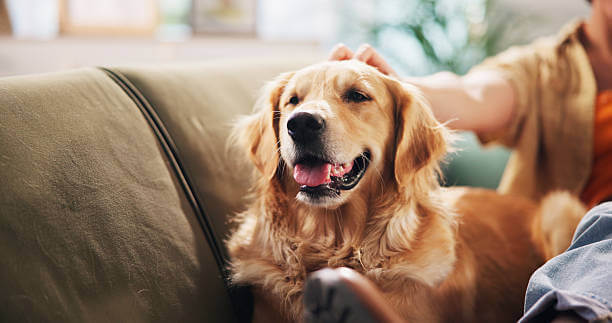
Nutrition plays a vital role in grooming for allergy-prone dogs. A healthy diet strengthens the skin barrier, reduces inflammation, and promotes a shiny coat. Certain foods and supplements are particularly beneficial for dogs prone to allergies.
Foods that Reduce Inflammation
- Omega-3 fatty acids: Found in fish oil, flaxseed, and some specialized dog foods, omega-3s reduce inflammation and itching.
- Limited ingredient diets: Reduces exposure to potential food allergens like grains or artificial additives.
- High-quality proteins: Lean meats support skin and coat health without triggering sensitivities.
Tips:
- Introduce new foods gradually to monitor reactions.
- Consult a veterinarian before switching diets for dogs with chronic allergies.
- Combine diet with grooming routines for maximum impact.
Supplements for Skin Health
- Fish oil capsules: Provide essential fatty acids for coat shine and skin elasticity.
- Probiotics: Support gut health, which can influence skin condition.
- Vitamin E or biotin: Enhances skin barrier function and prevents dryness.
Tips:
- Use vet-approved supplements only, following recommended dosages.
- Monitor for improvements in coat texture over several weeks.
- Keep a log of dietary changes to correlate with skin condition improvements.
Diet and Grooming Connection
- Hydration: Adequate water intake maintains skin moisture and supports grooming efforts.
- Allergy flare-up management: Foods rich in antioxidants help reduce oxidative stress on skin.
- Seasonal adjustments: Increase omega-3s in shedding seasons to soothe irritation.
Tips:
- Feed a balanced diet tailored to your dog’s breed, age, and health status.
- Incorporate treats that support skin health without added allergens.
- Review diet with your vet at least twice a year for allergy-prone dogs.
Creating a Low-Allergen Home Environment
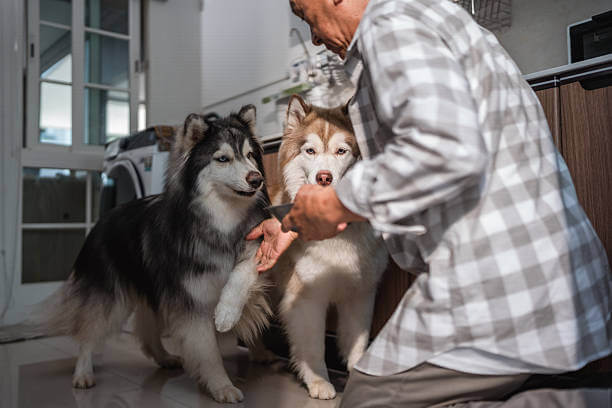
Minimizing environmental allergens is a crucial part of grooming for allergy-prone dogs. Even with regular brushing and bathing, exposure to dust, pollen, and mold can trigger reactions. A clean, well-ventilated home reduces irritation and complements grooming routines.
Cleaning Routines
- Vacuuming: Use HEPA filters to capture hair and dander effectively.
- Washing bedding: Wash dog beds, blankets, and toys weekly in hot water.
- Surface cleaning: Wipe floors, furniture, and pet areas to remove accumulated allergens.
Tips:
- Keep grooming tools separate from common living spaces.
- Use lint rollers for quick hair removal on furniture.
- Encourage dogs to stay off heavily carpeted areas during shedding seasons.
Air Filtration and Ventilation
- Air purifiers: HEPA-equipped units reduce airborne allergens significantly.
- Open windows: Improve air circulation, but avoid peak pollen times.
- Humidity control: Maintain 40–60% humidity to prevent dry skin and allergen buildup.
Tips:
- Place air purifiers in areas where dogs spend most of their time.
- Avoid using heavily scented candles or sprays that can irritate sensitive dogs.
- Regularly clean air filters to maintain efficiency.
Routine Monitoring
- Observe behavioral signs: Excess scratching, paw licking, or rubbing against furniture may indicate environmental irritation.
- Grooming diary: Track shedding, flare-ups, and environmental changes.
- Consult professionals: Persistent reactions may require vet assessment or allergen testing.
Tips:
- Maintain consistent cleaning and grooming schedules.
- Adjust routines seasonally according to allergen levels.
- Reward your dog for tolerating environmental and grooming adjustments.
Summary Highlights:
- Seasonal shedding requires daily attention and proper brushing.
- Diet and supplements play a key role in supporting sensitive skin.
- Low-allergen home environments complement grooming routines.
- Hydration, balanced nutrition, and monitoring reduce flare-ups.
- Cleaning, ventilation, and air filtration help minimize allergic reactions.
Professional Grooming Tips for Sensitive Dogs

For allergy-prone dogs, professional grooming can complement at-home care. Many owners find that working with a skilled groomer reduces skin irritation, improves coat health, and keeps allergens under control. Grooming for allergy-prone dogs requires selecting a professional who understands sensitive skin, hypoallergenic products, and gentle handling techniques.
Choosing a Groomer
Selecting the right groomer is crucial for sensitive dogs:
- Check credentials: Look for certified groomers experienced with allergy-prone dogs.
- Ask about products: Ensure the groomer uses hypoallergenic shampoos and conditioners.
- Observe handling techniques: The groomer should handle your dog calmly, avoid harsh brushing, and pay attention to problem areas.
Tips:
- Schedule a consultation before the first grooming session.
- Bring your dog’s favorite brush or grooming tool to maintain familiarity.
- Discuss your dog’s specific allergies and sensitivities in detail.
Scheduling Appointments
Regular appointments help maintain coat and skin health:
- Frequency: Depending on breed and coat type, every 4–6 weeks is typical.
- Seasonal adjustments: Increase grooming sessions during heavy shedding periods or allergy seasons.
- Consistency: Keeping a routine reduces stress and helps the groomer monitor skin changes.
Tips:
- Align appointments with at-home grooming schedule to reinforce care.
- Keep a record of products and techniques used by the groomer.
- Reward your dog after each session to build positive associations.
Professional Bathing and Treatments
- Medicated shampoos: Can be used for dogs with skin irritation or recurring infections.
- Moisturizing treatments: Prevent dryness and flaking in sensitive dogs.
- Allergen removal: Professional grooming often includes deep brushing and coat cleaning to remove trapped allergens.
Tips:
- Ask the groomer to focus on sensitive areas like paws, underbelly, and ears.
- Discuss any observed flare-ups with the groomer to adjust care.
- Consider professional grooming as a supplement, not a replacement, for daily at-home routines.
Daily Grooming Checklist & FAQs
Daily grooming is essential for managing allergies, maintaining coat health, and reducing irritants. A structured routine ensures your dog remains comfortable and healthy.
Daily Brushing Routine
- Morning brush: Remove overnight loose hair and debris.
- Evening touch-up: Focus on high-sensitivity areas like paws and underbelly.
- Quick inspection: Check for redness, bumps, or signs of irritation.
Tips:
- Use gentle brushes suitable for sensitive skin.
- Reward your dog with treats during and after brushing.
- Keep sessions short to avoid stress while maintaining consistency.
Spot Cleaning and Monitoring
- Paw care: Wipe paws after walks to remove pollen, dirt, and potential allergens.
- Face and ear cleaning: Use damp cloths or hypoallergenic wipes to prevent irritation.
- Coat check: Look for mats, tangles, or hotspots that may require attention.
Tips:
- Keep grooming wipes in multiple areas of the house for convenience.
- Incorporate these tasks into playtime to make them less stressful.
- Track problem areas to discuss with your veterinarian if issues persist.
FAQs About Grooming for Allergy-prone Dogs
Q1: How often should I bathe my allergy-prone dog?
A1: Most sensitive dogs benefit from a bath every 3–4 weeks using hypoallergenic shampoos. Over-bathing can dry out the skin, while under-bathing may allow allergens to accumulate. Adjust based on your dog’s reaction and vet recommendations.
Q2: Can diet affect my dog’s skin allergies?
A2: Yes. High-quality proteins, omega-3 fatty acids, and limited ingredient diets reduce inflammation and improve skin health. Supplements like fish oil and probiotics also support coat condition.
Q3: What are the best grooming tools for sensitive dogs?
A3: Soft bristle brushes, slicker brushes, and gentle metal combs are recommended. Hypoallergenic gloves and non-slip grooming mats enhance safety and comfort during grooming.
Q4: How do I know if my dog’s allergy symptoms require a vet visit?
A4: Persistent itching, redness, hair loss, hot spots, or infection signs warrant professional attention. Early intervention prevents chronic problems.
Q5: Can professional grooming reduce allergy flare-ups at home?
A5: Yes. Skilled groomers use hypoallergenic products and techniques that minimize skin irritation and remove allergens effectively, complementing daily home care.
Tips for FAQs:
- Keep answers concise and actionable.
- Incorporate primary keyword naturally in responses.
- Highlight practical steps for owners to follow.
Daily Grooming Checklist
Morning:
- Brush the coat gently, focusing on high-sensitivity areas
- Wipe paws and face with hypoallergenic wipes
- Inspect skin for redness, bumps, or irritation
Afternoon:
- Quick brushing of coat if shedding is heavy
- Remove debris from play or outdoor walks
- Hydrate dog to maintain skin moisture
Evening:
- Final touch-up brushing
- Check ears and paws for any allergen buildup
- Apply any vet-recommended topical treatments if needed
Weekly Add-ons:
- Wash bedding and blankets in hot water
- Clean grooming tools to prevent cross-contamination
- Use air purifiers or vacuum living spaces to reduce allergens
Tips:
- Use treats to create positive reinforcement during daily grooming
- Adjust checklist according to seasonal shedding or flare-ups
- Document observations to share with your groomer or vet
Summary
- Professional grooming complements daily at-home care for allergy-prone dogs.
- Selecting a skilled groomer and maintaining regular appointments helps prevent irritation.
- Daily brushing, spot cleaning, and routine monitoring are essential.
- A structured checklist ensures no steps are missed.
- FAQs address common concerns about bathing frequency, tools, diet, and professional grooming.
- Combining professional care with daily routines keeps sensitive dogs comfortable year-round.
