

Proper use of Grooming Accessories is essential for keeping your dog healthy, comfortable, and looking their best. The right tools—brushes, combs, nail care devices, and bathing aids—make grooming a stress-free experience while preventing common problems like mats, skin irritation, and overgrown nails. This guide explores essential accessories, practical tips, and step-by-step advice to create a safe and effective grooming routine at home. With these strategies, grooming becomes enjoyable for both you and your dog, protecting fur, nails, and overall hygiene.
Understanding Your Dog’s Grooming Needs
Before purchasing Grooming Accessories, you must understand your dog’s coat type, shedding patterns, and specific hygiene needs. This ensures the tools you choose are effective and safe.
Coat Types and Maintenance
Short-haired vs. long-haired dogs
- Short-haired dogs benefit from weekly brushing to remove loose hair and distribute natural oils.
- Long-haired dogs require daily grooming to prevent tangles, mats, and discomfort.
- Tip: Even short-haired dogs can develop skin irritation if brushed infrequently.
Double-coated breeds
- Breeds like Huskies, Samoyeds, or Golden Retrievers have dense undercoats.
- Use undercoat rakes and slicker brushes to remove loose fur effectively.
- Mini case study: A Golden Retriever’s daily brushing reduced shedding by 60% in one month.
Hypoallergenic coats
- Dogs with curly or fine hair, such as Poodles or Bichon Frises, need specialized combs to prevent matting.
- Regular grooming also reduces allergens in the home.
- Tip: Always comb out tangles gently to avoid skin irritation.
Shedding and Seasonal Needs
Recognizing shedding cycles
- Most dogs shed more heavily in spring and fall.
- Increase brushing frequency during these periods for comfort and hygiene.
Seasonal grooming adjustments
- Use undercoat rakes in heavy shedding seasons.
- Adjust grooming frequency according to coat thickness.
Tools to reduce hair around the house
- Slicker brushes, de-shedding tools, and vacuum attachments help manage loose hair.
- Pro tip: Brush your dog outside during heavy shedding to keep the home clean.
Health and Skin Considerations
Checking for mats and tangles
- Frequent grooming prevents painful mats, which trap dirt and moisture.
- Use slicker brushes or dematting combs for stubborn tangles.
Signs of skin irritation or infection
- Redness, bumps, or excessive scratching indicates potential problems.
- Adjust grooming frequency and accessories accordingly.
Grooming frequency recommendations
- Puppies: 3–5 minutes per session to introduce tools gradually.
- Adults: 10–20 minutes per session depending on coat type.
- Seniors: Short, gentle sessions to avoid stress.
Explore more tips on dog hygiene at home to complement your grooming routine.
Brushes and Combs
Choosing the right Grooming Accessories for brushing and combing is crucial. Proper tools remove loose fur, prevent mats, and stimulate skin circulation.
Types of Brushes
Slicker brushes for tangles and mats
- Fine, short wires close together penetrate deep into the coat.
- Removes mats without damaging the skin.
- Tip: Use light, gentle strokes to avoid scratching sensitive skin.
- Example: Long-haired Spaniels benefit from 5–10 minutes of daily slicker brushing.
Bristle brushes for short-haired dogs
- Ideal for sensitive skin.
- Removes loose hair while distributing natural oils for a shiny coat.
- Pro tip: Brush in short sessions to avoid overwhelming your dog.
Pin brushes for long coats
- Detangles gently without pulling.
- Works well for silky, straight, or wavy coats.
- Tip: Combine with a wide-tooth comb for finishing touches.
Undercoat rakes for double-coated breeds
- Removes loose undercoat efficiently.
- Reduces shedding and mat formation.
- Mini case study: A Husky’s undercoat rake session reduced furballs around the home by 70%.
Types of Combs
Wide-tooth combs for thick fur
- Detangles dense coats without breakage.
- Ideal for finishing after using slicker brushes.
- Tip: Start from the ends and work toward the roots.
Fine-tooth combs for finishing touches
- Smooths fur and removes small tangles.
- Best for sensitive areas like face, paws, and tail.
Dematting combs for severe mats
- Breaks up stubborn tangles safely.
- Works best after pre-brushing with a slicker brush.
Specialty combs
- Flea combs remove fleas, ticks, and debris.
- Pin-and-bristle combs are versatile for multiple coat types.
- Tip: Dip flea comb in soapy water to kill any fleas immediately.
Brushing Techniques
Brushing in the direction of hair growth
- Reduces discomfort and prevents hair breakage.
- Promotes a smooth, shiny coat.
Regular brushing schedule
- Short-haired dogs: 1–2 times weekly.
- Long-haired or double-coated dogs: daily brushing.
- Puppies: brief daily sessions (3–5 minutes).
Minimizing discomfort and stress
- Pair brushing with treats and positive reinforcement.
- Take breaks if your dog becomes anxious.
- Tip: Use puppy grooming kit tools for gentle introduction.
Nail Care Tools

Proper nail care is vital for paw health, mobility, and comfort. Using the right Grooming Accessories ensures safe trimming and reduces injury risk.
Types of Nail Clippers
Scissor-style clippers
- Best for medium to large breeds.
- Allows precise cuts for straight nails.
Guillotine-style clippers
- Ideal for small breeds with delicate nails.
- Cuts quickly with minimal pressure.
Electric grinders
- Smooths nail edges and prevents splintering.
- Gradual grinding avoids hitting the quick.
Nail Filing Tools
Manual files
- Gentle finishing for small dogs and puppies.
- Can remove sharp edges after clipping.
Electric rotary tools
- Efficient for senior dogs with thick or brittle nails.
- Tip: Introduce slowly to avoid noise anxiety.
Tips for gentle filing
- Work in short intervals to avoid heat buildup.
- Reward calm behavior with treats.
Safe Nail Trimming Practices
Identifying the quick
- Look for the blood vessel inside the nail.
- Trim in small increments to avoid bleeding.
Cutting in small increments
- Prevents accidental injury and builds confidence.
Rewarding calm behavior
- Praise, treats, and petting reinforce positive experiences.
Puppy Grooming Kit Essentials
A puppy grooming kit introduces young dogs to grooming in a safe and gentle way. Proper early exposure builds a lifetime of healthy grooming habits.
Soft Brushes for Puppies
- Use soft bristles to avoid irritating delicate skin.
- Short sessions of 3–5 minutes prevent fear of tools.
Finger Combs
- Helps introduce puppies to touch and grooming sensation.
- Works gently on small mats or tangles.
Puppy Nail Tools
- Small clippers or grinders for tiny nails.
- Reward calm behavior to make nail trimming a positive experience.
Bathing Accessories for Puppies
- Silicone scrubbers distribute shampoo gently.
- Non-slip mats ensure safety during bath time.
Grooming Tips for Puppies
- Always praise and reward cooperation.
- Gradually increase grooming duration as the puppy becomes comfortable.
Grooming Mats and Accessories
Grooming mats and organizational tools improve safety, efficiency, and stress-free grooming.
Non-slip Mats
- Prevent slipping during brushing, bathing, and nail trimming.
- Essential for senior dogs or nervous pets.
Elevated Grooming Tables
- Optional for frequent grooming of large breeds.
- Reduces strain for the groomer while keeping the dog secure.
Tool Storage Caddies
- Keep brushes, combs, and clippers organized.
- Quick access during grooming sessions reduces stress.
Cleaning and Maintenance
- Wash brushes and combs regularly to prevent bacteria buildup.
- Store tools in a dry, ventilated space to prolong lifespan.
Tips for Organization
- Dedicate a caddy per dog for multi-pet households.
- Label tools for coat type and use (slicker, undercoat rake, dematting comb).
Ear and Eye Grooming Accessories

Proper ear and eye care is essential to prevent infections and discomfort. Choosing the right Grooming Accessories ensures safe cleaning without irritation.
Ear Cleaning Tools
Cotton pads and balls
- Soft, absorbent, ideal for applying ear cleaning solutions.
- Tip: Avoid inserting deeply into the ear canal; clean only visible areas.
Dog-safe ear cleaning solutions
- Formulated to maintain natural ear pH.
- Helps dissolve wax and reduce odor.
- Mini case study: Regular use of ear solution in a Cocker Spaniel reduced odor and redness within two weeks.
Tips to prevent infection
- Clean ears weekly for most breeds; more often for floppy-eared dogs.
- Avoid human products, which can cause irritation.
- Reward your dog to create a stress-free routine.
Eye Care Tools
Soft wipes for tear stains
- Gently remove tear stains around eyes.
- Recommended for breeds prone to staining, like Maltese or Shih Tzus.
Gentle cleaning cloths
- Use damp, lint-free cloths to wipe the corners of the eyes.
- Avoid contact with the eyeball to prevent irritation.
Observing for irritation or redness
- Persistent discharge, redness, or swelling requires vet attention.
- Tip: Track changes weekly to catch issues early.
Bathing Accessories

Bathing becomes easier and safer with the right Grooming Accessories. Proper tools reduce stress and ensure thorough cleaning.
Shampoo Brushes
Silicone or rubber scrubbers
- Distribute shampoo evenly while massaging the skin.
- Prevents tangling and loosens dirt trapped in fur.
Even distribution of shampoo
- Start from the neck and work toward the tail.
- Mini tip: Use lukewarm water to maintain comfort.
Bath Mats and Tubs
Non-slip surfaces
- Prevent accidents during bathing.
- Essential for puppies, senior dogs, and nervous pets.
Size-appropriate tubs
- Small dogs: use sinks or small tubs.
- Large dogs: use full-sized tubs or outdoor hose stations.
- Tip: Elevate small dog tubs on counters to avoid back strain.
Drying Tools
Absorbent towels
- Microfiber towels remove moisture efficiently.
- Pat dry instead of rubbing to avoid tangling fur.
Low-heat dryers for sensitive dogs
- Avoid high heat that can burn skin.
- Quiet dryers reduce noise-related anxiety.
Quick-dry tips
- Towel first, then dryer if dog tolerates it.
- Comb gently while drying to prevent mats.
Dog Shampoo
Choosing the right shampoo
- Match shampoo to coat type (sensitive skin, hypoallergenic, medicated).
- Avoid human shampoos; dog pH is different.
Frequency of bathing
- Most dogs: once every 3–6 weeks.
- Long-haired or dirty dogs: may require weekly baths.
- Mini case study: Weekly bathing and brushing for a Golden Retriever reduced shedding by 40%.
Grooming Storage and Organization
Keeping Grooming Accessories organized ensures efficiency and prolongs tool life. Proper storage reduces stress during grooming.
Storage Solutions
Caddies and bins
- Keep brushes, combs, nail clippers, and bath tools in one place.
- Tip: Label items for quick access.
Wall-mounted organizers
- Save floor space in small grooming areas.
- Keeps tools dry and within reach.
Cleaning and Maintenance of Tools
Regular washing of brushes
- Prevent bacteria buildup and odors.
- Slicker brushes: remove trapped hair before washing.
Sharpening clippers and scissors
- Maintain cutting efficiency and reduce hair pulling.
- Mini tip: Test blades on a small section before full grooming.
Drying and storing
- Air-dry brushes and combs fully before storage.
- Store in ventilated caddies to prevent mold.
Accessibility and Routine
Keep frequently used items handy
- Brushes, combs, and nail tools should be easy to reach.
- Minimizes stress for both dog and owner during grooming.
Establish a consistent grooming schedule
- Daily light brushing + weekly bathing + monthly deep grooming.
- Tip: Set reminders to maintain routine consistency.
Special Considerations for Puppies and Senior Dogs
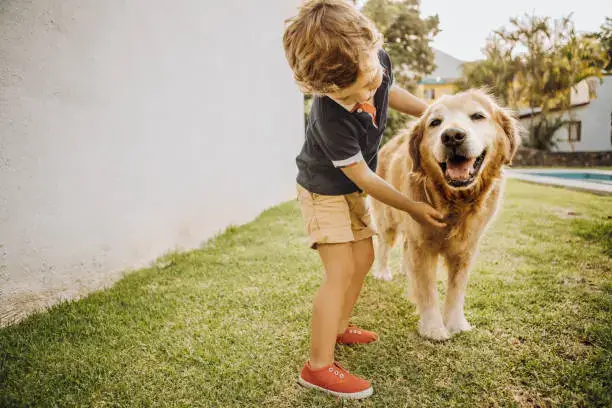
Puppies and senior dogs require special care during grooming. Using age-appropriate Grooming Accessories ensures comfort, safety, and effectiveness.
Puppy Grooming
Soft brushes and gentle combs
- Puppies have sensitive skin and delicate coats.
- Introduce Grooming Accessories slowly using soft bristle brushes.
- Tip: Limit grooming sessions to 3–5 minutes at first.
Positive reinforcement techniques
- Use treats and praise to make grooming enjoyable.
- Reward calm behavior after brushing, nail trimming, or bathing.
Introduction to nail trimming tools
- Use small, puppy-safe nail clippers or grinders.
- Trim slowly in small increments to avoid injury.
- Example: A 10-week-old Beagle puppy accepted nail trimming after 3 sessions using puppy grooming kit tools.
Senior Dog Grooming
Shorter grooming sessions
- Reduce session length to avoid fatigue or stress.
- Break grooming into multiple short sessions using Grooming Accessories.
Softer brushes and nail grinders
- Soft bristles or grooming gloves prevent skin irritation.
- Electric grinders smooth thick nails gently, avoiding discomfort.
Monitoring skin and coat for sensitivity
- Look for thinning fur, dry skin, or irritation.
- Adjust frequency and tools accordingly.
- Tip: Senior dog grooming requires a calm, quiet environment to reduce stress.
Daily Grooming Checklist and FAQs
A consistent Grooming Accessories routine keeps your dog healthy and prevents common hygiene problems.
Daily Grooming Checklist
- Brush coat according to hair type: Short-haired 1–2 times weekly, long-haired daily.
- Check and clean ears and eyes: Use ear cleaning tools and soft eye wipes.
- Trim or file nails as needed: Use clippers or grinders safely.
- Bathtime essentials: Silicone bath scrubbers and dog shampoo.
- Store and maintain grooming tools: Keep brushes, combs, and clippers organized.
- Observe behavior and skin condition: Redness, swelling, or mats require attention.
- Rotate accessories: Use dematting tools and grooming gloves for specific tasks.
- Hydration and diet check: Healthy skin and coat start with proper nutrition.
- Weekly deep grooming: Use pet grooming station or mats for secure sessions.
- Reward and reinforce calm behavior: Treats, praise, and affection encourage positive experiences.
Common FAQs
How often should I brush my dog?
- Daily for long-haired breeds, 1–2 times weekly for short-haired breeds.
- Brushing prevents mats, reduces shedding, and stimulates healthy skin.
What tools are best for puppies?
- Puppy grooming kit with soft brushes, finger combs, and gentle nail tools.
- Introduce gradually to prevent fear.
How do I trim nails safely?
- Identify the quick, trim in small increments, and use treats for positive reinforcement.
- Electric grinders reduce stress for sensitive dogs.
Can senior dogs follow the same grooming routine?
- Yes, but with shorter sessions, soft brushes, and gentle nail tools.
- Monitor for sensitivity and adjust accordingly.
What is the best way to prevent matting?
- Daily brushing with slicker brushes and wide-tooth combs.
- Use dematting tools on stubborn tangles carefully.
How do I clean ears and eyes safely?
- Use ear cleaning tools and soft eye wipes designed for dogs.
- Avoid human products and insert nothing deep into the ear canal.
How often should I bathe my dog?
- Most dogs every 3–6 weeks, adjusting for coat type and activity level.
- Use dog shampoo and silicone bath scrubbers for thorough cleaning.
How do I organize grooming accessories efficiently?
- Use storage caddies, wall-mounted organizers, or a dedicated pet grooming station.
- Label tools for coat type and purpose to save time.
Summary
A well-structured Grooming Accessories routine ensures optimal care for dogs of all ages. By using proper tools, maintaining a consistent schedule, and monitoring your dog’s skin, coat, nails, and overall hygiene, grooming becomes stress-free and effective. Puppies benefit from gentle introduction with puppy grooming kit, while senior dogs require soft brushes, nail grinders, and shorter sessions. Daily brushing, ear and eye cleaning, safe nail trimming, bathing with the right tools, and proper storage of accessories all contribute to a positive grooming experience. Incorporating Grooming Accessories like dematting tools, grooming gloves, and a pet grooming station simplifies routines, prevents problems, and strengthens the bond between pet and owner.
