

Feeding your dog should be more than just a caloric refill. In the world of modern pet parenting, interactive feeding toys serve as a bridge between basic nutrition and cognitive enrichment. 🌟 Why This Matters “By transforming mealtime into a problem-solving challenge, we tap into a dog’s natural instinct to forage. This not only promotes […]
Category Archives: Dog Care
Behavioral Advisory: While brain games for dogs are essential for reducing boredom-related issues, they should be introduced at the dog’s individual Cognitive Baseline. Over-stimulating a dog with puzzles that are too complex can trigger Frustration-Induced Cortisol, leading to increased anxiety rather than relaxation. Always monitor for signs of “Mental Fatigue.” In modern behavioral science, mental […]

Training Note: This guide utilizes Positive Reinforcement and science-based behavioral shaping. Always monitor your dog for signs of “Mental Fatigue” or frustration; training should be paused if the dog exhibits persistent disengagement or stress signals. For a dog, learning new tricks is a high-level cognitive workout that stimulates Neuroplasticity and staves off age-related decline. While […]
Dog Grooming at Home
Essential Summer Grooming Tips for Every Dog: Keep Your Pet Cool, Healthy, and Happy

Summer isn’t just a season of outdoor fun; for your dog, it is a period of significant physiological stress. As temperatures climb, summer grooming shifts from a matter of aesthetics to a vital thermoregulation strategy. Without a proper routine, your dog faces more than just “extra fur”—they risk heatstroke, solar dermatitis (sunburn), and invasive parasite […]
Dog Grooming at Home
Essential Winter Coat Care Tips for Every Dog: Keep Your Pet Warm, Healthy, and Comfortable

❄️ “Winter air is a silent thief of moisture. Mastery of Winter Coat Care isn’t just about aesthetics; it’s about preserving the skin’s natural barrier against sub-zero temperatures and harsh environmental toxins.” — Maya Mai, Founder of PetCareCompass As temperatures drop, your pet’s coat undergoes a significant biological shift. For many breeds, this means a […]
Dog Grooming at Home
Essential Grooming Schedule for Every Dog: Keep Your Pet Clean, Healthy, and Happy
Maintaining a consistent grooming schedule is more than a beauty routine—it’s a critical part of keeping your dog healthy, comfortable, and happy. Dogs rely on proper grooming to prevent matting, reduce shedding, and maintain clean, healthy skin. Whether you have a long-haired, short-haired, or double-coated breed, a structured routine ensures that no area of your […]
Dog Grooming at Home
Essential Allergy Season Grooming for Dogs: Reduce Allergens and Keep Your Pet Comfortable
Seasonal allergies can affect dogs just as much as humans, triggering itchy skin, sneezing, and discomfort. A well-structured allergy season grooming routine helps minimize exposure to environmental allergens such as pollen, dust, and mold. Proper grooming not only soothes irritation but also maintains a clean, healthy coat and skin, making your dog more comfortable during […]
Dog Grooming at Home
Essential Shedding Season Tips for Dogs: Minimize Hair Loss and Keep Your Home Clean
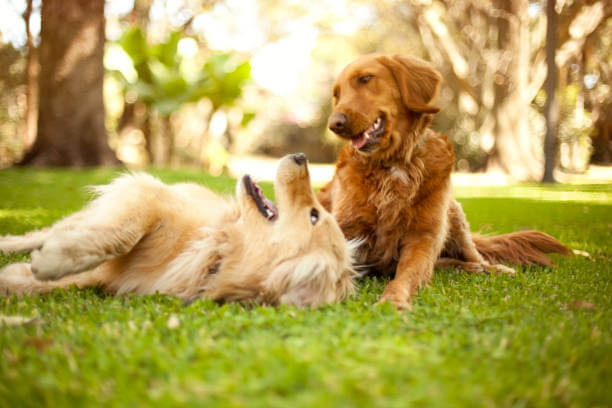
Shedding season—often referred to as a “Blow-out”—is a sophisticated physiological transition. While many owners view it as a response to temperature, it is primarily driven by Photoperiodism: the biological reaction to changing daylight hours. Implementing professional shedding season tips is not just about home cleanliness; it is about supporting your dog’s Dermal Health as they […]
Dog Grooming at Home
Essential Seasonal Coat Adjustments for Dogs: Smart Tips to Keep Your Dog’s Coat Healthy All Year

Grooming Advisory: Effective seasonal coat adjustments are breed-specific. Improper techniques, such as shaving a double-coated breed to “cool them down,” can lead to permanent follicle damage and Post-Clipping Alopecia. Always prioritize aeration over removal. A dog’s coat is a dynamic Thermoregulatory organ. Driven by Photoperiodism—the response to changing daylight hours—the canine endocrine system triggers seasonal […]

Strategic grooming tools selection is more than a cosmetic choice—nurturing the coat is a primary form of preventative healthcare. By choosing tools tailored to your dog’s unique biological needs, you stimulate dermal circulation, manage thermal regulation through shedding control, and catch potential skin anomalies early. This guide provides a professional framework to help you navigate […]