
Learn how play and socialization influence a dog’s behavior, how to create positive experiences, recognize healthy interaction, and help dogs develop confidence around people, animals, and everyday environments.
Play and socialization are important parts of a dog’s behavioral development. Positive experiences can help dogs learn how to interact with their environment, communicate with other dogs, respond to new situations, and build confidence.
Socialization does not simply mean allowing a dog to meet as many people and animals as possible. Quality matters more than quantity. A well-socialized dog learns that unfamiliar experiences can be predictable, manageable, and safe without being forced into interactions.
Play also serves many purposes beyond entertainment. Appropriate play can provide physical activity, mental stimulation, opportunities for communication, and an outlet for natural behaviors. The goal is to create experiences that are enjoyable while respecting the individual dog’s personality, age, confidence, and comfort level.
What Does Dog Socialization Mean?
Socialization is the process of helping a dog become familiar with people, animals, places, sounds, surfaces, handling, routines, and other aspects of everyday life.
Good socialization is not about making a dog friendly with everyone. A confident and appropriately socialized dog should be able to encounter unfamiliar situations without automatically becoming fearful, overwhelmed, or excessively reactive.
Dogs differ considerably in temperament. Some naturally approach new experiences, while others need more time and greater distance. Effective socialization respects those differences instead of expecting every dog to behave the same way.
Benefits of Healthy Play and Socialization
Appropriate play and positive exposure to new experiences can support several areas of a dog’s everyday behavior.
Mental Stimulation
Games involving exploration, problem solving, searching, and learning can keep dogs mentally engaged.
Physical Activity
Appropriate games can provide movement and help incorporate activity into a dog’s daily routine.
Confidence
Predictable, positive experiences can help some dogs become more comfortable with unfamiliar situations.
Communication
Appropriate interactions allow dogs to practice reading and responding to body language.
Focus
Structured games can provide opportunities to practice attention and simple behaviors in an enjoyable context.
Everyday Adaptability
Positive exposure to everyday experiences can help dogs become more comfortable navigating normal routines.
Puppy Socialization
Puppies are naturally curious, but they can also become overwhelmed easily. Early experiences should therefore be carefully managed rather than treating every new encounter as something a puppy must endure.
Puppies can gradually become familiar with different people, household sounds, surfaces, vehicles, grooming routines, collars, leashes, veterinary handling, and appropriate dogs.
Short and positive sessions are often easier for a young puppy to process than long, intense experiences. If a puppy becomes frightened or overwhelmed, increasing distance and allowing recovery can be more productive than forcing continued interaction.
Socialization Does Not Mean “Meet Everyone”
A common misunderstanding is that a dog needs to greet every person or dog it encounters. That is not necessary.
A dog can be well socialized while calmly ignoring strangers and walking past unfamiliar dogs. Teaching a dog that it does not have to interact with everyone can actually make everyday life easier.
The objective is confidence and appropriate behavior, not constant interaction.
Understanding Dog Body Language During Play
Watching body language is one of the most useful ways to determine whether an interaction is comfortable and appropriate.
Signs of Comfortable Play
Relaxed movement, loose body posture, appropriate pauses, reciprocal interaction, and willingness to disengage can all be encouraging signs.
Signs of Discomfort
Repeated avoidance, freezing, hiding, stiff posture, persistent attempts to escape, or escalating defensive behavior may indicate that the interaction is too intense.
Healthy Pauses
Good play does not necessarily continue without interruption. Pauses can give dogs an opportunity to regulate their excitement and decide whether they want to continue.
Individual Preferences
Some dogs enjoy chasing games, while others prefer sniffing, retrieving, tug, searching, or quieter forms of interaction.
Different Types of Dog Play
Play can take many forms. Rotating different activities can help prevent routines from becoming repetitive and allows owners to discover what their dogs enjoy most.
Fetch
Retrieving games can combine movement, attention, and interaction with an owner.
Tug
Tug can provide an engaging interactive game when appropriate rules and safe equipment are used.
Scent Games
Searching for treats or familiar objects can encourage natural sniffing and problem-solving behaviors.
Puzzle Games
Food puzzles and problem-solving activities can provide mental engagement.
Training Games
Simple training exercises can be turned into short games that combine learning and rewards.
Exploration
Allowing appropriate sniffing and exploration can provide valuable sensory enrichment.
Helping Dogs Play Safely With Other Dogs
Not every dog enjoys playing with every other dog. Differences in size, age, energy level, communication style, and confidence can influence whether an interaction is appropriate.
When introducing dogs, choose an environment that gives them enough space to move away from one another. Avoid forcing close interaction immediately.
Owners should remain attentive throughout the interaction rather than assuming that dogs will always resolve conflicts independently. If play becomes increasingly intense, one-sided, or uncomfortable, calmly interrupting and creating space can help prevent escalation.
Are Dog Parks Right for Every Dog?
Dog parks can be enjoyable for some dogs, but they are not automatically appropriate for every individual.
Dogs that are fearful, highly reactive, uncomfortable around unfamiliar dogs, or easily overwhelmed may find a crowded off-leash environment stressful.
Socialization does not require a dog park. Calm walks, controlled introductions, training classes with appropriate management, and carefully selected play partners can provide alternative social experiences.
Helping a Shy or Nervous Dog Gain Confidence
Shy dogs often benefit from slower introductions and greater control over how quickly they approach unfamiliar experiences.
Rather than repeatedly exposing a nervous dog to overwhelming situations, begin at a distance where the dog can remain relatively calm. Reward calm behavior and gradually increase the challenge only when the dog is ready.
Confidence building is rarely a race. Small successful experiences can be more useful than dramatic exposure to many new situations at once.
Managing Overexcitement During Play
Excitement is normal during play, but some dogs become so aroused that they struggle to respond to cues or settle afterward.
Short play sessions with regular pauses can help dogs practice transitioning between excitement and calm behavior. Owners can also incorporate simple behaviors such as waiting, dropping an object, coming when called, or settling before restarting the game.
The goal is not to eliminate enthusiasm. Instead, dogs can learn that excitement and self-control can exist together.
Socialization Opportunities at Home
Socialization can happen during ordinary routines. You do not need elaborate activities to give your dog useful experiences.
Gradually introduce normal sounds such as appliances, doors, visitors, and household activity.
Practice gentle handling associated with grooming and routine care while keeping sessions positive.
Allow your dog to investigate safe unfamiliar objects at their own pace.
Create calm visitor routines that give your dog options for distance and retreat.
Safe exposure to surfaces such as grass, mats, flooring, and outdoor paths can build familiarity.
Simple reward-based games can make learning new behaviors enjoyable.
Common Socialization Mistakes to Avoid
Forcing a nervous dog to approach unfamiliar people or animals.
Assuming every dog should enjoy dog parks or group play.
Ignoring signs that a dog wants to disengage.
Allowing play to become increasingly intense without providing breaks.
Focusing on the number of experiences instead of whether those experiences are positive and manageable.
A Simple Daily Play & Socialization Routine
A balanced routine can include several short activities rather than relying on one long play session.
Morning
A calm walk with opportunities for sniffing and exploration.
Midday
A short training game, food puzzle, or scent activity.
Afternoon
Interactive play such as fetch or tug, depending on the dog’s preferences.
Evening
A quieter enrichment activity followed by relaxation and settling.
Can Adult Dogs Still Be Socialized?
Yes. Although puppies have important developmental periods, adult dogs can continue learning throughout life.
An adult dog may need a different approach depending on its previous experiences, temperament, and current behavior. Dogs that are fearful or reactive may require especially careful management and gradual behavior modification.
Progress should be measured by improved comfort and appropriate responses rather than by how quickly a dog interacts with unfamiliar people or animals.
When Professional Help May Be Useful
Consider professional behavior support if your dog shows persistent fear, severe reactivity, aggression, repeated conflicts with other dogs, or extreme distress around everyday situations.
A qualified behavior professional can help identify triggers, develop a gradual training plan, and show you how to manage situations safely.
Frequently Asked Questions About Dog Play & Socialization
What is the best age to socialize a puppy?
Early puppyhood is an important period for exposure to appropriate experiences, but socialization should continue throughout a dog’s life. Experiences should be positive, gradual, and suitable for the individual puppy.
Does my dog need to play with other dogs?
No. Dogs have individual social preferences. A dog can have a healthy lifestyle without regularly playing with unfamiliar dogs.
How can I tell if dogs are playing appropriately?
Look for relatively loose body language, reciprocal interaction, pauses, and willingness to disengage. Persistent avoidance, freezing, stiff posture, or escalating conflict indicates that the interaction should be interrupted.
Can dog parks help with socialization?
They may be enjoyable for some dogs, but they are not necessary and may be stressful for others. Controlled interactions and calm exposure can be better choices for certain dogs.
What if my dog is afraid of other dogs?
Avoid forcing close encounters. Increase distance from triggers, reward calm behavior, and consider working with a qualified behavior professional if fear or reactivity is significant.
How much play does a dog need each day?
There is no single amount that fits every dog. Age, health, breed tendencies, energy level, environment, and individual preferences all influence appropriate activity levels.
Related Dog Behavior & Training Topics
A Note About Dog Behavior
This page provides general educational information about dog play, socialization, and behavior. Every dog is an individual, and behavior can be influenced by age, health, temperament, previous experiences, and environment. If your dog shows severe fear, aggression, repeated conflicts, or significant behavioral changes, consult a veterinarian or appropriately qualified behavior professional.
Build Better Experiences, One Step at a Time
Healthy socialization is about confidence, choice, and positive experiences—not forcing every dog to interact with everyone. Keep sessions manageable, watch your dog’s body language, and let progress happen at a comfortable pace.
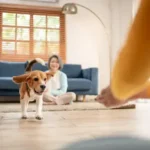
Easy and Proven Socialization Strategies to Encourage Positive Interactions for Your Dog
Executive Summary Socialization Strategies for dogs center on Neural Pathway Generalization through Phenotypic Exposure Governance. The primary objective is to achieve Amygdala...
Read Guide
Proven Socialization Techniques Every Dog Owner Can Use for Stress-Free Behavior Improvement
Safety Advisory Improper socialization techniques can lead to “Flooding”—an emotional state where a dog is overwhelmed by fear, potentially leading to Reactivity....
Read Guide
Easy and Proven Ways to Encourage Healthy Play Behavior in Dogs
Executive Summary Play is far more than an outlet for excess energy; it is a sophisticated Biological Imperative essential for a dog’s...
Read Guide
Essential Guide to Puppy Socialization: Easy Steps to Raise a Confident and Friendly Dog
Neural Habituation Puppy Socialization is far more than a simple introduction to the world; it is a critical process of Neural Habituation....
Read Guide
Essential Socialization Tips: A Proven, Stress-Free Way to Socialize Your Dog Safely
Executive Summary Effective Socialization Tips are predicated on Environmental Neutrality and Threshold Management. This system utilizes Desensitization Gradients and Neurological Hardening to...
Read Guide
Essential Interactive Games to Keep Your Dog Mentally Active at Home
Executive Summary: Professional Interactive Games are predicated on the principle of Neurological Satiety and Cognitive Load Optimization. This clinical framework utilizes Dopaminergic...
Read Guide
Proven Scent Games to Boost Your Dog’s Mental Exercise at Home
Dogs explore the world primarily through their noses, making scent-based activities an essential part of mental stimulation. Scent games are a proven...
Read Guide
Essential Training Toys to Boost Your Dog’s Mental Stimulation at Home
Executive Summary: Training Toys for dogs serve as Cognitive Training Hardware designed to facilitate Operant Conditioning and Behavioral Shaping. This system integrates...
Read Guide
Essential Brain Games to Keep Your Dog Mentally Engaged at Home
🧠 Maya Mai’s Philosophy “Mental stimulation is not just an optional activity; it is a biological requirement. Engaging your pet in structured...
Read Guide
Proven Puzzle Games to Engage Your Dog’s Mind at Home
Executive Summary: Professional Puzzle Games protocols are predicated on Cognitive Enrichment Operations and Neurological Calibration. This clinical framework integrates Problem-Solving Hardening, Olfactory...
Read Guide
Essential Brain Stimulation Tools to Keep Your Dog Mentally Sharp
Keeping your dog’s mind active is just as important as physical exercise. Brain stimulation tools are designed to challenge cognition, problem-solving, and...
Read Guide
The Essential Guide to Training Games: Transforming Education into Play
In 2026, the boundary between “work” and “play” for domestic dogs has dissolved. Modern canine science proves that training games are the...
Read Guide
The Essential Guide to Interactive Feeding Toys for Smart and Happy Dogs
Feeding your dog should be more than just a caloric refill. In the world of modern pet parenting, interactive feeding toys serve...
Read Guide
Why Brain Games for Dogs Are Essential for Mental Health
Behavioral Advisory: While brain games for dogs are essential for reducing boredom-related issues, they should be introduced at the dog’s individual Cognitive...
Read Guide
Mental Stimulation for Dogs at Home: Keep Your Pup Happy and Healthy
Taking care of a dog isn’t just about feeding and walks; an essential part of their well-being is mental stimulation for dogs...
Read Guide