

Keeping your dog and home clean every day doesn’t have to be stressful or time-consuming. A Daily Cleaning Routine establishes small, manageable habits that protect your dog’s health, reduce shedding, and minimize odors around the house. With practical, easy-to-follow steps, this guide shows dog owners how to maintain a tidy environment while keeping grooming simple and enjoyable for both pet and owner.
Why a Daily Cleaning Routine Matters for Dogs and Homes
A structured Daily Cleaning Routine has benefits that go far beyond aesthetics. It supports hygiene, coat health, and household comfort. Dogs thrive in clean environments, and owners find that consistent maintenance reduces the time and effort needed for weekly deep cleaning. By dedicating a few minutes each day, you create a system that prevents messes from building up and keeps your dog feeling comfortable and happy.
Health benefits of daily cleaning
Regular cleaning reduces the risk of allergens, bacteria, and parasites that can affect both dogs and humans.
Reducing allergens and bacteria
Dog dander, saliva, and loose hair can harbor bacteria and trigger allergies if left unchecked. Daily brushing and cleaning remove these irritants before they spread through the home.
Preventing mats, tangles, and hot spots
Even short daily brushing prevents mats that can trap moisture and bacteria, which often lead to skin irritation or hot spots. Simple grooming habits keep the coat smooth and healthy.
Behavioral and comfort benefits
Dogs respond positively to clean grooming routines and tidy spaces.
Dogs feel more comfortable in clean spaces
A clean coat and paws improve mobility, reduce itching, and prevent discomfort. Daily routines also help your dog associate grooming with positive, stress-free experiences.
Encourages calm grooming behavior
Consistent daily maintenance reduces the need for long, intensive grooming sessions. Dogs become more tolerant of brushing and inspection when it’s part of a predictable routine.
Cleaning routine and household harmony
Maintaining a daily routine keeps your home organized and reduces stress for everyone.
Reduces shedding in living areas
Frequent brushing and spot-cleaning minimize hair accumulation on floors, furniture, and bedding. A few minutes daily keeps hair from becoming overwhelming.
Keeps furniture, carpets, and bedding cleaner
Daily cleaning prevents long-term staining, odors, and buildup. Beds, couches, and rugs stay fresh, and cleaning becomes faster and easier on weekends.
Daily Cleaning Routine for Dogs: Coat, Paws, and Ears
A proper Daily Cleaning Routine for your dog is quick, effective, and helps prevent larger grooming problems. The focus is on the coat, paws, and ears—the areas most exposed to dirt and debris.
Coat brushing and inspection
Brushing every day removes loose hair, prevents tangles, and keeps the coat shiny.
Quick daily brushing to remove loose hair
A few minutes with a slicker brush or comb removes hair before it falls throughout the house. Short coats benefit from gentle stroking; longer coats may need more attention to prevent tangles.
Spot-check for mats, debris, or skin issues
While brushing, check for small mats, ticks, or skin redness. Early detection allows for quick treatment, reducing discomfort and preventing larger issues.
Paw cleaning and hygiene
Paws pick up the most dirt and bacteria during daily walks or outdoor play.
Wiping paws after walks
Use a damp cloth or pet wipes to clean paw pads and between toes. This removes mud, pollen, and harmful chemicals such as road salt.
Checking for injuries, debris, or irritants
Inspect for cuts, cracks, or lodged objects. Daily attention reduces infection risk and keeps your dog comfortable while walking.
Ear and eye care
Regular ear and eye maintenance prevents infections and irritation.
Wiping eyes gently to remove discharge
Use a clean, damp cloth to wipe away eye discharge. Regular care helps prevent staining and infection.
Cleaning ears to prevent infections
Check ears for wax, dirt, or odor. Light cleaning with a dog-safe solution reduces the risk of bacterial or yeast infections without irritating sensitive skin.
Daily Cleaning Routine for Home Spaces
Keeping your home clean complements your dog’s daily grooming. A few minutes of focused cleaning prevents hair, dirt, and odors from accumulating.
Managing shedding and hair
Shedding is inevitable, but daily routines control it effectively.
Vacuuming or sweeping high-traffic areas
Focus on entrances, living rooms, and areas where your dog spends the most time. A quick sweep or vacuum removes loose hair before it spreads.
Using lint rollers or pet hair removers on furniture
Run lint rollers over couches, chairs, and bedding daily. This prevents hair buildup and keeps surfaces looking fresh.
Cleaning bedding and toys
Dog bedding and toys harbor dirt and bacteria if left unchecked.
Daily inspection for dirt and chew marks
Check for small tears, stains, or debris. Remove or wash items as needed.
Quick wipe or washing of frequently used items
Spot clean bedding or toys and rotate washable items into a weekly laundry routine. This keeps items hygienic and prolongs their lifespan.
General surface maintenance
Small actions each day maintain overall cleanliness.
Spot-cleaning floors and counters
Use pet-safe cleaners to wipe up spills or stains. Small actions prevent odors and buildup.
Disinfecting bowls and feeding areas
Rinse and sanitize food and water bowls daily to prevent bacteria growth. Wipe feeding areas to avoid crumbs or moisture accumulation.
Practical Tips for a Successful Daily Cleaning Routine
- Set aside 10–15 minutes each day for grooming and cleaning
- Keep all necessary tools (brush, wipes, cloths) within easy reach
- Rotate cleaning tasks to avoid overwhelm
- Make grooming a positive experience with treats and praise
- Combine dog grooming and household cleaning into a single mini-routine
A consistent Daily Cleaning Routine reduces stress, keeps your dog healthy and comfortable, and makes maintaining a clean home easy and practical. With a few minutes each day, you can prevent large messes, protect your dog’s skin and coat, and enjoy a tidy, odor-free home.
Tools and Products to Support Your Daily Cleaning Routine

Using the right tools makes a Daily Cleaning Routine faster, more effective, and less stressful for both dog and owner. Choosing products designed for pets ensures safety while saving time and effort. From grooming tools to household cleaning equipment, having the right setup simplifies daily maintenance.
Grooming tools for daily use
Daily grooming tools help remove loose hair, prevent mats, and maintain skin health.
Slicker brushes, combs, and deshedding tools
These remove loose hair and reduce shedding. Slicker brushes are great for medium to long coats, while fine-toothed combs can catch tangles and debris missed by larger brushes. Deshedding tools are perfect for short-haired breeds to minimize loose fur around the house.
Quick wipe cloths and grooming gloves
Microfiber or pet-specific wipes can clean paws, ears, and eyes quickly. Grooming gloves offer gentle brushing while allowing tactile feedback, making the process more enjoyable for sensitive dogs.
Household cleaning tools
Maintaining a clean home complements dog grooming, keeping surfaces free from hair, dirt, and allergens.
Pet-friendly vacuums and brooms
Vacuums with pet hair attachments efficiently remove hair from carpets and furniture. Brooms with fine bristles help sweep hair and dust from floors, especially in high-traffic areas.
Lint rollers and microfiber cloths
Lint rollers provide a quick fix for furniture and clothing, while microfiber cloths capture hair and dust with minimal effort. Daily use prevents hair buildup and keeps surfaces looking tidy.
Establishing a Simple, Stress-Free Daily Cleaning Routine
Consistency is key for maintaining a clean dog and home without stress. Structuring a Daily Cleaning Routine around your dog’s schedule ensures that grooming and cleaning become a natural part of daily life.
Morning and evening checkpoints
Short, regular sessions are more effective than long, infrequent cleaning.
Quick brushing and paw cleaning after walks
Brushing and wiping paws immediately after walks prevents dirt, mud, and allergens from spreading throughout the home. This also gives an opportunity to check for injuries or debris.
Inspect bedding and common areas
Quickly scan bedding, couches, and high-traffic zones. Spot-clean hair, spills, or crumbs before they accumulate.
Tips for building habits
Creating routines helps maintain consistency and makes grooming less stressful.
Set reminders or routines
Use phone alarms or calendar alerts to establish a daily habit. Consistency ensures no step is skipped.
Combine grooming and home cleaning tasks
Pair coat brushing with a sweep of high-traffic areas. Multitasking saves time and keeps the process simple.
Common Mistakes in Daily Cleaning Routine and How to Avoid Them
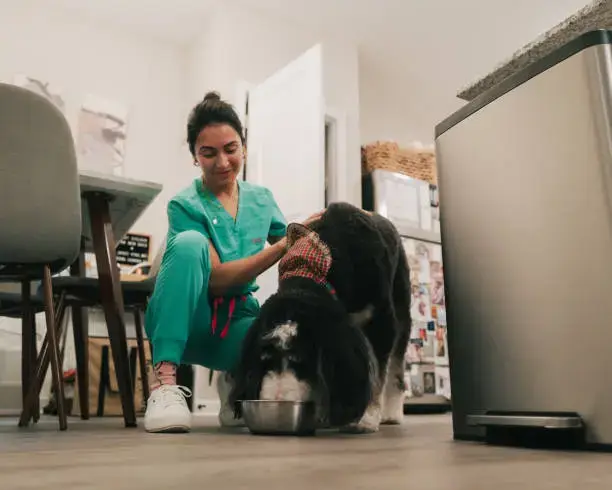
Even small oversights can undermine a Daily Cleaning Routine. Recognizing common mistakes helps keep the routine efficient and effective.
Overlooking small messes
Minor spills, hair, or debris can quickly accumulate if ignored.
Why spot-cleaning matters
Addressing small messes daily prevents larger, harder-to-clean areas later. A few minutes each day avoids weekend cleaning marathons.
Tools that simplify quick fixes
Keep wipes, small brooms, and lint rollers handy. Quick access ensures cleaning happens immediately without delay.
Using harsh chemicals
Some cleaners are unsafe for dogs or damage surfaces.
Safe cleaning products for dogs
Use pet-safe cleaners, mild soap, or water for most surfaces. Avoid bleach or harsh chemical sprays that can irritate skin, eyes, or respiratory systems.
Avoiding irritation to skin or nose
Ensure cleaned areas are fully dry before allowing dogs to roam. Wipe any residues from surfaces that come into contact with paws or fur.
Practical Tips for an Efficient Daily Cleaning Routine
- Keep grooming and cleaning tools in designated areas
- Build short, consistent routines instead of long sessions
- Focus on high-traffic zones and problem areas daily
- Adjust routines based on coat type and seasonal shedding
- Reward your dog during grooming to encourage calm behavior
A well-planned Daily Cleaning Routine keeps both your dog and home clean, reduces stress, and improves overall hygiene. By using the right tools, creating short, consistent sessions, and avoiding common mistakes, daily maintenance becomes manageable and even enjoyable for dog owners.
Seasonal Adjustments to Your Daily Cleaning Routine

A Daily Cleaning Routine works best when it adapts to seasonal changes. Dogs’ shedding patterns, outdoor activities, and environmental factors vary throughout the year, requiring small adjustments to maintain a clean dog and home efficiently.
Handling heavy shedding periods
Shedding increases during spring and fall for many breeds, making routine grooming even more critical.
Increase brushing frequency
During peak shedding, brushing twice daily can prevent loose hair from covering furniture and floors. Focus on high-shedding areas such as the neck, back, and tail.
Adjust vacuuming or sweeping schedules
Vacuum carpets and sweep floors more frequently to manage excessive hair. Portable handheld vacuums or robot vacuums can help maintain cleanliness between full cleanings.
Weather-related cleaning challenges
Rain, snow, or pollen can make dogs messier and homes dirtier.
Muddy paws in rainy seasons
Wipe paws thoroughly after walks and keep a towel near entrances. Consider using paw wax or booties to reduce dirt tracked inside.
Dust and pollen in dry months
Use damp cloths or microfiber dusters to capture allergens before they spread. Daily wiping of surfaces reduces sneezing and irritation for both dogs and humans.
Daily Cleaning Routine FAQs and Quick Checklist
Simplifying your Daily Cleaning Routine with a checklist and answers to common questions ensures consistency and reduces stress.
FAQs About Daily Cleaning Routine
How long should a daily cleaning routine take?
Typically, 5–15 minutes depending on coat type, dog size, and home layout. The key is consistency rather than duration.
Can daily cleaning replace weekly deep cleaning?
No. Daily routines prevent buildup and maintain hygiene, but weekly deep cleaning addresses embedded hair, odors, and bacteria.
Is a daily cleaning routine necessary for all dogs?
Yes, though the intensity varies. Short-haired dogs may need less brushing, while long-haired or double-coated breeds benefit from more thorough daily grooming.
How do I make the routine enjoyable for my dog?
Use treats, praise, and gentle handling to create positive associations. Short, consistent sessions prevent stress and resistance.
Daily Cleaning Routine Quick Checklist
Daily Tasks
- Brush and inspect coat for loose hair or tangles
- Wipe paws, eyes, and ears
- Spot-clean high-traffic floors and furniture
- Rinse and sanitize food and water bowls
- Check bedding and toys for debris
Weekly Tasks
- Wash dog bedding and frequently used toys
- Vacuum furniture, carpets, and floors thoroughly
- Deep-clean feeding areas
- Inspect grooming tools for maintenance
Seasonal Adjustments
- Increase brushing and cleaning during heavy shedding periods
- Address mud and dirt after rainy walks
- Manage pollen and dust during dry, windy seasons
Practical Tips for a Stress-Free Routine
- Set reminders for daily and weekly tasks
- Combine grooming and household cleaning to save time
- Rotate cleaning tools for efficiency
- Monitor your dog’s coat and home environment for problem areas
- Reward your dog after grooming to reinforce positive behavior
With a consistent Daily Cleaning Routine, your dog stays healthier, your home stays cleaner, and grooming becomes a simple, stress-free habit. By incorporating seasonal adjustments, using the right tools, and following a checklist, you can maintain a tidy, comfortable environment that benefits both pet and owner.
