

Excessive shedding is one of the most common frustrations dog owners face, especially for those living indoors or sharing close spaces with their pets. While shedding is a natural biological process, uncontrolled hair loss often signals gaps in care routines rather than unavoidable fate. Anti-Shedding Strategies focus on reducing unnecessary hair loss by supporting coat health, skin balance, and daily habits that many professionals recommend. This guide is created for beginner to intermediate dog owners who want practical, stress-free ways to manage shedding without relying on extreme solutions. By understanding why dogs shed and applying proven fundamentals, you can significantly reduce loose hair and maintain a healthier coat year-round.
Why Dogs Shed and When It Becomes Excessive
Before applying any Anti-Shedding Strategies, it’s essential to understand why shedding happens in the first place. Shedding is a natural renewal process where old or damaged hair is replaced with new growth. However, shedding becomes problematic when hair loss increases beyond what’s normal for a dog’s breed, coat type, or season. Excessive shedding is often a symptom rather than the problem itself, signaling issues related to environment, routine, nutrition, or stress.
Recognizing the difference between healthy shedding and excessive hair loss allows owners to address root causes instead of relying on temporary fixes.
Natural Shedding vs Problem Shedding
Normal coat renewal cycles
Dogs shed as part of a natural hair growth cycle. Each hair follicle goes through phases of growth, rest, and release. When old hairs reach the end of their cycle, they fall out to make room for new ones. This process happens continuously but becomes more noticeable during seasonal transitions.
Normal shedding typically:
- Occurs evenly across the body
- Does not leave bald patches
- Is predictable during certain times of year
In these cases, Anti-Shedding Strategies aim to manage loose hair, not eliminate shedding completely.
Signs shedding is no longer normal
Shedding may indicate a problem when it appears suddenly, excessively, or unevenly. These changes suggest the coat is under stress.
Warning signs include:
- Clumps of hair falling out
- Thinning areas or patchy loss
- Excessive scratching or licking
- Dull, brittle coat texture
When shedding reaches this stage, grooming alone is rarely enough. Identifying contributing factors becomes critical for effective dog shedding control.
Factors That Increase Hair Loss
Seasonal coat changes
Seasonal dog shedding is one of the most common causes of increased hair loss. Many dogs shed heavily in spring and fall as they transition between winter and summer coats. Indoor dogs may experience prolonged shedding due to artificial lighting and climate control.
During seasonal transitions:
- Undercoats loosen rapidly
- Loose hair accumulates faster than usual
- Daily grooming becomes more important
Adjusting Anti-Shedding Strategies during these periods helps manage hair before it spreads throughout the home.
Indoor lifestyle and artificial lighting
Dogs living primarily indoors often shed more consistently year-round. Artificial lighting and stable indoor temperatures confuse the body’s natural shedding cues, preventing clear seasonal cycles.
Common effects include:
- Continuous low-level shedding
- Less predictable coat changes
- Increased loose hair on furniture
In these cases, shedding management depends heavily on routine and environment rather than season alone.
How Stress and Routine Affect Shedding
Stress-related hair loss
Stress has a direct impact on a dog’s coat. Physical or emotional stress can disrupt hair growth cycles, causing hair to enter the shedding phase prematurely.
Common stressors include:
- Changes in routine or environment
- Lack of exercise or mental stimulation
- Inconsistent grooming habits
Stress-related shedding often improves once routines stabilize and the dog feels secure.
Inconsistent grooming habits
Irregular grooming allows loose hair to accumulate and fall out uncontrollably. Skipping brushing for long periods followed by intense sessions often worsens shedding.
Consistent grooming:
- Removes loose hair before it spreads
- Stimulates healthy skin circulation
- Supports even coat growth
Reliable routines form the foundation of successful Anti-Shedding Strategies.
Coat Types and Their Role in Anti-Shedding Strategies
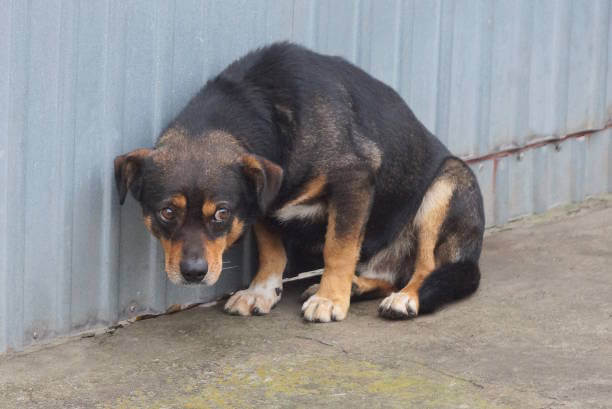
Not all coats shed the same way, which is why blanket solutions often fail. Effective Anti-Shedding Strategies must be adapted to a dog’s specific coat type. Using the wrong tools or techniques for a given coat structure can increase hair loss rather than reduce it.
Understanding how your dog’s coat works allows you to choose strategies that align with natural shedding patterns.
Single-Coat vs Double-Coat Dogs
How undercoats influence shedding
Double-coated dogs have two layers: a soft insulating undercoat and a protective outer coat. The undercoat sheds heavily, especially during seasonal changes.
Key characteristics include:
- Dense hair that traps loose undercoat
- Heavy shedding during coat blow seasons
- Greater need for regular brushing
Proper double coat shedding management focuses on removing loose undercoat without damaging the protective top layer.
Common mistakes with double coats
One of the biggest mistakes is using tools designed to “strip” hair aggressively. Shaving or over-deshedding double-coated dogs can damage coat structure and increase long-term shedding.
Mistakes to avoid:
- Shaving double-coated breeds
- Using sharp deshedding blades too frequently
- Skipping brushing and relying only on baths
Smart Anti-Shedding Strategies protect coat integrity while managing loose hair.
Short Hair vs Long Hair Shedding Patterns
Why short hair can shed more visibly
Short-haired dogs often appear to shed more because their stiff hairs fall freely instead of tangling in the coat. These hairs embed easily in fabrics and are harder to remove from surfaces.
Short coat shedding:
- Happens year-round
- Is less noticeable during grooming
- Accumulates quickly in living spaces
Regular brushing is still essential, even for dogs with minimal coat length.
Managing long coat hair loss
Long-haired dogs trap loose hair within the coat, leading to mats and tangles if grooming is inconsistent. When mats loosen, large amounts of hair may release at once.
Effective management includes:
- Frequent light brushing
- Detangling before hair loosens
- Preventing mat formation
These steps support Anti-Shedding Strategies without stressing the coat.
Age-Related Coat Changes
Puppy coat transitions
Puppies shed their soft baby coat as their adult coat develops. This phase can look dramatic but is completely normal.
During this transition:
- Shedding may appear uneven
- Coat texture changes rapidly
- Gentle grooming is especially important
Avoid aggressive grooming during this phase to protect developing skin and follicles.
Senior dogs and thinning coats
As dogs age, hair growth slows and coats may thin. Shedding may increase or become irregular due to hormonal changes or reduced skin elasticity.
Supportive care includes:
- Gentle brushing
- Nutrient-rich diets
- Monitoring skin condition closely
Adjusting Anti-Shedding Strategies for aging dogs helps maintain comfort and coat quality.
Core Anti-Shedding Strategies Every Owner Should Start With
Successful Anti-Shedding Strategies begin with simple, repeatable habits rather than aggressive interventions. Many professionals agree that consistency matters more than intensity when reducing loose hair. These core practices form the foundation for long-term shedding control regardless of coat type.
Brushing Fundamentals That Reduce Hair Loss
Choosing the right brushing frequency
Brushing frequency should match shedding intensity and coat type. Too little brushing allows hair to fall freely, while excessive brushing can irritate the skin.
General guidelines:
- Light brushing several times per week
- Daily brushing during heavy shedding periods
- Short sessions to avoid overstimulation
This balanced approach supports effective dog shedding control without harming the skin.
Direction and pressure techniques
How you brush matters just as much as how often. Brushing against the grain or applying excessive pressure can pull healthy hair out prematurely.
Best practices include:
- Brushing in the direction of hair growth
- Using gentle, even pressure
- Letting the tool do the work
These techniques reduce hair loss while keeping the coat smooth and healthy.
Bathing Practices That Support Coat Health
When bathing helps shedding control
Bathing can help loosen dead hair so it can be removed during drying and brushing. When timed correctly, baths support Anti-Shedding Strategies.
Bathing is most helpful:
- During heavy seasonal shedding
- When coat feels greasy or dirty
- Before thorough brushing sessions
Clean coats release loose hair more easily and evenly.
Overbathing and hair loss risks
Too much bathing strips natural oils that protect the skin and coat. Dry, irritated skin often leads to increased shedding.
Signs of overbathing include:
- Dull or brittle coat
- Increased flaking
- Excessive itching
Moderation is key. Many professionals recommend bathing only when necessary.
Nutrition and Hydration Basics
How diet affects shedding
Coat health starts from the inside. Poor nutrition weakens hair structure, causing hair to break or fall out prematurely.
A diet that supports shedding reduction includes:
- High-quality protein
- Essential fatty acids
- Balanced vitamins and minerals
Nutrition is a long-term investment in effective Anti-Shedding Strategies.
Signs nutrition may be contributing to hair loss
If shedding remains excessive despite proper grooming, diet may be a contributing factor.
Common signs include:
- Dull, dry coat
- Slow regrowth after shedding
- Increased skin sensitivity
In these cases, consulting a licensed professional about dietary adjustments is recommended.
For a broader understanding of how grooming routines adapt throughout the year and support shedding control, see
Essential Seasonal Grooming Tips for Every Dog
Brushing Tools and Techniques That Minimize Shedding
The right tools are a critical part of effective Anti-Shedding Strategies. Many shedding problems are not caused by how much a dog sheds naturally, but by how grooming tools interact with the coat and skin. Poor tool selection can pull out healthy hair, irritate the skin, and actually increase hair loss over time. When tools match coat type and are used correctly, brushing becomes one of the most powerful ways to reduce loose hair before it spreads around the home.
Professional groomers often emphasize that brushing should feel comfortable for the dog. A calm, cooperative dog almost always sheds less over time than one that associates grooming with discomfort.
Choosing Brushes for Different Coat Types
Tools for double-coated dogs
Double-coated dogs benefit most from tools designed to reach the undercoat without damaging the protective topcoat. The goal is to remove loose undercoat hair that would otherwise fall out naturally.
Effective tools for double-coated dogs include:
- Undercoat rakes with rounded teeth
- Slicker brushes with flexible pins
- Combination brushes used lightly and consistently
When used correctly, these tools support Anti-Shedding Strategies by removing dead hair while preserving coat structure. Short, controlled strokes are far more effective than aggressive brushing.
It’s important to avoid tools that cut or strip hair. Removing too much undercoat at once can interfere with temperature regulation and lead to uneven shedding later.
Tools for short and smooth coats
Short-haired dogs still shed, often more visibly than long-haired breeds. Their hair doesn’t tangle, so it falls freely onto floors and furniture.
Recommended tools for short coats include:
- Rubber grooming brushes
- Soft bristle brushes
- Grooming gloves for light maintenance
These tools lift loose hair without scratching the skin. Regular use improves dog shedding control while keeping the coat smooth and shiny.
Brushing Frequency and Session Length
Short sessions vs long sessions
One of the most common mistakes in Anti-Shedding Strategies is trying to remove all loose hair in one long session. This often leads to skin irritation and stress.
Short, frequent sessions work better because they:
- Reduce skin overstimulation
- Remove hair gradually
- Keep dogs relaxed and cooperative
Five to ten minutes per session is often enough, especially when done consistently.
Knowing when to stop
Stopping at the right time is just as important as brushing itself. Continuing to brush once the coat is already clear can pull healthy hair and increase shedding later.
Signs it’s time to stop include:
- Skin becoming pink or warm
- Dog shifting away or showing discomfort
- Brush collecting minimal loose hair
Ending sessions early supports long-term Anti-Shedding Strategies by protecting skin and follicles.
Seasonal Anti-Shedding Strategies That Actually Work
Shedding intensity changes throughout the year, making seasonal adjustments essential for effective Anti-Shedding Strategies. Many owners use the same grooming routine year-round, which often leads to frustration during peak shedding periods. Aligning grooming habits with natural coat cycles allows owners to manage loose hair before it becomes overwhelming.
Seasonal shedding is not something to fight aggressively. Instead, it should be guided and managed.
Managing Spring and Fall Coat Blowing
Safe ways to remove loose undercoat
Spring and fall are peak shedding seasons for many dogs, especially double-coated breeds. During these times, large amounts of undercoat loosen in preparation for temperature changes.
Safe removal methods include:
- Increasing brushing frequency rather than pressure
- Using tools designed specifically for undercoat release
- Brushing before loose hair mats or compacts
This approach helps Anti-Shedding Strategies work with the coat cycle instead of against it.
Mistakes to avoid during heavy shedding
During coat blowing, it’s tempting to resort to extreme measures. However, many of these backfire.
Avoid:
- Shaving coats to “stop shedding”
- Overbathing to loosen hair faster
- Aggressive deshedding tools used daily
These mistakes often lead to patchy regrowth and prolonged shedding periods.
Indoor Environment and Shedding Control
Temperature and humidity effects
Indoor conditions play a surprisingly large role in shedding. Artificial heating and cooling can confuse natural coat cycles and dry out the skin.
To support Anti-Shedding Strategies indoors:
- Maintain moderate humidity levels
- Avoid extreme temperature fluctuations
- Provide well-ventilated resting areas
Balanced indoor conditions support healthier skin and more predictable shedding.
Reducing indoor hair buildup
Managing shedding also involves managing the environment. Removing loose hair from surfaces reduces the perception of excessive shedding and keeps hair from redistributing back onto the dog.
Helpful habits include:
- Vacuuming regularly with pet-specific attachments
- Washing dog bedding frequently
- Using washable covers on furniture
These steps complement grooming efforts and make shedding feel more manageable.
Bathing, Drying, and Shedding Control
Bathing plays a supporting role in Anti-Shedding Strategies, but only when done correctly. While baths can loosen dead hair, improper bathing and drying often make shedding worse by irritating the skin or loosening healthy hair prematurely.
Understanding when and how to bathe makes a noticeable difference in shedding outcomes.
Bath Timing for Shedding Reduction
Best moments to bathe shedding dogs
Bathing is most effective when timed to coincide with natural hair release. A bath followed by thorough drying and brushing can remove a large amount of loose hair in one controlled session.
Baths work best:
- During peak seasonal shedding
- Before intensive brushing sessions
- When the coat feels oily or compacted
This timing supports Anti-Shedding Strategies by removing hair that would fall out anyway.
When bathing should be avoided
Bathing is not always helpful. In some cases, it can worsen shedding by drying the skin or causing irritation.
Avoid bathing when:
- Skin is already dry or flaky
- Shedding is stress-related rather than seasonal
- Baths have recently been done
Allowing the skin’s natural oils to recover often reduces shedding more effectively than frequent washing.
Drying Techniques That Remove Loose Hair Safely
Towel drying vs air drying
Drying methods significantly influence how much hair is released after a bath. Rubbing vigorously with towels can break hair and irritate the skin.
Better drying practices include:
- Blotting with absorbent towels
- Using multiple towels instead of rubbing
- Allowing partial air drying before brushing
This gentle approach supports coat health and complements Anti-Shedding Strategies.
Dryer use and coat protection
Dryers can be helpful for shedding control, especially for thick coats, but only when used carefully.
Safe dryer tips:
- Use low heat and moderate airflow
- Keep the dryer moving continuously
- Stop if the skin becomes warm or irritated
When combined with brushing, controlled drying can remove large amounts of loose hair without harming the coat.
Long-Term Anti-Shedding Strategies for Healthier Skin and Coat

Reducing shedding is not only about grooming techniques or seasonal routines. The most effective Anti-Shedding Strategies are built over time through daily habits that support skin health, coat strength, and overall balance. When the body functions well internally, hair loss naturally becomes more manageable externally. Long-term strategies focus on consistency, prevention, and understanding what shedding is trying to signal.
Many dog owners notice that once they establish a stable routine, shedding becomes more predictable and less overwhelming—even during peak seasons.
Building a Consistent Grooming Routine
Why consistency matters more than intensity
One of the biggest misconceptions about shedding control is that occasional intensive grooming sessions can replace daily or weekly care. In reality, inconsistent grooming often leads to sudden hair loss, matting, and skin sensitivity.
Consistent routines help because they:
- Encourage steady hair release instead of sudden shedding
- Reduce stress on hair follicles
- Allow early detection of skin or coat changes
Even light daily brushing supports Anti-Shedding Strategies better than infrequent, aggressive grooming.
Creating a routine your dog accepts
A routine only works if the dog is comfortable with it. Dogs that associate grooming with calm, predictable experiences tend to shed less due to reduced stress-related hair loss.
Helpful tips include:
- Grooming at the same time each day or week
- Starting sessions with calm touch before brushing
- Ending grooming on a positive note
Over time, grooming becomes part of the dog’s normal rhythm rather than a stressful event.
Nutrition and Hydration as Shedding Control Tools
How diet affects hair retention
Hair is made primarily of protein, supported by fats, vitamins, and minerals. When nutrition is unbalanced, the body prioritizes vital organs over coat quality, resulting in increased shedding.
Diet-related factors that influence shedding include:
- Insufficient protein intake
- Poor-quality fats
- Lack of micronutrients
Supporting Anti-Shedding Strategies through nutrition does not require complicated supplements, but it does require balanced, species-appropriate meals.
Hydration and skin elasticity
Hydration plays a surprisingly important role in shedding. Dehydrated skin becomes dry and flaky, weakening hair follicles and increasing hair loss.
Simple hydration-supporting habits:
- Providing fresh water at all times
- Monitoring water intake during hot or dry weather
- Including moisture-rich foods when appropriate
Well-hydrated skin holds hair more effectively, making shedding more controlled.
Stress Reduction and Hormonal Balance
Stress-related shedding
Stress is a hidden but powerful contributor to excessive shedding. Environmental changes, boredom, noise, or inconsistent routines can trigger hair loss even in otherwise healthy dogs.
Common stressors include:
- Sudden schedule changes
- Lack of mental stimulation
- Overcrowded or noisy environments
Addressing stress supports Anti-Shedding Strategies by stabilizing hormone levels that affect hair growth cycles.
Creating a calming environment
A calm dog sheds more predictably. Simple environmental adjustments can significantly reduce stress-related hair loss.
Effective calming strategies:
- Providing a quiet resting area
- Maintaining predictable daily routines
- Balancing activity and rest
When emotional well-being improves, coat health often follows naturally.
Monitoring Shedding, FAQs, and a Practical Daily Checklist
Understanding what is normal and what is not is a critical part of successful Anti-Shedding Strategies. Shedding should follow patterns. When those patterns change suddenly, they often provide useful information about a dog’s health or environment. This final section focuses on awareness, prevention, and practical daily actions.
Knowing When Shedding Is Normal
Seasonal vs abnormal shedding
Seasonal shedding typically:
- Occurs gradually
- Matches weather changes
- Improves with routine grooming
Abnormal shedding, on the other hand, may:
- Appear suddenly
- Come with skin irritation or odor
- Persist despite proper grooming
Recognizing the difference helps owners respond appropriately instead of overcorrecting.
Signs that need attention
While shedding itself is normal, certain signs suggest underlying issues.
Watch for:
- Bald patches or uneven hair loss
- Redness, sores, or scaly skin
- Lethargy combined with shedding
When these appear, grooming alone is not enough, and professional advice may be necessary.
Frequently Asked Questions About Anti-Shedding
Does shaving a dog stop shedding?
No. Shaving does not stop shedding and often makes it worse long-term. Hair continues to fall out, but shorter strands may feel sharper and regrow unevenly. Shaving can also disrupt natural temperature regulation and skin protection, working against effective Anti-Shedding Strategies.
Can supplements completely eliminate shedding?
No supplement can completely stop shedding. Supplements may support skin and coat health, but shedding is a natural biological process. Overuse of supplements without professional guidance can cause imbalance.
How often should I brush during heavy shedding?
During peak shedding seasons, brushing once daily or every other day is ideal. Short, gentle sessions are more effective than long, intense ones and better align with sustainable Anti-Shedding Strategies.
Is frequent bathing good for shedding control?
Frequent bathing is not always beneficial. Overbathing can dry out the skin, leading to increased shedding. Baths should be timed strategically and paired with proper drying and brushing.
Why does my dog shed more indoors than outdoors?
Indoor environments often have artificial temperatures and low humidity, which can confuse coat cycles and dry the skin. Adjusting indoor conditions is an often-overlooked part of Anti-Shedding Strategies.
A Simple Daily Anti-Shedding Checklist
This checklist helps maintain steady shedding control without overwhelming routines. Small daily actions add up to noticeable results over time.
Daily
- Quick coat check with hands or soft brush
- Remove visible loose hair
- Ensure fresh water is available
- Observe skin and coat condition
Weekly
- Full brushing session with appropriate tools
- Wash dog bedding and resting mats
- Clean grooming tools
- Monitor shedding patterns
Monthly
- Review grooming routine effectiveness
- Adjust brushing frequency if needed
- Check indoor humidity and temperature
- Evaluate diet and hydration habits
Following this checklist supports long-term Anti-Shedding Strategies by keeping shedding predictable and manageable rather than reactive.
Final Perspective
Shedding cannot be eliminated, but it can be guided, reduced, and managed effectively. The most successful Anti-Shedding Strategies focus on consistency, comfort, and understanding the dog’s natural coat cycle. When grooming, environment, nutrition, and emotional well-being work together, shedding becomes just another normal part of life—no longer a constant frustration.
