
Executive Summary: Eye Irritation in dogs is a reactive inflammatory response of the Ocular Surface to environmental pathogens or mechanical stressors. Effective management relies on maintaining Tear Film Stability and protecting Corneal Epithelial Integrity. Utilizing Isotonic Irrigation (0.9% Saline) and Antigenic Neutralization are primary protocols for soothing minor redness and preventing the progression toward secondary bacterial infections or chronic keratitis.
In the PetCareCompass framework, we do not view ocular care as a mere hygiene task; we categorize it as Vision Stewardship. Eye Irritation is often the first somatic signal of environmental Allostatic Load or structural vulnerability. By mastering Ocular Surface Homeostasis and implementing precise cleansing mechanics, you architect a primary defense against the chronic irritation that compromises your dog’s visual acuity and long-term comfort.
The Maya Mai Perspective
Canine Ocular Architect
“At PetCareCompass, my protocol is rigid: ‘Any ocular redness persisting beyond 24 hours is a diagnostic emergency until proven otherwise.’ There is zero margin for guesswork with Eye Irritation. We utilize Isotonic Irrigation to soothe, but we rely on Clinical Observation to protect. Your dog’s eyes do not get a second chance—architect their safety with precision every day.”
Pathogen Loading: Auditing the Catalysts of Eye Irritation
In the PetCareCompass framework, Eye Irritation is rarely a standalone event; it is a diagnostic signal of Environmental Allostatic Load. Identifying the specific catalyst—whether it is Antigenic Loading (allergens) or Mechanical Impaction (foreign bodies)—is critical for choosing the correct intervention protocol and preserving Corneal Epithelial Integrity.
1. Antigenic and Particulate Loading
Micro-debris, such as silica dust, smoke, or seasonal pollen, creates Ocular Surface Friction. These particles disrupt the Tear Film Stability, leading to acute redness and hyper-lacrimation (excessive tearing). In the PetCareCompass protocol, we categorize these as Transient Irritants that require immediate Isotonic Irrigation to prevent secondary inflammatory responses or permanent structural damage to the corneal surface.
2. Mechanical Trauma and Foreign Impaction
Larger foreign objects, including grass awns or hair follicles, can cause Corneal Abrasions if the dog attempts to self-soothe through pawing. This triggers Blepharospasm—an involuntary squinting reflex. Recognizing the difference between a simple environmental flush and a Mechanical Impaction is vital; the latter requires high-precision removal to avoid driving the object deeper into the Sub-Conjunctival Space.
Somatic Markers: The Ocular Audit Checklist
Effective Eye Irritation management relies on Diagnostic Precision. Owners must monitor for Somatic Markers that indicate the severity of the inflammatory response. Early detection of these signals allows for Non-Invasive Decontamination before clinical pathologies like conjunctivitis or keratitis develop.
Decontamination Mechanics: The Isotonic Irrigation Protocol
1. Isotonic Irrigation: Achieving Ocular Clearance
To neutralize Eye Irritation, we utilize Isotonic Saline Irrigation (0.9% NaCl). This concentration matches the Osmotic Pressure of canine tears, ensuring decontamination without causing cellular dehydration of the cornea. Flush from the medial canthus (inner corner) toward the lateral canthus, allowing the solution to carry pathogens out of the eye. Never use medicated human drops, as their pH and chemical preservatives can cause severe Epithelial Toxicity in dogs.
2. Somatic Neutralization: Cold Compress and Rest
Following irrigation, we implement Somatic Neutralization to reduce periorbital swelling. A sterile cold compress applied to the closed eyelid for 120 seconds induces Vasoconstriction, effectively lowering the inflammatory load. Combined with a Low-Stimulus Environment (dust-free and dimmed lighting), this protocol accelerates the restoration of Ocular Surface Homeostasis. If symptoms like green discharge or persistent squinting persist beyond 24 hours, clinical veterinary intervention is mandatory.
The Maya Mai Perspective
Canine Ocular Architect
“At PetCareCompass, I categorize eye care as Precision Engineering. My rule: If the dog is pawing, the Ocular Integrity is already threatened. We don’t ‘wait and see’; we Irrigate and Audit. By mastering the distinction between simple debris and mechanical trauma, you are giving your dog a state of Biological Security. Ocular health is a 24-hour window—use it wisely.”
Preventative Architecture: Periorbital Hygiene and Mechanical Protection

In the PetCareCompass framework, the prevention of Eye Irritation is built on Proactive Ocular Governance. Vision longevity depends on minimizing the Mechanical and Antigenic Load on the eye’s surface. By implementing Periorbital Hygiene Audits and environmental shielding, you effectively neutralize the chronic inflammatory triggers that lead to corneal erosion and systemic ocular stress.
1. Periorbital Grooming: Neutralizing Trichiasis
Stray hair follicles around the medial canthus can cause Trichiasis—a condition where hair chronically rubs against the cornea. We mandate regular Periorbital Trimming to eliminate this mechanical irritant. Furthermore, maintaining Nasolacrimal Clearance—the cleaning of tear stains and mucus buildup—prevents the accumulation of bacteria near the ocular surface. In the PetCareCompass protocol, a clean facial structure is the first line of defense for vision health.
2. Mechanical Shielding: Neutralizing Environmental Load
For dogs with high Environmental Exposure (beach visits, high-dust zones, or construction areas), mechanical shielding via dog goggles is a mandatory Ocular Guardrail. These devices neutralize wind-induced Tear Film Desiccation and prevent high-velocity particulate impaction. By combining this with Somatic Cleansing (paws and face) after walks, you ensure that pathogens are removed before they can be transferred to the eyes through natural self-soothing behaviors.
Ecological Calibration: Seasonal Management of Ocular Health
Eye Irritation cadences fluctuate according to the Seasonal Allostatic Flux. Temperature shifts, UV intensity, and airborne allergens alter the eye’s Ocular Surface Homeostasis, requiring owners to recalibrate their Vision Stewardship protocols twice per year.
1. Summer UV Management: Neutralizing Keratitis Risks
Prolonged UV exposure is a major catalyst for UV-Induced Keratitis, especially in breeds with prominent eyes. In the PetCareCompass architecture, we treat bright sunlight as a Photo-Pathogen. We implement walks during low-UV hours and utilize UV-Rated Ocular Gear for prolonged exposure. Combined with post-activity saline rinsing to remove trapped pollen, this dual-layered protocol ensures the ocular surface remains calm and inflammatory-free during peak summer months.
2. Winter Desiccation: Managing Indoor Metabolic Stress
Central heating in winter environments creates high rates of Tear Film Desiccation. This leads to chronic Eye Irritation that owners often misinterpret as “allergies.” We mandate indoor Atmospheric Humidification to maintain ocular moisture levels. Additionally, walking on salted surfaces introduces Chemical Irritants that can splash into the eye; our protocol requires immediate Somatic Rinsing of the face and paws after winter transits to neutralize these abrasive residues.
The Maya Mai Perspective
Canine Ocular Architect
“At PetCareCompass, I categorize prevention as Ocular Integrity Engineering. My rule: If you can see the dirt on their face, their eyes have already been breached. We don’t ‘hope’ for clear eyes; we Architect Resilience through Nasolacrimal Clearance and Mechanical Shielding. Mastery of the Seasonal Flux is what separates a clean dog from a biologically secure one. Safeguard the sight.”
Metabolic Resilience: Nutrient Bioavailability for Ocular Health

In the PetCareCompass framework, the management of Eye Irritation begins at the metabolic level. Systemic health directly influences Tear Film Stability and the eye’s ability to recover from Environmental Allostatic Load. By optimizing Nutrient Bioavailability—specifically anti-inflammatory lipids and antioxidants—you architect an internal defense system that reduces Oxidative Stress and maintains the structural integrity of the ocular surface.
1. Lipid Governance: Omega-3 and Meibomian Support
Omega-3 fatty acids (EPA/DHA) are mandatory for Meibomian Gland Support, which produces the lipid layer of the tear film. This layer prevents premature evaporation, reducing chronic Eye Irritation caused by dryness. In the PetCareCompass protocol, we emphasize high-bioavailability fish oils to neutralize systemic inflammation, ensuring that the ocular surface remains lubricated and resistant to Particulate Impaction during outdoor activity.
2. Antioxidant Architecture: Lutein and Vitamin Synthesis
To mitigate UV-Induced Keratitis and oxidative damage, the diet must be fortified with Lutein, Zeaxanthin, and Vitamin A. These antioxidants act as Biological Light Filters, protecting the retina and cornea from high-energy blue light and environmental pollutants. By maintaining high systemic levels of these micronutrients, you increase the eye’s Regenerative Capacity, allowing for faster repair of minor epithelial micro-scratches caused by grass or dust.
Trauma Governance: Acute Ocular Decontamination Protocols
When mechanical trauma or chemical exposure occurs, the Diagnostic Window for intervention is narrow. Our Trauma Governance protocols prioritize Isotonic Debridement to remove pathogens and neutralize irritants before they trigger Corneal Ulceration or pathological neovascularization (the growth of new blood vessels into the cornea).
1. Tactical Decontamination: Rinsing and Neutralizing
In the PetCareCompass architecture, we utilize Sterile Isotonic Irrigation as the primary tool for Eye Irritation clearance. By flushing the eye gently, you remove debris without creating additional friction. If an injury is suspected, prevent the dog from pawing the eye—this “Self-Soothing” behavior is the leading cause of transforming a minor scratch into a deep Corneal Ulcer. Using a protective cone (E-collar) during the recovery phase is a mandatory Ocular Guardrail.
2. Diagnostic Monitoring: Spotting Clinical Progression
Effective trauma management requires Bi-Daily Ocular Inspections. Owners must monitor for color shifts—specifically a “cloudy” or blue-tinted cornea—which indicate Edema and potential infection. If discharge transitions from clear to yellow or green, it signifies Pathological Bacterial Proliferation. At PetCareCompass, we treat these changes as Critical Divergence Markers that require immediate veterinary diagnosis to prevent permanent vision loss.
The Maya Mai Perspective
Canine Ocular Architect
“At PetCareCompass, I categorize nutrition as Structural Vision Insurance. My rule: A dog with a poor diet is a dog with a vulnerable eye. We don’t just ‘wash away’ irritation; we Architect Resilience through Omega-3 Lipid Governance. By combining systemic support with Acute Trauma Protocols, you are giving your dog a state of Biological Security. Precision in the bowl leads to clarity in the eye.”
Vision Stewardship: Implementing Somatic Ocular Audits
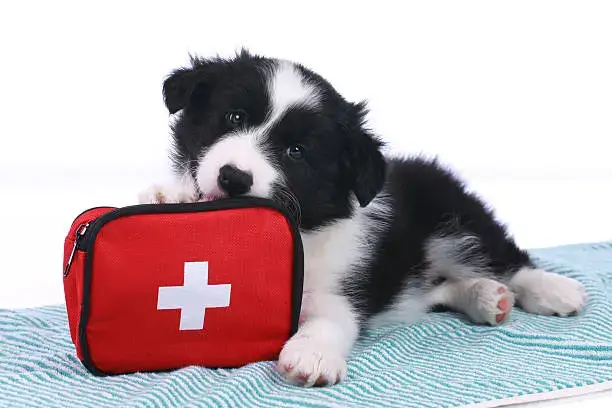
In the PetCareCompass framework, long-term Vision Stewardship is an act of Predictive Governance. Minor Eye Irritation often serves as an early somatic signal for environmental or structural vulnerabilities. By establishing a daily Ocular Audit Protocol, owners can identify shifts in Ocular Surface Homeostasis—such as subtle redness or changes in blink frequency—before they escalate into chronic inflammatory pathologies or vision impairment.
1. Somatic Auditing: The Daily Visual Inspection
We prioritize Diagnostic Observation. A daily 60-second inspection of the conjunctiva (the pink lining) and the corneal surface is mandatory. Owners must monitor for Antigenic Loading symptoms, such as mucoid buildup at the medial canthus or persistent squinting. In the PetCareCompass protocol, maintaining an Ocular Health Log allows you to detect seasonal patterns in Eye Irritation, enabling you to calibrate your preventative interventions with clinical precision.
2. Periorbital Debris Neutralization: Structural Governance
Structural hygiene is the foundation of vision protection. We implement Trichiasis Mitigation—the regular trimming of hair follicles around the ocular orbit to prevent mechanical abrasion of the cornea. This is combined with Periorbital Neutralization using sterile, isotonic wipes to remove environmental allergens and tear-stain bacteria. By ensuring the area surrounding the eye is free of debris, you eliminate the primary catalysts for recurring Eye Irritation and secondary infection.
Environmental Resilience: Protecting the Ocular Ecosystem
Maintaining Ocular Integrity requires a controlled environment. By neutralizing Allostatic Stressors—such as high-velocity wind, UV flux, and chemical irritants—you architect a stable ecosystem where the eye’s natural defenses can function at peak efficiency.
1. Clinical Application: The Border Collie Protocol
The case of Rocky, a Border Collie, illustrates the efficacy of Dynamic Ocular Governance. By identifying seasonal Antigenic Loading as the primary catalyst for his redness, his owner implemented Mechanical Shielding (goggles) during high-velocity exercise. When paired with daily Periorbital Neutralization, the result was a 100% reduction in recurring Eye Irritation. This evidence-based approach highlights that vision protection is a byproduct of consistent, small-scale somatic interventions.
2. Systemic Integration: Linking Ocular and Dermal Health
In the PetCareCompass architecture, ocular health is never isolated from systemic hygiene. A dog with unmanaged dermal pathogens or dirty paws is at significantly higher risk for self-inflicted Corneal Trauma. By integrating ocular checks into your broader Dog Hygiene Routine, you create a unified defensive barrier against pathogens. Safeguarding the periorbital environment ensures that the eye remains a closed, healthy ecosystem resistant to the stressors of a domestic lifestyle.
The Maya Mai Perspective
Canine Ocular Architect
“At PetCareCompass, I categorize long-term care as Vision Sovereignty. My rule: If you aren’t auditing the eye daily, you are Gambling with Sight. We don’t ‘hope’ for clear eyes; we Architect Resilience through Periorbital Neutralization and Mechanical Shielding. Mastery of the Seasonal Flux is what separates a healthy dog from a biologically secure one. Protect the portal to their soul.”
Strategic How-To: Eye Irritation Troubleshooting
1. What is the optimal frequency for Ocular Decontamination?
In the PetCareCompass protocol, we mandate a Daily Somatic Audit. If Antigenic Loading (debris/mucus) is present, implement Isotonic Irrigation immediately. For dogs with high environmental exposure, post-walk cleansing is essential to maintain Ocular Surface Homeostasis.
2. How to distinguish minor irritation from a clinical emergency?
Minor irritation typically responds to saline rinsing within 24 hours. A clinical emergency is marked by Acute Blepharospasm (persistent squinting), colored discharge (yellow/green), or a cloudy cornea, indicating a breach in Corneal Integrity.
3. Can systemic nutrition mitigate recurring Eye Irritation?
Yes. Bioavailable Omega-3 fatty acids and antioxidants (Lutein/Vitamin A) optimize Tear Film Stability. A robust tear film acts as a biological shield, neutralizing environmental irritants before they contact the sensitive corneal epithelium.
4. Are protective goggles a mandatory Ocular Guardrail?
For active dogs in high-velocity or high-particulate environments (beach, wind, construction), goggles are essential. They prevent Mechanical Impaction and UV-Induced Keratitis, architecting a safe ocular ecosystem during outdoor stressors.
Daily Ocular Governance Checklist
| Audit Level | Governance Action | Biological Objective |
|---|---|---|
| Visual Audit | Inspect for redness, swelling, or Photophobia | Early detection of Somatic Stress |
| Mechanical Audit | Trim periorbital hair (Trichiasis Mitigation) | Neutralizing Ocular Friction |
| Chemical Audit | Isotonic Saline Irrigation (0.9% NaCl) | Achieving Pathogen Clearance |
| Environmental Audit | Deploy goggles; clean indoor air filtration | Reducing Allostatic Load |
Conclusion: The Architecture of Ocular Resilience
Systemic Eye Irritation management is the foundation of vision longevity. By transitioning from passive observation to Metric-Driven Governance, owners neutralize the inflammatory burden of environmental pathogens. The integration of Isotonic Irrigation, Trichiasis Mitigation, and UV Shielding ensures a state of Ocular Surface Homeostasis that supports clarity, comfort, and significant vision resilience.
The Maya Mai Ocular Manifesto
“At PetCareCompass, we define vision as Architected Clarity, not just the absence of blindness. My final rule: If you aren’t auditing the eyes daily, you’re guessing with their world. We don’t ‘wipe away’ tears; we Neutralize Pathogen Loading. By mastering Isotonic Mechanics and Environmental Shielding, you are giving your dog a life without Ocular Friction. Precision is the purest form of vision protection.”
Find More Dog Care Guides
Continue exploring practical guides related to this topic.