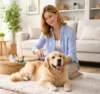
Executive Summary: Nail Cleaning and maintenance are foundational to a dog’s Biomechanical Alignment. Effective ungual care involves more than trimming; it requires the removal of Subungual Debris and the management of Keratin Integrity. Consistent maintenance prevents Quick Elongation and chronic Postural Compensation, ensuring Digital Integrity and long-term joint health.
In the PetCareCompass framework, we define Nail Cleaning as a strategic protocol for Biomechanical Traction. A dog’s nails are not merely aesthetic appendages; they are critical contact points that dictate the Structural Alignment of the entire musculoskeletal system. When nail maintenance is neglected, Keratin Overgrowth forces an unnatural shift in the dog’s gait, leading to Allostatic Load on the joints and irreversible skeletal compensation.
The Maya Mai Verdict
Canine Ungual Architect
“At PetCareCompass, my rule is absolute: ‘Long nails are the enemy of a healthy spine.’ We don’t just ‘clip’—we perform a Somatic Audit of the digital space. If you hear the ‘click’ of nails on a hard floor, the Biomechanical Alignment is already compromised. By architecting a precision routine for Nail Cleaning and recession management, you are ensuring your dog moves through life with Digital Sovereignty and zero pain.”
Structural Defense: The Clinical Necessity of Nail Cleaning
In the PetCareCompass framework, Nail Cleaning is a mandatory intervention for Postural Homeostasis. Canine nails serve as primary sensory and mechanical levers. When nails reach a length that creates ground contact during a neutral stance, they trigger an Unnatural Proprioceptive Feedback loop. This forces the dog to shift its weight backward, leading to Skeletal Misalignment and chronic strain on the cruciate ligaments and spinal column.
1. Neutralizing Keratin Fissures and Pathogen Loading
Neglected nails develop Structural Micro-Fractures that act as reservoirs for Subungual Pathogen Loading. These fissures can lead to Onychomycosis (fungal infection) or painful splits that expose the sensitive Digital Dermis. Consistent Nail Cleaning and trimming preserve the Keratin Integrity, sealing the nail plate against microbial invasion and ensuring the paw remains a sterile, functional unit.
2. Architecting Biomechanical Traction
Overgrown nails compromise Biomechanical Traction by preventing the paw pads from making full contact with the surface. This creates a state of Digital Instability, where the dog is prone to slips and joint hyperextension. Maintaining short, clean nails allows for Proprioceptive Accuracy, ensuring every step is supported by the musculoskeletal system’s natural shock-absorption mechanics.
Mechanical Governance: Auditing the Ungual Toolkit
Effective Nail Cleaning requires a technical audit of the Force Application tools used. Utilizing dull blades or inappropriate mechanical levers causes Ungual Crushing rather than clean shearing, which leads to nail splitting and pain. Architecting your toolkit for Mechanical Precision is the primary guardrail for safe nail maintenance.
1. Architecting a Low-Stimulus Environment
Precision in Nail Cleaning is impossible in a state of high Cortisol Flux. We mandate a Low-Stimulus Workspace with high-intensity shadow-free lighting. Utilizing Somatic Stabilization—such as non-slip mats—neutralizes Proprioceptive Stress, allowing the dog to remain stationary. This environmental governance is vital for accurately identifying the Vascular Quick and preventing accidental mechanical trauma.
2. Systemic Habituation and Reinforcement
At PetCareCompass, we treat Nail Cleaning as a Cooperative Protocol. We implement Positive Reinforcement Modeling to build Dopaminergic Feedback loops. By introducing the sensory vibration of a grinder or the tactile pressure of a clipper as precursors to high-value rewards, you neutralize the Avoidance Reflex. A calm dog is the architect’s best partner in maintaining a safe, clinical standard of digital hygiene.
The Maya Mai Perspective
Canine Ungual Architect
“At PetCareCompass, I view ‘clipping’ as a Surgical Interaction with the musculoskeletal system. My rule: If your tools are dull and your light is dim, you are Gambling with the Quick. We don’t ‘hack’ at nails; we Architect Recession. By choosing the right mechanical advantage and maintaining a state of Biological Calm, you ensure your dog’s Biomechanical Alignment remains uncompromised. Precision is the ultimate expression of love.”
Ungual Auditing: Evaluating Keratin Integrity

In the PetCareCompass framework, Nail Cleaning efficacy begins with a Structural Ungual Audit. Before applying mechanical force, you must evaluate the Keratin Density and identify any existing Ungual Fissures. Trimming a compromised nail without prior assessment can lead to catastrophic splintering, exposing the sensitive digital dermis to environmental Pathogen Loading.
[Image: Diagram of nail cross-section showing the keratin wall, quick, and sole]
1. Mapping Keratin Fissures and Density
Inspect each nail for Structural Instability such as longitudinal splits or chalky degradation. Overgrown nails often exhibit Keratin De-lamination, making them prone to shattering under the pressure of standard clippers. By auditing the thickness and strength of the nail plate, you determine whether to utilize Rotary Grinding for gradual reduction or high-leverage shearing tools to maintain Digital Integrity.
2. Identifying Divergence Markers and Digital Erythema
A healthy nail audit includes the surrounding Paronychial Tissue. Look for Digital Erythema (redness), swelling, or malodorous discharge at the nail base. These are Clinical Divergence Markers suggesting bacterial or fungal infection (Onychomycosis). If these markers are present, mechanical trimming must be suspended in favor of a veterinary audit to prevent the accidental systemic spread of pathogens through the Vascular Gateway.
Vascular Mapping: Protecting the Ungual Quick
The most critical guardrail in Nail Cleaning is the identification of the Vascular Quick. This living tissue contains the primary nerve supply and blood vessels of the nail. Precision Vascular Mapping is mandatory to prevent Acute Somatic Trauma and maintain the dog’s trust in the grooming protocol.
1. The “Black Dot” Protocol for Pigmented Nails
For dark nails where the Vascular Quick is invisible, we implement the Incremental Shearing Protocol. By removing thin horizontal layers of keratin, you will eventually observe a small, dark, moist circle at the center of the cut surface. This is the Proximity Marker. Upon detection, all mechanical shortening must cease. This architected approach ensures you achieve maximum Quick Recession without breaching the vascular wall.
2. Mitigation of Acute Somatic Trauma
A breach of the quick is more than a minor injury; it is a Somatic Trauma that can lead to lifelong Handling Aversion. Proper auditing includes preparing Hemostatic Agents beforehand. By mapping the quick’s location before the first cut, you architect a session focused on Structural Maintenance rather than emergency management. Knowledge of anatomy is the ultimate guardrail for Vascular Integrity.
The Maya Mai Perspective
Canine Ungual Architect
“At PetCareCompass, I view inspection as Vascular Intelligence. My rule: If you aren’t 100% certain where the quick ends, you don’t cut. We don’t ‘guess’ with Digital Integrity. By auditing the Keratin Wall and mapping the Vascular Pathway, you are architecting a state of Biological Security for your dog. A precise audit is the difference between maintenance and trauma.”
Somatic Stabilization: Architecting the Trimming Environment
In the PetCareCompass framework, Nail Cleaning efficacy begins with Somatic Stabilization. Any mechanical movement during the application of shearing force can lead to a breach of the Vascular Quick. By architecting a stable, non-slip workspace, you neutralize Proprioceptive Anxiety and ensure the dog’s weight is distributed evenly, allowing for a precise clinical audit of each digit.
1. Small Breed Ergonomics: Elevated Control
For small phenotypes, we recommend an elevated, non-slip surface. This minimizes Back Strain for the architect and provides Mechanical Advantage during the 45-degree cut. Supporting the thoracic region while isolating the limb prevents sudden Withdrawal Reflexes, ensuring that the Ungual Plane remains steady for the shearing process.
2. Large Breed Anchoring: Floor-Based Stability
Larger breeds require Floor-Based Somatic Anchoring. Position the dog on a rubberized mat to prevent paw splaying, which can lead to joint discomfort. Utilizing a “side-lying” position or a stable sit allows the architect to access the rear digits without triggering Postural Instability. Maintaining Calm Somatic Presence is the guardrail against reactive movements during high-force trimming.
Mechanical Force: The Incremental Shearing Protocol
Precision Nail Cleaning requires Incremental Shearing Dynamics. Rather than a single large cut, which risks Vascular Breach and nail crushing, we implement a layered approach. This technique facilitates Quick Recession over time, allowing for a shorter, more biomechanically efficient nail without causing somatic pain.
1. High-Velocity Shearing: The 45-Degree Rule
Apply clippers at a 45-degree angle relative to the floor. Use sharp, stainless steel blades to ensure a High-Velocity Shear. Dull tools compress the keratin wall, triggering pain receptors even if the quick is not touched. Remove only 1-2mm per pass, auditing the cut surface for the “Black Dot” proximity marker. This architectural precision ensures the maintenance of Digital Integrity throughout the session.
2. Thermal Friction Governance with Rotary Grinders
When utilizing a rotary grinder, Thermal Governance is mandatory. Continuous contact generates Frictional Heat that can transfer to the vascular quick, causing intense pain. Implement “Touch-and-Release” mechanics, limiting contact to 2-second intervals. Grinding rounds the sharp edges of the Keratin Plate, neutralizing the risk of furniture damage and self-inflicted scratches, while further encouraging Quick Recession.
Protocol Maintenance: Habituation and Systemic Governance
The Maya Mai Perspective
Canine Ungual Architect
“At PetCareCompass, we treat Nail Cleaning as a lifetime contract with your dog’s mobility. My rule: We don’t ‘clip’ to finish; we Architect for Postural Homeostasis. By implementing Incremental Shearing and maintaining Thermal Governance, you are neutralizing the pain and anxiety associated with grooming. Consistency is the foundation of Digital Sovereignty.”
Temporal Calibration: Managing the Biomechanical Load
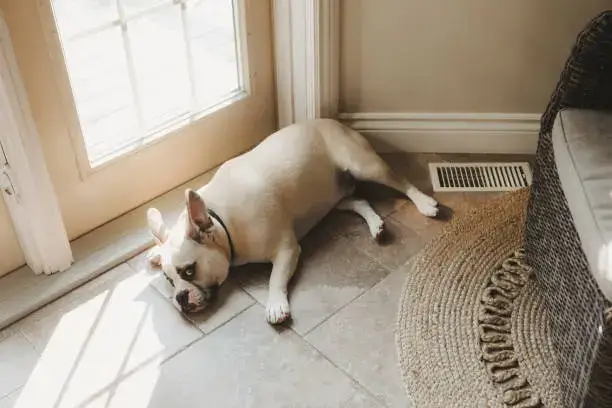
In the PetCareCompass framework, Nail Cleaning frequency is not a fixed schedule; it is a Biomechanical Load Calibration. Variations in breed weight, activity levels, and substrate density (surface hardness) dictate the rate of natural wear. By monitoring the Ungual Plane monthly, you ensure that Nail Overgrowth does not trigger Postural Distortion or digital pain.
1. Phenotype-Driven Frequency Calibration
Small phenotypes often exhibit rapid Ungual Hypertrophy (accelerated growth), requiring a 3-week maintenance cycle to prevent painful curling. Conversely, larger breeds with higher body mass may require longer 5-week cycles if they are frequently exercised on abrasive surfaces like concrete. Sedentary Governance is mandatory for senior or indoor dogs, where lack of natural wear necessitates more frequent mechanical intervention to preserve joint health.
2. Monitoring for Allostatic Load and Growth Flux
Adjust your Nail Cleaning routine based on visible Allostatic Load markers. If you observe nails beginning to rotate or lift the digital pads off the ground, the Structural Equilibrium is compromised. Monthly audits should specifically target Keratin Cracking and floor-dragging sounds. These auditory and visual cues are clinical indicators that the nail length is interfering with Biomechanical Traction, requiring immediate recession management.
Operational Guardrails: Neutralizing Human-Induced Trauma

Maintaining Digital Integrity requires strict adherence to Mechanical and Vascular Guardrails. Mistakes during Nail Cleaning—such as utilizing dull blades or breaching the quick—can lead to Vascular Gateways for infection and chronic Handling Aversion. By architecting a precision-focused routine, you minimize the risk of acute trauma and maintain the human-canine trust bond.
1. Incremental Mechanics for Dark Pigmentation
When managing dark nails, the Vascular Quick is optically hidden. We mandate the Incremental Shearing Protocol: remove thin 1mm shavings of keratin until you observe the central “Black Dot.” This moisture-rich circle is the Vascular Proximity Marker. Utilizing this gradual mechanical approach prevents the sudden pain of a full breach, allowing for maximum nail reduction while maintaining Digital Sovereignty.
2. Tool Integrity and Force Application
At PetCareCompass, we strictly prohibit the use of human clippers. Canine nails possess a cylindrical Keratin Sheath that requires 360-degree compression for a clean shear. Human tools apply flat-plane pressure, which crushes the nail and triggers the Nociceptive Pain Reflex. Invest in high-quality, scissor-style clippers or rotary grinders to ensure that Mechanical Force is applied with clinical precision, preserving the structural integrity of the claw.
The Maya Mai Perspective
Canine Ungual Architect
“At PetCareCompass, I view frequency as Postural Governance. My rule: If you hear the click, you’ve missed the audit. We don’t ‘cut’ nails; we Architect Recession. By choosing the correct mechanical advantage and calibrating your schedule to the dog’s Allostatic Growth Flux, you are ensuring a lifetime of Visual and Biomechanical Security. Discipline in frequency is the purest form of digital stewardship.”
Structural Specialization: Managing Phenotype-Driven Growth

In the PetCareCompass framework, Nail Cleaning is an adaptive protocol. Genetic variations in Keratin Density and growth rates mean that a one-size-fits-all approach is insufficient. By understanding the Architectural Vulnerabilities of specific phenotypes—from the rapid Ungual Hypertrophy in small breeds to the high-density shearing requirements of large breeds—you implement a maintenance routine that preserves Digital Integrity and joint health.
1. High-Growth Phenotypes: Preventing Digital Incurvation
Small breeds often experience accelerated Ungual Hypertrophy, where the nails grow in a rapid, downward arc. This increases the risk of Digital Incurvation (ingrown nails) penetrating the paw pads. Our protocol mandates high-frequency, low-volume trimming. By implementing Somatic Conditioning—short, positive sessions with high-value rewards—you neutralize the anxiety often associated with handling small, delicate paws.
2. High-Density Mechanics for Large Breeds
Large breeds possess nails with high Keratin Density, requiring significant shearing force. Utilizing substandard tools on these nails causes Mechanical Compaction, leading to shattering and pain. We mandate the use of high-leverage scissor clippers or industrial-grade rotary grinders. For these phenotypes, Biomechanical Stabilization—often requiring a secondary handler—ensures that the limb is isolated during force application, protecting the Vascular Quick.
Environmental Friction: Natural Attrition vs. Sedentary Growth
The rate of Keratin Wear is directly proportional to Environmental Friction. Active dogs naturally achieve a degree of Nail Recession, whereas sedentary dogs require full mechanical intervention to prevent Postural Displacement.
1. Implementing a Tactical Maintenance Routine
At PetCareCompass, we treat Nail Cleaning as a Proactive Structural Audit. For dogs sensitive to aural or tactile stimulation, implement “Micro-Trims”—removing only the tips of 1-2 nails per day. This reduces the Allostatic Load of the grooming session and fosters Cooperative Habituation. Maintaining Tool Hygiene by disinfecting blades after each session prevents the transfer of pathogens and preserves the mechanical sharpness required for a clean shear.
2. Monitoring for Clinical Divergence
Daily paw checks are an essential component of Visionary Wellness. Inspect the Interdigital Spaces for redness, swelling, or localized heat, which may indicate a breach in Digital Integrity. By combining routine nail maintenance with visual audits of the pads and cuticles, you architect a comprehensive defense against Onychomycosis and chronic inflammation, ensuring your dog’s musculoskeletal foundation remains sound through every life stage.
The Maya Mai Perspective
Canine Ungual Architect
“At PetCareCompass, I view breed-specific care as Safety Engineering. My rule: The smaller the paw, the more frequent the Structural Audit. We don’t ‘wait for growth’; we Architect Recession. By understanding the Bio-Mechanics of your dog’s lifestyle and phenotype, you are giving your dog a state of Postural Security. Precision isn’t just about length; it’s about the integrity of the gait.”
Strategic How-To: Ungual Governance Protocols
1. How to identify the “Quick” in dark pigmented nails?
Implement the Incremental Shearing Protocol. Remove thin 1mm shavings of keratin from the tip. Observe the center of the cut surface; once you detect a moist, dark “Black Dot,” you have reached the Vascular Proximity Marker. Cease all mechanical shortening immediately to preserve Vascular Integrity.
2. How to execute an Emergency Hemostatic Closure?
If a Vascular Breach occurs, remain calm to prevent heart rate escalation. Apply Styptic Powder with firm pressure directly to the site for 30 seconds. This creates a Hemostatic Seal on the exposed vessel. Suspend the session and provide high-value rewards to neutralize the Somatic Trauma response.
3. How to manage “Digital Handling Aversion” in nervous dogs?
Utilize Systemic Habituation. Begin by simply holding the paw without tools, pairing tactile contact with Dopaminergic Feedback (treats). Gradually introduce the sound of the clippers or the vibration of the grinder. This incremental exposure neutralizes the Avoidance Reflex, architecting a state of cooperative grooming.
4. How to select the correct Mechanical Force tool?
Choose based on Keratin Density. Large phenotypes require scissor clippers for high Shearing Force. Smaller breeds or sensitive dogs benefit from Rotary Grinders, which provide gradual recession and smoother edges. Never utilize human clippers, as they cause Ungual Crushing rather than clean shearing.
5. How to adjust frequency based on Natural Attrition?
Monitor the Environmental Friction your dog encounters. In high-activity periods on abrasive substrates (summer), natural wear reduces the need for mechanical intervention. During sedentary periods (winter), increase Structural Audits to every 2-3 weeks to prevent Postural Displacement and digital pain.
6. How to achieve safe Quick Recession for overgrown nails?
For severely overgrown nails, implement High-Frequency Maintenance (every 7-10 days). By removing the dry keratin tips regularly, you stimulate the Vascular Quick to recede further into the nail bed. This architectural approach gradually restores Biomechanical Alignment without the risk of an acute vascular breach.
Master Ungual Governance Checklist
| Audit Level | Governance Action | Biological Objective |
|---|---|---|
| Daily Audit | Inspect for fissures, redness, or floor-clicks | Monitoring Structural Load |
| Chemical Audit | Cleanse interdigital spaces with saline | Neutralizing Subungual Pathogens |
| Mechanical Audit | Incremental Shearing / Rotary Grinding | Maintaining Digital Integrity |
| Somatic Audit | Post-trim behavior and gait assessment | Verifying Postural Homeostasis |
Conclusion: The Foundation of Digital Sovereignty
Consistent Nail Cleaning and maintenance are the primary safeguards for your dog’s musculoskeletal longevity. By moving away from reactive clipping to Metric-Driven Ungual Governance, owners neutralize the chronic inflammatory stress caused by postural misalignment and keratin instability. The integration of Vascular Mapping, Incremental Shearing, and Structural Auditing ensures that the paws remain a sound foundation for Biomechanical Traction and a pain-free life.
The Maya Mai Ungual Manifesto
“At PetCareCompass, we define comfort as Architected Alignment. My final rule: If you aren’t auditing the ungual plane monthly, you are Gambling with the Joints. We don’t ‘tidy up’ paws; we Engineer Structural Recession. By mastering the 45-Degree Rule and maintaining Hemostatic Preparedness, you are giving your dog a life of Digital Sovereignty. Precision is the purest form of stewardship.”
Find More Dog Care Guides
Continue exploring practical guides related to this topic.