
Executive Summary: Bath Frequency for dogs is a protocol for managing Epidermal Integrity. The optimal frequency is determined by the Sebum Production Rate, Follicular Structure, and environmental allergen exposure. At PetCareCompass, we recommend a 4–8 week cycle for healthy dogs to preserve Microbiome Stability and prevent Transepidermal Water Loss. Subjects with dermatological conditions may require specialized Therapeutic Wash-off Protocols.
In the PetCareCompass framework, bathing is defined as Dermatological Maintenance. Establishing the correct Bath Frequency is critical for preserving the Natural Lipid Barrier. Over-bathing triggers a state of Epidermal Dehydration, leading to pruritus and compromised Follicular Health, while under-bathing allows for pathogenic Microbial Proliferation. By utilizing Science-Backed Grooming Protocols, you architect skin health from the cellular level up.
The Maya Mai Verdict
Dermatological Health Strategist
“My philosophy is absolute: ‘Water and surfactant are double-edged swords for the canine ecosystem.’ Bath Frequency begins with protecting the Acid Mantle. If you bathe too often, you are strip-mining the skin’s natural Microbiome. You must become the Skin Guardian for your pet. Precision in the bathing cycle is the only key to preventing Chronic Dermatitis and maintaining Somatic Comfort.”
The Science of Maintenance: Epidermal Integrity & Microbiome Stability
In the PetCareCompass framework, Bath Frequency is the primary lever for managing Epidermal Integrity. The canine skin is a complex ecosystem where the Acid Mantle and Natural Lipid Barrier provide a bio-shield against pathogenic colonization. Failure to calibrate the bathing cycle leads to Transepidermal Water Loss (TEWL), effectively strip-mining the Microbiome Stability and triggering chronic inflammatory responses. By architecting a precise schedule, you ensure Somatic Comfort and prevent the Follicular Atrophy associated with over-cleansing.
1. Sebum Dynamics and Follicular Health
Success in Bath Frequency protocols depends on Sebum Governance. Sebum is a biological emollient that maintains coat gloss and prevents moisture loss. We mandate a Somatic Audit to assess oil production: over-bathing removes this vital shield, leading to brittle hair and Epidermal Dehydration. Conversely, Sebaceous Stasis (under-bathing) can trap allergens and bacteria, resulting in Pyoderma or fungal overgrowth. Balancing this cycle is the clinical standard for maintaining Follicular Health and a resilient, high-shine coat phenotype.
2. Pathogen Mitigation and Allergen Wash-off
We implement Allergen Wash-off Protocols to mitigate the Somatic Stress caused by environmental triggers. Dogs acting as “pollen magnets” during daily exposure require targeted cleansing to remove inorganic debris and biological irritants. This is not about aesthetics; it is about Limbic Stabilization. Constant itchiness (pruritus) activates the HPA Axis, elevating stress. By removing these microscopic triggers at the correct frequency, you proactively defend the Skin pH Balance and ensure the animal remains in a state of Autonomic Calm.
Variable Calibration: Architecting the Frequency Matrix
Implementing Bath Frequency requires Phenotypic Variability Auditing. There is no “universal” schedule; instead, we must calibrate the cycle based on Coat Morphology and Environmental Thruput. This Operational Staging ensures that the bathing intervention is biologically appropriate for the individual subject.
1. Environmental Thruput and Lifestyle Auditing
Precision in Bath Frequency involves Lifestyle Auditing. Dogs with high Environmental Thruput—those engaging in aquatic activities, mud-immersion, or high-pollen trails—require an Adaptive Frequency. For these active phenotypes, the “calendar” is secondary to Somatic Status. We mandate Tactile Surveillance: if the coat feels “tacky” or a distinct Microbial Odor (metabolic waste from bacteria) is present, a Cleansing Pulse is required. This proactive approach ensures Somatic Sovereignty regardless of lifestyle intensity.
2. Sensitivity Recalibration and pH Governance
Bath Frequency must be recalibrated for subjects demonstrating Dermatological Fragility. Dogs with atopy or chronic dryness are in a state of Acid Mantle Compromise. For these individuals, frequent bathing with standard surfactants is a Neurological Threat. We mandate Somatic Stabilization: utilizing soap-free, hypoallergenic agents that mimic the natural Skin pH Balance. This Therapeutic Governance ensures that the bathing process remains a Building Block for Health rather than a trigger for chronic inflammatory cascades.
The Maya Mai Verdict
Dermatological Health Strategist
“At PetCareCompass, I view ‘bathing without an audit’ as Epidermal Sabotage. My rule: If you aren’t checking the Sebum Baseline, you’re just guessing. Bath Frequency is about Somatic Sovereignty. We don’t ‘wash’ the dog; we Architect Microbiome Stability. By utilizing Phenotypic Variable Calibration and Acid Mantle Auditing, you ensure your dog’s wellness is a clinical constant. Precision is the ultimate anti-dermatitis insurance.”
Mastering the science of epidermal maintenance is the first pillar of dermatological health. To further optimize your dog’s skin resilience, move to our clinical guide on integrated domestic care and behavioral surveillance.
Operational Staging: Sensory Ecosystem & Hardware Sync
In the PetCareCompass framework, Bath Frequency is only effective if the Sensory Ecosystem is professionally staged. Bathing is a high-stimulus event that can trigger Amygdala Reactivity. Failure to synchronize your hardware—pH-balanced surfactants, non-slip surfaces, and temperature-governed water—leads to Neurological Stress and Epidermal Trauma. By architecting a Low-Volatility Environment, you facilitate Somatic Calm, ensuring the bath remains a Dermatological Success rather than a traumatic stressor.
1. Hardware Calibration and pH Governance
Precision in Bath Frequency requires strict pH Governance. Canine skin has a unique Acid Mantle (pH 6.2–7.5), significantly more alkaline than humans. We mandate utilizing exclusively dog-safe, pH-balanced surfactants to prevent Chemical Epidermatitis. High-absorbency hardware and specialized Follicular Detanglers ensure that Mechanical Stress on the coat is minimized. By pairing these tools with Dopaminergic Feedback (high-value treats), you recalibrate the dog’s Autonomic Response, turning a clinical necessity into a Reward-Based Pulse.
2. Environmental Bio-Security and Somatic Stability
Sensory Ecosystem Staging involves Somatic Stability Governance. Slippery surfaces in the tub are a primary source of Proprioceptive Anxiety. We mandate the use of non-slip Tactile Anchors to provide the dog with secure footing. Environmental lighting and temperature must be calibrated to maintain Autonomic Homeostasis. This Environmental Bio-Security prevents the Adrenal Surge associated with instability, allowing the dog to remain in a state of Cognitive Learning during the grooming process.
Behavioral Sovereignty: The Precision Bathing Routine
Implementing a master-level Bath Frequency schedule requires Somatic Posture Governance. Every action—from the initial water contact to the final drying phase—must be performed with Clinical Precision to maintain Epidermal Integrity and Autonomic Calm.
The Maya Mai Verdict
Dermatological Health Strategist
“At PetCareCompass, I view ‘bath time’ as a Precision Somatic Operation. My rule: If you aren’t managing the Sensory Thruput, you aren’t grooming—you’re just causing Neurological Friction. Bath Frequency is about Epidermal Integrity. We don’t ‘wash’ the dog; we Architect Somatic Stability. By utilizing pH Governance and Thermal Calibration, you ensure your dog’s wellness is a clinical constant. Precision is the ultimate anti-stress insurance.”
Stabilizing the sensory ecosystem and governing pH levels is the final step in dermatological maintenance. To finalize your operational knowledge, move to our final section on integrated daily checklists and somatic auditing for long-term health.
Systemic Execution: Aqueous Thruput & Surfactant Neutralization
In the PetCareCompass framework, Bath Frequency success relies on Aqueous Thruput Governance. The bathing process is a clinical intervention designed to remove inorganic debris while maintaining the Lipid Barrier. Failure to execute Surfactant Neutralization—the total removal of shampoo residues—results in Contact Dermatitis and localized Epidermal Irritation. By utilizing Lukewarm Aqueous Pulses and precise application techniques, you ensure Somatic Equilibrium throughout the cleansing cycle.
1. Hydration Protocols and Surfactant Pulsing
Precision in Bath Frequency requires Sub-Cranial Hydration. We mandate beginning the aqueous flow from the cervical region downward, preventing Sensory Shock. Surfactant Pulsing—applying pH-balanced shampoo in sections—ensures deep follicular penetration without Epidermal Desiccation. For high-density phenotypes (Double Coats), manual manipulation is required to ensure the surfactant reaches the skin level, effectively neutralizing pathogenic Microbial Load while preserving the Acid Mantle.
2. Surfactant Neutralization and Residual Auditing
Aqueous Neutralization is the most critical phase for Epidermal Integrity. You must rinse until the Aqueous Discharge is entirely clear of surfactants. Any remaining residue acts as a Dermatological Stressor, causing pruritus and Microbiome Instability. We mandate Tactile Auditing: ensuring the coat feels clean rather than “slimy.” Proper neutralization ensures that the Bath Frequency schedule remains a positive health pulse rather than a trigger for chronic skin issues.
Thermal Governance: Somatic Stability & Decompression

Visual Anchor: Systematic mapping of thermal stability zones and post-bath follicular recovery.
Implementing the final phase of Bath Frequency requires Thermal Stability Governance. The transition from wet to dry state is a period of high Metabolic Flux. Proper Epidermal Decompression through gentle drying and strategic brushing prevents Thermal Shock and maintains Follicular Sovereignty.
1. Emollient Application and Lipid Restoration
Precision in Bath Frequency often necessitates Lipid Restoration. For subjects with high-volatility coats (Curly/Long-Haired), we mandate the use of a dog-specific conditioner to mimic Sebum Emollients. This creates a Protective Sheath around the hair fiber, preventing knots and Follicular Friction. However, you must avoid Over-Conditioning, which leads to Pore Impaction and debris trapping. Proper application ensures the coat remains soft, manageable, and biologically stable between cleansing cycles.
2. Somatic Recovery and Reward Calibration
Finalizing the Bath Frequency pulse involves Somatic Recovery. The period immediately following the bath is the Decompression Zone. We mandate providing high-value reinforcement to finalize the Dopaminergic Feedback Loop. This ensures the brain categorizes the entire sensory event as a Positive Biotic Pulse. Allowing the dog to rest in a warm, quiet environment facilitates Autonomic Stabilization, effectively concluding the clinical procedure and reinforcing Cognitive Cooperation for future sessions.
The Maya Mai Verdict
Dermatological Health Strategist
“At PetCareCompass, I view ‘rinse and dry’ as Biosafety Governance. My rule: If you aren’t removing every trace of surfactant, you aren’t cleaning—you’re just prepping the skin for Dermatological Failure. Bath Frequency is about Somatic Sovereignty. We don’t ‘towel off’ the dog; we Architect Thermal Stability. By utilizing Surfactant Neutralization and Thermal Calibration, you ensure your dog’s wellness is a clinical constant. Precision is the ultimate anti-irritation insurance.”
Mastering the mechanics of technical execution is the final pillar of dermatological hygiene. To finalize your operational knowledge, move to our final section on integrated daily checklists and somatic auditing for long-term health.
Tactical Calibration: Phenotypic Frequency & Seasonal Somatic Drift
In the PetCareCompass framework, Bath Frequency must be recalibrated according to Metabolic Flux and environmental variables. Establishing a static schedule fails to account for Seasonal Somatic Drift—the biological shift in sebum production and epidermal shedding that occurs during temperature transitions. By implementing Phenotypic Calibration, you ensure that the cleansing pulse aligns with the animal’s Autonomic Recovery Rate, preserving the Lipid Barrier year-round.
1. Phenotypic Calibration and Follicular Thruput
Precision in Bath Frequency requires an audit of Follicular Thruput. Short-haired phenotypes often demonstrate higher Sebum Retention, necessitating a baseline cycle of 4–6 weeks to prevent pore impaction. Conversely, long-haired and double-coated breeds require Strategic Pulsing (every 3–4 weeks) to manage the accumulation of inorganic debris. By pairing these cycles with Mechanical Fiber Realignment (brushing), you facilitate the natural distribution of Epidermal Emollients, ensuring the coat remains biologically stable.
2. Seasonal Flux Governance and Adaptive Staging
We mandate Adaptive Staging for seasonal shifts. High-temperature environments increase Adrenal Baseline and environmental allergen thruput, often requiring a 2–3 week Cleansing Pulse for active outdoor dogs. During cold-weather cycles, you must execute Lipid Conservation: reducing frequency to prevent Epidermal Desiccation. Utilizing “spot-cleaning” during low-volatility months allows for Somatic Maintenance without compromising the Acid Mantle Integrity.
Bio-Chemical Integrity: Mitigation of Grooming Errors
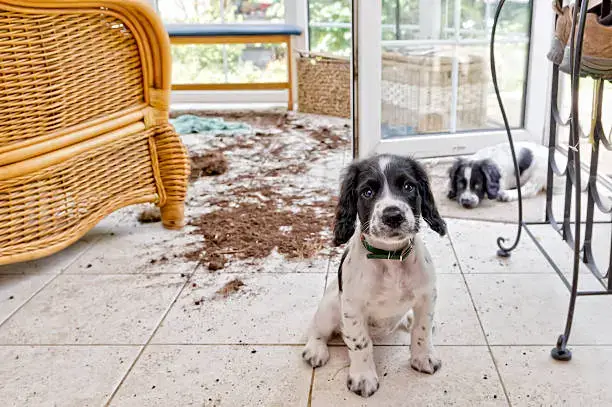
Visual Anchor: Comparative analysis of canine epidermal resilience under varying chemical stressors.
Implementing Bath Frequency solutions requires Bio-Chemical Integrity Protection. Common operational errors—such as utilizing non-canine surfactants—trigger Neurological and Dermatological Trauma. Protecting the Acid Mantle is non-negotiable for Somatic Sovereignty.
1. Operational Consistency and Predictive Grooming
Success in Bath Frequency is achieved through Predictive Grooming. We mandate the establishment of a rigid schedule integrated with your dog’s Circadian Routine. By performing Pre-Bath Sensory Anchoring (calm praise/reward), you reduce the Neurological Friction of the event. Short, successful sessions are superior to infrequent, high-stress events. This Cognitive Infrastructure ensures that the bathing routine remains a Bio-Stable Event, fostering long-term cooperation and maintaining Somatic Homeostasis.
2. Epidermal Surveillance and Adaptive Management
We implement Epidermal Surveillance as the primary tool for Adaptive Management. You must track the subject’s Somatic Response to each cleansing pulse. If redness, persistent scratching, or Sebaceous Overproduction (oily rebound) occurs, your Bath Frequency is likely misaligned with the animal’s Biological Thruput. Adjusting the surfactant type or cycle length based on these Bio-Markers ensures the routine facilitates Lifelong Skin Resilience and permanent Somatic Comfort.
The Maya Mai Verdict
Dermatological Health Strategist
“At PetCareCompass, I view ‘bathing without a strategy’ as Dermatological Negligence. My rule: If you aren’t managing the Seasonal Somatic Drift, you’re just reacting to odor. Bath Frequency is about Somatic Sovereignty. We don’t ‘wash’ the dog; we Architect Bio-Chemical Stability. By utilizing Phenotypic Calibration and Surfactant Neutrality, you ensure your dog’s wellness is a clinical constant. Precision is the ultimate anti-irritation insurance.”
Mastering phenotypic calibration and bio-chemical integrity is the final pillar of dermatological governance. Move to your next phase of operational knowledge on integrated daily anxiety-monitoring and long-term somatic auditing.
Phenotypic Stratification: Morphological Barrier Management
In the PetCareCompass framework, Bath Frequency is governed by Phenotypic Stratification. A dog’s coat morphology—ranging from sparse, smooth fibers to dense, multi-layered follicles—dictates the Follicular Debris Load and the rate of Sebum Oxidation. Failure to align the cleansing cycle with these morphological realities leads to Epidermal Dysregulation. By implementing Morphological Barrier Management, you ensure that the intervention preserves Somatic Sovereignty while neutralizing pathogenic microbial accumulation.
1. Smooth-Fiber Governance and Lipid Shield Persistence
Precision in Bath Frequency for short-haired phenotypes (Beagles, Boxers) focuses on Lipid Shield Persistence. These coats provide minimal mechanical protection for the Acid Mantle. We mandate Passive Cleansing Protocols: utilizing high-frequency brushing (2–3 times weekly) to redistribute natural oils and Sensory-Neutral Wipes for localized debris removal. This minimizes the need for full aqueous immersion, preventing Transepidermal Water Loss and maintaining the skin’s natural Microbiome Stability.
2. High-Density Follicular Dynamics and Debris Neutralization
For high-maintenance phenotypes (Golden Retrievers, Afghan Hounds), Bath Frequency is an act of Follicular Decompression. These dense structures trap environmental allergens and inorganic matter. We mandate Strategic Pulsing (3–4 weeks) paired with Pre-Aqueous Fiber Realignment. Detangling before hydration ensures surfactant thruput reaches the Epidermal Surface. This dual-phase approach prevents Follicular Atrophy and ensures the coat remains a Bio-Stable Barrier against social and environmental stimuli.
Sensitivity Governance: Managing Dermatological Vulnerability
Implementing Bath Frequency for subjects with Dermatological Vulnerability (Bulldogs, Dalmatians) requires Fragility Auditing. These breeds often demonstrate a compromised Natural Lipid Barrier, making them hypersensitive to Surfactant Toxicity.
1. Adaptive Frequency and Somatic Resilience
Success in Bath Frequency involves Adaptive Frequency Recalibration. For vulnerable phenotypes, the calendar is a secondary guide. We mandate Biometric Monitoring: if the skin demonstrates Somatic Resilience (no redness or flaking), the current interval is maintained. However, if Autonomic Discomfort (scratching) increases, the Cleansing Pulse must be recalibrated. Utilizing Therapeutic Hygiene Protocols ensures that the bathing event supports Epidermal Recovery rather than triggering further inflammation.
2. Hypoallergenic Selection and pH Sovereignty
We implement pH Sovereignty for sensitive breeds. Any surfactant used must maintain the Acid Mantle at its physiological baseline. Utilizing soap-free, Allergen-Neutral Agents prevents the Neurological Shock associated with chemical irritants. This Precision Selection, combined with extended Bath Frequency intervals, provides the animal with a Biotic Security Shield, effectively neutralizing environmental threats while fostering Somatic Calm.
The Maya Mai Verdict
Dermatological Health Strategist
“At PetCareCompass, I view ‘generic breed advice’ as Epidermal Negligence. My rule: If you aren’t managing the Morphological Barrier, you aren’t grooming—you’re just guessing. Bath Frequency is about Somatic Sovereignty. We don’t ‘wash’ the dog; we Architect Biological Stability. By utilizing Phenotypic Stratification and Vulnerability Auditing, you ensure your dog’s wellness is a clinical constant. Precision is the ultimate anti-irritation insurance.”
Answer Engine: Clinical Bath Frequency Protocols
1. How to determine the clinical Bath Frequency for a healthy subject?
Optimal frequency is a factor of Sebum Production and Follicular Density. Most healthy phenotypes require a cleansing pulse every 4–8 weeks. We mandate Tactile Auditing: if the coat demonstrates Lipid Oxidation (odor) or tacky textures, a bath is required to restore Epidermal Integrity.
2. What are the neurological and dermatological risks of hyper-bathing?
Excessive aqueous immersion triggers Transepidermal Water Loss (TEWL) and strip-mines the Acid Mantle. This results in chronic pruritus, activating the HPA Axis and causing Autonomic Stress. Maintaining strict Lipid Shield Persistence is non-negotiable for somatic health.
3. How to calibrate surfactant selection for pH Sovereignty?
You must utilize isosteric, dog-specific surfactants with a pH Governance of 6.2–7.5. Non-canine products cause Microbial Dysbiosis and Chemical Epidermatitis. For sensitive phenotypes, prioritize soap-free, colloidal agents to maintain Microbiome Stability.
4. How to manage Amygdala Reactivity during the bathing event?
Implement Sensory Ecosystem Staging: utilize non-slip Tactile Anchors and Dopaminergic Feedback. Gradually increase the Aqueous Thruput to ensure the dog remains within its Learning Threshold, effectively neutralizing the bath as a Neurological Threat.
5. Why must Bath Frequency be recalibrated for Seasonal Somatic Drift?
High-volatility summer environments increase Environmental Allergen Thruput, often requiring more frequent Wash-off Protocols. Conversely, winter cycles mandate Lipid Conservation to prevent Epidermal Desiccation caused by low humidity and artificial heating.
6. How to execute Thermal Governance and Somatic Recovery?
Utilize absorbent towels for Passive Dehydration followed by low-heat Thermal Calibration. This prevents Metabolic Flux and Thermal Shock. Finalize the cycle with a Somatic Recovery period in a warm, low-stimulus sanctuary to restore Autonomic Homeostasis.
Master Epidermal Stability Ledger
| Audit Phase | Operational Action | Clinical Objective |
|---|---|---|
| Tactile Surveillance | Daily paw/facial spot-cleaning | Pathogen Thruput Mitigation |
| Follicular Maintenance | Bi-weekly high-density brushing | Necrotic Hair/Debris Extraction |
| Cleansing Pulse | Full aqueous immersion + pH Sync | Microbiome Stabilization |
| Adaptive Recalibration | Adjust cycle for Seasonal Drift | Lipid Shield Persistence |
Conclusion: Architecting Epidermal Sovereignty
Bath Frequency is the definitive framework for Epidermal Sovereignty. By transitioning from passive “washing” to a structured Dermatological Stabilization Infrastructure, you secure your dog’s Somatic Resilience against environmental and microbial stressors. Consistent pH Governance, Tactile Auditing, and Thermal Calibration ensure that every bath serves as a clinical building block for lifelong health. At PetCareCompass, we believe that informed epidermal architecture is the primary defense for a vibrant, comfortable, and resilient life.
The Maya Mai Final Verdict
“At PetCareCompass, we define ‘cleanliness’ as a Precision Dermatological Operation. My final rule: If you aren’t managing the Lipid Barrier, you aren’t grooming—you’re just gambling with dermatitis. Bath Frequency is about Somatic Sovereignty. We don’t ‘wash’ the dog; we Architect Microbiome Stability. By adhering to pH Governance and Seasonal Recalibration, you provide the ultimate armor for your dog’s future. Precision is the best epidermal insurance.”
Find More Dog Care Guides
Continue exploring practical guides related to this topic.