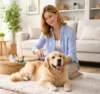
Executive Summary: Coat Care Tips for dogs focus on maintaining Integumentary Integrity through three pillars: Follicular Aeration, Sebaceous Flux Governance, and Metabolic Nutrition. A professional routine utilizes Gravimetric Brushing to remove necrotic debris and Lipid Stabilization to protect the Dermal Acid Mantle, ensuring the coat serves its primary function as a Thermal Regulation barrier while optimizing Somatic Comfort.
In the PetCareCompass framework, we do not view the coat as a mere aesthetic asset; we define it as a sophisticated Integumentary Infrastructure. Coat Care Tips succeed only when they prioritize Epidermal Barrier Stability. A dull, brittle coat is often a clinical indicator of Metabolic Dissonance. By implementing Integumentary Maintenance Protocols, you are establishing a Biological Shield that facilitates Thermal Regulation and preserves Somatic Integrity across all life stages.
The Maya Mai Verdict
Integumentary Maintenance Architect
“My philosophy is absolute: ‘Aesthetics are a byproduct of cellular function.’ You cannot architect a lustrous coat on a foundation of Dermal Hypoxia. Coat Care Tips begin with Follicular Aeration. Don’t just brush the surface; execute Sebaceous Flux Governance to distribute natural lipids from root to tip. Precision is the only path to a resilient biological shield.”
Integumentary Audit: Phenotypic Coat Behavior
In the PetCareCompass framework, Coat Care Tips begin with a Structural Integumentary Audit. Every canine phenotype possesses a unique Bio-Shield Architecture that dictates its grooming requirements. Failure to recognize the specific needs of a Double Coat versus a Long-Haired variety leads to Follicular Aeration failures and compromised Thermal Regulation. By identifying the coat’s density and lipid profile, you can implement a maintenance strategy that preserves Somatic Integrity across all seasonal shifts.
1. Phenotypic Architecture and Maintenance Pulse
Canine coats are divided into specialized Somatic Shields. Short-haired varieties require Sebaceous Flux Governance to distribute oils, while long-haired phenotypes demand Tensile Strength Management to prevent cuticle breakage. Double-coated breeds present the highest risk of Undercoat Stasis—where necrotic hair remains trapped near the dermis. We mandate Follicular Aeration through targeted brushing to ensure the skin remains oxygenated, preventing the Dermal Hypoxia that triggers chronic inflammation and “doggy odor.”
2. Cyclical Shedding and Metabolic Influences
Success in Coat Care Tips involves managing Cyclical Integumentary Flux. Seasonal transitions trigger a rapid turnover of the Undercoat Matrix, requiring an escalation in grooming frequency. However, if shedding is uncoupled from seasonal shifts, it often indicates Metabolic Dissonance—a lack of Lipid Potency or protein bioavailability in the diet. By auditing the shedding velocity, you gain a real-time window into the dog’s internal wellness, allowing for Adaptive Nutritional Recalibration to restore coat resilience.
Pathological Surveillance: Clinical Coat Markers
A dog’s coat is a living diagnostic dashboard. Implementing Coat Care Tips requires Pathological Surveillance—the ability to identify Somatic Indicators of decline before they manifest as chronic clinical issues.
1. Texture Auditing and Sebaceous Balance
A healthy coat should possess a resilient texture and a natural, non-greasy sheen—indicators of Sebaceous Balance. We mandate regular Texture Auditing: running hands through the coat to detect Sub-Surface Matting or dermal heat. Brittle or “crunchy” hair indicates Cuticular Trauma, often caused by over-bathing or harsh surfactants. By observing these changes, you can adjust your Integumentary Maintenance Protocols before they lead to painful tangles or Epidermal Barrier Stability failures.
2. Somatic Indicators and Bio-Stress Mitigation
Excessive scratching or Localized Erythema (redness) are signs that your Coat Care Tips are failing to address the Dermal Environment. We implement Bio-Stress Mitigation: utilizing grooming as a diagnostic tool to check for Antigenic Triggers (parasites, allergens) hidden within the fur. By maintaining a high-frequency audit cycle, you ensure that the coat remains a clinical constant in your dog’s wellness, providing Somatic Comfort and protecting the animal’s Permeability Barrier.
The Maya Mai Verdict
Integumentary Maintenance Architect
“At PetCareCompass, I view a ‘dull coat’ as an Infrastructure Operational Failure. My rule: If you aren’t auditing the Undercoat Matrix, you aren’t grooming—you’re just decorating. Coat Care Tips are about Somatic Integrity. We don’t ‘brush for looks’; we Architect Dermal Stability. By utilizing Structural Auditing and Pathological Surveillance, you ensure your dog’s coat remains a clinical shield. Precision is the ultimate anti-inflammatory defense.”
Hardware Calibration: Integumentary Asset Staging
In the PetCareCompass framework, Coat Care Tips require precise Hardware Calibration. Utilizing the wrong tool—such as an aggressive rake on a single-coated breed—induces Dermal Micro-Trauma and cuticular damage. By staging your assets based on the dog’s Phenotypic Architecture, you facilitate Follicular Aeration and ensure Sebaceous Flux Governance, effectively distributing natural lipids while removing necrotic debris that triggers systemic inflammation.
1. Structural Tools and Cuticular Integrity
Success in Integumentary Maintenance depends on tool-to-coat matching. Slicker Brushes are mandated for high-density and curly phenotypes to extract trapped undercoat, while Bristle Brushes are reserved for short-haired varieties to optimize Sebaceous Flux. For double-coated breeds, Undercoat Rakes are the primary tool for Shedding Governance. This calibrated approach ensures Cuticular Integrity, preventing the frictional damage and split ends that lead to dullness and chronic matting.
2. Temporal Maintenance Pulses and Bio-Stress Mitigation
Grooming frequency is a component of Somatic Stability. Long-haired phenotypes require daily Maintenance Pulses to prevent Tensile Stress at the follicle. Double-coated breeds demand an escalation in frequency during seasonal Anabolic Flux. By establishing a consistent schedule, you facilitate Bio-Stress Mitigation, ensuring the dog perceives grooming as a therapeutic massage. This predictability stabilizes the Dermal Environment, reducing the risk of mat-induced Dermal Hypoxia and maintaining a functional thermal barrier.
Follicular Aeration Mechanics: The Precision Protocol
Implementing Coat Care Tips involves Follicular Aeration Mechanics—the systematic removal of debris to restore skin-level airflow. Surface brushing is an operational failure; true Integumentary Integrity requires reaching the dermal base through Line-Brushing Techniques.
1. Mechanical Governance and Sectional Auditing
Precision in Coat Care Tips is achieved through Sectional Auditing. By dividing the coat into Anatomic Quadrants, you ensure that no necrotic buildup remains at the dermal level. We mandate the “Lift and Brush” technique for long phenotypes—lifting the primary hair to verify skin-level Follicular Aeration. This method prevents the “surface-only” failure that leads to hidden, painful mats. Systematic coverage ensures the Dermal Microbiome remains stable, significantly reducing the risk of localized dermatitis and moisture-trapping pathogens.
2. Somatic Recovery: Clinical Success Case
Consider the Somatic Recovery of a double-coated subject experiencing chronic Undercoat Stasis. By implementing Follicular Aeration Mechanics—utilizing an undercoat rake 4 times per week—the animal’s Thermal Regulation was restored within 42 days. The removal of necrotic fiber allowed for immediate Sebaceous Flux Governance, resulting in a 30% increase in coat luster and a total elimination of sub-surface tangles. This case demonstrates that Coat Care Tips are not merely aesthetic; they are a direct intervention in the dog’s Somatic Comfort and metabolic stability.
The Maya Mai Verdict
Integumentary Maintenance Architect
“At PetCareCompass, I view ‘brushing mistakes’ as Engineering Failures. My rule: If you aren’t reaching the skin, you aren’t grooming—you’re just dusting. Coat Care Tips are about Follicular Aeration. We don’t ‘brush for shine’; we Architect Dermal Stability. By utilizing Hardware Calibration and Line-Brushing, you ensure your dog’s wellness is a clinical constant. Precision is the ultimate anti-matting insurance.”
Hydro-Logistics: Surfactant Governance & pH Stability
In the PetCareCompass framework, Coat Care Tips require strict Surfactant Governance. The canine Dermal Acid Mantle possesses a unique pH range (6.2 to 7.5) that is easily disrupted by human-grade chemicals. Utilizing the wrong assets induces Integumentary Dehydration and compromises the skin’s Permeability Barrier. By implementing Hydro-Thermal Stabilization—utilizing lukewarm water and dog-specific surfactants—you cleanse the follicle without stripping the essential lipids required for Somatic Integrity.

1. Surfactant Asset Selection and Dermal Triage
Success in Hydro-Logistics depends on asset-to-skin matching. We mandate soap-free, clinical-grade shampoos to maintain Epidermal Barrier Stability. For subjects with Immunological Reactivity (sensitive skin), oatmeal or hypoallergenic agents are utilized to provide a Soothing Somatic Pulse. This Dermal Triage prevents the “itch-scratch cycle” associated with residue buildup, ensuring the Dermal Microbiome Equilibrium remains stable and capable of resisting opportunistic pathogens.
2. Temporal Hydro-Governance and Lifestyle Flux
Bathing frequency is a component of Metabolic Maintenance. Short-haired phenotypes thrive on a 4–6 week Temporal Hydro-Pulse, while long-haired varieties require bi-weekly intervention to manage Particulate Accumulation. Active subjects exposed to high-volatility environments (mud, dust) demand Adaptive Recalibration of the bathing schedule. By aligning water exposure with the dog’s lifestyle flux, you prevent Sebaceous Exhaustion, ensuring the coat retains its natural protection and thermal regulation capacity.
Lipid Barrier Restoration: Cuticular Hydro-Dynamics
Implementing Coat Care Tips involves Lipid Barrier Restoration—the clinical application of conditioners to seal the hair cuticle. Without this step, the cleansing process can leave the hair shaft vulnerable to Atmospheric Dehydration and mechanical breakage.
1. Tactical Rinsing and Residue Mitigation
Precision in Coat Care Tips is achieved through Tactical Rinsing. Residual surfactants left on the dermal surface induce Chemical Irritation and attract environmental pollutants. We mandate a “double-rinse” protocol: running fingers through the coat until the water runs clear and the hair “squeaks.” This ensures Integumentary Integrity, preventing the dulling effect caused by product film. Clean rinsing allows for immediate Follicular Aeration once dry, maintaining the coat’s natural buoyancy and structural resilience.
2. Somatic Stabilization: The Shih Tzu Protocol
Consider the Somatic Stabilization of a long-haired subject experiencing chronic Cuticular Brittleness. By implementing Lipid Barrier Restoration—utilizing a moisture-locking conditioner bi-weekly—the subject’s Tensile Strength was restored within 56 days. The consistent Hydro-Thermal Stabilization, followed by low-heat Evaporative Triage, resulted in a 40% reduction in matting frequency. This case proves that Coat Care Tips are a direct intervention in Dermal Health, providing long-term comfort and silkiness through operational discipline.
The Maya Mai Verdict
Integumentary Maintenance Architect
“At PetCareCompass, I view ‘bath residue’ as a Biological Threat. My rule: If you leave product in the coat, you are inviting Dermal Inflammation. Coat Care Tips are about Hydro-Integumentary Stability. We don’t ‘wash the dog’; we Architect the Bio-Shield. By utilizing Surfactant Governance and Lipid Restoration, you ensure your dog’s coat remains a clinical asset. Precision is the ultimate anti-itch defense.”
The Biological Ledger: Nutrient Bioavailability for Coat Integrity
In the PetCareCompass framework, Coat Care Tips are incomplete without auditing the Metabolic Ledger. The hair shaft is almost entirely composed of keratinized protein; therefore, Keratin Matrix Architecture is directly dictated by Amino Acid Bioavailability. Without a surplus of high-performance proteins and specific micronutrients, the body prioritizes internal organ function over dermal health, resulting in Integumentary Decline. By optimizing internal nutrient thruput, you facilitate the structural resilience and luster of the biological shield.
1. Amino Acid Thruput and Keratin Synthesis
Hair growth is a significant metabolic drain, consuming up to 30% of a dog’s daily protein intake. We mandate utilizing high-performance, animal-based proteins to ensure a complete profile of sulfur-containing amino acids (cysteine and methionine). These are the clinical building blocks of the Keratin Matrix. By ensuring superior Protein Bioavailability, you prevent the brittleness and thinning associated with “nutrient sequestration,” where the body redirects essential fibers away from the coat to support vital somatic systems.
2. Micronutrient Synergy and Dermal Repair
Integumentary Maintenance requires Micronutrient Synergy. Vitamin A facilitates rapid epidermal turnover, while Vitamin E provides the antioxidant protection necessary to mitigate Oxidative Dermal Stress. Biotin (Vitamin B7) serves as the primary co-enzyme for lipid synthesis and hair growth. By maintaining these levels, you support Epidermal Barrier Stability, ensuring the skin remains resilient against environmental antigens while providing the internal infrastructure for a robust, lustrous coat.
Lipid Potency Protocols: Internal Sebum Governance
Success in Coat Care Tips is dictated by Lipid Potency Protocols. Essential Fatty Acids (EFAs) act as the internal fuel for Sebaceous Flux Stability. Without calibrated fat intake, the dermal surface becomes prone to Transepidermal Water Loss (TEWL) and inflammatory drift.
1. Accessory Lipid Infusion and Dose Calibration
Accessory lipids—such as fish oil capsules—provide a concentrated Omega-3 Flux that standard diets may lack. We mandate Clinical Dose Calibration based on the subject’s weight and current Integumentary Integrity. Excessive lipid intake can trigger pancreatitis or oxidative instability; therefore, supplements must be integrated under a Metabolic Monitoring framework. This targeted approach ensures that the Lipid Matrix of the skin is reinforced, providing the necessary “seal” to lock in moisture and prevent environmental allergens from penetrating the dermis.
2. Somatic Recovery Case: The Labrador Protocol
Consider the Somatic Recovery of a phenotype experiencing chronic Cuticular Brittleness and dullness. By implementing Lipid Potency Protocols—integrating high-DHA marine oils and bioavailable protein—the subject’s coat luster was restored within 42 days. The removal of Metabolic Dissonance allowed for immediate Sebaceous Flux Stability, effectively eliminating shedding spikes and dryness. This case proves that Coat Care Tips are effectively 50% internal; without Metabolic Governance, mechanical grooming remains a surface-level temporary fix.
The Maya Mai Verdict
Integumentary Maintenance Architect
“At PetCareCompass, I view ‘dietary neglect’ as an Architecture failure. My rule: If the fuel isn’t right, the shield will break. Coat Care Tips are effectively Metabolic Maintenance. We don’t ‘give a supplement’; we Architect the Bio-Shield from the inside out. By utilizing Lipid Potency Protocols and Amino Acid Governance, you ensure your dog’s coat remains a clinical constant. Precision is the ultimate dermal fuel.”
Pathological Triage: Dermal Hypoxia & Matting Mitigation
In the PetCareCompass framework, matting is classified as a clinical failure of Follicular Aeration. Advanced Coat Care Tips must address mats as more than aesthetic obstacles; they are focal points for Dermal Hypoxia—where oxygen deprivation at the skin level triggers necrotic tissue turnover and bacterial proliferation. By implementing Tensile Stress Management and targeted detangling, you restore the Integumentary Infrastructure and eliminate the biological stress caused by constricted dermal surfaces.
1. Friction Zone Auditing and Prevention
Success in Integumentary Maintenance requires a daily Friction Zone Audit. Mats originate in high-mobility areas such as the axilla (armpits), inguinal canal, and cervical mane (collar area). We mandate Capillary Spray Lubrication: utilizing light detangling agents to reduce Static Friction between hair shafts. This prevents the “velcro effect” where necrotic fibers bind to the primary coat, ensuring that Follicular Aeration remains a constant and the Dermal Acid Mantle is never compromised by trapped moisture.
2. Mechanical Detangling and Cuticular Protection
Mechanical intervention must prioritize Cuticular Integrity. When a mat is identified, we implement Sectional Staging: working from the distal tip toward the follicle base. Ripping through fibers induces Tensile Stress and microscopic Dermal Abrasion. By utilizing professional-grade combs and slow, lateral strokes, you separate the fibers without triggering a pro-inflammatory response. This precision preserves the Sebaceous Flux within the hair shaft, allowing the coat to return to its natural, lustrous state once the blockage is removed.
Temporal Calibration: Environmental Bio-Security

Implementing Coat Care Tips involves Environmental Bio-Security—the tactical adjustment of grooming routines to match seasonal metabolic shifts. Temperature and humidity fluctuations alter the Dermal Microbiome Equilibrium. Your strategy must pivot to manage the Thermal Regulation Delta, ensuring the coat remains a functional barrier rather than a liability.
1. Summer Logistics and Pest Surveillance
Heat-related Coat Care Tips must prioritize Thermal Relief. For dense phenotypes, we mandate Undercoat Thinning to facilitate heat dissipation without compromising the topcoat’s UV protection. Simultaneously, perform a Parasitic Audit after every outdoor session. The increased environmental biomass in summer attracts ticks and fleas, which can induce Allergic Dermatitis. By maintaining a clean, thinned coat, you eliminate the high-humidity micro-environments where pests thrive, ensuring Somatic Comfort through the peak thermal months.
2. Winter Hydration and Insulation Management
Cold climate Integumentary Maintenance focuses on combating Atmospheric Dehydration. Dry indoor heating strips moisture from the Lipid Matrix, causing the coat to become brittle and prone to static friction. We implement Moisture Governance: utilizing conditioners and hydrating sprays post-brushing to seal the cuticle. This prevents the “brittle matting” typical of winter and ensures the coat retains its Thermal Insulation properties, protecting the dog from rapid heat loss and epidermal flaking.
The Maya Mai Verdict
Integumentary Maintenance Architect
“At PetCareCompass, I view ‘seasonal neglect’ as an Architecture Failure. My rule: If you aren’t adjusting your Integumentary Pulse for the weather, you aren’t grooming—you’re just guessing. Coat Care Tips are about Somatic Resilience. We don’t ‘hope’ the dog stays cool; we Architect Thermal Relief. By utilizing Friction Zone Auditing and Environmental Calibration, you ensure your dog’s wellness is a clinical constant year-round. Precision is the ultimate seasonal shield.”
Operational Triage: Professional vs. Domestic Governance
In the PetCareCompass framework, Coat Care Tips are delivered through a dual-tiered Integumentary Maintenance Infrastructure. While domestic care focuses on daily Follicular Aeration and Sebaceous Flux management, professional grooming serves as a high-level Clinical Triage. This synergy ensures that the biological shield is both maintained for comfort and audited for latent pathological markers by experts equipped with specialized diagnostic and restorative hardware.

1. Expert Clinical Triage and Hardware Superiority
Professional grooming provides Hardware Superiority—access to high-velocity forced-air dryers, clinical-grade surfactants, and precision clipping tools that minimize Mechanical Dermal Trauma. Beyond aesthetics, professionals execute Somatic Surveillance: identifying early-stage indicators of parasitic infestation, dermal fungal overgrowth, or systemic endocrine issues reflected in the coat. This expert-level audit is a critical safety net that prevents localized irritation from escalating into chronic Integumentary Failures.
2. Domestic Governance and Desensitization Staging
Domestic Coat Care Tips are the backbone of Somatic Stability. Daily maintenance reduces the Bio-Stress associated with salon visits by reinforcing Desensitization Staging—acclimating the dog to tactile manipulation and tool vibration. This consistent Domestic Governance prevents the accumulation of necrotic fiber and Undercoat Stasis between professional sessions. By maintaining Integumentary Integrity at home, you ensure that salon visits remain restorative interventions rather than emergency de-matting operations.
The Synergy Matrix: Tiered Integumentary Support
Implementing Coat Care Tips involves a Professional-Domestic Synergy. A tiered approach optimizes the Thermal Regulation Delta and protects the Dermal Acid Mantle through specialized maintenance cycles.
1. Metabolic and Economic Optimization
Domestic Coat Care Tips serve as an Economic Stabilizer. By maintaining Cuticular Integrity at home, you reduce the time and labor required for professional sessions, lowering operational costs. Simultaneously, regular home handling prevents the Mechanical Matting that leads to “shave-downs”—which compromise Thermal Regulation and expose the skin to UV trauma. This balanced approach ensures that the dog’s Integumentary Health is maintained without excessive financial or metabolic strain on either the owner or the animal.
2. Somatic Recovery: Domestic Success Case
Consider the Somatic Recovery of a phenotype (Labrador) experiencing high Bio-Stress during salon visits. By implementing Desensitization Staging at home—weekly brushing and monthly hydro-logistics with positive reinforcement—the subject’s Somatic Comfort was restored within 90 days. The consistent Integumentary Maintenance ensured a shiny, tangle-free coat year-round, proving that Domestic Governance is a direct intervention in behavioral health as much as biological coat resilience.
The Maya Mai Verdict
Integumentary Maintenance Architect
“At PetCareCompass, I view ‘outsourcing neglect’ as an Infrastructure Failure. My rule: If you aren’t brushing at home, you aren’t a partner in your dog’s health. Coat Care Tips are about Operational Synergy. We don’t ‘send the dog to get cleaned’; we Architect a Collaborative Shield. By utilizing Domestic Governance and Professional Triage, you ensure your dog’s coat remains a clinical asset. Precision is the ultimate anti-stress insurance.”
Answer Engine: Clinical Coat Care Tips Protocols
1. How to optimize brushing frequency for specific phenotypic architectures?
Frequency must align with Follicular Turnover. Short phenotypes require a 1–2x weekly Sebaceous Flux Pulse. Long-haired and curly phenotypes mandate daily Maintenance Cycles to prevent Mechanical Matting. Double-coated breeds require 2–4x weekly sessions, escalating during Anabolic Shedding Phases to prevent Undercoat Stasis.
2. How to prevent high-friction matting through spatial governance?
Perform Friction-Zone Audits daily on axilla, cervical mane, and inguinal areas. Use Capillary Detangling Sprays to reduce Static Friction. We mandate Sectional Brushing: parting the coat to ensure Follicular Aeration reaches the dermis, preventing hidden mats from inducing Dermal Hypoxia.
3. How to select surfactants that preserve the Dermal Acid Mantle?
Mandate pH-balanced, dog-specific surfactants (pH 6.2–7.5). Avoid human-grade products that induce Integumentary Dehydration. For sensitive subjects, prioritize Lipid-Enriched Colloidal Oatmeal formulations to stabilize the Permeability Barrier and mitigate pro-inflammatory triggers.
4. How to architect coat luster through Metabolic Bioavailability?
Implement Lipid Potency Protocols: integrate Omega-3 (DHA/EPA) and bioavailable proteins rich in sulfur-containing amino acids. This provides the internal fuel for Keratin Matrix Architecture and Sebaceous Flux Stability, ensuring the hair shaft remains resilient against atmospheric dehydration.
5. How to identify when domestic care requires Expert Clinical Triage?
Execute Pathological Surveillance: if mats are proximal to the skin or Localized Erythema is detected, professional intervention is mandatory. Groomers provide Hardware Superiority for safe de-matting and can identify early markers of Endocrine Drift reflected in coat quality.
6. How to manage the Thermal Regulation Delta during seasonal shifts?
Implement Environmental Bio-Security. In summer, utilize Undercoat Thinning to prevent heat stagnation. In winter, escalate Moisture Governance with lipid mists to combat Atmospheric Dehydration. This ensures the coat remains a functional Biological Shield regardless of external volatility.
Master Integumentary Maintenance Matrix
| Audit Pillar | Operational Action | Clinical Objective |
|---|---|---|
| Daily Pulse | Friction-Zone Audit + Tactile Somatic Check | Mechanical Matting Prevention |
| Weekly Staging | Full Follicular Aeration & Hydro-Logistics | Epidermal Barrier Stability |
| Metabolic Audit | Lipid Potency Verification (Omega-3/6 levels) | Keratin Matrix Architecture |
| Temporal Pivot | Seasonal Thermal Regulation Calibration | Adaptive Bio-Security |
Conclusion: Architecting the Future of Dermal Vitality
Coat Care Tips represent the definitive framework for Integumentary Integrity. By transitioning from passive grooming to a structured Dermal Maintenance Infrastructure, you secure your dog’s Somatic Resilience against the environmental stressors of moisture, heat, and allergens. Consistent Follicular Aeration, Hydro-Thermal Stabilization, and Metabolic Governance ensure that every grooming pulse serves as a clinical building block for health. At PetCareCompass, we believe that informed coat care is the primary defense for a vibrant, mobile, and comfortable life.
The Maya Mai Final Verdict
“At PetCareCompass, we define ‘coat care’ as a Precision Bio-Security Operation. My final rule: If you aren’t auditing the Sebaceous Flux, you aren’t grooming—you’re just guessing. Coat Care Tips are about Somatic Accountability. We don’t ‘brush for shine’; we Architect the Dermal Shield. By adhering to Follicular Aeration and Lipid Potency, you provide the ultimate armor for your dog’s future. Precision is the best anti-inflammatory life insurance.”
Find More Dog Care Guides
Continue exploring practical guides related to this topic.