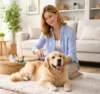
Understanding What Affects Coat Shine
Maintaining a shiny coat involves more than just brushing. A dog’s coat reflects its internal health, grooming habits, and environmental exposure. By understanding these factors, you can implement strategies that address the root causes of dull fur.
Diet and Nutrition
Essential Fatty Acids
Omega-3 and omega-6 fatty acids are critical for healthy skin and a glossy coat. Include fish oil or flaxseed oil supplements to support natural shine.
Protein Intake
High-quality protein promotes hair growth and strengthens the coat. Feed balanced meals with real meat, eggs, or high-quality kibble.
Hydration
Proper hydration keeps the skin supple and fur shiny. Ensure fresh water is always available, and encourage your dog to drink regularly.
Health and Medical Factors
Skin Conditions
Dry skin, eczema, or infections can dull your dog’s coat. Regular vet checkups help identify and treat underlying conditions.
Allergies
Food or environmental allergies often manifest as dull, brittle fur. Identifying triggers improves coat health.
Parasites
Fleas and mites irritate the skin and affect hair quality. Regular parasite prevention maintains a healthy, shiny coat.
Environmental Factors
Humidity and Temperature
Extreme heat or cold can dry out the skin, affecting shine. Consider adjusting your grooming and hydration routines seasonally.
Bathing Frequency
Over-bathing removes natural oils, while under-bathing leaves dirt and oil buildup. Finding the right balance is key for a glossy coat.
Grooming Practices to Enhance Coat Shine
Proper grooming is a cornerstone of shiny fur. Consistent brushing, bathing, and finishing techniques distribute natural oils and remove debris, enhancing coat luster.
Brushing Techniques
Frequency by Breed
- Short-haired breeds: 2–3 times per week
- Long-haired breeds: Daily brushing to prevent tangles and mats
- Curly or double-coated breeds: At least 2–4 times per week to remove loose undercoat
Tools for Different Fur Types
- Slicker brushes for long, thick coats
- Rubber curry brushes for short, dense coats
- Comb for detangling curls or knots
Bathing Tips
Choosing the Right Shampoo
Use dog-safe shampoos designed for shine enhancement. Avoid human products—they disrupt the skin’s pH and natural oils.
Water Temperature and Rinsing
Warm water helps remove dirt without irritating the skin. Rinse thoroughly to prevent residue that can dull the coat.
Drying and Finishing
Towels vs. Blow Dryers
Pat dry with towels first. Use a low-heat blow dryer if needed, keeping it at a safe distance to avoid overheating the skin.
Final Brushing for Smoothness
After drying, brush in the direction of hair growth. This distributes oils evenly and gives the coat a polished, glossy finish.
At-Home Treatments for Shiny Fur
Beyond brushing and bathing, certain at-home treatments can dramatically improve coat shine. These are safe, easy, and can be added to your regular grooming routine.
Coat Conditioning Sprays
Choosing Dog-Safe Products
Select sprays labeled for dogs, free from harsh chemicals. Ingredients like aloe vera or natural oils can boost shine.
Application Tips
Spray lightly on the coat and comb through. Avoid the eyes, ears, and mouth for safety.
Natural Oils and Supplements
Coconut Oil, Fish Oil, Flaxseed
These oils nourish skin and hair from the inside and outside. Fish oil capsules are particularly effective for soft, glossy fur.
Dosage and Safety
Introduce supplements gradually and consult your vet for appropriate doses. Overuse can cause digestive upset.
Homemade Masks
Ingredients That Work
Mix yogurt, honey, or small amounts of olive oil for a simple, natural coat mask.
Frequency of Use
Apply 1–2 times per month. Rinse thoroughly to prevent residue buildup and maintain natural shine.
Tips for Quick Coat Shine Improvements:
- Brush regularly according to breed type
- Feed a balanced diet with high-quality protein and omega fatty acids
- Use dog-safe conditioning sprays after baths
- Avoid over-bathing and harsh chemicals
- Reward your dog during grooming to create a positive experience
Mini Case Study:
Charlie, a Golden Retriever, had a dull, dry coat despite regular baths. After introducing weekly brushing, fish oil supplements, and occasional conditioning sprays, his coat became soft, glossy, and more manageable within a few weeks.
Breed-Specific Coat Shine Tips
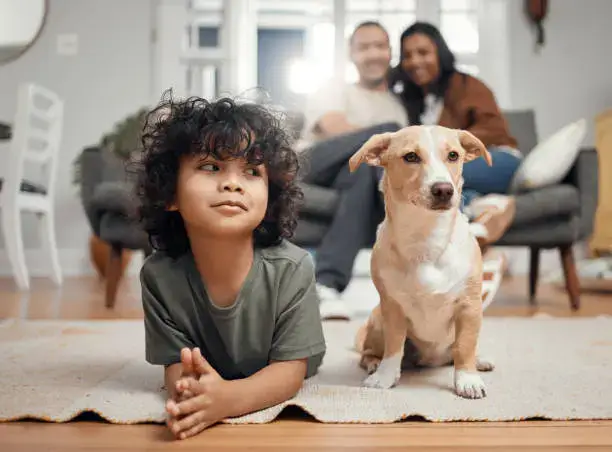
Different dog breeds have unique coat types, so tailoring your grooming routine is key to achieving maximum shine. By understanding breed-specific needs, you can prevent matting, reduce dullness, and maintain healthy fur.
Short-Haired Breeds
Dogs like Beagles or Boxers have short coats that require minimal brushing but benefit from occasional grooming to remove loose hairs and distribute natural oils.
Nutritional Focus
Short-haired breeds respond quickly to diet changes. Adding omega fatty acids and high-quality protein often produces noticeable shine improvements in just a few weeks.
Grooming Tips
- Brush 2–3 times per week with a rubber curry brush
- Use dog-safe coat sprays occasionally for extra sheen
- Monitor for skin dryness or flakiness
Long-Haired Breeds
Breeds like Afghan Hounds or Shih Tzus require daily brushing to prevent tangles and mats, which can dull the coat. Use slicker brushes for gentle detangling.
Bathing Considerations
Long-haired dogs need thorough rinsing to remove shampoo residue. Consider a conditioning rinse to enhance softness and shine.
Grooming Tips
- Work in sections to manage long fur
- Trim split ends or uneven hair for a polished look
- Use a leave-in conditioner if recommended by your vet
Curly or Double-Coated Breeds
Breeds like Poodles or Golden Retrievers have curly or dense undercoats that trap debris. Regular brushing is essential to maintain smoothness and shine.
Tools for Shine
Use wide-tooth combs and slicker brushes to remove loose hair and stimulate natural oil production.
Grooming Tips
- Schedule frequent grooming sessions
- Bathe every 4–6 weeks or as needed
- Dry carefully to avoid tangles
Diet and Supplements for a Healthy, Shiny Coat
Nutrition is one of the most effective ways to improve coat shine. A diet rich in essential nutrients supports skin health and hair growth from the inside out.
Key Nutrients for Glossy Fur
Omega-3 and Omega-6 Fatty Acids
These healthy fats reduce dryness and inflammation, producing soft, shiny fur. Sources include fish oil, flaxseed, and high-quality dog foods enriched with fatty acids.
High-Quality Proteins
Protein strengthens hair follicles, improves hair density, and supports a natural shine. Include lean meats, eggs, or specialized kibble formulated for skin and coat health.
Supplement Recommendations
Fish Oil Capsules
Fish oil provides concentrated omega-3s, which support healthy skin and fur. Introduce gradually and follow your vet’s recommendations for dosage. Incorporating Coat Shine Tips like adding fish oil can significantly improve your dog’s coat texture. Many dog owners find that combining fish oil with other Coat Shine Tips enhances softness and luster. Regular use of fish oil is one of the most effective Coat Shine Tips for maintaining a glossy, healthy coat. Using these Coat Shine Tips consistently ensures better results over time. Applying Coat Shine Tips alongside fish oil supplements helps distribute natural oils and reduces dryness. By following these simple Coat Shine Tips, your dog’s fur becomes shinier and more vibrant. For best results, integrate these Coat Shine Tips into your dog’s weekly grooming routine.
Biotin and Vitamin E
These nutrients enhance hair growth and protect skin from damage. Using biotin and vitamin E as part of your routine complements a balanced diet and is one of the key Coat Shine Tips. Supplements alone are not enough; they work best when combined with other Coat Shine Tips, including regular brushing and proper nutrition. Implementing these Coat Shine Tips supports overall fur health and shine.
Tips for Effective Nutritional Support:
- Always check with your vet before adding supplements
- Gradually introduce dietary changes to avoid digestive upset
- Combine nutrition with regular grooming for best results using simple Coat Shine Tips
Mini Case Study:
Luna, a Labrador Retriever, had a dull, brittle coat due to insufficient omega-3 intake. After adding fish oil supplements and a high-quality protein diet, and applying daily Coat Shine Tips, her coat became noticeably softer and shinier in just 6 weeks.
Common Mistakes That Dull Your Dog’s Coat
Even with proper grooming and diet, certain mistakes can reduce coat shine. Avoiding these errors ensures your dog’s fur remains healthy and glossy.
Over-Bathing
Stripping Natural Oils
Frequent bathing removes essential oils, leaving the coat dry and dull. Stick to a recommended bathing schedule based on breed and activity level.
Recommended Bathing Frequency
- Short-haired breeds: every 4–6 weeks
- Long-haired breeds: every 3–4 weeks
- Curly/dense breeds: every 4–6 weeks, plus spot cleaning as needed
Using Human Products
Harsh Chemicals
Shampoos for humans often contain detergents and fragrances that irritate dog skin and strip oils.
pH Differences
Dog skin has a different pH than humans. Always use dog-specific products to maintain coat health.
Ignoring Regular Brushing
Build-Up of Dirt and Debris
Neglecting brushing allows dirt to accumulate, making the coat appear dull and uneven.
Reduced Oil Distribution
Brushing distributes natural oils along the hair shaft, enhancing shine and softness. Skipping this step diminishes the coat’s natural luster.
Tips to Avoid Coat-Dulling Mistakes:
- Stick to a consistent grooming schedule
- Use only dog-safe shampoos and conditioners
- Brush regularly to distribute natural oils
- Observe seasonal changes that may affect coat condition
Professional Grooming vs. DIY Coat Shine Maintenance
Deciding whether to rely on professional grooming or manage your dog’s coat at home depends on breed, coat type, and your comfort level. Both approaches offer unique benefits for maintaining shine and health, and incorporating the right Coat Shine Tips ensures your dog’s fur stays glossy and healthy. Choosing between professional grooming and DIY coat care can be guided by understanding the most effective Coat Shine Tips for your dog’s specific coat type.
Benefits of Professional Grooming
Expertise and Tools
Professional groomers use specialized brushes, trimmers, and conditioning treatments to enhance coat appearance safely. Their experience allows them to apply advanced Coat Shine Tips, avoiding mistakes that could dull the coat or irritate the skin. Many groomers incorporate Coat Shine Tips during each session to maintain natural oils and overall coat health.
Spotting Skin Issues
Groomers can detect early signs of skin infections, parasites, or coat problems that may be missed at home. By combining these inspections with proven Coat Shine Tips, your dog’s coat can stay healthy and vibrant throughout the year.
Advantages of DIY Grooming
Cost-Effective
Grooming at home reduces salon visits while allowing consistent maintenance. Following practical Coat Shine Tips such as regular brushing, occasional baths, and dietary support keeps your dog’s fur soft, shiny, and manageable, all in a cost-effective way.
Bonding and Routine Control
DIY grooming strengthens the bond between you and your dog. Applying gentle Coat Shine Tips during home sessions makes grooming stress-free and enjoyable, while your dog becomes accustomed to handling.
Flexibility
Home grooming allows you to manage sessions based on your dog’s schedule and tolerance. Using simple Coat Shine Tips consistently ensures less anxiety for both you and your pet, while maintaining a glossy, healthy coat. Integrating Coat Shine Tips daily or weekly guarantees that even busy owners can keep their dog’s fur looking its best.
Daily and Weekly Coat Shine Checklist
Maintaining a glossy coat requires consistency. Use this checklist to ensure your dog’s coat stays healthy and lustrous.
Daily Checklist:
- Brushing: Brush your dog according to breed and coat type to remove loose hairs and distribute natural oils.
- Spot Cleaning: Wipe paws, face, and areas prone to dirt or debris. This helps prevent dullness caused by trapped grime.
- Checking for Parasites or Irritation: Inspect for fleas, ticks, redness, or dry patches. Early detection helps maintain coat health.
Weekly Checklist:
- Bathing and Conditioning: Use dog-safe shampoos and conditioners appropriate for your dog’s coat. Avoid over-bathing to prevent stripping natural oils.
- Supplement Administration: Provide recommended doses of fish oil, biotin, or other coat-supporting supplements. Monitor your dog for any digestive reactions.
FAQ: Coat Shine Tips
How can I safely increase my dog’s coat shine?
Combine regular brushing, proper diet, occasional conditioning treatments, and appropriate supplements. Always use dog-safe products.
Are natural oils better than commercial products?
Natural oils like coconut or fish oil enhance shine and skin health, but dog-safe commercial products can also provide targeted results. Balance both approaches as needed.
How often should I groom different breeds?
Short-haired: 2–3 times per week.
Long-haired: Daily brushing.
Curly/dense coats: 2–4 times per week, plus spot cleaning.
Tips for Maintaining a Shiny Coat:
- Keep grooming sessions short but consistent
- Reward calm behavior to create positive associations
- Observe seasonal changes that may affect coat condition
- Combine at-home grooming with professional care as needed
Mini Case Study:
Milo, a Poodle, had curly, dull fur that tangled easily. By incorporating daily brushing, fish oil supplements, and monthly professional grooming sessions, Milo’s coat became soft, shiny, and tangle-free within two months.
Final Thoughts on Achieving a Shiny Coat for Your Dog
Maintaining a glossy, healthy coat requires a combination of proper grooming, nutrition, and consistent care. By understanding what affects coat shine, implementing breed-specific routines, and using safe at-home treatments, you can dramatically improve your dog’s fur appearance. Regular brushing, proper bathing techniques, and targeted supplements work together to enhance natural oils, prevent dullness, and support overall skin health.
Whether you choose professional grooming or DIY maintenance, consistency and attention to detail are key. Incorporating daily and weekly checklists, monitoring your dog for irritation or parasites, and rewarding calm behavior during grooming ensure a stress-free experience for both you and your dog. With patience, the right tools, and these proven coat shine tips, your dog’s fur can remain soft, shiny, and vibrant year-round.
Find More Dog Care Guides
Continue exploring practical guides related to this topic.