
This guide provides practical, step-by-step Coat Detangling techniques for dogs of all coat types. You’ll learn how to safely remove tangles, prevent mats, and maintain a smooth, healthy coat while keeping grooming sessions calm and enjoyable for your dog.
Understanding the Importance of Coat Detangling
Regular Coat Detangling is critical for your dog’s coat health and comfort. Mats and tangles can trap dirt, moisture, and parasites, leading to skin issues.
Health Benefits
Prevents Skin Irritation and Infections
Matted fur pulls on the skin, causing discomfort and possible infection. Regular detangling reduces these risks.
Promotes Healthy Hair Growth
Removing tangles stimulates hair follicles and allows new hair to grow smoothly.
Comfort and Mobility
Reduces Pulling and Discomfort
Tangles can pull on sensitive areas like underarms, ears, and tail base. Detangling relieves this stress.
Improves Overall Dog Mobility
A smooth coat prevents restricted movement and allows your dog to play and walk comfortably.
Common Mistakes
Brushing Too Aggressively
Pulling harshly on tangles can hurt your dog and damage the coat.
Ignoring Small Tangles
Neglecting small knots leads to larger mats that are harder to remove.
Tools and Supplies for Effective Coat Detangling
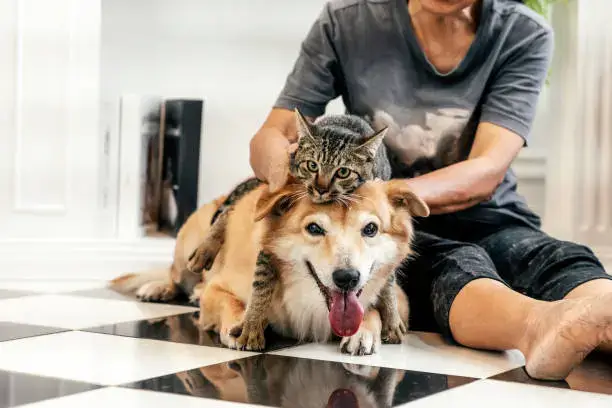
Choosing the right tools ensures safe and efficient Coat Detangling.
Essential Tools
Slicker Brushes for Fine Tangles
Ideal for removing surface-level tangles and loose hair without hurting the dog.
Comb Types for Long or Curly Coats
Wide-tooth combs for curly or dense coats; fine-tooth combs for detail work on stubborn mats.
Optional Supplies
Detangling Sprays or Conditioners
Sprays soften the coat, making knots easier to work through without pulling.
Grooming Gloves for Sensitive Areas
Gloves are useful for dogs who dislike brushes or have sensitive skin.
Preparing Your Dog
Create a Calm Environment
Choose a quiet, well-lit area with a non-slip surface to reduce stress.
Use Positive Reinforcement and Treats
Offer treats, gentle praise, and reassurance to keep your dog calm.
Step-by-Step Coat Detangling Techniques
A systematic approach makes Coat Detangling stress-free and effective.
Identifying Tangles and Mats
Start with Visible Tangles
Begin at the areas most prone to mats: behind ears, under legs, tail, and belly.
Check Hard-to-Reach Areas
Lift hair in sections to ensure no hidden tangles remain.
Detangling Method
Work from Ends to Roots
Gently comb from the tip of the hair toward the base, holding the hair near the root to minimize pulling.
Hold the Base of the Hair to Reduce Pulling
Supports the skin and prevents discomfort.
Handling Stubborn Mats
Use Detangling Spray or Conditioner
Softens dense mats for easier removal.
Cut Mats Carefully if Necessary
For very tight mats, carefully use scissors with rounded tips, avoiding skin contact.
Highlights & Tips
- Identify tangles early to prevent mats
- Use appropriate brushes and combs for coat type
- Hold hair near roots while detangling to reduce pulling
- Use detangling sprays for stubborn knots
- Reward calm behavior to make grooming stress-free
- Inspect hidden areas like under legs, ears, and tail
- Maintain a regular grooming routine for all coat types
Tips for Different Coat Types

Adjust Coat Detangling techniques depending on your dog’s coat type and length to ensure comfort and effectiveness.
Short-haired Dogs
Use Soft Brushes
Short-haired dogs rarely form mats, but gentle brushing removes loose hair and minor tangles.
Quick Detangling Sessions
Spend 5–10 minutes per session to keep coat smooth and shiny without stressing your dog.
Long-haired Dogs
Section Hair and Detangle Gradually
Divide long hair into manageable sections to prevent pulling. Focus on ends first, then work toward the base.
Frequent Brushing to Prevent Mats
Daily brushing reduces tangles and keeps hair healthy. Mini-case: A Golden Retriever with neglected coat developed multiple mats that were easily avoided with 10-minute daily sessions.
Curly-coated Dogs
Use Wide-tooth Combs
Curly coats require combs that can pass through dense curls without breaking hair strands.
Keep Hair Moisturized to Avoid Tangles
Use detangling spray or leave-in conditioner for dry or wiry hair.
Handling Anxious Dogs During Detangling
Some dogs resist Coat Detangling due to discomfort, fear, or past negative experiences.
Gradual Desensitization
Start with Short Sessions
Begin with 1–2 minutes per area, gradually increasing session length.
Touch Paws and Ears Gently
Accustom your dog to handling sensitive areas to reduce resistance.
Positive Reinforcement
Use Treats and Praise
Immediate rewards after calm behavior create a positive association with grooming.
Introduce Toys or Distractions
Chew toys or favorite objects help divert attention from brushing.
Seeking Professional Help
Signs of Extreme Anxiety
- Aggressive reactions, constant struggling, or vocal distress
- Refusal to stay in grooming area
Groomer Assistance or Behavioral Advice
Professional groomers or veterinarians can safely remove mats and provide behavioral guidance for fearful dogs.
Safety Precautions During Coat Detangling

Safety ensures effective Coat Detangling without injury or discomfort.
Avoid Pulling or Tugging
Work Slowly on Tangles
Take time to loosen knots gradually instead of yanking, which can damage hair and irritate skin.
Hold Hair at Base
Supports the skin while detangling, minimizing pain and preventing accidental scratches.
Using Tools Correctly
Choose the Right Brush for Coat Type
Match brush type to coat length and texture for efficiency and comfort.
Avoid Sharp Scissors Unless Necessary
Only cut mats carefully with rounded-tip scissors to prevent skin injury.
Check for Skin Issues
Look for Redness, Irritation, or Bumps
Inspect coat before and during detangling for potential skin problems.
Stop Detangling if Skin Is Sensitive
Address irritation before continuing to prevent further discomfort.
Highlights & Tips
- Tailor detangling methods to coat type: short, long, curly
- Gradually desensitize anxious dogs with short sessions and positive reinforcement
- Use appropriate brushes and combs, and avoid yanking or pulling
- Moisturize dry or curly coats to prevent tangles
- Seek professional help for aggressive or fearful dogs
- Inspect skin regularly to avoid irritation
- Maintain a consistent grooming schedule for tangle-free coats
Post-Detangling Care and Monitoring
Proper aftercare reinforces Coat Detangling results and keeps your dog comfortable.
Inspect the Coat and Skin
Check for Remaining Tangles or Mats
Run your fingers through your dog’s coat to ensure all knots are removed, especially in hidden areas like under the legs, behind ears, and around the tail.
Look for Redness, Irritation, or Bumps
Detect any skin issues early. Stop detangling if you notice sensitive spots, and apply veterinarian-approved soothing balms if needed.
Reward and Reinforce Calm Behavior
Treats, Praise, and Playtime
Positive reinforcement encourages cooperation for future grooming sessions.
Keep Sessions Short and Positive
Gradually increase session length as your dog becomes more comfortable, turning grooming into a stress-free bonding experience.
Maintain a Brushing Routine
Track Brushing Frequency
Record the dates and duration of detangling sessions to maintain consistency.
Adjust Schedule Based on Coat Type and Activity
Long-haired or curly-coated dogs may require daily brushing, while short-haired dogs can be brushed weekly.
Daily Coat Detangling Checklist and FAQ
Maintain a smooth, healthy coat with this practical daily routine.
Daily Coat Detangling Checklist
- ✅ Check coat for tangles, mats, or debris
- ✅ Gather brushes, combs, and detangling spray
- ✅ Prepare a calm, well-lit grooming area
- ✅ Brush gently from ends to roots
- ✅ Apply detangling spray on stubborn knots
- ✅ Reward calm behavior with treats and praise
- ✅ Inspect skin and coat for irritation
- ✅ Record brushing date and coat condition
FAQ
How often should I detangle my dog’s coat?
Long-haired and curly coats may require daily brushing; short-haired dogs can be brushed weekly.
What if my dog has mats?
Use detangling spray, work gradually from ends to roots, or carefully cut mats if necessary.
Can I use human brushes or combs?
Dog-specific tools are recommended to prevent discomfort and damage.
What if my dog is anxious or resistant?
Short sessions, gradual desensitization, positive reinforcement, or professional grooming can help.
How can I prevent tangles in long-haired dogs?
Daily brushing, detangling sprays, and monitoring coat condition reduce tangles and mats.
Key Takeaways
- Inspect coat and skin after every grooming session
- Reward calm behavior to reinforce stress-free detangling
- Maintain a consistent brushing routine for tangle-free coats
- Use appropriate brushes, combs, and detangling sprays
- Gradually desensitize anxious or resistant dogs
- Seek professional help for extreme fear or persistent mats
- Keep a daily or weekly checklist to monitor coat health
Conclusion
Mastering safe and stress-free Coat Detangling is essential for every dog owner. Regular brushing prevents mats and tangles, promotes healthy hair growth, and reduces skin irritation. Proper techniques, suitable tools, and positive reinforcement make detangling a calm and bonding activity.
Key takeaways include preparing a calm environment, using the right tools, brushing from ends to roots, addressing tangles patiently, and rewarding calm behavior. Post-detangling care, skin inspection, and maintaining a consistent brushing routine ensure a smooth, healthy, tangle-free coat.
Find More Dog Care Guides
Continue exploring practical guides related to this topic.