
The Weekend Perspective: For most dogs, the weekend is a high-stimulus period that can inadvertently disrupt their Endocrine Balance. Strategic weekend dog care focuses on high-quality Cognitive Enrichment rather than excessive physical exhaustion, ensuring a seamless transition back to the weekday routine.
The weekend offers a vital window to address the “Enrichment Deficit” that often accumulates during a busy work week. However, without a structured approach, weekend dog care can devolve into the “Weekend Warrior Syndrome,” where sporadic high-intensity activity leads to injury or Post-Weekend Fatigue. This guide redefines the weekend as a period for Biological Fulfillment, balancing adventurous exploration with deep neurological recovery.
The Maya Mai Verdict: The “Sunday Decompression” Rule
“At PetCareCompass, I consistently observe behavioral spikes on Monday mornings. This is almost always due to ‘Activity Overload’ on Saturday. My golden rule for weekend dog care: Saturday is for Adventure, but Sunday is for Decompression. By intentionally lowering arousal levels 24 hours before the work week starts, you effectively mitigate Separation Anxiety and ensure your dog is emotionally regulated for the transition.” — Maya Mai
Prioritizing “Sniffaris” and novel environments to stimulate the Olfactory Bulb and lower cortisol baseline.
Maintaining consistent feeding and wake-up times to protect the dog’s Internal Biological Clock.
Morning Kinesthetics: Priming the Canine Body for Weekend Vitality
The foundation of elite weekend dog care begins with a transition from static rest to active engagement. During sleep, a dog’s Synovial Fluid—the lubricant for their joints—thickens, and their metabolic rate drops to a baseline state. A structured morning routine is not merely about “burning energy”; it is about Systemic Priming. By initiating the day with specific kinesthetic movements, we stimulate the Vestibular System and prepare the musculoskeletal structure for the weekend’s higher-intensity adventures.
1. The “Sniffari” Walk: Low-Arousal Cardiovascular Activation
Rather than a high-speed run, the ideal weekend morning starts with a Decompression Walk, often termed a “Sniffari.” While a brisk 15–20 minute pace provides necessary cardiovascular activation, the primary goal is Olfactory Processing. When a dog sniffs, their heart rate actually decreases, fostering a state of Emotional Regulation.
- Variable Pacing: Interchanging between a brisk walk to warm the muscles and “stop-and-sniff” sessions for mental drainage.
- Gait Observation: Use this time as a diagnostic window. Watch for Crabbing (walking sideways) or Weight Shifting, which are early indicators of orthopedic discomfort.
- Environmental Novelty: Even a slight variation in the neighborhood route provides fresh sensory data, preventing Cognitive Stagnation.
2. Passive and Active Stretching: Improving Joint Range of Motion (ROM)
Just as human athletes stretch to prevent injury, weekend dog care should incorporate Range of Motion (ROM) exercises. Stretching improves blood flow to the tendons and enhances flexibility, which is critical for breeds prone to hip dysplasia or spinal issues.
| Target Group | Exercise Technique | Biomechanical Benefit |
|---|---|---|
| Forelimbs | Gentle forward extension of the carpus (wrist). | Relieves tension in the Triceps and shoulder girdle. |
| Hindquarters | Backward extension of the hock and stifle. | Increases flexibility in the Iliopsoas and hip flexors. |
| Spinal Alignment | “Cookie Stretches” (using a treat to guide the nose to the hip). | Improves lateral spinal flexibility and Core Stability. |
3. Interactive Play: Enhancing Proprioception
The final phase of the morning routine is High-Engagement Play. This isn’t just about physical exertion; it’s about Proprioception—the dog’s awareness of their body’s position in space. Short, 5–10 minute bursts of structured tug-of-war or low-impact fetch require the dog to use their core muscles for stabilization, sharpening their neurological response times for the day ahead.
The Maya Mai Verdict: The “Joint-Warmup” Logic
“In my weekend dog care audits at PetCareCompass, I often see dogs rushing into high-stakes fetch or hiking without a proper warmup. This is a recipe for CCL (Cranial Cruciate Ligament) tears. My rule: Never let the ball come out until the joints have been ‘primed’ for at least 15 minutes of low-impact movement. Think of the morning routine as the ‘pre-hab’ that prevents the rehab.” — Maya Mai
Real-World Application: Case Insights
Consider the behavioral shift in high-drive breeds like Labradors or Border Collies. Often, what owners perceive as “morning hyperactivity” is actually a biological urge for Kinesthetic Drainage.
Case Insight (The Labrador Study): A young Labrador exhibiting destructive morning chewing was transitioned to a 20-minute structured walk paired with “Cookie Stretches.” Within two weekends, the dog showed a 40% increase in Post-Exercise Quiescence (calmness), proving that when we satisfy the body’s biomechanical needs, the mind follows into a state of relaxed focus.
Metabolic Stewardship: Elevating Nutrition for Weekend Recovery
Nutrition within the context of weekend dog care is not merely about satiety; it is about Metabolic Recovery. After a week of potential sedentary behavior or routine maintenance, the weekend provides a window to bolster the dog’s Gut-Brain Axis. High-quality fueling supports muscle repair following increased physical activity and provides the Bioavailable nutrients necessary for long-term physiological resilience.
1. The “Weekend Bowl”: Bioavailable Breakfast Strategies
The ideal weekend breakfast should focus on anti-inflammatory ingredients that support the Endocrine System. While consistency is key to preventing Gastrointestinal (GI) Distress, the weekend allows for the careful addition of “Whole Food Toppers.” These additives increase the Nutrient Density of the meal without overwhelming the digestive tract.
- Clean Proteins: Lean chicken or turkey breast to provide essential Amino Acids for muscle synthesis.
- Soluble Fiber: Steamed pumpkin or sweet potato to support the Gut Microbiome and regulate stool consistency.
- Healthy Lipids: A dash of wild-caught salmon oil to deliver EPA and DHA, reducing systemic inflammation caused by weekend adventures.
2. Nutritional Enrichment: Sourcing Healthy Micronutrients
Snacking should be viewed as a tool for Cognitive Enrichment. Instead of high-calorie, processed biscuits, leverage the power of Phytonutrients found in fresh produce. Blueberries, for instance, are rich in Anthocyanins, which support cognitive function and fight oxidative stress.
| Ingredient | Nutritional Entity | Biological Impact |
|---|---|---|
| Blueberries | Antioxidants / Anthocyanins | Protects against Oxidative Stress and brain aging. |
| Pumpkin Puree | Prebiotic Fiber | Fuels beneficial Gut Bacteria; stabilizes digestion. |
| Carrots (Raw) | Beta-Carotene | Supports ocular health and mechanical Dental Cleaning. |
3. Chrono-Nutrition: The Importance of Meal Timing
In weekend dog care, we often fall into the trap of irregular scheduling. However, maintaining Chrono-Nutrition—feeding in alignment with the dog’s Circadian Rhythm—is vital. Irregular feeding times can trigger Bile Acid Spikes or metabolic confusion, leading to lethargy. By keeping the main caloric intake consistent with the weekday schedule, you ensure the dog’s Metabolic Flexibility remains intact.
The Maya Mai Verdict: The “Hydration-Enrichment” Loop
“At PetCareCompass, I see many ‘Weekend Warrior’ dogs suffering from minor dehydration after long Saturday hikes. My rule: Use your weekend meals as a Hydration Tool. Adding warm bone broth or water to dry kibble not only increases Palatability for picky eaters like Beagles but also ensures cellular recovery. Never underestimate the power of ‘Wet-Feeding’ to flush metabolic waste after a day of high activity.” — Maya Mai
Case Insight: Overcoming “Selective Anorexia”
Selective eating or “fussy” behavior is often a result of Cognitive Boredom or mild digestive inflammation.
Case Insight (The Beagle Study): A Beagle with a history of meal skipping during the weekend was introduced to a “Whole Food Boost” consisting of boiled chicken and pureed pumpkin. The addition of these High-Bioavailability ingredients, combined with feeding via an interactive slow-feeder, transitioned the dog from a reluctant eater to an enthusiastic one. This shift confirms that weekend dog care success is found at the intersection of superior nutrition and mental engagement.
For a deeper dive into establishing structural consistency across all life stages, refer to our comprehensive guide on
Daily Dog Care Routines.
Cognitive Enrichment: Strategic Learning for Behavioral Stability
While physical activity is essential, weekend dog care is incomplete without targeted Mental Enrichment. Research in canine ethology suggests that “Brain Games” can be significantly more exhausting and rewarding for a dog than prolonged cardiovascular exercise. By engaging a dog’s problem-solving faculties, we stimulate Synaptic Plasticity and promote the release of Dopamine, which acts as a natural stabilizer for mood and impulse control.
1. Advanced Problem-Solving: The Science of Puzzle Toys
Puzzle toys and treat-dispensing games are not mere distractions; they are tools for Cognitive Conditioning. These activities utilize the Seeking System—the primal urge to hunt and forage. When a dog successfully navigates a level-3 puzzle to find a high-value reward, they experience a Dopaminergic Spike, reinforcing calm, focused persistence rather than hyper-active frustration.
- Foundational Level: Simple “snuffle mats” that encourage deep sniffing and broad olfactory searches.
- Intermediate Level: Slide-and-flip puzzles that require Fine Motor Skills and sequential thinking.
- Expert Level: Multi-step interactive games where the dog must solve one barrier to unlock the next, building Cognitive Resilience.
2. Impulse Control and Calm Focus Protocols
A critical pillar of weekend dog care is the “Settle” protocol. Many high-energy breeds suffer from a lack of Off-Switch Training. The weekend provides the necessary time to practice Duration Work. Teaching a dog to remain on a designated “Place” or “Mat” while environmental distractions occur—such as family members moving around—strengthens the Prefrontal Cortex, the area of the brain responsible for inhibiting reactive impulses.
| Training Phase | Mechanic | Psychological Goal |
|---|---|---|
| The Lure-to-Mat | Guiding the nose with a treat until all four paws are grounded. | Establishing Boundary Awareness. |
| Duration Loading | Incrementally adding 5-10 seconds of silence before reward. | Building Patience Thresholds. |
| Distraction Proofing | Dropping a toy or walking away while the dog maintains “Settle.” | Mastering Emotional Self-Regulation. |
3. Olfactory Exploration: The “Sniffing” Decompression
Dogs perceive the world primarily through their Olfactory System. Allowing “unstructured sniffing” during weekend walks is not a waste of time; it is Information Gathering. When a dog decodes a scent, they are performing intense Neuro-cognitive Processing. This activity naturally lowers blood pressure and serves as a powerful Decompression Tool after a week of indoor confinement.
The Maya Mai Verdict: The “15-Minute Rule”
“At PetCareCompass, I encounter many owners whose dogs remain hyper-active despite 5-mile hikes. My rule for weekend dog care: 15 minutes of intense Nose Work or puzzle solving is equivalent to an hour of walking in terms of mental fatigue. If you want a truly relaxed dog on Sunday night, don’t just move their legs—move their neurons. Focus on the brain, and the body will follow.” — Maya Mai
Case Insight: From Destruction to Focus
Understanding the link between boredom and Nuisance Behaviors is key to effective rehabilitation.
Case Insight (The Poodle Study): A young Poodle with a history of destructive furniture chewing was introduced to a weekend Learning Protocol. By replacing morning “idleness” with three 10-minute sessions of Cognitive Enrichment (shaping new tricks and solving high-tier puzzles), the dog’s destructive impulses vanished. This case highlights that most “bad” behavior is simply Misdirected Cognitive Energy that can be successfully channeled through structured weekend care.
Integumentary Stewardship: Integrating Grooming into Weekend Care
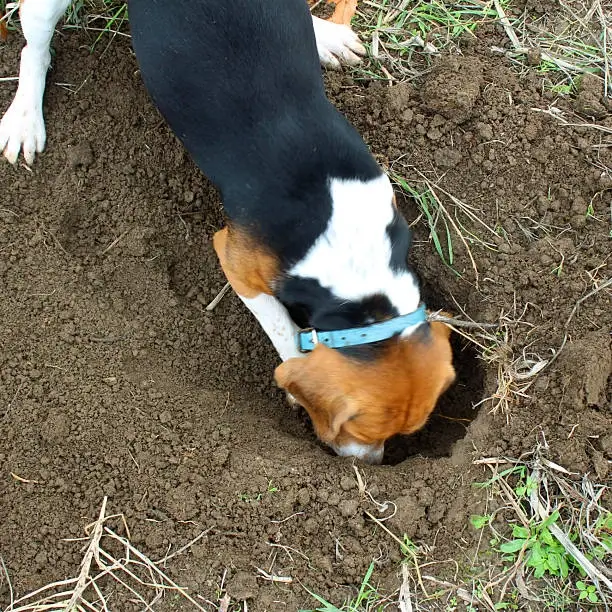
In the framework of professional weekend dog care, grooming is not merely an aesthetic choice; it is a vital component of Preventive Medicine. A comprehensive weekend grooming session serves as a high-frequency Health Audit, allowing owners to detect early signs of dermatological distress, parasitic infestations, or orthopedic inflammation. By implementing Therapeutic Grooming, we support the dog’s Thermoregulation and foster a deep sense of psychological safety through positive tactile engagement.
1. Advanced Coat Maintenance: Sebaceous Gland Stimulation
Effective brushing goes beyond removing debris; it is about Sebum Redistribution. Brushing stimulates the Sebaceous Glands, spreading natural oils across the hair shaft to provide a biological barrier against environmental allergens. For double-coated breeds like Golden Retrievers, weekend maintenance is critical to manage the Undercoat Shedding Cycle, preventing the formation of “mats” which can trap moisture and lead to Hot Spots (Acute Moist Dermatitis).
- Mechanical Exfoliation: Using a de-shedding tool to remove necrotic (dead) hair and improve skin oxygenation.
- Palpation Check: Feeling for abnormal masses, cysts, or localized heat along the spine and limbs.
- Parasitic Surveillance: Inspecting “high-traffic” areas (armpits, groin, and ears) for fleas or ticks after outdoor adventures.
2. Podiatry and Auricular Care: Managing Vital Sensory Zones
The paws and ears are some of the most sensitive Proprioceptive Zones on a dog. Overgrown nails can shift a dog’s Center of Gravity, leading to compensatory strain on the carpal joints and spine. Meanwhile, ear health is paramount for dogs with floppy ears (pendulous pinnae), as the dark, warm environment is a breeding ground for yeast and bacteria. Weekend care allows for Tactile Desensitization, teaching the dog to remain calm during necessary clinical handling.
| Zone | Advanced Procedure | Medical Necessity |
|---|---|---|
| Paw Pads | Trimming interdigital hair and inspecting for Pododermatitis. | Prevents foreign object entrapment and slipping on smooth surfaces. |
| Nail Bed | Gradual trimming or grinding away from the Quick. | Maintains proper Digital Posture and prevents tendon strain. |
| Ear Canal | Wiping the external canal with a pH-balanced, non-alcoholic solution. | Prevents Otitis Externa by removing excess cerumen (wax) and moisture. |
3. Bathing Protocols: Protecting the Acid Mantle
A common error in weekend dog care is excessive bathing with harsh detergents. Canine skin has a distinct Acid Mantle (pH 6.2–7.5), which is much more alkaline than human skin. Over-bathing disrupts this barrier, leading to Transepidermal Water Loss (TEWL) and chronic dryness. The weekend bath should be a restorative process using soap-free, colloidal oatmeal or aloe-based shampoos that soothe the skin after outdoor exposure.
The Maya Mai Verdict: The “Paw-Check” Rule
“At PetCareCompass, I encounter many dogs with undiagnosed pain. My rule for weekend dog care: The Saturday night ‘Paw-Check’ is mandatory. After a day of adventure, the paws can harbor hidden grass seeds (foxtails) or micro-cuts that lead to severe infections by Monday. Grooming is your best diagnostic tool; if you aren’t looking at the paws, you aren’t doing the care.” — Maya Mai
Case Insight: Managing Chronic Dermatitis
Consistent weekend hygiene often reveals underlying conditions that are missed during the busy work week.
Case Insight (The Terrier Study): A Terrier with chronic itchiness and localized hair loss was transitioned to a structured weekend Hydrotherapy routine using a medicated, moisturizing shampoo. By pairing the bath with Tactile Reinforcement (treats for remaining still), the dog’s Cortisol Levels decreased, and the skin barrier recovered significantly over four weekends. This underscores that weekend dog care is a synergistic blend of physical hygiene and emotional support.
Clinical Vigilance: Utilizing Weekends for Proactive Health Monitoring
Within the ecosystem of weekend dog care, the extra time afforded to owners should be leveraged for a Physical and Behavioral Audit. While daily maintenance covers the basics, the weekend allows for a deep-dive into the dog’s Vital Signs and subtle postural shifts. Early detection of asymptomatic changes—such as micro-limping or decreased Cognitive Alertness—can be the difference between a routine vet visit and a medical emergency.
1. Biometric Observation: Decoding Behavioral Shifts
Behavioral changes are often the first clinical indicator of internal distress. During your weekend interactions, observe your dog’s Energy Modulation. Is their appetite truly robust, or are they exhibiting Selective Anorexia? Are they recovering quickly from physical play, or is their Respiratory Rate remaining elevated for too long? Tracking these metrics in a Behavioral Journal establishes a “baseline” that is invaluable for your veterinarian.
2. The Weekend “Head-to-Tail” Physical Audit
A systematic physical check ensures that hidden issues—like cracked paw pads, dental tartar, or localized Lymphedema (swelling)—are addressed immediately. Pay close attention to the eyes for Corneal Opacity and the gums for Capillary Refill Time (which should be under 2 seconds), indicating healthy circulation and hydration levels.
| System | What to Inspect | Warning Red Flags |
|---|---|---|
| Musculoskeletal | Joint palpation and gait symmetry during trots. | Stiffness upon rising; heat in the Carpal or Stifle joints. |
| Ocular & Oral | Gum color, tooth integrity, and pupillary response. | Pale/tacky gums; persistent Halitosis (bad breath). |
| Dermatological | Skin elasticity (hydration test) and coat shine. | Tenting skin; localized alopecia or Seborrhea (flaking). |
Social Resilience: Stratified Socialization Protocols
Effective weekend dog care prioritizes Social Neutrality over forced interactions. Many owners mistakenly believe socialization means “playing with every dog,” which often leads to Emotional Overstimulation. The goal is to build a dog that can remain calm and focused on the handler in diverse environments, mastering their Arousal Threshold.
1. Controlled Proximity and Parallel Engagement
Instead of high-intensity dog parks, opt for Parallel Walking. This technique involves walking near other dogs at a distance where your dog feels safe but aware. This builds Social Confidence without the pressure of direct physical contact, which is especially beneficial for reactive or anxious breeds like Shih Tzus or rescue dogs with unknown histories.
The Maya Mai Verdict: The “Vitals-First” Rule
“At PetCareCompass, I see many owners arrive at the vet with ‘sudden’ issues that have actually been brewing for weeks. My rule for weekend dog care: Every Sunday afternoon, perform a 5-minute ‘Vitals Check.’ Feel the ribs, look at the gums, and check the paws. If you don’t know what ‘normal’ feels like on a quiet Sunday, you won’t recognize ‘abnormal’ when it matters. Your hands are your dog’s first line of defense.” — Maya Mai
Case Insight: Preventing Joint Deterioration
Consistent health logging transforms anecdotal observations into clinical data.
Case Insight (The Joint Study): An owner noticed a slight hesitation when their dog jumped onto the sofa during weekend play. By referencing their Behavioral Log, they realized this “micro-shift” had occurred three weekends in a row. Early veterinary intervention identified early-stage Osteoarthritis, allowing for immediate nutritional and physical therapy that preserved the dog’s mobility. This proves that weekend dog care is a powerful diagnostic window for long-term longevity.
Advanced Exertion: Elevating Weekend Outdoor Adventures
Within a high-tier weekend dog care framework, outdoor adventure serves as more than just physical release—it is a tool for building Aerobic Capacity and Functional Strength. However, owners must navigate the “Weekend Warrior Trap,” where a dog sedentary for five days is suddenly thrust into high-impact activity. The goal is to provide Progressive Loading that challenges the cardiovascular system without inducing orthopedic strain or systemic exhaustion.
1. Strategic Hiking and Stamina Conditioning
Extended weekend hikes are the gold standard for Environmental Enrichment. Unlike neighborhood walks, varied terrain—slopes, forest floors, and rocky paths—activates the Stabilizer Muscles and improves Kinesthetic Awareness. To maximize the benefit, implement “Interval Sniffing,” where 10 minutes of steady-state hiking is followed by 2 minutes of unstructured exploration to prevent Sensory Overload.
2. Low-Impact Agility and Proprioceptive Challenges
Incorporating backyard agility isn’t just for competition; it is Cognitive-Motor Training. Weaving between cones or navigating low-level obstacles requires the dog to engage their Prefrontal Cortex to plan movements, improving impulse control. For high-drive breeds like Border Collies, these sessions transform chaotic energy into Directed Focus.
| Activity | Primary Bio-Metric | Safety Threshold |
|---|---|---|
| Technical Hiking | Muscular Endurance | Monitor for Panting Excess or slowed pace. |
| Scent Trails | Neural Fatigue | Watch for Frustration Barking or loss of focus. |
| Obstacle Weaving | Core Stabilization | Limit sessions to 10 mins to avoid joint strain. |
Neurological Restoration: Activating the Parasympathetic System
High-intensity weekends must be balanced by a Recovery Protocol. If a dog remains in a state of high arousal (Sympathetic dominance) for too long, they may struggle with Emotional Regulation during the week. Transitioning into Parasympathetic Activation through massage and sensory calming is the final, vital step in professional weekend dog care.
1. Therapeutic Effleurage and Muscle Recovery
Implementing a 5-minute Effleurage Massage (long, gliding strokes) post-activity helps flush Lactic Acid from the muscle tissues and slows the heart rate. Focusing on the cervical (neck) and lumbar (lower back) regions reduces the “stiffness” often seen on Sunday evenings, promoting deeper REM Sleep cycles.
2. Auditory and Olfactory Calming
Calming the central nervous system can be enhanced through Sensory Shielding. Using dog-specific auditory playlists (60 BPM) or diffused lavender (in diluted, pet-safe concentrations) triggers GABA receptors in the brain, facilitating a rapid transition from “Adventure Mode” to “Restoration Mode.”
The Maya Mai Verdict: The “Double-Rest” Principle
“At PetCareCompass, I preach the ‘Double-Rest’ Principle for weekend dog care: For every hour of high-intensity hiking or play, your dog requires two hours of undisturbed, low-stimulus sleep. Owners often overlook the Arousal Hangover—where a dog appears hyper but is actually over-exhausted. My rule: If you want a calm Monday, Saturday’s fun must be paid for with Sunday’s silence.” — Maya Mai
Case Insight: Overcoming the Arousal Loop
Managing a high-energy dog requires an understanding of Neural Fatigue versus physical tiredness.
Case Insight (The Beagle Study): A Beagle with a history of weekend hyperactivity was transitioned to a routine of 30-minute morning scent games followed by a 10-minute Therapeutic Massage. By prioritizing Olfactory Engagement over pure running, the dog’s Adrenaline Baseline remained stable, resulting in significantly calmer Sunday afternoons and deeper nighttime rest. This proves that weekend dog care is a synergistic balance of loading the muscles and unloading the mind.
Nocturnal Stewardship: Evening Restoration and Sleep Optimization

The final phase of weekend dog care is the successful transition from high-arousal activity to Deep Physiological Rest. For dogs, especially reactive or high-drive breeds, the inability to “switch off” can lead to chronic fatigue and behavioral irritability. By implementing an Anxiolytic Evening Protocol, we facilitate the natural rise of Melatonin and lower the dog’s Adrenaline Baseline, ensuring they enter the upcoming work week in a state of neurological equilibrium.
1. Environmental Conditioning: The “Sleep Sanctuary” Setup
To trigger the dog’s internal Biological Clock, the evening environment must provide consistent sensory cues. This is known as Environmental Conditioning. Reducing Blue Light Exposure (from televisions or bright LED bulbs) and minimizing acoustic distractions helps the dog’s brain recognize the shift from active stewardship to restorative sleep. A designated “Safe Zone” with familiar scents provides a sense of Territorial Security, which is vital for reducing nighttime vigilance barking.
2. Nutritional Interventions: Tryptophan and Hydration
A light, strategically chosen evening snack can support Serotonin Synthesis. Ingredients rich in Tryptophan (an amino acid precursor to serotonin and melatonin) can act as a natural, mild sedative. Paired with proper hydration to flush Metabolic Byproducts from the day’s exercise, this nutritional step ensures the dog’s digestive system remains stable without causing a “spike” in energy levels before bed.
| Evening Protocol | Mechanism of Action | Behavioral Outcome |
|---|---|---|
| Tactile Effleurage | Slow-stroke massage along the spine. | Lowers Cortisol and heart rate. |
| Olfactory Settle | Diluted, pet-safe Lavender or Valerian scent. | Triggers Parasympathetic Nervous System. |
| Visual Shielding | Dimming lights and closing blinds. | Resets the Suprachiasmatic Nucleus (Internal Clock). |
3. Low-Energy Cognitive Engagement: The “Brain Drain”
To prevent “Midnight Zoomies” or restless pacing, provide low-intensity Cognitive Enrichment. Unlike morning puzzles that encourage high-octane problem solving, evening games should focus on Stationary Scent Work. Hiding high-value kibble in a small, localized area encourages slow, methodical sniffing. This repetitive action is naturally Self-Soothing and drains the final remnants of cognitive energy without spiking the dog’s heart rate.
The Maya Mai Verdict: The “Work-Week Handover”
“At PetCareCompass, I encounter many dogs that suffer from ‘Monday Morning Meltdown.’ This is often a direct result of an inconsistent weekend bedtime. My rule for weekend dog care: Sunday night is the ‘Work-Week Handover.’ You must revert to your exact weekday bedtime and routine on Sunday night. By aligning your Sleep-Wake Cycles early, you remove the element of surprise, effectively mitigating the stress of your Monday morning departure.” — Maya Mai
Case Insight: Resolving Weekend Restlessness
Strategic bedtime management is often the most effective remedy for anxiety-driven sleep disorders.
Case Insight (The Beagle Study): A Beagle prone to nighttime pacing and “nuisance whining” on Sunday evenings was transitioned to a Circadian Sync Protocol. This included a 5-minute “Settle” session on a designated orthopedic mat paired with a small, tryptophan-rich evening snack. Within three weeks, the dog’s Nighttime Latency (time taken to fall asleep) improved by 50%, confirming that weekend dog care is a 24-hour commitment to physiological and emotional balance.
Emotional Consolidation: Oxytocin Reinforcement and Weekend Reflection
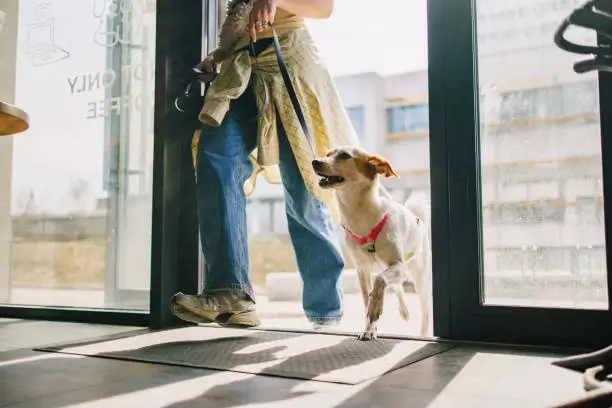
The final hours of weekend dog care should be dedicated to Social Bonding and physiological reflection. While the day focuses on external stimulation, the evening is a window for Somatosensory Feedback. Positive tactile interaction, such as gentle stroking, facilitates Oxytocin Synthesis in both the dog and the owner, lowering blood pressure and solidifying the trust-bond. This emotional grounding is the most effective deterrent against Separation Distress during the upcoming week.
1. Behavioral Journaling: Tracking the “Weekend Baseline”
Data-driven weekend dog care relies on consistent observation. By maintaining a Behavioral Log, you transition from anecdotal care to Pattern Recognition. Tracking shifts in appetite, Cognitive Alertness, and stool consistency provides a clinical history that is vital for early diagnosis. This practice of Bio-rhythm Reconciliation ensures you are adjusting next week’s activity levels based on your dog’s actual recovery rate rather than generic guidelines.
2. The Final Biomedical Wrap-Up: Post-Adventure Audit
Before the “Work-Week Handover,” perform a final Dermatological Surveillance. Weekend adventures often expose dogs to environmental allergens, burs, or parasites. A final, light brushing allows for a thorough inspection of the Inguinal (groin) and Axillary (armpit) regions—hotspots for ticks and irritation. Applying a protective Paw Balm during this check provides a final layer of hydration to pads that may have been stressed by varied weekend terrains.
The Maya Mai Verdict: The “Monday-Ready” Audit
“At PetCareCompass, I always say that a successful Monday starts on Sunday night. My rule for weekend dog care: Use your final reflection time to determine your dog’s ‘Battery Level.’ If they seem lethargic or stiff, dial back Monday’s activity. If they are still high-strung, increase the Enrichment. Your weekend wrap-up is the blueprint for a stress-free week. Don’t just end the weekend; audit it.” — Maya Mai
Expert “How-To” Solutions: Weekend Dog Care FAQ
❓ How to prevent ‘Weekend Warrior’ injuries?
Practice Progressive Loading. Avoid sudden high-impact activity. Start with 15 minutes of Kinesthetic Priming (stretching and slow walking) before engaging in any technical hiking or high-intensity fetch.
❓ How to optimize nutrition for weekend recovery?
Incorporate Anti-inflammatory Toppers like steamed pumpkin or salmon oil. Utilize Wet-Feeding methods (adding bone broth) to ensure cellular rehydration after increased physical exertion.
❓ How to reduce Monday morning separation anxiety?
Implement the Sunday Decompression Rule. Lower the dog’s arousal levels 24 hours before you leave. Reverting to your exact weekday sleep-wake schedule on Sunday night is vital for Circadian Syncing.
❓ How much mental enrichment is needed on weekends?
Prioritize the 15-Minute Rule. 15 minutes of high-tier Cognitive Enrichment (Nose work or level-3 puzzles) is equivalent to an hour of walking in terms of healthy neurological fatigue.
❓ How to perform a weekend health audit correctly?
Focus on Biometric Surveillance. Check Capillary Refill Time (gum color), skin elasticity (hydration), and perform a ‘Head-to-Tail’ palpation for localized heat or swelling in joints.
❓ What are the best indoor activities for rainy weekends?
Shift to Indoor Olfactory Games. Scent-tracking throughout the home and stationary impulse-control drills provide intense mental stimulation while maintaining the dog’s Emotional Regulation indoors.
The Professional Weekend Care Checklist
- ✅ Kinesthetic Prime: 15-min joint warmup before any adventure.
- ✅ Metabolic Fuel: Anti-inflammatory toppers added to meals.
- ✅ Cognitive Drain: 15-min Nose work or high-tier puzzle solving.
- ✅ Health Audit: Full palpation and vitals check completed.
- ✅ Social Balance: Parallel walks prioritized over high-arousal dog parks.
- ✅ Sync Protocol: Reverted to weekday bedtime by Sunday evening.
Conclusion: Transforming Weekends into Behavioral Foundations
Effective weekend dog care is far more than a departure from the daily grind; it is a strategic investment in your dog’s Emotional Resilience and long-term health. By shifting from a mindset of “tiring them out” to one of Biological Fulfillment, you address the root causes of anxiety and restlessness. The synergy of Kinesthetic Priming, Metabolic Recovery, and Cognitive Enrichment ensures that your dog doesn’t just survive the weekend—they thrive because of it.
As you transition back into the work week, remember that the Neural Pathways built during weekend training sessions and the trust reinforced during quiet bonding hours are the primary deterrents against Separation Anxiety. A dog that has had their Olfactory and Cognitive needs met is a dog that can navigate the quietude of a Monday morning with confidence and calm.
The PetCareCompass Promise
“At the end of the day, the goal of weekend dog care is not to have the most active Saturday, but the most peaceful Monday. When we respect our dogs’ Circadian Rhythms and physiological limits, we aren’t just caring for a pet—we are nurturing a companion. Every intentional walk and every quiet settle is a deposit into a lifetime of health.”
— Maya Mai
Looking to maintain this momentum? Explore our deeper dive into
Daily Dog Care Routines
to bridge the gap between your weekends and weekdays.
Find More Dog Care Guides
Continue exploring practical guides related to this topic.