Caring for a dog is a rewarding experience, but it also comes with responsibilities that go beyond providing food and shelter. To truly keep dog healthy at home, owners must establish consistent routines, monitor health closely, and provide both physical and mental stimulation. A healthy dog is not only physically fit but also emotionally balanced and happy, which contributes to a stronger bond with their human family. Daily habits like proper feeding, regular exercise, grooming, and attentive health monitoring play a significant role in preventing illnesses and ensuring a long, fulfilling life for your dog.
Many veterinarians emphasize that preventive care is the key to maintaining optimal health. Dogs thrive on routine and predictability, which helps reduce stress and behavioral problems. Implementing simple strategies can make a noticeable difference in your dog’s overall wellbeing. From keeping a balanced diet to engaging in playtime, these daily practices collectively help keep dog healthy at home. By following structured routines, dog owners not only safeguard their pets’ physical health but also enhance their emotional and mental well-being, creating a harmonious home environment for both dogs and their families.
A consistent routine is the secret to a happy, healthy dog at home. If you’re just starting out, check Dog Care at Home for Beginners for easy, step-by-step guidance. Pet owners with a busy schedule can benefit from Dog Care for Busy Owners to stay on track.
For building a full daily plan, explore Daily Dog Care Routine at Home and Dog Daily Schedule at Home. Don’t forget to follow Basic Dog Care Rules and Keep Dog Healthy at Home for consistent, effective care.
For advice by age, see Puppy Care at Home, Adult Dog Care at Home, and Senior Dog Care at Home. For the full picture, our comprehensive Dog Care Basics guide has everything in one place.
Daily Habits to Keep Your Dog Healthy at Home
Establishing consistent daily habits is fundamental if you want to keep dog healthy at home. These routines ensure your dog receives the nutrition, exercise, hygiene, and care necessary to prevent common health problems. A predictable routine also helps dogs feel secure, reducing anxiety and behavioral issues. Even small, consistent actions, when combined, have long-term benefits.
Proper Nutrition and Feeding Routine
Feeding your dog correctly is one of the most critical aspects to keep dog healthy at home. Dogs need a balanced diet to maintain energy levels, support organ function, and promote healthy growth. Improper feeding can lead to obesity, nutrient deficiencies, and digestive problems.
Daily Feeding Recommendations:
- Provide high-quality dog food appropriate for your dog’s age, size, and breed.
- Establish a consistent feeding schedule, ideally twice a day for adult dogs.
- Monitor portion sizes to prevent overfeeding or underfeeding.
- Always provide access to clean, fresh water throughout the day.
Common Feeding Mistakes:
- Overfeeding: Can lead to obesity, joint stress, and other health issues.
- Table Scraps: Some human foods are toxic to dogs, including chocolate, onions, grapes, and artificial sweeteners.
- Inconsistent Feeding Times: Irregular schedules can cause digestive upset and stress.
Bailey, a three-year-old Labrador, gained weight rapidly due to irregular feeding and excessive treats. By switching to a structured feeding schedule and controlling portion sizes, Bailey gradually returned to a healthy weight, illustrating how daily nutrition routines help keep dog healthy at home.
Daily Exercise and Physical Activity
Exercise is essential to keep dog healthy at home because it maintains physical fitness, supports cardiovascular health, and prevents behavioral problems caused by boredom. Dogs that do not receive enough exercise may become anxious, destructive, or develop weight-related health issues.
Recommended Exercise Guidelines:
- Small breeds: 20–30 minutes daily, including walks and playtime.
- Medium breeds: 40–60 minutes daily.
- Large breeds and high-energy dogs: 60+ minutes, including vigorous activity and mental stimulation.
Interactive Play Ideas:
- Fetch: Encourages running and cardiovascular activity.
- Tug-of-War: Builds strength while teaching impulse control.
- Puzzle Toys: Provides both mental and physical engagement.
Step-by-Step Daily Exercise Routine:
- Morning walk (15–20 minutes) to start the day and allow bathroom breaks.
- Midday interactive play session (10–15 minutes) with toys or indoor games.
- Evening walk (20–30 minutes) to release energy and calm the dog before bedtime.
Max, a Border Collie, showed hyperactive behavior due to lack of mental and physical stimulation. Implementing a daily exercise routine that included walks, fetch, and puzzle toys helped calm Max, improved his focus, and strengthened the owner-dog bond. This demonstrates how exercise routines contribute to keeping a dog healthy at home.
Grooming, Hygiene & Health Monitoring
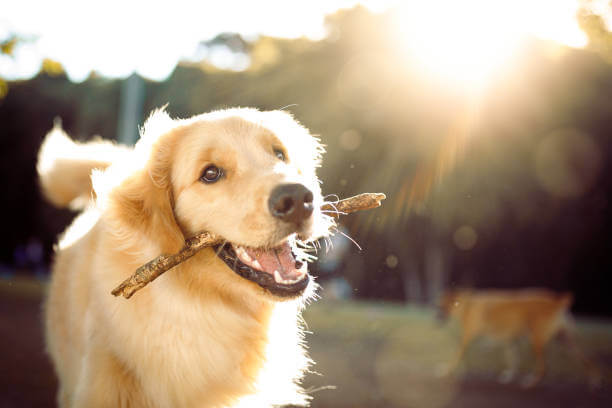
Grooming and Hygiene Practices
Regular grooming is essential to keep dog healthy at home. Grooming not only keeps a dog clean but also allows you to monitor their health and catch potential problems early.
Key Grooming Practices:
- Brushing: Long-haired dogs require daily brushing; short-haired dogs need brushing 2–3 times per week.
- Bathing: Every 4–6 weeks, or as needed, using dog-specific shampoos.
- Nail Trimming: Prevents discomfort, walking issues, and injuries.
- Ear Cleaning: Reduces the risk of infections, especially for floppy-eared breeds.
Seasonal Grooming Tips:
- Shedding Seasons: Brush more frequently during spring and fall to manage hair and allergens.
- Weather Considerations: In winter, ensure the dog’s coat stays dry; in summer, monitor for overheating and sunburn.
- Home Hygiene: Regularly clean bedding, vacuum floors, and sanitize feeding areas to reduce germs and allergens.
Lola, a Golden Retriever, had recurring ear infections. Her owner established a weekly grooming routine that included brushing, ear cleaning, and nail trims. This proactive approach reduced infections and improved overall coat and skin health, showing how grooming supports the goal to keep dog healthy at home.
Routine Health Monitoring
Monitoring your dog’s health at home is vital to keep dog healthy at home. Observing behavior, appetite, weight, and coat condition allows for early detection of potential problems before they become severe.
Daily Monitoring Checklist:
- Check for changes in appetite, water intake, and elimination patterns.
- Observe behavior for lethargy, restlessness, or unusual aggression.
- Inspect coat, skin, eyes, and ears for signs of irritation or infection.
- Note any limping, stiffness, or difficulty moving.
Basic At-Home Health Checks:
- Teeth: Look for tartar buildup or bad breath.
- Eyes: Clear, bright, and free of discharge.
- Paws: Check for cuts, swelling, or foreign objects.
Milo, a five-year-old Beagle, experienced subtle weight loss and reduced activity. His owner’s daily health monitoring detected these changes early, leading to a vet visit where early-stage hypothyroidism was diagnosed. Prompt treatment allowed Milo to recover quickly and maintain good health, demonstrating the importance of attentive monitoring to keep dog healthy at home.
Advanced Strategies to Keep Dog Healthy at Home
Maintaining your dog’s health requires more than daily basics; advanced strategies help ensure long-term wellness and prevent future problems. Following structured routines to keep dog healthy at home not only strengthens their physical health but also supports mental and emotional well-being. Owners who integrate advanced care strategies often notice improved behavior, fewer illnesses, and a stronger bond with their pets.
Advanced care includes mental stimulation, behavior management, socialization, safety, and emergency preparedness. Dogs are naturally curious and intelligent, and neglecting these aspects can lead to anxiety, destructive behavior, or health decline. Many veterinarians recommend combining preventive health measures with structured mental and physical routines to keep dog healthy at home effectively.
Mental Stimulation and Training
Mental stimulation is crucial to keep dog healthy at home, especially for intelligent or high-energy breeds. Dogs deprived of mental challenges may develop destructive habits, stress, or hyperactivity.
Recommended Practices:
- Introduce puzzle feeders or treat-dispensing toys to challenge problem-solving skills.
- Conduct short, daily training sessions (10–15 minutes) focusing on obedience commands or tricks.
- Rotate toys and activities to maintain novelty and engagement.
Step-by-Step Example:
- Sit Command: Hold a treat above the dog’s nose and move it backward over the head. Reward once the dog sits.
- Stay Command: Gradually increase the duration your dog stays in place before giving a reward.
- Recall (“Come”) Command: Start indoors, then gradually practice outdoors in safe areas, rewarding compliance immediately.
Rex, a Border Collie, exhibited hyperactivity and destructive behavior due to a lack of mental stimulation. After introducing daily 15-minute puzzle sessions and obedience training, Rex became calmer, more focused, and displayed reduced anxiety, demonstrating how mental engagement helps keep dog healthy at home.
Socialization and Behavior Management
Proper socialization and behavioral management are essential to keep dog healthy at home. Dogs that are well-socialized tend to be less anxious, more confident, and better behaved.
Best Practices:
- Gradually expose dogs to new people, pets, and environments.
- Monitor reactions and provide positive reinforcement for calm behavior.
- Attend supervised playgroups or dog parks to encourage interaction.
- Manage and correct undesirable behaviors gently with consistent training.
Tips to Reduce Anxiety:
- Maintain predictable daily routines.
- Use desensitization techniques for loud noises or new experiences.
- Encourage calm behavior through praise, treats, or interactive toys.
Milo, a three-year-old Poodle, reacted aggressively to strangers. Through gradual exposure and reward-based training, Milo learned to approach new people calmly, illustrating that consistent behavioral management is vital to keep dog healthy at home.
Safety and Dog-Proofing
Safety is a critical part of advanced care to keep dog healthy at home. A secure environment prevents accidents, injuries, and stress.
Home Safety Tips:
- Secure chemicals, electrical cords, and small objects that could be swallowed.
- Ensure doors, windows, and fences are dog-proofed to prevent escapes.
- Use properly fitted harnesses and leashes during walks.
- Always provide identification via microchip or ID tag.
Outdoor Safety Considerations:
- Avoid walks during extreme weather.
- Monitor for toxic plants, wildlife, or dangerous terrain.
- Never leave dogs unattended in cars.
Lola, a young Australian Shepherd, escaped through a backyard gap. After reinforcing fences and updating her microchip, incidents were prevented, showing the importance of safety practices in maintaining a healthy and secure environment for dogs.
According to the American Kennel Club, proper nutrition is essential for maintaining your dog’s health and energy levels.
Emergency Preparedness
Being prepared for emergencies is vital to keep dog healthy at home. Unexpected situations such as injuries, illness, or natural disasters can occur, and preparation can save lives.
Essential Emergency Steps:
- Maintain a dog-specific first aid kit with bandages, antiseptic, tweezers, and a digital thermometer.
- Learn basic CPR and choking interventions.
- Know the location and contact details of nearby 24-hour veterinary clinics.
- Prepare an emergency plan for natural disasters, including food, water, medications, and bedding.
Recognizing Urgent Health Issues:
- Difficulty breathing, persistent vomiting, or uncontrolled bleeding.
- Collapse, seizures, or sudden lethargy.
- Immediate veterinary attention is necessary for these signs.
Cooper, a German Shepherd, suffered heatstroke during a summer hike. His owner followed emergency steps—moving him to shade, applying cool water, and contacting a vet immediately—preventing severe complications and illustrating how preparedness helps keep dog healthy at home.
Mental and Physical Enrichment Together
Combining mental and physical stimulation ensures your dog stays balanced and healthy. Daily walks can include short obedience exercises, while indoor play can incorporate problem-solving games.
Example Routine:
- Morning: 20-minute walk with recall and sit commands.
- Midday: 15-minute interactive play with puzzle toys.
- Evening: Calm bonding time with brushing, grooming, or training games.
This combination not only maintains fitness and reduces obesity risk but also enhances mental sharpness, helping keep dog healthy at home consistently.
Common Health Issues and Prevention
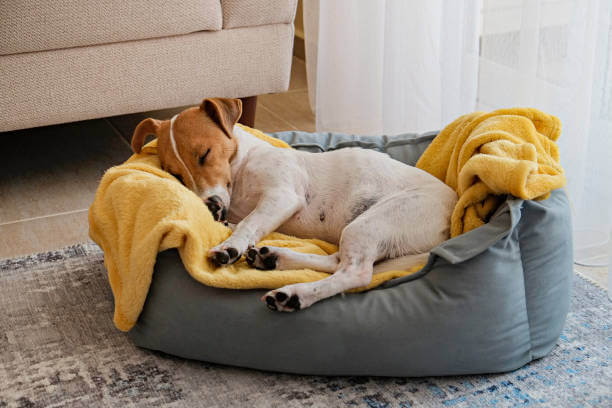
Even with consistent daily and advanced care routines, dogs can encounter health issues. Being proactive is key to keep dog healthy at home and prevent minor problems from escalating. Recognizing early warning signs can help owners seek prompt care and maintain overall wellness.
Common Health Concerns
- Obesity: Can result from overfeeding, lack of exercise, or underlying conditions. Leads to joint stress, heart issues, and reduced lifespan.
- Dental Problems: Tartar buildup and gum disease can affect eating habits and overall health.
- Skin Conditions: Allergies, infections, and parasites may cause hair loss, itching, and discomfort.
- Digestive Issues: Vomiting, diarrhea, or sudden appetite changes may indicate dietary or medical problems.
Prevention Strategies
- Schedule routine veterinary checkups for early detection.
- Maintain a balanced diet and proper portion control.
- Groom regularly and inspect skin, coat, and ears.
- Observe behavior, energy, and appetite daily.
Charlie, a 5-year-old Beagle, had mild obesity and recurring skin infections. Adjusting his diet, daily walks, and consistent grooming led to noticeable improvements in weight and skin health, demonstrating the importance of proactive care to keep dog healthy at home.
Seasonal Care & Travel Management
Seasonal Care Adjustments
Dogs require special attention during seasonal changes. Adjusting routines according to weather, temperature, and environmental conditions is part of keeping a dog healthy at home.
Hot Weather Care:
- Walk dogs in cooler parts of the day to avoid heatstroke.
- Provide constant access to fresh water and shaded areas.
- Monitor for signs of overheating, including excessive panting, drooling, or weakness.
Cold Weather Care:
- Limit exposure to freezing temperatures, especially for small, short-haired, or elderly dogs.
- Use dog sweaters or protective gear if needed.
- Wipe paws after walks to remove ice, salt, or chemicals.
Allergy and Shedding Management:
- Brush dogs daily during shedding seasons to reduce hair and allergens.
- Wash bedding regularly to prevent pollen and dust accumulation.
Luna, a Golden Retriever, experienced seasonal allergies during spring. By adjusting grooming routines and monitoring her environment, her discomfort decreased significantly, showing how seasonal adjustments help keep dog healthy at home.
Travel and Outdoor Adventures
Traveling with your dog requires planning to maintain health and comfort. Following guidelines ensures stress-free adventures while keeping a dog healthy at home.
Preparation Tips:
- Bring familiar items such as bedding, toys, and food to reduce anxiety.
- Ensure vaccinations and preventive medications are current.
- Pack a dog-specific first aid kit including bandages, antiseptic, and medications.
Safety Tips During Travel:
- Use crates or harness seatbelts in vehicles.
- Never leave dogs unattended in cars.
- Provide regular bathroom breaks and water access.
Outdoor Activities:
- Hiking: Leash dogs, monitor for fatigue, and avoid unsafe terrain.
- Beach/Water: Supervise swimming and avoid contaminated water sources.
- Camping: Protect dogs from wildlife, ticks, and other hazards.
Max, a Border Collie, accompanied his family on a multi-day camping trip. Proper planning, hydration, leash use, and secure bedding ensured he stayed safe, healthy, and happy, illustrating how preparation supports keeping a dog healthy at home during outdoor adventures.
The ASPCA recommends regular mental stimulation and socialization to reduce behavioral problems and improve overall wellbeing.
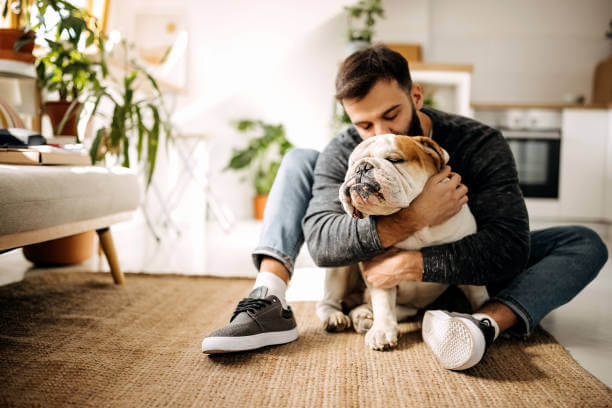
Building a Daily Dog Care Checklist
Creating a structured daily routine simplifies dog care and ensures no essential tasks are missed, helping keep dog healthy at home.
Morning Routine
- Fresh water and breakfast
- Short walk or bathroom break
- Quick grooming check: coat, paws, and ears
Afternoon Routine
- Mental stimulation with puzzle toys or training
- Midday exercise or play session
- Observe health signs: energy, appetite, behavior
Evening Routine
- Evening walk or play
- Dinner and fresh water
- Bonding time: brushing, gentle play, cuddling
- Check for injuries or unusual behavior
Weekly Tasks
- Bathing and deep grooming
- Nail trimming
- Dental care: brushing or chews
- Health review: coat, eyes, ears, teeth, weight
Bella, a Labrador, improved her behavior and overall wellness after her owner implemented a structured checklist. Morning walks, interactive play, and evening grooming led to increased energy, better socialization, and reduced stress, showing how a daily checklist ensures you keep dog healthy at home.
FAQ – Common Questions About Keeping Dogs Healthy
1. How often should I groom my dog?
Long-haired breeds require daily brushing; short-haired dogs, 2–3 times per week. Bathing every 4–6 weeks is generally sufficient.
2. What is the best diet for my dog’s age and breed?
Puppies need nutrient-rich, high-calorie diets. Senior dogs may require lower-calorie foods with joint support. Consult a veterinarian for personalized advice.
3. How can I reduce my dog’s stress or anxiety?
Provide predictable routines, exercise, mental stimulation, and positive reinforcement. Severe anxiety may require a behaviorist.
4. How can I mentally stimulate my dog at home?
Use puzzle toys, training exercises, interactive games, and rotate activities to keep your dog engaged.
5. How do I know if my dog is overweight or underweight?
Use a body condition score, feel the ribs, observe the waistline, and consult your veterinarian.
6. Which preventive care measures are essential?
Core vaccinations (rabies, distemper, parvovirus), flea/tick prevention, heartworm prevention, and regular checkups.
7. What should I include in a dog first aid kit?
Bandages, antiseptic, tweezers, digital thermometer, and emergency contact numbers for local veterinarians.
Find More Dog Care Guides
Continue exploring practical guides related to this topic.