
Effective Seasonal Dog Care at Home is not merely about comfort; it is a vital practice in maintaining your dog’s homeostatic balance. As ambient variables—temperature, humidity, and pollen concentration—fluctuate across the United States, a dog’s internal systems must constantly adapt. For owners, this requires transitioning from passive observation to a proactive, vet-informed environmental routine.
💡 The Biological Context: Canine thermoregulation differs significantly from humans. Northern breeds struggle with humidity-induced heat stasis, while puppies and seniors face heightened risks of hypothermia or joint stiffness during thermal shifts. Mastery of Seasonal Dog Care at Home ensures these environmental stressors do not escalate into clinical emergencies.
This clinical guide deconstructs Seasonal Dog Care at Home into manageable, science-based protocols. We explore the critical mechanics of the heat index during humid summers, the impact of wind chill on senior mobility in winter, and the management of environmental allergens during spring. By synchronizing your home routine with the external weather patterns, you create a safe, stable sanctuary for your companion regardless of the season.
“At PetCareCompass, we define Seasonal Dog Care at Home as an act of stewardship. Your home should be a controlled environment that buffers the volatility of the outside world. When we adapt our care routines to the rhythm of the seasons, we reduce physiological stress and extend our dogs’ longevity.”
— Maya Mai, Founder
Managing your dog’s care at home can be simple with the right routine. New dog owners should start with Dog Care at Home for Beginners to learn the fundamentals. For age-specific tips, check Puppy Care, Adult Dog Care, and Senior Dog Care.
The Biology of Adaptation: How Weather Impacts Canine Physiology
To implement effective Seasonal Dog Care at Home, one must understand that dogs do not possess the same sudoriferous (sweat) gland density as humans. Their primary mechanism for heat dissipation is evaporative cooling via panting. When the heat index rises or humidity saturates the air, this process becomes inefficient, leading to rapid thermal loading.
Thermal Vulnerability Profiles
- Brachycephalic Restriction: Breeds with shortened craniofacial structures (Pugs, Bulldogs) have restricted airways, making them highly susceptible to respiratory distress during even moderate seasonal heat.
- The Double-Coat Insulation: Northern breeds (Huskies, Malamutes) possess a coat designed for thermal retention. In humid summers, this coat acts as a trap for body heat, requiring strict indoor ambient temperature control.
- Senior Arthritic Sensitivity: Cold seasonal shifts trigger synovial fluid thickening, leading to increased joint stiffness. Effective winter care must prioritize micro-environment warming to maintain mobility.
Seasonal Allergens: Managing the Environmental Threshold
Spring and Fall transitions introduce a surge in anemophilous (wind-borne) pollen and mold spores. In Seasonal Dog Care at Home, we focus on reducing the “Allergen Load”—the cumulative exposure that triggers a histamine response.
Pollen adheres to the lipid layer of the skin. A critical home routine involves paw de-contamination after walks and the use of HEPA air filtration to stabilize the indoor air quality index.
Regular deshedding during seasonal shifts is not just for hygiene; it removes trapped allergens and supports sebaceous gland function, preventing “Hot Spots” caused by humidity-trapped bacteria.
Routine Re-Calibration: Synchronizing Activity with the Environment
Meeting Seasonal Dog Care at Home requirements involves a strategic shift in energy expenditure. During extreme seasonal peaks, outdoor activity must be replaced by cognitive enrichment to prevent physiological strain while maintaining mental acuity.
The Seasonal Exercise Pivot
- Thermal-Safe Walking Windows: Utilize the early morning hours (pre-dawn) during summer to avoid asphalt thermal retention, which can cause pedal (paw) burns.
- Indoor Scent Protocols: When wind chill or pollen counts are hazardous, utilize “nose work” or puzzle feeders. Scent-based games can provide 20 minutes of mental stimulation equivalent to an hour-long walk, without environmental risk.
- Metabolic Calibration: Adjust caloric intake based on seasonal energy usage. A dog shivering in winter may require a 5-10% increase in calories for thermogenesis, whereas a sedentary summer dog needs strict portion control to prevent weight gain.
Maya’s Master Tip: The “Humidity-First” Rule
“At PetCareCompass, we teach owners that the thermometer only tells half the story. In Seasonal Dog Care at Home, high humidity is often more dangerous than dry heat because it neutralizes a dog’s ability to cool down via panting. If the humidity is above 70%, keep activities indoors. Precision care means respecting the physics of the environment.”
— Maya Mai, PetCareCompass Founder
Summer Mitigation: Preventing Hyperthermia in the Home Environment
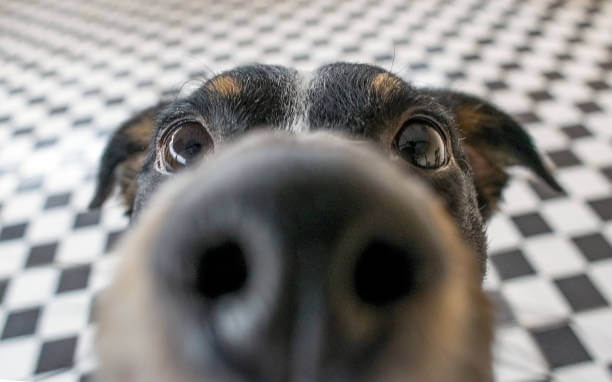
Strategic indoor environmental control is the primary defense against summer heat stress in high-risk climates.
In the context of Seasonal Dog Care at Home, summer represents the highest risk period for acute hyperthermia. Because dogs rely on respiratory evaporation (panting) rather than dermal sweating, the indoor ambient environment must act as a thermal heat sink. This involves more than just lowering the thermostat; it requires a multi-faceted approach to hydration kinetics and thermal conductivity management.
Hydration Kinetics: Combating AC-Induced Dehydration
Many modern American households rely heavily on air conditioning, which significantly lowers indoor humidity. This can lead to sub-clinical dehydration as moisture is pulled from the dog’s mucosal membranes.
- The “Multi-Station” Strategy: Position water sources in various thermal zones (e.g., cool tile areas and shaded carpeted rooms) to encourage frequent micro-hydration.
- Metabolic Water Supplementation: In regions like the Southwest (Arizona, Texas), incorporating water-rich fruits (blueberries, seedless watermelon) or adding bone broth to meals supports cellular hydration more effectively than static water bowls alone.
| Heat Index (°F) | Risk Level | Environmental Countermeasures |
|---|---|---|
| Below 70°F | Low Risk | Standard outdoor exercise; monitor hydration. |
| 71°F – 85°F | Moderate | Shift walks to dawn/dusk; use shaded grass paths only. |
| 86°F – 95°F | High Risk | Mandatory AC environment; limit outdoor trips to < 10 mins. |
| Above 96°F | EXTREME | Critical Danger. Indoor enrichment only; pre-dawn breaks only. |
Coat Physics: The Insulation vs. Shaving Debate
A critical error in Seasonal Dog Care at Home is the assumption that shaving a dog’s coat will help them cool down. Biologically, the canine coat acts as a thermal barrier. For double-coated breeds, the undercoat provides an insulating layer of air that keeps skin temperatures lower than the surrounding ambient heat.
Instead of shaving, focus on intensive undercoat removal. Removing “dead” fur allows for maximum airflow through the remaining guard hairs, facilitating better convection cooling while protecting the skin from solar radiation and UV damage.
High humidity during summer can trap moisture against the skin, leading to bacterial pyoderma. Maintaining a clean coat through regular brushing ensures that natural oils (sebum) are distributed, preventing the “swamp effect” in thick-coated breeds.
Pedal Protection: Understanding Surface Thermal Conductivity
One of the most overlooked aspects of Seasonal Dog Care at Home is the thermal retention of outdoor surfaces. In urban environments, asphalt and concrete act as “thermal batteries,” storing heat long after the sun has begun to set.
The 5-Second Safety Protocol
Before walking, place the back of your hand on the pavement for five seconds. If the heat is intolerable for you, it will cause thermal burns on your dog’s paw pads.
- Peak-Hour Substitution: Replace midday walks with Indoor Scent Drills. Searching for treats hidden around the house provides equivalent mental fatigue without the physiological strain of heat.
- Thermal-Reflective Gear: In high-intensity sun regions, utilize light-colored, reflective boots or cooling vests that utilize evaporative energy to lower the dog’s core temperature during necessary outdoor breaks.
Maya’s Master Tip: The “Cool-Point” Application
“At PetCareCompass, we advise that if you suspect your dog is overheating, focus cooling efforts on the inguinal (groin) and axillary (armpit) areas. Applying cool (not ice-cold) water to these high-blood-flow regions facilitates faster core temperature reduction. Seasonal care is about knowing the biological shortcuts to safety.”
— Maya Mai, PetCareCompass Founder
Winter Mitigation: Optimizing Thermogenesis and Indoor Comfort
In Seasonal Dog Care at Home, winter presents a unique challenge: managing the metabolic cost of staying warm. When ambient temperatures drop, a dog’s body initiates thermogenesis—a process of heat production that consumes significant caloric energy. For dogs with low body fat or thin coats, this metabolic tax can lead to fatigue and a weakened immune response if the home environment is not thermally optimized.
Eliminating “Thermal Bridging” in Sleeping Areas
Many owners overlook the impact of conductive heat loss. Hardwood and tile floors act as thermal conductors, stripping heat from a dog’s body through direct contact.
- The Elevation Strategy: Utilize elevated beds to create an insulating air gap between the dog and the cold floor. This is critical for Senior Dog Care at Home, as it prevents the chilling of arthritic joints.
- Micro-Climate Nesting: Provide heavy-knit blankets that allow the dog to “burrow.” This behavioral adaptation creates a localized pocket of warm air, reducing the need for the body to shiver to maintain core temperature.
Winter Dietetics: Caloric Scaling and Hydration Paradox
A dog’s Basal Metabolic Rate (BMR) often spikes in winter to fuel heat production. However, in Seasonal Dog Care at Home, we must differentiate between outdoor working dogs and indoor companions to avoid accidental obesity.
Cold air is naturally dry, and indoor heating further strips moisture. Dogs often lose significant water through respiratory evaporation in winter but feel less thirst. Offering room-temperature water (not ice-cold) is essential to prevent sub-clinical dehydration and maintain kidney filtration.
For dogs frequently exposed to snow, a 5-7% increase in high-quality fats can provide the necessary fuel for thermogenesis. Conversely, strictly indoor dogs may need a reduction in calories if their activity level drops significantly during harsh weather.
| Winter Stressor | Symptomatic Marker | Home Care Protocol |
|---|---|---|
| Conductive Cold | Shivering, curling tightly on floors. | Elevated bedding + Insulating blankets. |
| Ice-Melt Salt | Excessive paw licking, redness between toes. | Hydrophobic wax barrier + Lukewarm paw immersion. |
| Orthopedic Chill | Slow rising, reluctance to climb stairs. | Anti-slip rugs + Localized heating pads (monitored). |
| Indoor Dryness | Brittle coat, increased static electricity. | Room-temp hydration stations + Humidifier use. |
External Protection: Joint Kinetics and Pad Integrity
Winter walking requires a focus on vasoconstriction—the narrowing of blood vessels in the extremities to protect core organs. This makes the paws more susceptible to frostbite and chemical irritation from ice-melt salts (sodium chloride).
The Post-Walk Decontamination Routine
Chemical de-icers are highly corrosive and toxic if ingested. A mandatory step in winter Seasonal Dog Care at Home is the immediate removal of these residues.
- Warm Immersion: Quickly dip paws in lukewarm water to dissolve salt crystals and melt ice balls trapped between the toes.
- Lipid Barrier Application: Use a wax-based paw balm before walks to create a hydrophobic layer, preventing salt from penetrating the skin.
- Indoor Mobility Support: Use rugs or “anti-slip” mats on cold floors to help seniors with orthopedic stiffness maintain traction without straining their cold muscles.
Maya’s Master Tip: The “Sweater Signal” Audit
“At PetCareCompass, we remind owners that if you feel a chill through your own jacket, your short-coated dog is likely already struggling. Winter care isn’t about fashion; it’s about energy preservation. Every calorie spent shivering is a calorie not used for immune health. Insulate early, insulate often, and always keep the paws dry.”
— Maya Mai, PetCareCompass Founder
How to Manage Seasonal Transitions: Expert FAQ
How to identify sub-clinical seasonal discomfort in your dog?
Discomfort is often signaled through behavioral thermoregulation. In summer, watch for “searching” behavior (pacing to find cool tile) and glossitis-like heavy panting. In winter, look for piloerection (hair standing up to trap heat) or “lifting” of paws to minimize conductive heat loss from frozen surfaces. If these behaviors cease once the environment is adjusted, you have successfully identified a seasonal stressor.
How to determine if your dog truly requires seasonal gear?
Base your decision on surface-to-volume ratio and coat density. Small, lean breeds (Greyhounds, Chihuahuas) lose body heat rapidly and require metabolic support via insulated jackets. Conversely, Northern breeds with high thermal inertia rarely need winter gear but may benefit from reflective cooling vests in humid summer climates to mitigate solar radiation.
How to adjust feeding and exercise without causing metabolic imbalance?
Avoid drastic shifts based on the calendar. Instead, use a Body Condition Score (BCS) audit every 14 days. If your dog is shivering (thermogenesis) in winter, increase caloric fats by 5%. In summer, if activity drops due to the heat index, reduce portion sizes slightly to prevent insulin resistance and weight gain.
The Stewardship Audit: Seasonal Dog Care Checklist
Bi-Annual Performance Benchmarks
- Thermal Zone Mapping: Have you identified the coolest (Summer) and warmest (Winter) zones in your home for sleep?
- Paw Integrity Check: Are you utilizing hydrophobic balms for salt protection (Winter) and morning walks for asphalt safety (Summer)?
- Allergen Load Management: Are HEPA filters active and paw-wiping protocols in place for high-pollen seasons?
- Cognitive Enrichment Pivot: Do you have indoor “Nose Work” games ready for days with hazardous heat indexes or wind chills?
Conclusion: Environmental Stewardship as Preventive Medicine
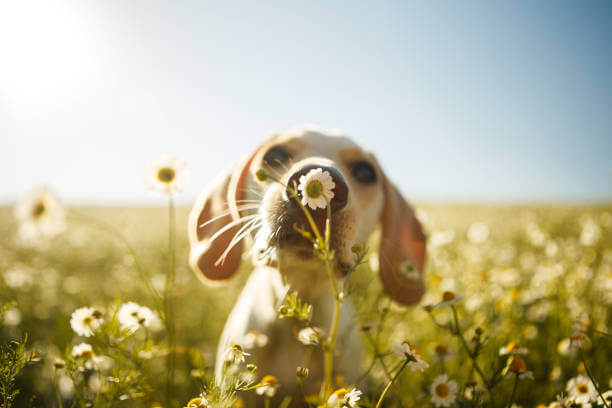
A home-based seasonal routine transforms your living space into a stable sanctuary against environmental volatility.
Mastering Seasonal Dog Care at Home is an exercise in environmental stewardship. Dogs are incredibly adaptive, but they rely on us to bridge the gap between their biological limits and the external world’s volatility. By observing subtle behavioral cues and adjusting the home micro-climate accordingly, you provide a level of care that supports immune health, joint mobility, and psychological peace.
The Rhythm of Care
“At PetCareCompass, we believe that seasonal care should be as rhythmic as the seasons themselves. Don’t wait for a heatwave or a blizzard to act. By the time the weather is an emergency, it’s often too late for simple home adjustments. Precision care is found in the quiet preparation—the early walk, the extra blanket, and the mindful hydration. Protect the environment, and you protect the dog.”
— Maya Mai, PetCareCompass Founder
Find More Dog Care Guides
Continue exploring practical guides related to this topic.