
Puppy Care at Home can feel overwhelming for first-time dog owners, especially during the first few weeks of adjustment. This guide simplifies Puppy Care at Home by focusing on practical, proven steps that support your puppy’s safety, nutrition, and daily structure. With the right foundation, caring for a puppy becomes far more confident and stress-free.
Preparing Your Home for a New Puppy
Bringing a puppy home is exciting, but proper preparation is what makes Puppy Care at Home successful from day one. Puppies explore with their mouths, have little awareness of danger, and can become anxious in unfamiliar environments. Setting up your home intentionally reduces accidents, supports emotional security, and prevents many common behavior problems before they begin.
Puppy-proofing every room effectively
Puppies are naturally curious and will investigate anything within reach. Electrical cords, cleaning supplies, shoes, and small household objects all pose risks. Walk through your home from a puppy’s perspective, getting low to the ground if necessary. Secure loose wires, remove toxic plants, and block off unsafe areas such as staircases or storage rooms.
In Puppy Care at Home, prevention is far easier than correction. Using baby gates and closed doors allows your puppy to explore safely while still learning boundaries. Many professionals recommend limiting free roaming until your puppy shows reliable house habits and impulse control.
Setting up a dedicated puppy zone
A designated puppy area provides structure and emotional comfort. This space should include a bed, water bowl, toys, and a place to rest undisturbed. Puppies need a retreat where they feel safe, especially during their first days at home. A consistent location helps regulate behavior and supports healthy sleep patterns.
This zone also supports Puppy Care at Home by reducing overstimulation. When puppies are overwhelmed, they can become nippy or hyperactive. Having a calm, familiar space allows them to decompress naturally. Over time, this area becomes associated with rest and security rather than isolation.
Choosing Essential Supplies Wisely
New owners often overbuy supplies, yet a few essentials are all that’s truly required early on. Focus on high-quality food bowls, age-appropriate chew toys, grooming basics, and a properly sized crate or sleeping area. Avoid toys with small detachable parts that could be swallowed.
Thoughtful supply choices simplify Puppy Care at Home by minimizing clutter and confusion. Rotate toys instead of offering everything at once to keep your puppy engaged without overstimulation. As your puppy grows, you can gradually introduce additional tools based on real needs rather than impulse purchases.
Establishing a Healthy Feeding Routine
Nutrition plays a central role in Puppy Care at Home, especially during rapid growth phases. Puppies require balanced meals, consistent timing, and appropriate portions to support bone development, digestion, and immune health. Feeding inconsistently or offering improper foods can lead to long-term problems.
Understanding puppy nutritional needs
Puppies need diets formulated specifically for growth. These foods contain higher levels of protein, fats, and essential minerals than adult dog food. Breed size also matters, as large-breed puppies have different calcium requirements than smaller breeds.
As part of Puppy Care at Home, always follow feeding guidelines provided by reputable manufacturers and adjust based on your puppy’s body condition. If ribs are overly visible or weight gain seems excessive, adjustments may be needed. If concerns persist, consult a licensed veterinary professional.
Meal frequency by age and size
Young puppies typically require three to four meals per day, gradually transitioning to fewer meals as they mature. Consistent timing supports digestion and makes house training more predictable. Skipping meals or feeding at irregular hours can cause blood sugar fluctuations and digestive upset.
A structured feeding schedule reinforces Puppy Care at Home by establishing routine and predictability. Puppies learn quickly when food appears, which helps regulate energy levels throughout the day. This predictability also supports training sessions scheduled around meal times.
Portion Control and Growth Monitoring
Overfeeding is a common mistake among new owners. While puppies grow quickly, excess calories can strain developing joints and contribute to obesity. Measure portions rather than free-feeding, and monitor body shape weekly.
Effective Puppy Care at Home includes adjusting portions as your puppy grows. Growth spurts, activity levels, and metabolism all change rapidly during the first year. Regular monitoring ensures your puppy stays healthy without unnecessary restriction or excess.
The PetCareCompass Network
A consistent routine is the secret to a happy, healthy dog at home. If you’re just starting out, check Dog Care at Home for Beginners for easy, step-by-step guidance. Pet owners with a busy schedule can benefit from Dog Care for Busy Owners to stay on track. For building a full daily plan, explore Daily Dog Care Routine at Home and Dog Daily Schedule at Home. Don’t forget to follow Basic Dog Care Rules and Keep Dog Healthy at Home for consistent, effective care. For advice by age, see Puppy Care at Home, Adult Dog Care at Home, and Senior Dog Care at Home. For the full picture, our comprehensive Dog Care Basics guide has everything in one place.
Creating a Consistent Daily Routine
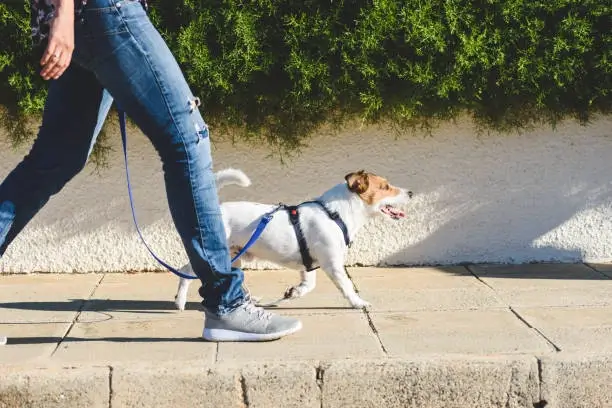
Routine is one of the most powerful tools in Puppy Care at Home. Puppies thrive on structure, and predictable days help regulate behavior, sleep, and learning. Without consistency, puppies may become anxious, restless, or resistant to training.
Why structure matters for puppies
A predictable routine helps puppies understand what comes next. Knowing when to eat, play, rest, and go outside reduces stress and confusion. Puppies raised with structure often develop better impulse control and adapt more easily to new situations.
In Puppy Care at Home, routine acts as silent training. Even without formal commands, puppies learn expectations through repetition. Over time, this reduces unwanted behaviors such as excessive barking or indoor accidents.
Balancing naps, play, and meals
Puppies require significantly more sleep than adult dogs, often 16–20 hours per day. Without adequate rest, puppies may appear hyperactive or disobedient when they are actually overtired. Scheduled naps prevent overstimulation and improve learning outcomes.
Balancing activity is essential for Puppy Care at Home. Gentle play sessions followed by rest help puppies recharge physically and mentally. Avoid intense activity immediately after meals to reduce digestive issues.
Adapting Routines to Your Lifestyle
No two households are identical, and routines should reflect real-life schedules. Whether you work from home or leave during the day, consistency matters more than perfection. Choose feeding, walking, and play times you can realistically maintain.
Flexible consistency supports long-term Puppy Care at Home. If routines change occasionally, returning to familiar patterns helps puppies readjust quickly. Over time, puppies learn resilience alongside structure.
For a broader understanding of how daily routines fit into overall dog ownership, you may find this comprehensive guide helpful: Complete guide to dog care at home.
Building Positive Training Habits Early
Early training is one of the most influential components of Puppy Care at Home. Puppies are constantly learning from their environment, whether training is intentional or not. Establishing positive habits early helps prevent confusion, frustration, and behavioral issues that become harder to correct later. When training is consistent and rewarding, puppies learn faster and build trust with their owners.
Understanding puppy learning stages
Puppies go through rapid cognitive development during their first months. At this stage, their attention spans are short, and learning happens best through repetition and immediate feedback. Expecting perfect obedience is unrealistic, but consistent exposure to basic rules sets the foundation for long-term behavior.
In Puppy Care at Home, training should be viewed as guidance rather than control. Simple cues such as responding to their name, sitting calmly, or waiting briefly before meals teach patience and focus. These small lessons gradually shape impulse control without overwhelming the puppy.
Reward-based training basics
Positive reinforcement is widely recommended by trainers because it strengthens desired behaviors without fear or intimidation. Rewards can include treats, verbal praise, or brief play sessions. Timing matters—rewards should come immediately after the correct behavior to reinforce learning.
Effective Puppy Care at Home relies on clarity. If a behavior is rewarded one day and ignored the next, puppies become confused. Consistency among all household members is essential so the puppy receives the same message regardless of who is interacting with them.
Socialization and Confidence Development
Socialization is a critical yet often misunderstood part of Puppy Care at Home. It is not about forcing puppies into overwhelming situations but about gradually introducing them to new experiences in a controlled, positive way. Proper socialization builds confidence and reduces fear-based behaviors as puppies mature.
What healthy socialization really means
Healthy socialization focuses on quality, not quantity. Calm exposure to different people, sounds, surfaces, and environments helps puppies learn that new experiences are safe. Rushing this process can cause anxiety rather than confidence.
Within Puppy Care at Home, socialization should follow your puppy’s comfort level. Signs such as relaxed posture, curiosity, and gentle tail movement indicate readiness. If a puppy shows fear or avoidance, stepping back and slowing down is often the best approach.
Safe exposure to people and environments
Introducing your puppy to visitors, short car rides, and quiet public areas supports emotional resilience. Always ensure interactions are positive and brief. For example, letting a puppy observe rather than interact can still be valuable.
Many professionals emphasize that Puppy Care at Home should prioritize controlled exposure over unpredictable environments. For guidance on safe early socialization timelines, authoritative veterinary organizations such as the American Veterinary Medical Association provide helpful recommendations on puppy development stages: American Veterinary Medical Association – Puppy Socialization.
Managing Sleep, Rest, and Crate Time

Adequate rest is a foundational yet often overlooked aspect of Puppy Care at Home. Puppies require significantly more sleep than adult dogs, and insufficient rest can lead to overstimulation, poor learning, and behavioral challenges. Structuring sleep and rest periods supports both physical growth and emotional balance.
How much sleep puppies truly need
Most puppies sleep between 16 and 20 hours per day, including naps. Sleep supports brain development and helps puppies process new experiences. Without enough rest, puppies may appear hyperactive or unresponsive to training cues.
In Puppy Care at Home, recognizing overtired behavior is essential. Excessive biting, zooming, or ignoring commands often signal fatigue rather than disobedience. Scheduled naps in a calm environment help prevent these issues naturally.
Introducing crates the right way
Crates, when introduced properly, provide puppies with a safe and comfortable space to rest. They should never be used as punishment. Instead, crates work best when associated with calm routines, familiar bedding, and positive reinforcement.
Using a crate responsibly supports Puppy Care at Home by encouraging independence and predictable rest. Short crate sessions after play or meals help puppies settle, while gradually building comfort with alone time. If resistance continues, consulting a professional trainer may be beneficial.
Monitoring Health and Preventive Care
Proactive health monitoring is a core responsibility within Puppy Care at Home, especially during the first year of rapid development. Puppies cannot communicate discomfort clearly, so early detection depends on careful observation and routine preventive practices. Consistent health awareness helps avoid minor issues escalating into serious conditions.
Routine health checks at home
Daily observation plays a major role in Puppy Care at Home. Owners should pay attention to appetite, energy levels, stool consistency, coat condition, and behavior changes. Small deviations from normal patterns often provide the earliest warning signs of health concerns.
Many professionals recommend incorporating brief health checks into daily routines. Looking at eyes, ears, paws, and gums regularly helps puppies become comfortable with handling, making future veterinary visits less stressful. Calm, gentle checks also strengthen trust between puppy and owner.
Vaccination and vet visit planning
Veterinary care is an essential extension of Puppy Care at Home. Puppies require a series of vaccinations during their first months to protect against common infectious diseases. Scheduling these visits in advance helps ensure no doses are missed during busy adjustment periods.
Beyond vaccines, routine vet visits allow professionals to assess growth, weight, and developmental milestones. If issues persist or seem unusual, consulting a licensed veterinarian is always recommended. Preventive care is far more effective and less costly than reactive treatment later.
Recognizing Early Warning Signs
Subtle changes often signal discomfort or illness. Lethargy, excessive scratching, vomiting, or changes in elimination habits should never be ignored. Puppies can decline quickly if problems are overlooked.
Within Puppy Care at Home, timely response matters. Monitoring patterns rather than isolated incidents helps owners determine when professional evaluation is necessary. Early intervention often leads to faster recovery and reduced stress for both puppy and household.
Long-Term Habits for a Happy, Well-Adjusted Dog

The ultimate goal of Puppy Care at Home is not short-term survival, but long-term success. Early habits shape adult behavior, health, and emotional stability. Consistency, patience, and gradual adaptation allow puppies to mature into confident, balanced dogs.
Reinforcing good behaviors over time
Behaviors learned during puppyhood strengthen through repetition. Calm greetings, appropriate chewing, and polite interactions should continue to be rewarded as the puppy grows. Ignoring progress or assuming behaviors are permanent can lead to regression.
In Puppy Care at Home, reinforcement evolves with maturity. Treats may gradually be replaced with praise, play, or privileges. This transition maintains motivation while encouraging self-regulation and reliability.
Adjusting care as your puppy matures
As puppies grow, their physical and mental needs change. Feeding routines, activity levels, and rest schedules should be adjusted accordingly. Failing to adapt can result in frustration or unmet needs.
Effective Puppy Care at Home involves ongoing learning. Growth spurts, adolescence, and environmental changes all require flexibility. Owners who adjust routines thoughtfully often experience fewer behavioral challenges during transitional phases.
Avoiding Common Owner Burnout
Caring for a puppy is rewarding but demanding. Fatigue and inconsistency often stem from unrealistic expectations. Puppies are learners, not rule-breakers, and progress is rarely linear.
Many experienced owners note that Puppy Care at Home becomes easier when expectations are realistic and support is sought when needed. Professional trainers, veterinarians, and reputable educational resources can provide reassurance and guidance during challenging periods.
Frequently Asked Questions (FAQ)
How long does the puppy stage usually last?
Most puppies transition into adolescence around six to twelve months, depending on breed and size. During this time, consistency in Puppy Care at Home remains critical.
Is it normal for puppies to regress in behavior?
Yes. Temporary setbacks are common during growth phases. Maintaining routine and reinforcement usually resolves regression.
When should professional help be considered?
If behavioral or health concerns persist despite consistent care, consulting a licensed professional is recommended.
Daily Puppy Care Checklist
Morning
- Observe energy level and appetite
- Provide fresh water and scheduled meal
- Short play and bathroom break
Midday
- Nap or quiet rest period
- Gentle training or social exposure
- Health observation check
Evening
- Scheduled meal
- Calm play or enrichment activity
- Wind-down routine before sleep
Maintaining this structure supports Puppy Care at Home while allowing flexibility for real-life schedules.
Find More Dog Care Guides
Continue exploring practical guides related to this topic.