🐕 Mental Enrichment & Cognitive Satiety
“A tired dog is a happy dog, but a mentally exhausted dog is a peaceful one. Puzzle Toys are not luxury accessories; they are essential cognitive tools that mitigate Destructive Chewing by channeling a dog’s natural foraging instincts.” — Maya Mai, Founder of PetCareCompass
More Than Play: The Science of Canine Puzzle Toys
In the wild, canines spend the majority of their waking hours hunting and scavenging. In a modern domestic setting, the lack of this Mental Enrichment often manifests as anxiety or behavioral issues. Puzzle Toys bridge this gap by providing a constructive outlet for their Prey Drive. Choosing the right tool requires understanding your dog’s Problem-Solving Style—whether they are a “Nuzzler” who uses their nose or a “Pawner” who uses force. This guide explores how to select and integrate these tools to enhance your dog’s Neuroplasticity and overall emotional equilibrium.
The Science of Solution: Why Dogs Need Puzzle Toys
Beyond simple entertainment, puzzle toys address a biological phenomenon known as Contrafreeloading—the natural tendency of animals to prefer “earning” their food over eating it from a bowl. By integrating Puzzle Toys into your pet’s life, you are not just giving them a toy; you are activating their Dopamine Reward System through constructive, goal-oriented work.
Harnessing the Foraging Instinct
Modern dogs often suffer from “lifestyle boredom,” where their physical needs are met but their Prey Drive and Cognitive Skills remain idle. Treat-dispensing puzzles mimic the low-impact energy expenditure of outdoor tracking and foraging.
| Outlet Type | Biological Goal | Resulting State |
|---|---|---|
| Physical Walk | Cardiovascular health | Physical exhaustion |
| Puzzle Solving | Synaptic engagement | Cognitive Satiety |
Preventing Destructive Boredom
Without a designated task, dogs become creative—often targeting your furniture or shoes. Dog Boredom Solutions must be proactive, redirecting the mental drive before unwanted habits form.
Core Behavioral Benefits:
- Redirecting Destructive Chewing: Hard rubber puzzles satisfy the need to chew while providing a treat reward, effectively breaking the cycle of furniture damage.
- Mitigating Separation Anxiety: Offering a long-lasting treat puzzle as you leave creates a Positive Association with your departure.
- Managing “High-Energy” Breeds: Working breeds like Border Collies or German Shepherds require daily Problem-Solving Tasks to maintain emotional balance.
The Tactical Kit: Categories of Precision Puzzle Toys
Not all Puzzle Toys are created equal. The efficacy of a tool depends on its mechanical complexity and how it aligns with your dog’s specific Foraging Style. Understanding these categories allows you to introduce Challenge Levels that stimulate without triggering the “frustration threshold.”
Precision Categories:
- 🎾 Kinetic Treat-Dispensing Toys: These toys rely on movement—rolling, wobbling, or bouncing—to release kibble. They are ideal for “high-drive” dogs that prefer Mechanical Engagement. Best for physical redirection & slowing down “gulpers.”
- 🧩 Cognitive Problem-Solving Boards: Featuring sliders, levers, and hidden compartments, these boards require Fine Motor Skills. Dogs must use their nose or paws with precision to solve the sequence. Note: Requires supervision to prevent component chewing.
- 🥣 Interactive Slow Feeders: A fusion of nutrition and puzzles, these feeders turn a 2-minute meal into a 15-minute Cognitive Challenge. Perfect for daily routine automation.
💡 Maya’s Progression Strategy
Never start with a Level 3 puzzle. To build Environmental Confidence, start with a simple wobbler. Once your dog solves it in under 2 minutes, introduce sliders. If they begin biting the toy instead of manipulating it, the Challenge Level is too high—back up one step to maintain a Positive Reward Cycle.
Precision Selection: Choosing the Right Puzzle Toys

Dog enrichment is not a one-size-fits-all solution. Selecting the best puzzle toys for dogs requires a deep understanding of your pet’s Cognitive Load capacity and their specific Jaw Biomechanics. A mismatch between the toy’s difficulty and the dog’s skill level often leads to a high “frustration threshold,” resulting in toy destruction rather than mental engagement.
Matching Difficulty to Skill Level
| Level | Toy Characteristics | Core Skills |
|---|---|---|
| Beginner | Rolling balls, Lick mats, Wobblers | Nosing & Licking |
| Intermediate | Simple sliders, Flaps, Hidden drawers | Sequential pushing |
| Advanced | Complex multi-step levers & rotation boards | Fine Motor Precision |
| If your dog does this… | It means… | Action Step |
|---|---|---|
| Solves it in under 60 seconds | Mastery | Increase Difficulty |
| Barks, bites, or throws the toy | Frustration | Simplify Task |
| Sniffs but walks away | Low Motivation | Upgrade Treat Value |
Critical Safety & Durability Standards
Safety in enrichment is paramount. As a responsible pet parent, conducting a Safety Audit on every tool prevents mechanical failure or ingestion of non-food items.
Safety Rules:
- Material Integrity: Ensure materials are BPA-free and Phthalate-free. For Aggressive Chewers, opt for industrial-grade rubber over brittle plastic.
- Part Size Compliance: Removable sliders or levers must be larger than your dog’s throat to eliminate Choking Hazards.
- Structural Supervision: Never leave a dog unsupervised with a Level 2 or 3 puzzle until they have demonstrated a Reward-Based Learning approach rather than a destructive one.
Integration: Incorporating Puzzle Toys into Daily Routines

The most common barrier to canine enrichment is the perceived “time cost.” However, Puzzle Toys are most effective when integrated into existing household habits. By shifting from bowl-feeding to Puzzle-Based Feeding, you automate mental stimulation, turning mandatory daily tasks into high-value cognitive sessions with zero extra effort.
Automating Mental Enrichment via Mealtime
Standard bowl feeding often leads to “scarfing,” which can cause digestive stress. Interactive Slow Feeders and treat-dispensing canisters force a regulated pace, promoting Post-Prandial Relaxation.
Mealtime Configurations:
- For High-Energy Eaters: Use wobbling feeders to add a physical movement requirement to their meal.
- For Sedentary Dogs: Use lick mats with wet food to encourage calming, repetitive behavior.
🔄 Maya’s Novelty Strategy
Habituation is the enemy of enrichment. To maintain high Cognitive Engagement, I implement a ‘Rule of Three’: keep only three puzzle toys available and rotate them every 48 hours. This maintains Novelty Stimulus, ensuring your dog doesn’t become bored with the mechanical sequence. — Maya Mai, Founder of PetCareCompass
The “Compass” Balanced Routine
Combining physical activity with Cognitive Loading creates a full satisfaction cycle, preventing overstimulation while ensuring your dog is truly “content.”
3-Phase Routine:
- Phase 1: Sensory Trigger (5 mins): A brief “Sniffari” or light outdoor sniffing to wake up the Olfactory Bulb.
- Phase 2: Cognitive Work (10-15 mins): Meal delivery via a Level 2 Mechanical Puzzle or snuffle mat.
- Phase 3: The Settle (Cool Down): A long-lasting natural chew or quiet time to transition into a Restful State.
Budget Enrichment: High-Value DIY Puzzle Toys
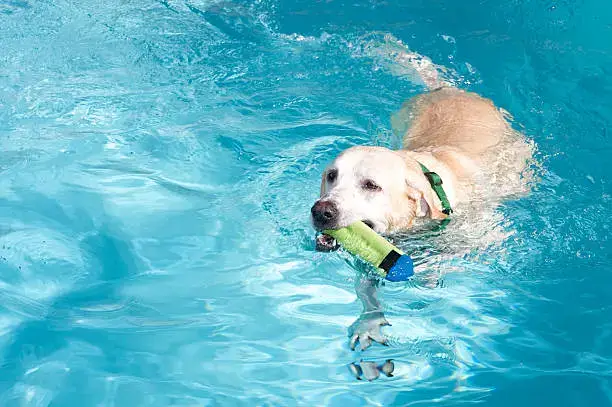
Providing high-level mental stimulation doesn’t always require a financial investment. DIY Puzzle Toys are excellent for testing your dog’s Problem-Solving Style before committing to commercial products. By repurposing household items, you can create Environmental Enrichment that is cost-effective, sustainable, and highly engaging.
Top DIY Projects:
- 🧁 The Muffin Tin “Shell Game”: This is the gold standard for dogs with a Low Frustration Threshold. Place kibble in the compartments and cover them with tennis balls. The dog must utilize Olfactory Tracking to locate the food and then use their nose or paws to remove the physical barrier. Pro Tip: Use an old muffin tin to avoid food-grade cross-contamination.
- 🧣 The Towel “Snuffle” Roll-Up: Fabric-based puzzles are perfect for Senior Dogs or puppies. Scatter kibble across a towel, roll it tightly, and knot it loosely. This activates Scent-Work Instincts and provides a tactile experience that mimics searching through grass or brush.
⚠️ Critical DIY Safety Audit
- Abrasive Edges: When using plastic bottles, sand down all cut edges to prevent oral lacerations.
- Ingestion Risks: Remove bottle caps, rings, and any small plastic fragments before play.
- Hygiene Compliance: Discard DIY toys once they show signs of structural wear or become soiled with saliva.
Hygiene Matters: Cleaning Your Enrichment Tools
Bacteria like Salmonella or E. coli can thrive in the crevices of puzzle boards. To maintain safe enrichment:
Sanitization Steps:
- Dishwasher Safety: Only place hard plastic puzzles on the top rack if labeled “Dishwasher Safe.”
- The Soak Method: For complex mechanical parts, soak in a 1:10 vinegar-water solution to break down organic residue.
- Snuffle Mat Care: Machine wash fabric puzzles weekly using pet-safe, fragrance-free detergent.
🐕 Maya’s DIY Strategy
“I love using the Towel Roll-Up as a bridge to more complex commercial puzzles. It builds Confidence in Problem-Solving. If your dog starts to rip the towel instead of unrolling it, simply loosen the knot to lower the difficulty and ensure a Positive Learning Experience.” — Maya Mai, Founder of PetCareCompass
Troubleshooting Mastery: Overcoming Common Puzzle Obstacles

Not every dog is a natural-born problem solver. If your pet shows disinterest or aggression toward Puzzle Toys, it is rarely a lack of intelligence; rather, it is often a mismatch in High-Value Incentives or a low Frustration Threshold. Mastery is a marathon—success depends on identifying and mitigating these common behavioral roadblocks.
Analyzing Engagement vs. Frustration
Distinguishing between a dog that is “thinking” and a dog that is “shutting down” is critical for maintaining Environmental Confidence.
| State | Signs to Watch For | Correction Needed |
|---|---|---|
| Healthy Focus | Pawing gently, sniffing, looking for angles. | None—allow independent work. |
| Frustration | Barking, biting the toy, walking away. | Decrease difficulty immediately. |
Strategic Troubleshooting Protocol
If your dog loses motivation, use this tiered approach to re-engage their Cognitive Drive.
Tiered Troubleshooting Steps:
- 📍 Tier 1: Increase Reward Potency: If kibble isn’t working, use freeze-dried liver or pungent treats. High-value food decreases Neophobia and reinforces the reward cycle.
- 📍 Tier 2: Facilitate Mechanics: Model the behavior. Tap the toy or move a slider yourself while the dog watches, then let them finish the task to build a Positive Win.
- 📍 Tier 3: Assess Material Fear: Some dogs are startled by the sound of plastic on hardwood. Try placing the puzzle on a Snuffle Mat or carpet to dampen sensory triggers.
Canine Puzzle Toys: Frequently Asked Questions
Q1: Are puzzle toys safe for puppies and senior dogs?
Absolutely. For puppies, puzzles support early neural development. For seniors, they are vital in mitigating Cognitive Dysfunction Syndrome. Ensure you use softer materials for senior jaws and low-resistance mechanics for developing puppy paws.
Q2: How often should dogs use puzzle toys?
Consistent daily exposure is ideal. Incorporating a 10-15 minute session during mealtime or during evening downtime provides structured Mental Enrichment without causing cognitive fatigue or overstimulation.
Q3: Do puzzle toys replace physical exercise?
No. While puzzles reach Cognitive Satiety, they do not provide the cardiovascular benefits of a walk. A balanced routine uses puzzles to complement physical movement, ensuring a holistic approach to your dog’s wellness.
Final Verdict on Mental Enrichment
Mastering Puzzle Toys is about honoring your dog’s biological need for problem-solving. By rotating for novelty and matching the challenge to their unique DNA, you foster a calmer, more confident, and intellectually satisfied companion.
Explore our Pillar Resource on Home Enrichment or consult authority guidelines at VCA Animal Hospitals for further expertise.