
“Managing shedding is not about fighting nature; it is about optimizing the biological environment of the hair follicle.”
Excessive shedding is one of the most common frustrations dog owners face, especially for those living indoors or sharing close spaces with their pets. While shedding is a natural biological process, uncontrolled hair loss often signals gaps in care routines rather than an unavoidable fate.
Effective Anti-Shedding Strategies focus on reducing unnecessary hair loss by supporting coat health, skin balance, and daily habits that veterinary professionals recommend. This guide provides beginner to intermediate owners with practical, vet-informed ways to manage the coat without relying on extreme or invasive solutions.
By understanding the biological triggers of the hair growth cycle and applying proven fundamentals, you can significantly reduce loose hair and maintain a healthier, more resilient coat year-round.
Information Gain: The “Telogen” Factor
Most shedding occurs during the Telogen phase (the resting phase of the hair follicle). Our strategies are designed to ensure that hairs remain in the Anagen phase (active growth) longer, while efficiently removing those that have already reached the end of their life cycle.
🔬 Why Dogs Shed and When It Becomes Excessive
Before applying any Anti-Shedding Strategies, it’s essential to understand the biological “why” behind the process. Shedding is a natural renewal cycle where old, damaged, or dead hair is replaced with new growth. However, shedding transitions from a routine process to a problematic one when hair loss exceeds the physiological norms for a dog’s breed, coat type, or seasonal cycle.
Excessive shedding is often a secondary symptom rather than a primary issue, signaling underlying imbalances in the environment, nutrition, or metabolic stress levels.
Natural Shedding vs. Pathological Hair Loss
| Feature | Normal Coat Renewal | Problematic Shedding |
|---|---|---|
| Distribution | Evenly across the entire body. | Patchy loss or localized thinning. |
| Skin Condition | Healthy, elastic, and non-reactive. | Redness, scaling, or pruritus (itching). |
| Texture | Shiny, resilient guard hairs. | Brittle, dull, or “straw-like” feel. |
Normal Coat Renewal Cycles
Dogs shed as part of a synchronized hair growth cycle. Each follicle independently manages its workload. When old hairs reach the Exogen phase (the final release), they fall out to make room for new, nutrient-rich strands. This process is continuous but spikes during photoperiod transitions (changes in daylight).
Signs Shedding is No Longer Normal
Shedding indicates a systemic issue when it appears suddenly or unevenly. Warning signs that require clinical attention include:
- Follicular Clumping: Large tufts of hair falling out with the bulb attached.
- Dermal Irritation: Excessive scratching, licking, or “hot spots” accompanying the hair loss.
External Catalysts of Increased Hair Loss
🌡️ The Indoor Lifestyle Paradox
Information Gain: Dogs living primarily indoors face “Constant Shedding Syndrome.” Artificial lighting and climate control disrupt the Circadian rhythms of the hair follicles. The body fails to receive clear seasonal cues, leading to a perpetual state of low-level shedding that never truly resets.
Seasonal Transitions and “Coat Blowing”
Many breeds undergo a dramatic “coat blow” during spring and fall. During these windows, the undercoat loosens at an industrial rate. Without adjusting your Anti-Shedding Strategies to increase grooming frequency during these peaks, the loose hair will inevitably compact, leading to skin secondary infections or household hygiene challenges.
Strategic Insight: Effective dog shedding control requires moving from reactive cleaning to proactive biological management.
The Psychosomatic Link: Stress and Routine
Stress has a direct, quantifiable impact on a dog’s coat integrity. Emotional or physical stressors can trigger Telogen Effluvium, a condition where the hair growth cycle is interrupted, forcing follicles to enter the shedding phase prematurely.
🧠 Stress-Related Triggers
- Environmental changes (moving, new pets).
- Lack of cognitive enrichment.
- High-cortisol events (loud noises, travel).
🔄 Grooming Inconsistency
- Irregular brushing leads to compacted dander.
- Lack of stimulation inhibits skin circulation.
- Intense, infrequent sessions stress the follicles.
🐕 Coat Types and Their Role in Anti-Shedding Strategies
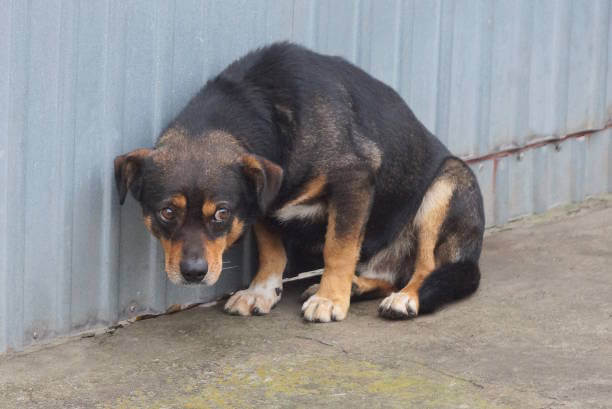
Effective Anti-Shedding Strategies are not universal; they must be surgically adapted to the structural architecture of your dog’s coat. Using aggressive de-shedding blades on the wrong coat type can cause micro-trauma to the skin and permanently damage the hair shaft.
Single-Coat vs. Double-Coat Dynamics
Understanding whether your dog is single or double-coated dictates the frequency and mechanical pressure of your grooming routine.
The Complexity of the Undercoat
Double-coated breeds (Huskies, Shepherds, Retrievers) possess a soft, insulating undercoat protected by a weather-resistant topcoat. This undercoat is the primary source of volume shedding, especially during “coat blow” seasons.
⚠️ Critical Warning: The Shaving Fallacy
Never shave a double-coated dog to stop shedding. Shaving removes the thermal regulation layer and can lead to Post-Clipping Alopecia, where the coat regrows in a dry, patchy, or matted state. Information Gain: Shaving also exposes the skin to solar radiation (UV damage), increasing the risk of thermal stress rather than reducing it.
Common Double-Coat Management Pitfalls
- Over-Stripping: Using sharp metal deshedders too frequently can cut the healthy guard hairs, making the coat appear dull.
- Surface Brushing: Failing to penetrate the dense undercoat with an appropriate rake, leaving dead hair trapped near the skin.
Pro-Tip: Smart Anti-Shedding Strategies focus on “lifting” the undercoat without compromising the protective integrity of the top layer.
Short Hair vs. Long Hair Shedding Patterns
A common misconception is that short-haired dogs shed less. In reality, the Anti-Shedding Strategies for short coats often require more environmental management, whereas long coats require more mechanical intervention to prevent secondary skin issues.
📉 Short Coat Mechanics
Short, stiff hairs fall freely and act like “needles” that embed into upholstery. Because they don’t tangle, they accumulate faster in living spaces.
Expert Strategy: Use high-friction tools like Rubber Curry Brushes to lift these “needle” hairs before they release.
🧶 Long Coat Mechanics
Long coats trap loose hair within the healthy strands, leading to painful matting. When mats loosen, it often looks like sudden, massive hair loss.
Expert Strategy: Frequent light brushing and Detangling Sprays are essential to prevent the “clump release” effect.
Age-Related Coat Changes
The biological needs of the coat are not static. As a dog matures, their hormonal profile shifts, directly influencing the density and resilience of the hair follicles.
Puppy Coat Transitions: The Biological “Blow-Out”
Puppies undergo a dramatic transition as they shed their soft baby coat to make room for adult guard hairs. This phase can look uneven and messy. Information Gain: During this stage, focus on Desensitization Training. Use soft-bristle brushes to build a positive association with grooming while the permanent follicles are still developing.
Senior Dogs and Follicular Senescence
As dogs age, their hair growth slows and sebum production (natural skin oil) decreases. This leads to Follicular Senescence, where hair becomes thinner and more prone to irregular shedding.
🩺 Senior Care: Supportive Strategies
For aging dogs, Anti-Shedding Strategies should shift toward gentleness. Prioritize nutrient-rich diets high in Omega-3 Fatty Acids to support reduced skin elasticity. Use soft silicone tools to stimulate localized circulation without causing dermal discomfort.
Highlight: A dog’s coat is a dynamic reflection of their age, environment, and internal health. Adjust your routine to match their life stage.
🛡️ Core Anti-Shedding Strategies Every Owner Should Start With
Successful Anti-Shedding Strategies begin with simple, repeatable habits rather than aggressive interventions. Many professionals agree that consistency matters more than intensity; intense but sporadic sessions often lead to skin irritation without addressing the root of hair loss.
Brushing Fundamentals: Precision Over Force
Brushing is the primary mechanical method for managing a coat, but its effectiveness is dictated by your technique and frequency. Improper brushing can cause Micro-trauma to the skin, which actually triggers defensive inflammation and further hair loss.
📅 Frequency Logic
Match sessions to the growth cycle. Light maintenance 3x weekly is superior to one 60-minute session. During “coat blow” peaks, move to short daily sessions to prevent dander compaction.
📐 Directional Accuracy
Always brush with the grain of hair growth. Brushing against the grain pulls healthy hairs from the follicle prematurely, damaging the protective cuticle and causing a dull coat appearance.
Bathing Practices: Supporting the Hydro-Lipid Film
Bathing acts as a tactical tool to loosen dead hair, but it must be managed carefully to protect the Hydro-lipid film—the natural oily barrier that keeps skin elastic and hair attached securely.
💡 Information Gain: The “Pore Dilation” Effect
Warm water (never hot) helps dilate the pores slightly, making it easier for Telogen hairs (hairs ready to fall) to release. Pairing a bath with a rubber curry brush during the lathering phase can increase de-shedding efficiency by up to 40% compared to dry brushing alone.
The Overbathing Risk Factor
Overbathing strips essential Sebum, leading to xerosis (dry skin). Dry skin is less capable of holding onto hair shafts, resulting in brittle breakage and increased “dusty” shedding. Watch for these red flags:
- Increased Flaking: Signs of a compromised skin barrier.
- Chronic Itching: Post-bath scratching indicates the shampoo is too aggressive or used too frequently.
Grooming Expert’s Rule: Let the tool do the work. Never apply downward pressure onto the skin; focus on the lateral movement through the hair depth.
Nutrition and Hydration Basics: Building From Within
Coat health is a direct reflection of internal metabolic health. Since hair is composed of approximately 90% protein, poor nutrition leads to weakened Keratin synthesis, causing hair shafts to become brittle, break easily, or fall out prematurely. Nutrition is the most critical long-term investment in your Anti-Shedding Strategies.
🥩 High-Quality Protein
Provides the essential amino acids (Cysteine and Methionine) required to build strong, resilient hair fibers.
🐟 Essential Fatty Acids
Omega-3 and Omega-6 support the skin’s lipid barrier, reducing transepidermal water loss and “dry shedding.”
💊 Biotin & Zinc
Key micronutrients that act as co-factors in skin cell regeneration and follicular strength.
Signs of Nutritional Deficiency in the Coat
If shedding remains excessive despite an impeccable grooming routine, the diet may be the primary bottleneck. Watch for these clinical red flags:
- Delayed Regrowth: Follicles remain in the Telogen (resting) phase for too long after shedding.
- Hyper-pigmentation or Redness: Signifies systemic inflammation that weakens the hair-to-skin bond.
Expand Your Knowledge
For a broader understanding of how grooming routines adapt throughout the year, explore our comprehensive guide:
Information Gain: Chronic dehydration is a hidden driver of shedding. When a dog is dehydrated, the skin loses turgor and “shrinks” slightly around the hair follicle, making it easier for healthy hairs to be released prematurely. Always ensure access to fresh, filtered water.
🛠️ Brushing Tools and Techniques That Minimize Shedding
The right tools are a critical part of effective Anti-Shedding Strategies. Many shedding problems are not caused by the dog’s natural biology, but by how grooming tools interact with the follicular anchor. Poor tool selection can pull out healthy hair, irritate the skin, and trigger a defensive inflammatory response that actually increases hair loss over time.
The Tool Matrix: Matching Brushes to Coat Architecture
Professional groomers emphasize that brushing should feel like a massage, not a chore. When tools match the coat structure, they provide gentle mechanical exfoliation, lifting dead cells and loose hair while stimulating natural oils.
🏔️ Double-Coated Breeds
Focus on removing the undercoat without damaging the protective guard hairs.
- Undercoat Rakes: Use rounded teeth to reach depth safely.
- Slicker Brushes: Flexible pins lift trapped exogen-phase hairs.
🐕 Short & Smooth Coats
Focus on high-friction tools to lift “needle-like” hairs that fall freely.
- Rubber Curry Brushes: Use circular motions to loosen hairs.
- Soft Bristle Brushes: Distributes sebum for a protective shine.
⚠️ Avoid “Stripping” Tools
Be cautious with tools that use sharp blades to “strip” the coat. While they show immediate results in hair volume, they often cut healthy hairs midway through their growth cycle. Information Gain: Over-stripping destroys the coat’s ability to thermoregulate, leading to uneven regrowth and increased follicular stress.
Session Management: Quality Over Duration
A common pitfall in Anti-Shedding Strategies is the “binge-brushing” session—trying to remove weeks of hair in one sitting. This often results in skin overstimulation and learned aversion to grooming.
🛑 Knowing When to Stop
Continuing to brush once the dead hair is cleared can pull healthy hair and cause Brush Burn. Cease the session immediately if:
- The skin becomes pink, warm, or slightly inflamed.
- The brush collects minimal loose hair compared to the start.
- Your dog shows signs of restlessness or “displacement” behaviors (e.g., yawning, lip licking).
Strategic Insight: Short, 5-10 minute frequent sessions build trust and achieve superior dog shedding control compared to long, stressful marathons.
🍂 Seasonal Anti-Shedding Strategies That Actually Work
Shedding intensity is not static; it is a biological response to changing environments. Effective Anti-Shedding Strategies must be recalibrated every season. Relying on a static grooming routine year-round is a primary reason many owners feel overwhelmed during peak “coat blowing” periods.
Mastering the “Coat Blow”: Spring and Fall Logistics
During transitional seasons, dogs (especially double-coated breeds) respond to Photoperiodism—the change in daylight length. This triggers a massive release of the undercoat. Managing this requires a shift from maintenance to active intervention.
🌱 The Spring Release
Preparation for heat. Focus on increasing brushing frequency (daily) to prevent the dense undercoat from trapping heat and moisture against the skin.
🍁 The Fall Transition
Shedding the summer coat to make room for winter insulation. Ensure the coat is completely clear of summer debris to allow the new undercoat to grow in evenly.
💡 Information Gain: The “Indoor Light” Confusion
Artificial heating and cooling in modern homes create a “False Season” environment. This confuses the dog’s pineal gland, often leading to year-round shedding. To mitigate this, maintain indoor humidity between 40-60% to prevent Transepidermal Water Loss, which dries out the hair follicles and causes premature release.
Environmental Fortification: Managing the Buildup
Managing shedding also involves strategic environmental control. Reducing the amount of loose hair in your living space prevents the “Redistribution Effect,” where hair from the floor or furniture ends up back on the dog’s coat, causing tangles.
🏠 Indoor Maintenance Checklist
- HEPA-Filtration Vacuuming: Use pet-specific attachments to pull hair from deep upholstery fibers.
- Textile Rotation: Wash dog bedding weekly in hot water to dissolve accumulated skin dander and loose oils.
- Air Purification: Utilize air purifiers to catch airborne “pet dust” before it settles.
Strategic Perspective: You cannot stop a coat blow, but you can guide it. Consistency in the environment is as important as consistency in the brush.
🚿 Bathing, Drying, and Shedding Control
Bathing is a powerful catalyst in Anti-Shedding Strategies, serving as a form of mechanical extraction for dead hair. However, water and agitation can be a double-edged sword. If done incorrectly, you risk compromising the skin’s pH balance, leading to follicular irritation and an actual increase in premature hair release.
Strategic Bath Timing: Efficiency Over Frequency
The goal of a de-shedding bath is to loosen the “dead-weight” hair that is already in the Exogen phase. Timing your bath to coincide with natural shedding spikes maximizes the volume of hair removed in a single controlled environment.
✅ Optimal Bathing Windows
- During peak seasonal “coat blows.”
- When the coat feels compacted or oily (sebum buildup).
- Immediately before a high-intensity de-shedding brush session.
❌ When to Postpone
- If the skin is currently dry, flaky, or inflamed.
- During periods of acute emotional stress.
- If a bath was performed within the last 14-21 days (prevents over-stripping).
Drying Techniques: Protecting the Follicular Anchor
Post-bath drying is where most coat damage occurs. Rubbing vigorously with a towel creates friction that breaks the cuticle of the hair and irritates the skin, triggering defensive shedding.
💡 Information Gain: The “Blotting” Technique
Instead of rubbing, use highly absorbent micro-fiber towels to blot the coat. Press down firmly to wick away moisture. This keeps the hair shafts aligned and prevents tangling, making the subsequent brushing session 50% more effective at removing loose undercoat without causing pain.
Mechanical Air-Drying: Safe Use of Dryers
Force-drying (using pet-specific dryers) is the gold standard for Anti-Shedding Strategies. The air pressure physically pushes dead hair out of the follicles before it can settle in your home. To avoid thermal damage, adhere to these safety protocols:
- Low-Heat Calibration: High heat can cause “bubble hair” (internal hair shaft damage). Always use the lowest effective temperature.
- Continuous Motion: Never hold a dryer over a single spot for more than 2 seconds to prevent localized dermal overheating.
Groomer’s Secret: A 90% dry coat is significantly easier to de-shed than a soaking wet or bone-dry coat. Moisture acts as a lubricant for dead hair removal.
📈 Long-Term Anti-Shedding Strategies for Healthier Skin and Coat

True success in Anti-Shedding Strategies is not achieved through a single intensive session, but through The Cumulative Effect of daily habits. Long-term hair loss management is a biological investment in skin elasticity, follicular strength, and emotional stability. When the body operates in a state of balance, shedding transitions from an overwhelming chaos to a predictable, manageable cycle.
The Science of Consistency Over Intensity
Inconsistent grooming creates a “boom and bust” cycle for the skin. Skipping sessions allows dead hair to compact against the skin, trapping heat and bacteria, which often leads to Micro-inflammation and sudden, massive hair release once you finally brush. Steady, moderate care prevents this compounding effect.
Steady Release Protocol
Frequent sessions ensure hair is removed as soon as it enters the exogen phase, preventing the buildup of “household tumbleweeds.”
Early Pathological Detection
Daily touch allows you to spot changes in skin temperature, lumps, or parasites long before they become clinical emergencies.
Grooming Desensitization: Reducing Stress-Induced Shedding
As established earlier, stress-related hair loss (Telogen Effluvium) is a significant contributor to excessive shedding. A dog that is fearful of the brush will physiologically release more hair. Establishing a Positive Association Routine is a vital long-term strategy.
💡 Information Gain: The “Calm-First” Rule
Never begin brushing while your dog is in a high-arousal state. Strategic Insight: Spend 2-3 minutes using “flat-hand” strokes (petting) before introducing the tool. This lowers the dog’s heart rate and cortisol levels, keeping the hair follicles “anchored” more securely and making the session 40% more productive.
- Groom in a quiet, low-traffic area of the home.
- Use high-value rewards to reinforce cooperative behavior.
- End every session *before* the dog shows signs of restlessness.
Founder’s Perspective: A predictable routine is a biological sedative. When your dog knows what to expect, their coat will reflect that internal peace.
Nutrition and Hydration as Shedding Control Tools
The integrity of the hair shaft is a biological luxury. When a dog’s diet is unbalanced, the body engages in “Nutrient Shunting”—prioritizing protein and minerals for vital organs while withdrawing support from the coat. This metabolic survival tactic is a primary, yet often overlooked, driver of excessive shedding.
📉 Factors Influencing Hair Retention
Protein Deficit
Weakens the hair cuticle, leading to early entry into the Exogen phase.
Lipid Imbalance
Poor-quality fats reduce the “tackiness” of the follicle, allowing hair to slip out easier.
Micronutrient Lack
Lack of Copper or Zinc slows down the repair of damaged hair shafts.
Hydration and Skin Elasticity
Hydration is the “invisible” component of Anti-Shedding Strategies. Dehydrated skin loses its turgor (elasticity), causing the skin to tighten and “choke” the follicle, which triggers a premature release of the hair. Maintaining peak hydration ensures the skin remains supple enough to hold the hair follicle securely.
Stress Reduction and Hormonal Balance
Stress is a chemical catalyst for hair loss. High levels of Cortisol (the stress hormone) disrupt the normal hair growth cycle, pushing a higher percentage of hairs into the Telogen (resting) phase simultaneously. This results in what owners perceive as a sudden, massive “stress shed.”
💡 Information Gain: Environmental Enrichment as Grooming
Reducing shedding can be as simple as increasing mental stimulation. Boredom and anxiety lead to psychogenic grooming (excessive licking), which mechanically pulls out healthy hair. Strategic Insight: A calm, enriched dog has lower systemic inflammation, leading to a tighter hair-to-follicle bond and a noticeable reduction in non-seasonal hair loss.
Creating a Calming Environment
To support biological coat retention, your home environment must act as a sensory sanctuary. Effective calming strategies include:
- Acoustic Management: Providing a quiet area away from household noise and sudden schedule changes.
- Predictable Rituals: Dogs thrive on “anchor points” in their day (set times for meals and rest).
Grooming Logic: When emotional well-being improves, the body no longer views the coat as a disposable resource, leading to better hair retention.
📊 Monitoring Shedding, FAQs, and a Practical Daily Checklist
Success in Anti-Shedding Strategies is built on the ability to distinguish between biological renewal and clinical distress. When shedding patterns deviate from the norm, they act as an early warning system for your dog’s health. This final section provides the tools for systematic monitoring and consistent daily action.
Clinical Surveillance: Normal vs. Abnormal Shedding
✅ Seasonal Indicators
Gradual onset matching weather transitions; coat remains shiny; improves immediately with routine grooming.
⚠️ Pathological Warning Signs
Sudden clumping; accompanied by Erythema (redness) or odor; persists regardless of grooming intensity.
🩺 When to Consult a Professional
If you observe Symmetrical Alopecia (matching bald spots on both sides), open sores, or systemic signs like lethargy, grooming is no longer the solution. These are often markers of endocrine disorders (e.g., Cushing’s Disease) that require veterinary intervention.
The Master Anti-Shedding Checklist
Small daily actions add up to profound clinical results. Use this tiered checklist to maintain long-term coat resilience.
| Interval | Strategic Actions |
|---|---|
| Daily | Quick hand-over-coat check; verify hydration levels; observe for new “hot spots.” |
| Weekly | Full deep-brushing session; wash bedding in 60°C water; sanitize grooming tools. |
| Monthly | Evaluate dietary efficacy; check indoor humidity (Target: 50%); assess tool wear & tear. |
Final Perspective
Shedding cannot be eliminated, but it can be guided and optimized. The most successful Anti-Shedding Strategies focus on consistency, biological comfort, and a deep understanding of the natural renewal cycle. When grooming, environment, nutrition, and emotional well-being work in synergy, shedding becomes a predictable part of life—not a source of frustration.
Find More Dog Care Guides
Continue exploring practical guides related to this topic.