
Grooming Advisory: Effective seasonal coat adjustments are breed-specific. Improper techniques, such as shaving a double-coated breed to “cool them down,” can lead to permanent follicle damage and Post-Clipping Alopecia. Always prioritize aeration over removal.
A dog’s coat is a dynamic Thermoregulatory organ. Driven by Photoperiodism—the response to changing daylight hours—the canine endocrine system triggers seasonal coat adjustments to prepare for thermal extremes. Managing this transition isn’t just an aesthetic choice; it is a clinical necessity to prevent Undercoat Compaction, maintain skin pH, and ensure your dog’s internal cooling system remains functional.
Strategic Objectives:
This guide provides a professional roadmap for seasonal coat adjustments, ensuring your dog remains comfortable, healthy, and physiologically protected year-round. For more comprehensive seasonal grooming strategies, see Essential Seasonal Grooming Tips for Every Dog.
The Cycle of Renewal: Understanding Biological Coat Shifts
Successful seasonal coat adjustments are built on a granular understanding of the canine hair growth cycle. Every follicle transitions through stages of active growth (Anagen) and rest (Telogen). When environmental triggers like temperature and light shift, the dog’s body forces a synchronized “exit” of dead hair to make room for season-appropriate textures. This is not just “hair loss”; it is a vital metabolic reset.
The Seasonal Shedding Architecture
Whether it is the “Blow Out” of spring or the “Winter Deepening” of fall, seasonal coat adjustments require a tailored approach to the Undercoat—the soft, insulating layer that dictates a dog’s thermal comfort.
- Spring (The Vernal Blow-Out): As temperatures rise, the dense winter undercoat is shed in clumps. Failure to remove this hair leads to Undercoat Compaction, which traps heat and moisture, potentially causing “hot spots” or wet eczema.
- Fall (The Autumnal Thickening): The body prepares for frost by growing a plush, air-trapping undercoat. Grooming here focuses on removing summer debris and ensuring the Guard Hairs are clean to allow for maximum Thermal Loft.
- Hormonal Fluctuations: Be aware that seasonal coat adjustments can be disrupted by “endocrine shedding”—spikes in hair loss due to thyroid imbalance or post-spay hormonal shifts that mimic a permanent shedding state.
The Seasonal Pathology Matrix
Each climate shift presents a specific dermatological threat. Strategic seasonal coat adjustments mitigate these risks before they require clinical intervention.
| Season | Primary Challenge | Dermatological Risk |
|---|---|---|
| Winter | Extreme Low Humidity | Transepidermal Water Loss (Dry Flaking). |
| Summer | UV Radiation & Humidity | Follicular Bleaching & Fungal growth. |
| Transitional | Heavy Molting | Impaction Mats & Parasite trapping. |
Mechanical Benefits of Seasonal Grooming
Routine seasonal coat adjustments through brushing serve a mechanical purpose: the redistribution of Sebum. These natural oils, produced at the base of the hair follicle, act as a water-resistant and antimicrobial barrier. By brushing more frequently in extreme seasons, you ensure this protective lipid layer is evenly distributed from root to tip, enhancing the coat’s Structural Integrity.
Precision Grooming: Brushing as a Bio-Mechanical Intervention
In seasonal coat adjustments, brushing is the primary method for Mechanical Aeration. By removing dead Telogen hairs before they become trapped in the living coat, you allow oxygen to reach the skin and facilitate the Evaporative Cooling process. Without this intervention, dead fur acts as a thermal blanket, trapping heat and creating an environment ripe for Microbial Proliferation.
The Tool Arsenal: Seasonal Specificity
Selecting the correct tool is not about luxury; it is about matching the Follicular Depth of your dog’s specific breed.
🛠️ The Seasonal Tool Matrix:
- Undercoat Rakes (The Spring Essential): Designed with long, T-shaped tines to reach beneath the Guard Hairs. These are vital during the “Blow-out” to pull out the dense, woolly undercoat without damaging the topcoat.
- Slicker Brushes (Detailing): Ideal for Cuticle Alignment. The fine wire bristles remove surface dander and prevent Secondary Matting in feathering areas like the tail and hindquarters.
- Bristle Brushes (Winter Maintenance): Best for short-haired breeds to promote Sebum Distribution. Regular use ensures the lipid barrier remains intact against harsh, dry winter winds.
Frequency and The “Line Brushing” Technique
During peak seasonal coat adjustments, superficial brushing is insufficient. To ensure Total Deshedding, utilize the Line Brushing technique: Part the hair down to the skin and brush from the root outward. This ensures that the base of the follicle is clear of debris, promoting healthy new hair growth.
| Coat Type | Shedding Frequency | Primary Strategy |
|---|---|---|
| Double Coat | Daily (Spring/Fall) | Deep Raking + High-Velocity Aeration. |
| Long/Silky | 3-4 Times Weekly | Detangling & Sebum distribution. |
| Short/Smooth | 1-2 Times Weekly | Mechanical Exfoliation of dead skin cells. |
Environmental Control: Minimizing Indoor Impact
An effective seasonal coat adjustments routine also includes environmental management. As you remove large volumes of fur, the risk of Indoor Allergen Accumulation increases. Brushing your dog outdoors and using a high-velocity dryer to “blow out” loose hair can significantly reduce the particulate load within your home.
Hydro-Management: Bathing for Optimal Seasonal Transition
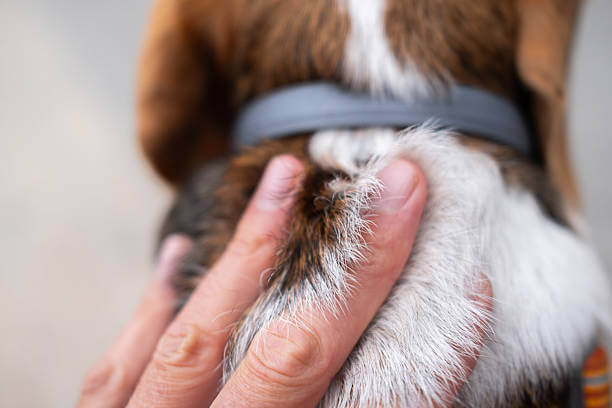
In seasonal coat adjustments, bathing serves a dual purpose: mechanical exfoliation of dead hair and chemical stabilization of the Epidermal Lipid Barrier. Water temperature and product pH must be carefully modulated; cold winter air strips moisture, while summer humidity encourages fungal overgrowth. A strategic bathing protocol ensures the follicles remain unobstructed during heavy Telogen shedding periods.
The Seasonal Bathing Frequency Matrix
Over-bathing is the #1 cause of Sebum Depletion. Your frequency should align with the dog’s activity level and the ambient humidity to prevent compensatory oil production (seborrhea).
- Spring/Fall (Heavy Shed-Less Phase): Every 2-3 weeks. Utilize high-quality Deshedding Shampoos containing Omega fatty acids to weaken the attachment of dead “Telogen” hairs, allowing them to rinse away easily.
- Winter (Hydration Focus): Once a month. Use soap-free, colloidal oatmeal formulas to prevent Transepidermal Water Loss caused by indoor heating and sub-zero outdoor temperatures.
- Summer (Allergen Flush): Every 2 weeks or as needed. Focus on removing pollen and environmental irritants that can lead to Atopic Dermatitis flare-ups.
Pharmacology of Seasonal Cleansers
The Surfactants used in your grooming products must be gentle enough to preserve the dog’s neutral pH (approx. 7.0–7.5).
| Formula Type | Active Mechanism | Best Season |
|---|---|---|
| Deshedding Solutions | Follicular relaxation & lubrication. | Spring & Fall |
| Humectants (Honey/Aloe) | Moisture retention in the Stratum Corneum. | Winter |
| Antiseptics (Chlorhexidine) | Bacterial and fungal load reduction. | Summer (High Humidity) |
Post-Bath Optimization: The “High-Velocity” Advantage
In professional seasonal coat adjustments, the “Drying Phase” is where the most hair is removed. Utilizing a High-Velocity (HV) Pet Dryer doesn’t just evaporate water; it uses focused air pressure to blast out dead undercoat trapped deep near the skin. This “Force Drying” technique is significantly more effective than brushing alone for double-coated breeds.
Nutritional Bio-Hacking: Supporting the Seasonal Coat Shift
In seasonal coat adjustments, the demand for specific micronutrients spikes during transitional periods. Hair is composed primarily of Keratin (a protein); therefore, a dog’s body reallocates up to 30% of its daily protein intake solely to coat maintenance during heavy shedding. Providing targeted Dermal Bio-availability through diet ensures that new growth is structurally sound and resistant to environmental stressors.
The Seasonal Metabolic Calendar
Dietary modulation should be anticipatory. Adjusting caloric and fatty acid ratios 2-4 weeks before a seasonal shift allows the Sebaceous glands to prepare the skin for the coming climate.
- Spring/Fall (The Protein Peak): Increase high-quality animal proteins. Amino acids like Cysteine and Methionine are the building blocks of the new undercoat.
- Winter (The Lipid Shield): Boost Omega-3 Fatty Acids (EPA/DHA). These counteract Transepidermal Water Loss caused by dry indoor heating and cold winds.
- Summer (Antioxidant Protection): Introduce foods rich in Vitamin E and Zinc to combat Photo-oxidation (sun damage) that can bleach and weaken the coat’s guard hairs.
Supplements: Enhancing Follicular Integrity
| Nutrient | Biological Function | Grooming Impact |
|---|---|---|
| Omega-3 (Fish Oil) | Anti-inflammatory; Sebum quality. | Reduces Telogen hair breakage. |
| Biotin (Vit B7) | Keratin synthesis catalyst. | Accelerates new hair emergence. |
| Zinc | Cell division & tissue repair. | Prevents crusting and thinning. |
Adaptive Grooming: A Seasonal Logic
Tailoring your physical flea tick care and coat maintenance to the specific Thermal Regulation needs of the season is the hallmark of professional care. In summer, the priority is Aeration; in winter, it is Insulation Preservation.
Summer Strategy: Maximizing Airflow
For double-coated breeds, seasonal coat adjustments in summer involve removing the insulating undercoat while keeping the Guard Hairs intact. Guard hairs provide shade and protect the skin from UV-induced Dermal Thermal stress.
Winter Strategy: Maintaining the Lipid Shield
Winter maintenance is about “less is more.” Reducing bath frequency prevents the stripping of the Acid Mantle—the slightly acidic surface layer that protects against bacteria. Brushing remains vital, but use a softer touch to avoid Mechanical Alopecia on skin that may be more fragile due to dryness.
The Grooming Arsenal: Tool Selection for Seasonal Success
In seasonal coat adjustments, the efficacy of your effort is limited by the engineering of your tools. A brush that only polishes the Guard Hairs while leaving the Undercoat compacted is a failure of technique. Professional-grade accessories are designed to penetrate the coat’s Density Matrix, ensuring that dead hair is removed at the follicular level without compromising the skin’s Acid Mantle.
The Precision Tool Matrix
Matching the tool to the Follicular Depth is critical. During peak shedding, your goal is High-Velocity Aeration—allowing the skin to breathe by clearing away the thermal obstruction of dead fur.
- Undercoat Rakes: The gold standard for double-coated breeds. These utilize long tines to reach beneath the topcoat, specifically targeting the Telogen fibers that cause matting.
- Slicker Brushes (Fine-Wire): Essential for Static Charge Reduction and detailing. These align the hair cuticles, making the coat appear glossy while capturing surface dander.
- Deshedding Blades: Best used on short-haired breeds to exfoliate dead skin cells and remove loose hairs before they become Indoor Allergens.
Environmental Bio-Security: Managing the Hair Load
Effective seasonal coat adjustments also involve Particulate Load Management within your home. As you deshed, you are releasing a significant volume of dander and organic debris into your living space.
| Home Tool | Benefit for Owner | Maya’s Pro Strategy |
|---|---|---|
| HEPA Pet Vacuum | Captures 99% of microscopic dander. | Vacuum carpets 3x weekly during the “Spring Blow-out.” |
| Washable Filters | Reduces long-term allergen buildup. | Clean HVAC filters monthly during shedding peaks. |
| Lint Rollers | Quick-touch surface removal. | Use sticky rollers for Secondary Matting prevention on upholstery. |
The Daily Arsenal: Engineering a Fur-Free Environment
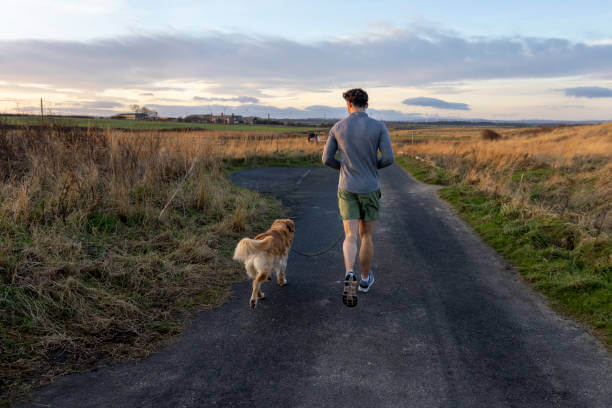
In seasonal coat adjustments, consistency is the primary variable for success. Daily grooming isn’t just about aesthetics; it is a form of Dermal Exfoliation that prevents the accumulation of dead Telogen hairs. By utilizing specialized equipment, you can manage the “Shedding Load” before it enters your home’s HVAC system, maintaining both your dog’s hygiene and your indoor air quality.
Core Grooming Equipment for Daily Precision
The choice of tool should be dictated by the Follicular Depth of your dog. A tool that only reaches the Guard Hairs will fail to address the underlying Undercoat Compaction.
- Undercoat Rakes: These are the “heavy excavators” for spring and fall. Their tines reach deep to pull out the woolly undercoat that traps heat.
- Slicker Brushes: Essential for Static Charge Neutralization. They align the hair cuticles, reducing the “velcro effect” that causes fur to stick to fabrics.
- Grooming Gloves: Ideal for daily Sebum Redistribution on short-haired breeds or sensitive dogs. They provide a therapeutic massage while capturing loose surface hair.
Environmental Bio-Security: Home Management
Effective seasonal coat adjustments extend to your living space. Managing the Particulate Load of dander and loose fur is essential for households with allergy sensitivities.
| Home Accessory | Hygiene Benefit | Maya’s Pro Strategy |
|---|---|---|
| HEPA Vacuum | Captures 99.7% of dander. | Focus on “Draft Zones” where fur clumps gather. |
| Sticky Rollers | Quick textile cleaning. | Use on upholstery immediately after grooming. |
| Washable Liners | Bacteria & odor control. | Wash weekly at 140°F (60°C) to kill Dust Mites. |
Expert FAQ: Navigating Seasonal Coat Complexities
❓ How often should I adjust my brushing routine per season?
Transition your frequency about 2 weeks before a major seasonal shift. Long-haired and double-coated dogs require daily Undercoat Raking during spring/fall, while short-haired breeds need 2-3 sessions weekly to manage surface dander.
❓ Can supplements truly reduce seasonal shedding?
Supplements like Omega-3 and Biotin cannot stop natural shedding (which is biologically necessary), but they strengthen Follicular Integrity. This ensures new hair grows in healthy and reduces the Brittle-Breakage that makes shedding look excessive.
❓ How do I prevent winter coat dryness and flaking?
Preserve the Acid Mantle by reducing bath frequency and using soap-free, hydrating shampoos. Maintaining indoor humidity and regular brushing to distribute Natural Sebum are your primary defenses against low-humidity flaking.
❓ What is the best way to manage heavy spring/fall shedding?
The “Gold Standard” is a Hydro-Mechanical Blow-out. A deshedding bath followed by High-Velocity (HV) drying blasts out the dead undercoat before it can mat. Pair this with daily raking for maximum environmental hair control.
❓ When should I consult a veterinarian for coat issues?
Seek professional advice if you notice asymmetrical hair loss, bald patches, or Erythema (redness). Sudden shedding accompanied by lethargy may indicate a metabolic or thyroid imbalance rather than a seasonal shift.
❓ Do puppies and seniors have different seasonal needs?
Yes. Puppies lack a fully developed Undercoat, making them more vulnerable to cold. Seniors often have slower Sebum production, necessitating extra hydration and softer brushing techniques to avoid skin irritation.
The 365 Mastery: Daily Seasonal Maintenance
- ✅ Light Sebum distribution brush.
- ✅ Dermal check for overnight hotspots.
- ✅ Paws: Pollen & Salinity wipe.
- ✅ Friction zone check (Ears/Axilla).
- ✅ Debris removal (Outdoor antigens).
- ✅ High-value reward for Grooming Focus.
- ✅ Deep Undercoat Raking session.
- ✅ Sanitize grooming tools & filters.
- ✅ Update the Seasonal Grooming Log.
Conclusion: Harmonizing with Your Dog’s Biological Clock
Effective seasonal coat adjustments represent a deep commitment to your dog’s physiological well-being. By transitioning from reactive brushing to a proactive Bio-Mechanical grooming strategy, you support your dog’s natural Thermoregulation and maintain the integrity of their Acid Mantle.
A vibrant, healthy coat is the external signature of internal health. Through the strategic use of High-Velocity aeration, targeted nutrition, and consistent dermal observation, you ensure your companion thrives in every climate. Remember, every dog’s shedding cycle is a unique biological fingerprint—monitor closely, adjust seasonally, and lead with patience.
Find More Dog Care Guides
Continue exploring practical guides related to this topic.