

Dog owners often worry about cold weather, snow, and icy sidewalks during winter. Much of that concern revolves around winter gear, because the right equipment can support warmth and safety without special tools. In colder regions, low temperatures, wind, and frozen surfaces can challenge even healthy dogs. With proper preparation, dogs can still enjoy walks, exercise, and normal routines in winter. This guide explains how winter gear functions, why some dogs need it more than others, and how owners can make smart decisions at home based on climate, breed, and age.
Understanding Winter Gear and Cold-Weather Needs
Cold months introduce several environmental factors that can affect dogs differently depending on coat type, body mass, and health. Many owners assume their dog’s natural coat is “enough,” but winter often includes moisture, wind, and ice—conditions that natural fur does not completely shield against. This section explains how winter gear supports comfort and safety, what variables matter most, and how to observe your dog during cold weather outings.
Why Dogs Need Winter Protection
Cold exposure increases when temperature, moisture, and wind combine. Dogs lose heat faster when their fur becomes wet from snow or freezing rain, and small breeds or dogs with thin coats may shiver quickly. Winter gear acts as a barrier that reduces heat loss and shields against wind or damp conditions.
Signs a dog may benefit from extra protection include:
- frequent shivering outdoors
- lifting paws or hesitating to walk
- seeking to return indoors quickly
- avoiding contact with snow or wet surfaces
Example: A short-haired Boston Terrier may enjoy short walks in mild autumn, but in January, the same dog may shiver within minutes. A simple insulating layer can help maintain comfort without restricting movement.
Variations by Breed, Coat Type, and Size
Not all dogs experience winter the same way. Several biological factors influence heat retention:
- Coat density and length (husky vs. boxer)
- Body fat percentage
- Muscle mass and build
- Surface area to volume ratio (small dogs lose heat faster)
Small breeds, senior dogs, puppies, and shaved dogs are more sensitive to cold. Larger northern breeds often tolerate snow well, but they may still need paw protection or nighttime visibility accessories rather than full-body winter gear.
Example: A Chihuahua with a smooth coat may need an insulating layer at 10°C, while a Samoyed may comfortably walk in light snow without additional clothing.
Key Winter Climate Conditions (Snow, Wind, Ice)
Winter is not defined by temperature alone. Three climate factors influence outdoor safety:
- Snow: increases moisture exposure and can cling to fur
- Wind: accelerates heat loss due to wind chill
- Ice: creates traction issues and increases fall risk
Owners should check local weather conditions before walks. Winter gear with a water-resistant outer shell helps manage snow and freezing rain, while reflective elements improve visibility during early sunsets.
Example: On a windy day at −5°C, a beagle may appear fine at first but begin shivering once wind reaches exposed areas. A lightweight winter gear layer adds wind resistance without overheating.
Winter Gear for Body Protection (Jackets, Sweaters, Coats)

Dogs lose heat differently depending on coat length, body size, and exposure to moisture. Body-focused winter clothing helps preserve warmth and reduce wind chill during routine walks. This section explains the main features of jackets and sweaters, how insulation works, and how owners can choose comfortable pieces for daily use at home. The goal is to help owners understand body-layer winter gear options without commercial hype or specialized equipment.
Materials and Insulation (Thermal Layers)
Most body layers rely on insulation to slow heat loss. The insulating component can be fleece, quilted synthetic fill, or wool. These materials trap warm air close to the skin while a durable outer shell blocks wind and moisture. A lightweight synthetic liner also dries faster after snow exposure. When picking body-focused winter gear, owners should look for:
- a soft inner lining for comfort
- a water-resistant or waterproof outer layer
- a breathable intermediate layer to reduce overheating
Example: A young short-haired dog may wear a thin fleece sweater indoors on cold mornings, while adding a waterproof jacket for outdoor walks after heavy snowfall.
Important note: Insulation does not mean bulk. A well-designed jacket maintains thermal protection while allowing natural movement, especially around the shoulders and neck.
Fit, Measurement, and Comfort
Fit matters more than style. If body winter gear is too loose, cold air enters and heat escapes. If it is too tight, it restricts gait and can cause chafing behind the front legs. Owners can measure the dog’s chest girth, back length (from neck to tail base), and neck circumference to match size charts accurately. Comfortable protective layers should:
- cover chest and belly area
- avoid pressing on the trachea or shoulders
- allow full range of leg motion
Example: A Dachshund’s long body requires a different cut than a French Bulldog’s compact frame. Proper fit prevents exposure around the midsection, especially during snowy walks.
Short walks at home can help the dog adjust. If a dog freezes or refuses to move, the clothing may feel restrictive. A well-fitted piece of winter gear should allow natural postures including sitting, stretching, and sniffing the ground.
Waterproof vs. Non-Waterproof Options
Moisture changes heat retention dramatically. Waterproof body layers prevent melted snow from soaking through, while non-waterproof sweaters help only with insulation. Waterproof shells are useful during freezing rain or deep snow, but may not be necessary in dry, cold climates. Owners can choose based on local weather:
Waterproof advantages:
- shields against snow and road spray
- prevents wet fur and heat loss
- easier to clean after slush exposure
Non-waterproof advantages:
- lightweight and breathable
- comfortable for indoor use
- quicker dressing routine
Example: In coastal regions with sleet and wet snow, a waterproof jacket helps keep the dog warmer. In dry winter regions, a fleece sweater may provide adequate insulation without extra bulk. Both options fall under practical body-protection winter gear, but each shines under different conditions.
Paw Protection Winter Gear (Boots, Balm, After-Walk Care)

A dog’s paws make direct contact with snow, salt, ice, and frozen ground. Cold surfaces can cause paw discomfort, while road salt and de-icers may irritate the skin. Paw-specific winter gear helps reduce exposure to cold and hazardous surfaces while maintaining traction during daily walks. This section explains boot options, traction features, and simple after-walk routines that do not require professional tools.
Effects of Ice, Salt, and Chemicals on Paw Pads
Ice forms sharp edges that can press into paw pads during long walks. Road salt and de-icing chemicals may cling to fur between the toes and cause irritation. Some dogs begin lifting their paws or trying to lick them during cold-weather walks. Paw-focused winter gear helps reduce:
- direct contact with chemicals
- slipping on smooth ice
- heat loss from prolonged surface contact
Example: On salted sidewalks, a dog may rapidly rotate between paws to avoid discomfort. Reducing exposure lowers irritation risk and makes the walk calmer and safer.
Types of Dog Boots and Traction Features
Dog boots vary by material and purpose. Lightweight rubber booties offer basic waterproofing, while insulated boots add warmth. Traction is especially useful for older dogs or dogs recovering from mobility issues. When choosing paw-related winter gear, owners typically compare:
- sole thickness and flexibility
- adjustable straps for secure fit
- inner lining for warmth
- tread pattern for grip on ice or packed snow
Example: A senior Labrador may benefit from boots with treaded soles on icy driveways, reducing slip risk during bathroom trips. A young dog might use thin rubber booties mainly to block salt exposure during short neighborhood walks.
Cleaning and Drying Paws After Outdoor Walks
Even with good boots, paws collect moisture and debris. A basic drying routine supports comfort and prevents prolonged chemical exposure. Owners can:
- rinse or wipe paws after walks
- remove salt or small ice clumps between toes
- dry with a clean towel
- check for cracking or redness
For dogs that dislike boots, cleaning routines combined with petroleum-free balms can also help. Paw-care winter gear can include boots for outdoor protection and balms for nightly moisture support. A quick towel near the doorway makes after-walk care simple without extra tools.
Head, Ears, and Nose Winter Gear (Targeting Sensitive Areas)

Some body parts are more vulnerable to cold than others. Thinly coated areas—especially head, ears, and nose—lose warmth faster and are easily irritated by wind and wet snow. While many dogs tolerate moderate cold well, sensitive breeds, seniors, and puppies benefit from targeted accessories that shield these small but important regions. This section explains why these areas matter, what types of accessories exist, and how to use them safely at home without stressing the dog.
Why Head, Ears, and Nose Are Vulnerable in Cold Weather
The head contains many exposed surfaces that do not have thick insulation. The ears, particularly on dogs with short or floppy ear types, can quickly become cold because they have minimal muscle mass. Wind accelerates heat loss from the ear tips, and snow can stick to fur around the muzzle. The nose stays moist, making it more sensitive to wind and freezing temperatures.
Breeds with short coats (e.g., Italian Greyhounds) or thin ear flaps feel cold sooner. Senior dogs may also have reduced circulation, leading to slower warming once indoors. A small accessory is not meant to “treat” medical issues; it simply reduces discomfort during regular outdoor routines.
Example: A small Whippet may be comfortable indoors, but on a windy morning walk, the dog may tilt its head away from gusts and lift front paws frequently. Covering the ear area can reduce wind discomfort and improve the experience.
Types of Protective Accessories for Ears and Nose
Owners have multiple ways to shield these regions depending on temperature and activity level. Accessories commonly used at home include:
- Snoods: fabric tubes that cover the neck and ears while allowing natural motion
- Ear wraps: fitted cloth pieces that block wind around ear flaps
- Soft muzzles or face covers: thin layers that protect the front of the face without restricting breathing
- Balaclava-style layers: combined head-and-neck covers for extremely cold conditions
These items are lightweight, flexible, and meant for short periods during exposure. They do not fully insulate the body like jackets, but they complement other winter gear by focusing on vulnerable areas. Owners can select breathable fabrics such as fleece or wool blends that retain warmth without causing overheating.
Example: A snood paired with a water-resistant jacket provides adequate coverage for a short-haired dog during a snowy afternoon walk.
When and How to Use These Accessories Safely
Dogs vary in tolerance for head coverings. Introductions should be gradual, with short sessions indoors before heading outside. Owners can follow a simple routine:
- practice fitting indoors with calm praise
- ensure unobstructed vision and breathing
- check for rubbing or pinching around the ears
- remove accessories immediately if the dog freezes or paw-slaps at the item
Windy days, sleet conditions, and snowfall are common scenarios where accessories help. Most dogs do not need continuous use; instead, these items function as targeted winter gear deployed during specific outings or weather events.
Example: During freezing rain, a dog may squint and shake its head repeatedly. A lightweight face covering can reduce discomfort and help the dog finish its bathroom break without rushing indoors.
Visibility and Nighttime Winter Gear (Low-Light Safety)
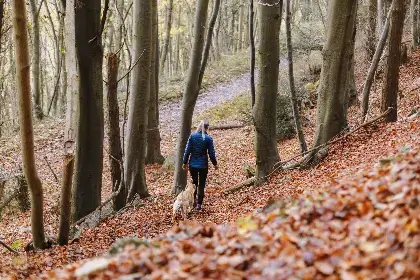
Winter walks often occur in low-light conditions because days are shorter and sunsets arrive early. Snowstorms and overcast skies further reduce visibility. While warmth is important, owners should also consider visibility-related equipment that makes dogs more noticeable to drivers, cyclists, and other pedestrians. This section focuses on lights, reflective elements, and simple routines to improve safety after dusk.
Reflective Elements for Early Morning and Evening Walks
Reflective materials bounce existing light—such as headlights or streetlamps—back toward the source. Many harnesses, collars, and leashes incorporate reflective stitching or wide reflective panels. These additions do not replace insulation-focused winter gear, but they play an important complementary role.
Benefits include:
- improved visibility at road crossings
- easier tracking during off-leash play in fenced areas
- safer snow walks during low contrast conditions
Example: A black-coated dog may blend into the background during a 6 PM winter walk. A reflective leash and harness make the dog visible from several meters away, reducing collision risk near driveways or parking lots.
Choosing Safe Visibility Accessories
Accessories designed for visibility vary in function. Common types include:
- Reflective collars and harnesses
- LED clip-on lights that attach to collars
- Reflective vests for broader surface visibility
- Glow-in-the-dark leash materials
Owners should avoid placing lights where they bounce directly into the dog’s eyes. LED clip-ons work well for short walks, while reflective vests provide passive visibility without batteries. These accessories integrate easily with other winter gear without adding bulk or restricting movement.
Example: During dense snowfall, LED lights may provide immediate visual cues for nearby pedestrians, especially along shared paths or park trails.
Winter Weather Conditions Affecting Visibility
Visibility decreases for many reasons:
- heavy snow reduces contrast
- fog creates diffusion around lights
- icy surfaces reflect light unpredictably
- early sunsets reduce natural illumination
Checking conditions before leaving helps determine which accessories are needed. Low contrast conditions often require both reflective elements and lighting. These items do not keep the dog warm directly, but they enhance the overall functionality of winter gear by promoting safer movement in populated environments.
Example: On a foggy morning with packed snow, a reflective harness and clip-on light improve visibility near residential intersections, allowing drivers to adjust speed earlier.
Practical Winter Gear Routines at Home (Comfort & Maintenance)
Beyond buying accessories or clothing, owners need routines that support comfort, cleanliness, and safety. Winter introduces wet boots, damp jackets, and slush-covered fur. Without simple routines, dogs may resist walks or develop irritation from trapped moisture. This section covers dressing habits, drying methods, and temperature awareness that fit into ordinary daily life without specialized equipment.
Dressing and Undressing Routine for Dogs
Dogs benefit from predictable routines. Introducing clothing or boots gradually helps build positive associations. A routine might look like this:
- allow the dog to sniff accessories first
- dress indoors before exposure to cold
- check straps and closures for comfort
- undress calmly after returning indoors
Avoid rushing because tension can create negative associations. This routine integrates body layers, paw accessories, and other winter gear without overwhelming the dog.
Example: A playful dog may initially resist boots. By dressing indoors and using short trials across warm floors, the dog adapts comfortably before heading outside.
Drying Wet Gear and Storing at Home
Moisture trapped in fabric reduces insulation and creates discomfort. After walks involving snow or slush, owners can:
- towel-dry jackets and boots
- place items near, not on, a gentle heat source
- use breathable drying racks
- brush off packed snow or ice from fur
Avoid sealing damp items in airtight crates or bags, which may trap odors. A warm, ventilated area is enough for most everyday winter gear. Thin fleece layers typically dry faster than waterproof shells, so rotating items can help on busy weeks.
Example: After a snowy afternoon walk, boots can be placed on a mat near the door while jackets hang on hooks for natural drying.
Monitoring Dog Comfort During Winter Walks
Even with routines, comfort varies by individual. Owners should observe:
- shivering or stiffness
- paw lifting or hesitation
- seeking shelter or turning toward home
- reduced mobility on icy paths
These signs indicate the dog may benefit from shorter outings, different gear layers, or alternate walking times. Accessories are not mandatory for every dog, but they can make outdoor activities smoother during harsh conditions.
Example: On an especially windy day, a dog that normally walks one hour may show paw lifting within ten minutes. Adjusting route length or layering winter gear helps maintain a positive experience without forcing activity.
Frequently Asked Questions (FAQs About Dog Winter Gear and Cold Weather)
Owners often ask how to balance comfort, safety, and practicality during winter. Below are concise, beginner-friendly answers based on common concerns. Information focuses on daily routines, not medical diagnosis or commercial promotion.
Q1: Do all dogs need winter clothing?
No. Large northern breeds with dense coats may do fine without clothing, while small, short-haired, or senior dogs often benefit from added layers during cold walks.
Q2: How can I tell if my dog is cold outside?
Watch for shivering, stiff posture, paw lifting, or repeatedly turning toward home. Shorter walks or added insulation may help.
Q3: Are dog boots necessary in winter?
They are helpful in areas with salt, ice, or very cold pavement. Boots also improve traction and reduce chemical exposure from roadside de-icers.
Q4: What temperature is too cold for a dog walk?
It varies by breed and coat type. Many small or short-haired dogs struggle below 0°C to −5°C, while larger northern breeds tolerate lower temperatures. Observing comfort cues is key.
Q5: Can dogs overheat while wearing winter clothing?
Yes, especially during active play or warmer daytime temperatures. Layers should be breathable and removed when the dog shows panting or restlessness.
Q6: How do I choose the right size for dog jackets?
Measure chest girth, back length, and neck circumference. Good fit prevents cold air gaps and avoids restricting movement.
Q7: What can I use if my dog refuses to wear boots?
Use a post-walk paw rinsing routine and apply non-petroleum balms to help maintain moisture balance. Shorter walks on cleaner pathways also help.
Q8: How do I prevent snowballs from forming on my dog’s fur?
Trim long fur around paws and legs, towel-dry after walks, and consider lighter accessories that reduce moisture buildup.
Q9: Should dogs wear reflective accessories in winter?
Reflective collars and harnesses improve visibility during low-light conditions, especially near roads or shared paths.
Q10: Can I use human winter clothing on my dog?
Not recommended. Human clothing often restricts movement and lacks openings for shoulders and chest. Dog-specific designs allow natural motion.
Conclusion (Seasonal Readiness and Safe Winter Routines)

Winter introduces cold air, wet surfaces, low visibility, and chemical exposure. With simple routines—drying paws, choosing breathable layers, checking fit, and watching comfort cues—owners can support their dogs through the season without specialized tools. Winter gear is not about fashion; it is about helping dogs move comfortably during harsh weather conditions. Not every dog needs every accessory, but thoughtful choices can make winter walks calmer and safer.
For broader seasonal topics, including hydration, paw care, and heat safety, explore the full guide on seasonal dog care and equipment here:
➡️ Seasonal Dog Care and Equipment – PetCareCompass
For external credibility, here are reputable resources for further reading:
These provide science-informed guidelines on cold exposure, outdoor routines, and environmental hazards.
