

Selecting the right grooming tools is a key step in maintaining your dog’s coat, skin, and overall health. Effective grooming tools selection allows you to remove loose hair, prevent tangles, manage shedding, and ensure your dog feels comfortable throughout the year. Choosing tools tailored to your dog’s coat type, length, and seasonal needs makes grooming stress-free and efficient.
Grooming is more than just cosmetic; it promotes circulation, stimulates hair growth, and helps identify skin issues early. Whether your dog has a short, long, or double coat, the tools you use and how you use them can make a significant difference in coat health. This guide breaks down everything from brushes and combs to clippers, nail trimmers, and accessories to help dog owners make smart, informed choices.
For additional seasonal grooming guidance, see Essential Seasonal Grooming Tips for Every Dog
Understanding Your Dog’s Coat Type
Choosing the right grooming tools starts with understanding your dog’s coat. Dogs have a wide variety of coat types, each with unique requirements. Proper grooming tools selection depends heavily on coat length, texture, and density.
Long-Haired Coats
Long-haired dogs require brushes and combs that prevent tangles and matting. Regular grooming supports hair health and maintains shine.
- Slicker Brushes: Ideal for detangling knots without pulling.
- Pin Brushes: Great for smoothing long fur and distributing natural oils.
- Fine-Toothed Combs: Reach delicate areas, like behind ears and under the tail.
Highlight Tips:
- Brush in the direction of hair growth to avoid breakage.
- Focus on high-friction areas to prevent mats.
- Start grooming sessions with a slicker brush, finishing with a pin brush for shine.
Short-Haired Coats
Short-haired dogs need minimal grooming tools but still benefit from brushing. Proper care reduces loose hair and promotes a healthy coat.
- Bristle Brushes: Distribute natural oils and remove light shedding.
- Rubber Grooming Gloves: Provide gentle massage while collecting loose hair.
- Occasional Combs: Useful for sensitive areas or minor tangles.
Highlight Tips:
- Use gentle pressure to avoid skin irritation.
- Gloves can be combined with petting to make grooming a positive experience.
- Short-haired breeds may require only weekly grooming outside shedding periods.
Double-Coated Breeds
Double-coated dogs have both a soft undercoat and a coarse topcoat. Effective grooming tools selection prevents excessive shedding and skin issues.
- Undercoat Rakes: Remove dense undercoat efficiently.
- Dematting Tools: Loosen stubborn tangles without damaging the topcoat.
- Combined Brush and Comb Use: Slicker brushes remove surface debris, while combs target deep hair layers.
Highlight Tips:
- Groom heavily during shedding seasons to reduce indoor hair.
- Pay attention to sensitive areas like armpits, tail, and behind ears.
- Rotate tools seasonally for maximum efficiency.
Essential Grooming Brushes and Combs
Brushes and combs form the foundation of a successful grooming routine. Choosing the right type and using it effectively is crucial for maintaining coat health and minimizing stress.
Brush Types and Uses
Different brushes serve specific purposes based on coat type and grooming goals.
- Slicker Brushes: Excellent for removing tangles, mats, and loose hair from long coats.
- Pin Brushes: Ideal for smoothing and finishing long or medium coats.
- Bristle Brushes: Best for short-haired dogs to distribute natural oils and improve coat shine.
Highlight Tips:
- Clean brushes after each session to prevent buildup.
- Match brush type to coat length and texture.
- Incorporate brushes into play to make grooming enjoyable.
Combs and Rakes
Combs and rakes allow you to reach areas that brushes cannot, especially for thick or long hair.
- Fine-Toothed Combs: Perfect for delicate areas and finishing touches.
- Undercoat Rakes: Efficiently remove loose hair from dense coats.
- Mat Splitters: Loosen stubborn mats gently without causing pain.
Highlight Tips:
- Comb gently in sections to prevent hair breakage.
- Use undercoat rakes during peak shedding seasons.
- Check for hidden tangles around ears and legs.
Specialty Brushes
Specialty brushes add comfort and precision to grooming routines, especially for sensitive dogs.
- Grooming Gloves: Massage while collecting loose hair, reducing stress for anxious dogs.
- Rubber Curry Brushes: Ideal for bath time, stimulating oils, and cleaning dirt.
- Dematting Tools: Target thick mats safely without cutting healthy hair.
Highlight Tips:
- Rotate brushes depending on seasonal shedding.
- Introduce new tools gradually to avoid overwhelming your dog.
- Pair grooming with treats to encourage cooperation.
Clippers, Nail Trimmers, and Other Tools
Proper grooming tools selection extends beyond brushes and combs. Clippers, nail trimmers, and supplementary accessories are essential for maintaining coat health and overall hygiene.
Clippers and Trimmers
Clippers are necessary for breeds that require haircuts or trims. Choosing the right type ensures efficiency and comfort.
- Electric Clippers: Suitable for full-body trims and thick coats.
- Quiet Clippers: Minimize stress for noise-sensitive dogs.
- Blade Maintenance: Regularly oil blades and replace dull ones to prevent pulling.
Highlight Tips:
- Test clipper speed on a small area before full grooming.
- Keep replacement blades ready to maintain consistent performance.
- Avoid over-trimming; follow breed-specific guidelines.
Nail Care Tools
Nail care is a critical part of grooming, preventing discomfort and injury.
- Guillotine-Style Trimmers: Efficient for medium to large dogs.
- Scissor-Style Trimmers: Ideal for small or delicate breeds.
- Nail Files and Grinders: Smooth rough edges after trimming.
Highlight Tips:
- Trim nails gradually to avoid cutting the quick.
- Reward your dog after nail care to build positive associations.
- Check nails weekly during high-activity seasons.
Additional Grooming Accessories
Supporting tools help maintain cleanliness and comfort during grooming sessions.
- Ear Cleaners: Prevent infections by removing wax and debris.
- Detangling Sprays and Conditioners: Reduce matting and enhance shine.
- Towels and Drying Tools: Essential for post-bath drying, especially for long-haired breeds.
How to Match Tools to Your Dog’s Coat
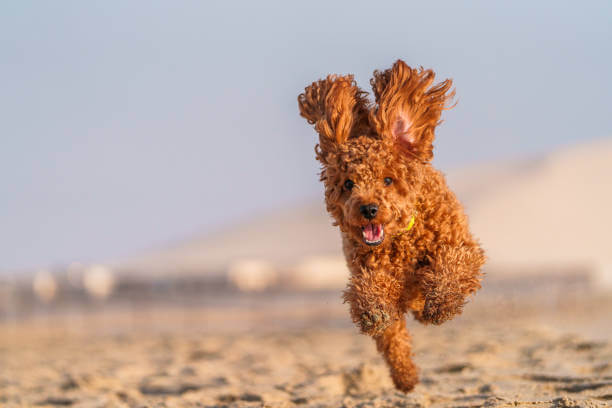
Effective grooming tools selection depends on matching the right tools to your dog’s coat type, length, and seasonal needs. Using the wrong tool can lead to discomfort, matting, or inefficient grooming.
Long Hair Considerations
- Frequent Brushing: Daily sessions prevent tangles and mats.
- Combs for Undercoat: Reach dense hair layers behind ears, underbelly, and tail.
- Dematting Tools: Loosen stubborn tangles safely.
Highlight Tips:
- Start grooming from the head and work toward the tail.
- Separate hair into sections for thorough brushing.
- Reward calm behavior to make sessions stress-free.
Short Hair Considerations
- Rubber Gloves or Bristle Brushes: Efficiently remove loose hair without over-stimulation.
- Light Combing: Occasionally check sensitive areas for tangles.
- Focus on Oil Distribution: Maintain shine rather than detangling.
Highlight Tips:
- Quick daily sessions reduce loose hair accumulation indoors.
- Use gloves as a bonding activity.
- Short-haired breeds often need less frequent grooming but still benefit from routine care.
Double-Coated Breeds
- Undercoat Rakes: Remove dense shedding layers efficiently.
- Dematting During Peak Seasons: Reduce discomfort and prevent hairballs.
- Combine Tools: Slicker brushes for surface debris, combs for deeper layers.
Highlight Tips:
- Rotate tools seasonally to optimize shedding management.
- Avoid brushing too harshly; double-coated dogs are prone to sensitive skin.
Tool Maintenance and Hygiene
Proper maintenance ensures your grooming tools remain safe and effective. Regular cleaning, blade care, and storage are key components of responsible grooming tools selection.
Brush and Comb Care
- Remove Hair After Each Session: Prevent buildup and maintain efficiency.
- Wash Brushes Periodically: Use mild soap to remove oils and dirt.
- Disinfect Tools: Reduce bacteria and prevent skin infections.
Highlight Tips:
- Clean tools outdoors or over a towel for easy hair collection.
- Regular maintenance extends tool life and keeps grooming stress-free.
- Inspect for damaged bristles or teeth that could harm your dog.
Clippers and Trimmer Care
- Oil Blades Regularly: Prevent overheating and maintain smooth cutting.
- Replace Dull Blades: Dull blades pull hair and irritate skin.
- Store Properly: Keep in protective cases to avoid damage.
Highlight Tips:
- Test clipper speed on a small patch of hair before full use.
- Keep extra blades on hand for thick-coated breeds.
- Always unplug and clean clippers after use to prolong life.
Creating a Seasonal Grooming Kit
Having a dedicated, organized grooming kit simplifies grooming tools selection and ensures you’re prepared for seasonal changes.
Essential Items for Every Season
- Brushes and Combs: Matched to your dog’s coat type.
- Clippers and Nail Trimmers: Maintain coat length and nail health.
- Specialty Items: Gloves, mat splitters, or curry brushes for comfort and precision.
Seasonal Additions
- Winter: Hydrating shampoos and conditioners to combat dry skin.
- Summer: Cooling sprays or allergen-reducing products for sensitive coats.
- Extra Supplies: Towels, grooming mats, and cleaning products for mess management.
Highlight Tips:
- Rotate tools seasonally to address shedding and coat density changes.
- Keep a checklist in your grooming kit to ensure nothing is missing.
- Reward your dog during grooming sessions to maintain positive behavior.
Additional Tips for Effective Grooming Tools Selection
- Observe your dog’s coat changes throughout the year to adjust tools and techniques.
- Pair grooming sessions with treats or play to create a positive experience.
- Track progress in a grooming journal to note effective tools and problem areas.
- Replace worn-out brushes, combs, or blades promptly to maintain grooming efficiency.
- Educate yourself on breed-specific grooming needs to ensure proper care.
Highlight Tips:
- Make grooming a calm, interactive activity rather than a chore.
- Use gloves and combs for multi-functional grooming and bonding.
- Adjust your kit based on seasonal shedding or coat thickening.
Daily Grooming Routine with Proper Tools
Creating a structured daily grooming routine is key for effective grooming tools selection. Consistency reduces shedding, prevents matting, and keeps your dog comfortable year-round.
Morning Routine
- Quick Brushing: Use a brush suited to coat type to remove overnight loose hair.
- Spot Check: Look for tangles, mats, or skin irritation.
- Grooming Gloves: Especially useful for sensitive or anxious dogs.
- Positive Reinforcement: Reward calm behavior with treats or affection.
Highlight Tips:
- Divide hair into sections for thorough coverage.
- Short, consistent sessions build a grooming habit.
- Pay attention to areas prone to matting like underbelly, tail, and behind ears.
Evening Routine
- Targeted Brushing: Focus on mat-prone or high-shedding areas.
- Nail Inspection: Trim or file nails if necessary.
- Post-Bath Brushing: Smooth coat with slicker or bristle brush.
- Check for Dirt or Debris: Especially after outdoor activity.
Troubleshooting and FAQ
Even with the right tools, challenges can arise. Addressing common questions ensures optimal grooming outcomes.
Q1: How do I choose the best brush for my dog?
- Match brush type to coat length and texture.
- Long-haired dogs benefit from slicker and pin brushes; short-haired dogs prefer bristle brushes or gloves.
Q2: How often should clippers and blades be replaced?
- Replace dull blades immediately to prevent pulling and skin irritation.
- Maintain a schedule for oiling and cleaning blades to extend tool life.
Q3: Can grooming gloves replace brushes for short-haired dogs?
- Gloves work well for gentle hair removal and bonding but may not fully replace a bristle brush for distributing oils.
Q4: How do I prevent matting between grooming sessions?
- Increase brushing frequency in high-shedding periods.
- Use dematting tools on stubborn areas and apply detangling sprays if needed.
Q5: When should I consult a professional groomer?
- If mats are severe, hair is excessively tangled, or skin issues appear, a professional can safely restore coat health.
Highlight Tips:
- Track your dog’s coat changes seasonally to adjust grooming tools.
- Keep a grooming log for mats, shedding, and coat condition.
- Reward calm behavior to make sessions stress-free.
Daily Grooming Checklist
Morning:
- Brush coat lightly according to coat type.
- Inspect skin and coat for tangles or mats.
- Use grooming gloves for sensitive dogs.
- Reward positive behavior.
Afternoon (Optional):
- Spot brush after outdoor activity.
- Wipe paws and underbelly to remove dirt or allergens.
Evening:
- Focused brushing on mat-prone areas.
- Check and trim nails if necessary.
- Post-bath brushing with conditioner if needed.
- Clean bedding or grooming space.
Highlight Tips:
- Keep sessions short and consistent.
- Use a grooming journal to track effectiveness of tools.
- Rotate tools seasonally to manage shedding and coat thickness.
Additional Tips for Effective Grooming Tools Selection
- Observe Seasonal Changes: Adjust tools for shedding and coat density.
- Combine Grooming with Bonding: Use gloves and brushes for positive reinforcement.
- Invest in Quality Tools: Well-made tools prevent skin irritation and last longer.
- Regular Maintenance: Clean, disinfect, and replace tools as needed.
- Educate Yourself: Learn breed-specific grooming requirements.
Highlight Tips:
- Groom outdoors during shedding-heavy months to reduce indoor hair.
- Introduce new tools gradually to avoid overwhelming your dog.
- Reward calm behavior consistently to make grooming stress-free.
Summary of Key Points for Grooming Tools Selection
- Identify your dog’s coat type to choose suitable brushes and combs.
- Include clippers, nail trimmers, and specialty tools in your grooming kit.
- Maintain tools regularly to ensure safety and efficiency.
- Pair tools with seasonal needs for optimal coat health.
- Implement a daily grooming routine for consistent results.
- Troubleshoot common issues with professional guidance when necessary.
- Rotate tools seasonally to manage shedding, matting, and coat condition.
- Keep grooming positive, calm, and rewarding to strengthen bonding.
By following these steps, dog owners can effectively select, maintain, and use the right grooming tools for their pet’s needs. Consistent attention, proper tool maintenance, and seasonal adjustments ensure a healthy, shiny coat while reducing grooming stress for both dog and owner.
Conclusion
Effective grooming tools selection is the foundation of maintaining a healthy, comfortable, and shiny coat for your dog. By understanding your dog’s coat type, you can choose brushes, combs, clippers, and other accessories that address their specific needs while minimizing stress during grooming.
Regular maintenance of tools, from cleaning brushes to oiling clippers and replacing dull blades, ensures safety and efficiency, prolonging the life of your equipment and protecting your dog’s skin and coat. Seasonal adjustments, such as switching to undercoat rakes during shedding or hydrating shampoos in winter, further enhance coat health and reduce matting or irritation.
A consistent grooming routine, combined with careful observation and positive reinforcement, not only improves your dog’s appearance but also supports their overall well-being. With the right tools, proper technique, and a structured approach, grooming becomes a rewarding experience, fostering a strong bond between you and your pet while keeping their coat in peak condition throughout the year.
