

Bathing your dog might seem like a simple task, but mistakes are common and can lead to stress, skin irritation, or even health issues. Understanding proper Bathing Safety helps make bath time a comfortable and enjoyable experience for your furry friend. This guide offers practical, step-by-step advice to avoid common mistakes, from selecting safe products to creating a calm bathing environment. By following these proven strategies, you’ll protect your dog’s skin, coat, and overall health while keeping bath time stress-free.
Understanding Your Dog’s Skin and Coat
Knowing your dog’s coat type and skin sensitivity is essential for safe bathing. Dogs vary widely in fur density, length, and skin conditions. Tailoring your approach ensures you protect their natural oils, avoid irritation, and maintain a healthy, shiny coat.
Coat Types and Their Needs
Short-haired dogs
Short-haired dogs typically require less frequent baths but benefit from regular brushing to remove loose fur and debris. Their skin is more exposed, so choose gentle, pH-balanced shampoos.
Long-haired dogs
Long-haired breeds need extra care to prevent tangles and mats. Bathing should be followed by careful combing and detangling to avoid painful knots.
Double-coated breeds
Dogs with double coats, like Huskies or Golden Retrievers, require thorough rinsing to prevent shampoo residue, which can cause itching. Focus on drying both layers completely to avoid moisture trapped under the top coat.
Skin Sensitivity Considerations
Allergies and dermatitis
Some dogs have sensitive skin or allergies that can be aggravated by harsh shampoos or chemicals. Always monitor for redness, itching, or rashes after a bath.
Signs of irritated skin
Look for bumps, flakes, or excessive scratching. If irritation appears, switch to a hypoallergenic or medicated shampoo and consult a veterinarian if necessary.
Choosing hypoallergenic products
Opt for dog-specific shampoos free of artificial fragrances, sulfates, and harsh chemicals. These are gentler on the skin and minimize the risk of reactions.
Seasonal and Age-Related Changes
Puppy skin considerations
Puppies have delicate, developing skin. Use tear-free, gentle shampoos, and keep baths short and positive. Avoid excessive scrubbing.
Senior dog coat adjustments
Older dogs may have thinning skin and less natural oil production. Use moisturizing shampoos and gentle handling to avoid bruising or discomfort.
Seasonal shedding and care
Dogs shed more during spring and fall. Adjust bathing frequency accordingly and combine with brushing to remove loose hair and reduce matting.
Explore more tips on dog hygiene at home to complement your bathing routine.
Choosing Safe Bathing Products
Using the wrong products can harm your dog’s skin and coat. Selecting safe, veterinarian-approved shampoos and tools is critical for Bathing Safety.
Shampoos and Conditioners
Medicated vs. gentle formulas
Medicated shampoos treat specific skin conditions like itching, infections, or parasites, while gentle shampoos maintain skin health without harsh chemicals. Choose based on your dog’s needs.
pH-balanced for dogs
Dogs have a different skin pH than humans. Using human shampoos can disrupt their natural balance, leading to dryness or irritation. Always select dog-formulated products.
Ingredients to avoid
Avoid parabens, sulfates, artificial fragrances, and alcohol. These can strip natural oils and irritate the skin.
Tools for Safe Bathing
Brushes and combs
A detangling brush or flea comb helps remove debris before and after bathing, preventing matting and making shampooing more effective.
Non-slip mats
Prevent slipping injuries with a rubber mat in the tub or sink. Safety ensures a calm bathing experience for both dog and owner.
Towels and blow dryers
Use soft, absorbent towels and low-heat, low-speed blow dryers to prevent burns or stress. Keep distance from skin and continuously move the dryer to avoid hotspots.
Avoiding Common Product Mistakes
Overusing shampoos
Excessive washing can strip natural oils, leading to dry, itchy skin. Stick to recommended frequencies for your dog’s coat type.
Mixing products incorrectly
Do not mix shampoos or conditioners unless specifically indicated by the label or a veterinarian. Conflicting ingredients can reduce effectiveness or irritate skin.
Using human shampoos on dogs
Human products are too harsh for canine skin. Avoid using them entirely to maintain natural oil balance and prevent irritation.
Preparing Your Dog for a Stress-Free Bath
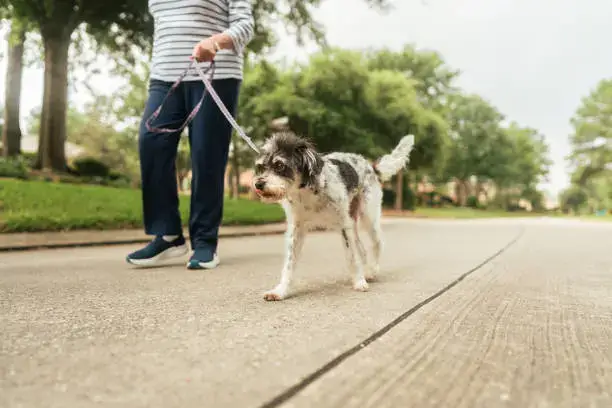
A calm, well-prepared dog ensures Bathing Safety and reduces stress, anxiety, and the risk of injury during bath time.
Creating a Safe Bathing Space
Non-slip surfaces
A non-slip mat prevents slips and injuries, giving your dog confidence while standing in the tub.
Controlled water temperature
Use lukewarm water, never hot or cold. Test with your hand before starting to avoid burns or discomfort.
Quiet and comfortable environment
Minimize loud noises and sudden movements. A quiet environment reduces anxiety and helps your dog remain relaxed.
Pre-Bath Grooming
Brushing to remove tangles
Brush out mats and tangles before bathing. Wetting mats can make them worse, leading to pain or difficulty detangling later.
Checking for mats or debris
Look for debris like burrs, dirt, or leaves stuck in the fur. Removing them beforehand prevents discomfort during the bath.
Inspecting skin for irritation
Check for rashes, bumps, or wounds. Addressing these issues before bathing avoids exacerbating problems with shampoo or water.
Calming Techniques
Treats and praise
Use treats to create a positive association with bath time. Praise and reward your dog throughout the process.
Slow introduction to water
Gradually introduce water, starting from the paws up, to prevent fear or panic. Avoid sudden splashes or deep immersion.
Using gentle handling
Support your dog’s body and handle gently. Avoid forceful scrubbing, which can cause skin irritation or stress.
Bathing Techniques for Maximum Safety
Proper bathing technique is key to Bathing Safety. Following step-by-step methods prevents skin irritation, ear infections, and stress, making bath time efficient and enjoyable for both dog and owner.
Wetting and Shampooing
Using lukewarm water
- Test water temperature with your hand before starting.
- Avoid hot water that can burn the skin or cold water that can shock your dog.
Applying shampoo evenly
- Work from neck to tail using gentle, circular motions.
- Focus on areas prone to dirt: paws, belly, underarms, and rear.
- Avoid over-scrubbing, which can irritate the skin.
Rinsing Thoroughly
Removing all residue
- Shampoo left on the coat can cause itching or dryness.
- Rinse until water runs clear.
Avoiding water in ears and eyes
- Tilt the head slightly to prevent water from entering ears.
- Use a damp washcloth around the face to gently clean sensitive areas.
Special Considerations for Sensitive Dogs
Nervous or anxious pets
- Speak calmly and reassure your dog throughout the process.
- Take breaks if needed, offering treats and praise.
Dogs with skin conditions
- Use medicated or hypoallergenic shampoos as directed by a veterinarian.
- Avoid strong fragrances and harsh chemicals.
Drying and Post-Bath Care
Proper drying is a critical step for Bathing Safety. Wet fur can trap bacteria, cause cold stress, and worsen skin conditions if not handled correctly.
Towel Drying Techniques
Patting vs. rubbing
- Gently pat the dog dry rather than rubbing aggressively.
- Rubbing can tangle long hair and irritate the skin.
Using absorbent towels
- Use thick, soft towels for maximum absorption.
- Consider using multiple towels for large or long-haired dogs.
Blow Drying Safely
Low heat and air settings
- Keep the dryer on low heat to avoid burns or stress.
- High heat can damage skin and hair follicles.
Keeping distance from skin
- Hold the dryer several inches away, moving continuously.
- Focus on drying under the belly and in folds of skin.
Post-Bath Grooming
Brushing while damp
- Gently brush hair to remove tangles and prevent mats.
- Focus on long-haired or thick-coated dogs to ensure proper drying.
Checking for knots or mats
- Use detangling sprays if necessary.
- Address mats immediately to prevent discomfort or skin irritation.
Avoiding Common Bathing Mistakes
Recognizing mistakes ensures Bathing Safety and prevents discomfort or injuries. Many dog owners unknowingly create risks during bath time.
Overbathing or Infrequent Bathing
Signs of over-washing
- Dry, flaky skin
- Excessive scratching or redness
- Loss of natural oils
Consequences of under-washing
- Build-up of dirt and oils
- Increased risk of skin infections and odors
- Greater likelihood of parasite attraction
Using Improper Products
Human shampoos
- Human shampoos have the wrong pH and can irritate dog skin.
- Avoid using any products not formulated for dogs.
Harsh chemicals
- Avoid sulfates, parabens, and artificial fragrances.
- Stick to vet-approved or hypoallergenic products.
Poor Water Temperature or Pressure
Risks of hot water
- Burns skin and damages hair follicles.
- Can increase anxiety during bath time.
Avoiding high-pressure spray
- High water pressure can startle your dog.
- Use gentle streams and focus on dirtier areas.
Preparing Your Dog Mentally and Emotionally
A calm dog ensures safe and successful bath time. Reducing anxiety lowers the chance of scratches, escapes, or accidents.
Calming Techniques
- Positive reinforcement: Give treats and praise throughout the bath.
- Slow introductions: Gradually wet paws and legs before moving to full body.
- Gentle handling: Avoid sudden movements or loud noises that may frighten the dog.
Creating a Positive Experience
- Short, frequent baths for anxious dogs.
- Reward-based learning to associate bath time with pleasant outcomes.
- Play soothing music or use calming pheromone sprays if necessary.
Professional Assistance
- If your dog remains extremely stressed, consider professional groomers.
- Professionals are trained in Bathing Safety techniques and can handle challenging dogs.
Seasonal Bathing Adjustments
Bathing Safety also means adjusting routines according to seasonal needs. Dogs may require more or less frequent baths depending on weather, shedding cycles, and outdoor activity.
Spring and Summer
- Dogs are more active outdoors and may get dirtier.
- Frequent baths help prevent parasite issues like fleas and ticks.
- Dry thoroughly to avoid moisture-related skin problems.
Fall and Winter
- Fewer baths may be needed due to less outdoor activity.
- Focus on removing dirt and maintaining coat health with gentle cleaning.
- Moisturizing shampoos can prevent dry skin in colder months.
Monitoring Coat Changes
- Watch for shedding cycles and adjust grooming frequency.
- Thicker coats may require longer drying times.
- Pay attention to skin condition during seasonal changes.
Special Considerations for Puppies and Senior Dogs
Puppies and senior dogs have delicate skin and unique needs that require careful attention during bathing. Adjusting routines ensures Bathing Safety and prevents stress, discomfort, or health issues.
Puppy Bathing Tips
Using gentle, tear-free shampoos
- Puppies have sensitive skin and eyes.
- Use a mild, tear-free shampoo to avoid irritation.
Short and positive sessions
- Keep baths brief to prevent stress.
- Combine with treats and praise to create a positive association.
Gradual water exposure
- Introduce water slowly, starting with paws and legs.
- Avoid full immersion until the puppy is comfortable.
Senior Dog Bathing Tips
Supporting joints and mobility
- Use non-slip mats and gentle handling to protect aging joints.
- Consider using a handheld shower for controlled water application.
Short, warm baths
- Older dogs may be more sensitive to cold.
- Keep baths short and ensure water temperature is comfortable.
Skin monitoring
- Senior dogs may have thinning skin; avoid harsh scrubbing.
- Check for rashes, redness, or lumps during grooming.
Health Monitoring
Checking for reactions to products
- Watch for irritation, redness, or behavioral changes after baths.
- Switch to hypoallergenic or medicated shampoos if needed.
Early detection of skin problems
- Routine baths provide opportunities to detect skin issues early.
- Consult a veterinarian if abnormalities persist.
Daily Hygiene Checklist and FAQs
Maintaining Bathing Safety requires consistent daily care. A simple checklist combined with answers to common questions ensures your dog stays healthy, clean, and comfortable.
Daily Bathing & Grooming Checklist
- Brush coat daily: Remove loose hair and prevent mats.
- Wipe paws and underbelly: Especially after walks or outdoor play.
- Inspect ears, nails, and skin: Look for irritation, redness, or infections.
- Apply treatments as scheduled: Include flea, tick, or skin treatments as directed.
- Observe behavior: Note excessive scratching, licking, or changes in coat condition.
- Dry thoroughly if wet: Prevents moisture-related skin problems.
Common Bathing FAQs
How often should I bathe my dog?
- Depends on coat type, activity level, and skin condition.
- Most dogs benefit from a bath every 4–6 weeks; puppies or dogs with skin issues may require more or less frequent baths.
Can I use human shampoo?
- No. Human shampoos are not pH-balanced for dogs and can cause dryness or irritation.
What if my dog hates water?
- Introduce water gradually and use treats to create positive associations.
- Short, calm sessions reduce stress.
- Consider professional groomers for highly anxious dogs.
How do I prevent ear infections during baths?
- Keep water out of the ear canal.
- Use a damp washcloth to clean around the ears.
- Check ears afterward for redness or discharge.
Can I bathe my puppy or senior dog the same way as adult dogs?
- Adjust water temperature, session length, and handling techniques.
- Puppies and seniors require gentler care to ensure Bathing Safety.
What should I do if my dog’s skin reacts after a bath?
- Rinse thoroughly to remove all residue.
- Switch to hypoallergenic or medicated shampoos.
- Consult a veterinarian if irritation persists.
How can I dry my dog effectively after a bath?
- Pat with absorbent towels before using a blow dryer.
- Keep dryer on low heat and hold it several inches from the skin.
- Brush the coat while damp to prevent tangles.
Are there seasonal considerations for bathing?
- Yes. Dogs shed and develop seasonal coat changes; adjust frequency accordingly.
- Cold weather may require moisturizing shampoos to prevent dry skin.
Summary
Bathing Safety is more than simply washing your dog. It involves understanding skin and coat types, choosing safe products, proper bathing techniques, careful drying, and daily hygiene maintenance. Puppies, senior dogs, and sensitive breeds require special attention, but consistent care makes bath time enjoyable and safe for all dogs.
By following these practical tips, avoiding common mistakes, and monitoring your dog’s skin and behavior, you’ll maintain a healthy, clean, and happy pet. Bathing becomes a positive routine rather than a stressful chore.
