

Dogs explore the world primarily through their senses, and sensory toys provide an excellent way to keep them mentally and physically engaged. Sensory toys stimulate touch, smell, sight, and hearing, offering both fun and learning opportunities.
Using sensory toys regularly can reduce boredom, prevent anxiety, and improve overall behavior. They also encourage cognitive development and mental exercise, which is important for puppies and older dogs alike.
You don’t need expensive or complicated equipment—simple, safe toys can make a big difference. By understanding different types of sensory toys and integrating them into daily routines, dog owners can create enriching, interactive play sessions that support well-being, focus, and happiness.
Why Sensory Toys Are Essential for Your Dog
Sensory toys are not just fun for dogs—they play a key role in mental and physical health. By engaging your dog’s senses, these toys stimulate canine cognition, provide mental exercise, and help reduce stress. Using sensory toys daily can improve behavior, focus, and overall well-being.
Enhancing Canine Cognition
Sensory toys help dogs think and problem-solve. When a toy challenges your dog to find a treat, navigate textures, or respond to sounds, it activates their brain and encourages learning.
- Puzzle toys boost memory and attention span.
- Scent-based games engage their sense of smell and reasoning.
- Interactive play develops decision-making skills.
Reducing Anxiety and Boredom
Dogs left alone or under-stimulated can develop anxiety, destructive behavior, or excessive barking. Sensory toys help prevent these issues by keeping them mentally engaged.
- Chew toys relieve stress and promote calm behavior.
- Treat-dispensing toys provide a positive outlet for energy.
- Scent and sound stimulation reduce boredom, especially in high-energy breeds.
Supporting Physical and Mental Exercise
Sensory play combines mental stimulation with light physical activity. Even a short play session can improve coordination and overall health.
- Rolling or tossing toys encourages movement.
- Textured toys promote chewing and tactile exploration.
- Regular sensory play supports healthy routines and prevents behavioral issues.
Types of Sensory Toys and How They Work

Sensory toys come in many forms, each designed to stimulate a specific sense. By providing tactile, olfactory, auditory, and visual experiences, these toys keep dogs engaged, improve mental exercise, and encourage problem-solving. Understanding the different types helps you choose the right toys for your dog’s needs.
Tactile and Textured Toys
Tactile toys focus on touch and chewing. Dogs explore these toys using their mouths and paws, which supports healthy chewing behavior and hand-eye coordination.
- Textured surfaces: Toys with bumps, ridges, or soft nodules provide a variety of sensations.
- Chew-resistant materials: Durable rubber, rope, or nylon toys prevent damage while offering safe chewing.
- Interactive textures: Some toys combine multiple textures to keep dogs curious and engaged.
Tactile toys are ideal for puppies learning bite control and older dogs that enjoy gentle chewing. Regular use promotes mental exercise and supports canine cognition.
Scent-Based and Nose Work Toys
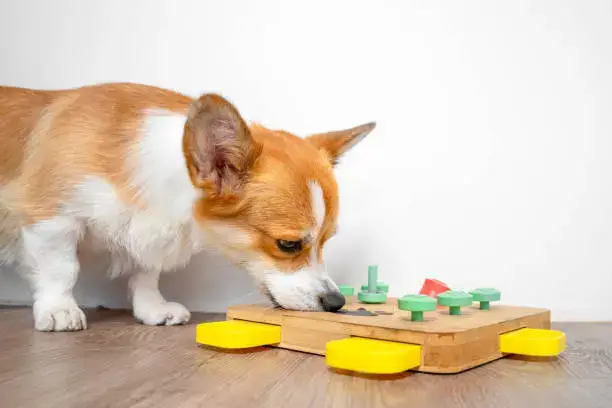
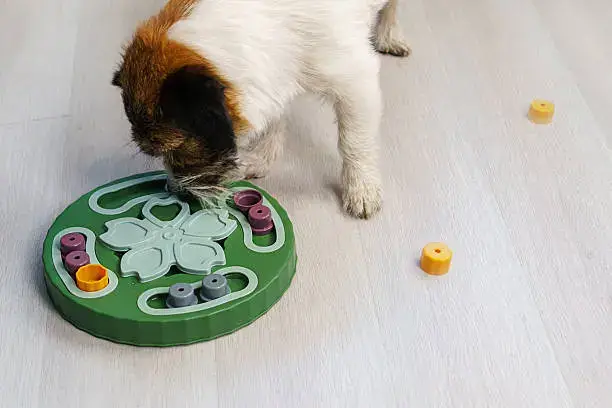
Dogs rely heavily on their sense of smell. Scent-based toys, or “nose work” toys, challenge dogs to locate hidden treats or follow scents. These toys provide cognitive stimulation and satisfy natural sniffing instincts.
- Treat-dispensing puzzles: Hide snacks inside compartments for your dog to find.
- Scent detection games: Encourage your dog to follow specific smells in a safe environment.
- Rotation of scents: Changing treats or scents keeps dogs interested and engaged.
Nose work toys are especially effective for reducing boredom, improving attention span, and supporting reward-based games. Even short daily sessions can enhance sensory engagement and mental alertness.
Auditory and Interactive Toys
Some sensory toys stimulate hearing and interaction. Sounds, jingles, and responsive features engage dogs in a different way, combining mental and physical activity.
- Noise-making toys: Toys with squeakers or crinkles grab attention and trigger natural instincts.
- Interactive motion toys: Move unpredictably to encourage chasing and problem-solving.
- Combination toys: Toys that mix sound, texture, and movement increase engagement and reduce boredom.
Auditory toys are useful for dogs that need additional stimulation beyond touch and smell. They support interactive playtime, improve canine cognition, and help manage stress relief for dogs through structured play sessions.
Summary Tips for Using Sensory Toys:
- Rotate toys to maintain interest and prevent overstimulation.
- Match toy type to your dog’s preferences and energy level.
- Supervise new toys to ensure safety, especially for puppies or strong chewers.
- Combine tactile, scent, and auditory toys for balanced enrichment routines.
By understanding the types of sensory toys and how they work, you can provide safe, stimulating, and enjoyable experiences for your dog. Regular use supports mental and physical well-being while keeping your dog engaged and happy.
3: DIY Sensory Toys for At-Home Enrichment
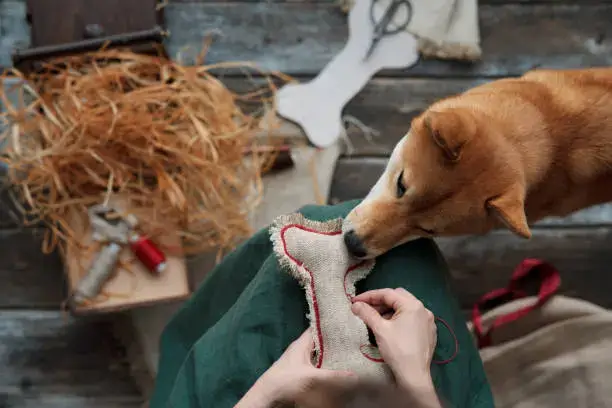
You don’t need expensive store-bought toys to stimulate your dog’s senses. DIY sensory toys use household items to provide tactile, olfactory, and interactive experiences. These activities are safe, fun, and customizable for your dog’s energy and skill level.
Simple Household Items for Mental Stimulation
Many common objects can become sensory toys:
- Towels or old t-shirts: Tie in knots or hide treats inside.
- Empty boxes or paper cups: Stack or hide small snacks for problem-solving.
- Plastic bottles: Safe for rolling and crunching sounds.
Using these items helps improve canine cognition and encourages mental exercise without added cost.
Treat-Dispensing Toys DIY
Creating DIY treat-dispensing toys gives dogs a challenge and reward:
- Muffin tins with tennis balls: Hide treats under balls for them to find.
- Towel roll-ups: Place small treats and roll, twist, or fold for discovery.
- Plastic bottles with holes: Fill with kibble so treats fall out when rolled.
These games develop reward-based skills and promote attention span, keeping dogs mentally active.
Rotating DIY Toys for Variety
Variety prevents boredom:
- Switch toys weekly to keep novelty.
- Combine tactile, scent, and sound-based DIY toys.
- Adjust difficulty for puppies or older dogs to maintain engagement.
Rotating toys supports enrichment routines, encourages interactive playtime, and reduces stress in anxious dogs.
4: Choosing Safe and Durable Sensory Toys
Not all toys are safe for every dog. Choosing durable, non-toxic sensory toys ensures your dog can explore without risk. Safety also enhances the effectiveness of mental and sensory stimulation.
Non-Toxic Materials and Chew Resistance
- Select toys made of BPA-free rubber, nylon, or rope.
- Avoid small parts that can be swallowed.
- Durable toys last longer and reduce risk of chewing behavior problems.
Size and Breed Considerations
- Match toy size to breed and age.
- Puppies may need softer textures, while large breeds need tougher toys.
- Correct sizing prevents choking hazards and encourages safe play.
Rotating Toys to Prevent Wear and Tear
- Introduce a toy rotation system to maintain novelty.
- Remove worn or damaged toys to prevent injury.
- Combining different toy types keeps dogs engaged mentally and physically.
5: Integrating Sensory Toys into Daily Routines
Consistency is key. Using sensory toys as part of daily routines keeps dogs engaged, reduces destructive behavior, and promotes healthy mental stimulation.
Morning and Evening Play Sessions
- Structured 10–15 minute sessions can be highly effective.
- Morning play can boost energy and focus.
- Evening play can relax dogs before bedtime.
Reward-Based Game Scheduling
- Incorporate treats into puzzle and scent toys.
- Gradually increase difficulty to challenge cognition.
- Positive reinforcement strengthens learning and engagement.
Monitoring Attention Span and Engagement
- Observe which toys your dog prefers.
- Adjust toy type or challenge level as needed.
- Short, frequent sessions often work better than long sessions.
6: Common Mistakes When Using Sensory Toys
Even the best toys can backfire if used incorrectly. Avoid common mistakes to ensure sensory toys provide maximum benefit for your dog’s mental and physical health.
Overstimulation and Stress
- Too many toys at once can overwhelm dogs.
- Limit sessions to 10–20 minutes for most breeds.
- Watch for signs of anxiety, like whining or avoidance.
Unsafe or Small Toys
- Avoid small or brittle toys that can be swallowed.
- Inspect toys regularly for damage.
- Puppies and strong chewers may require specialized materials.
Ignoring Dog’s Preferences
- Observe which toys engage your dog most.
- Rotate types to maintain interest.
- Personalized play encourages interactive playtime and long-term engagement.
7: Frequently Asked Questions (FAQs)
Here are answers to common questions about sensory toys, including safety, frequency, and best practices.
How often should I rotate sensory toys?
- Rotate weekly or biweekly to maintain interest.
Are DIY sensory toys safe for all breeds?
- Only if toys are non-toxic, appropriately sized, and supervised.
Can sensory toys help reduce separation anxiety?
- Yes, especially scent-based or treat-dispensing toys.
What materials are best for teething puppies?
- Soft rubber, rope, or nylon toys are ideal.
How do I know if my dog is enjoying the toy?
- Look for engagement, sniffing, chewing, or pawing.
Can older dogs benefit from sensory toys?
- Absolutely; they support mental exercise and slow cognitive decline.
Are treat-dispensing toys suitable for all dogs?
- Yes, but always supervise to prevent overeating.
How to introduce multiple sensory toys at once?
- Start with one type, then gradually add more as your dog learns each toy.
8: Conclusion and Resources
Sensory toys are a practical and safe way to stimulate your dog’s senses, reduce boredom, and promote mental exercise. Regular use can improve behavior, focus, and overall well-being.
- Rotate different types of toys: tactile, scent, auditory.
- Integrate short daily sessions into morning or evening routines.
- Supervise DIY or new toys to ensure safety.
Further Reading:
- PetCareCompass: Toys and Enrichment Tools at Home for Dogs
- American Kennel Club: Dog Enrichment Activities
