

Establishing a rotating toys schedule is an easy and effective way to keep dogs mentally stimulated and engaged at home. Many dogs quickly lose interest when the same toys are always available, which can lead to boredom or reduced independent play. By planning a rotation system where toys are temporarily removed and later reintroduced, owners create a predictable yet novel routine that maximizes curiosity and engagement.
This method does not require expensive toys or professional tools. A simple rotation using the toys you already have can support cognitive challenge, improve play motivation, and encourage independent play skills. Understanding how to structure a rotating toys schedule helps ensure that every play session is rewarding and mentally stimulating for your dog.
What a Rotating Toys Schedule Actually Means

A rotating toys schedule is a simple yet powerful way to keep dogs engaged with their toys. Instead of leaving all toys out at once, this schedule introduces small sets of toys on a planned rotation. The approach maintains novelty, encourages independent play, and reduces boredom. Understanding what a rotating toys schedule involves helps dog owners create consistent enrichment routines at home, even without professional tools.
The Concept of Rotation
A rotating toys schedule works by limiting access to certain toys for set periods. Once removed and later reintroduced, toys feel “new” to the dog. This process uses several key principles:
- Novelty effect: Dogs are naturally curious and value items that reappear after a break.
- Engagement cycle: Short intervals of play keep dogs mentally stimulated without overwhelming them.
- Mental workload: Managing stimulation prevents boredom and promotes focus during play.
This concept also ties to object preference and behavioral cues, letting owners observe which toys a dog enjoys most.
Why Dogs Benefit From a Rotating Toys Schedule
Implementing a rotating toys schedule offers multiple benefits:
- Prevents toy boredom in dogs by making each toy interaction feel fresh.
- Supports independent play skills, especially for puppies or high-energy dogs.
- Enhances mental stimulation using structured intervals and predictable rotations.
Dogs often explore toys more actively when they understand items may temporarily disappear. A structured rotation provides cognitive challenge while avoiding overstimulation.
What Rotation Is Not
It’s important to clarify that a rotating toys schedule is not a training method or a medical protocol. Key points:
- Rotation does not restrict fun—it enhances engagement.
- It does not replace exercise or outdoor play.
- It does not require special tools or expensive toys.
Instead, this method supports natural curiosity, using environmental setup and stimulus control to keep playtime interesting. Applied consistently, a rotating toys schedule encourages dogs to explore toys thoughtfully and develop positive play habits.
Mini-summary:
A rotating toys schedule keeps dogs mentally stimulated by cycling toys in a predictable, engaging way. It leverages novelty, structured play, and behavioral cues to prevent boredom, promote independent play, and support overall enrichment.
Why a Rotating Toys Schedule Prevents Toy Fatigue
Dogs often lose interest in toys when all items are available all the time. A rotating toys schedule keeps toys engaging by periodically removing and reintroducing them. This approach maintains mental stimulation, reduces boredom, and encourages the dog to explore toys with renewed interest. Understanding why rotation prevents fatigue helps owners plan schedules that keep indoor dogs active and mentally challenged.
The Role of Novelty and Engagement
A rotating toys schedule relies heavily on the novelty effect. Dogs are naturally drawn to items that feel new, and rotation takes advantage of this instinct.
- Rotated toys regain appeal after being stored.
- Dogs engage more deeply with each toy during rotation intervals.
- Structured playtime ensures mental stimulation without overwhelming the dog.
By introducing small changes to the environment, owners can maximize attention and play motivation during each session.
Mental Stimulation and Behavior
Toy fatigue often results from insufficient cognitive challenge. A rotating toys schedule provides a controlled cognitive challenge, improving engagement:
- Dogs learn to anticipate rotations, boosting play motivation.
- Rotation supports independent play skills, reducing reliance on owner interaction.
- Mental stimulation reduces destructive behaviors caused by boredom.
Regular rotation keeps the dog’s mind active, making toys feel exciting and rewarding rather than repetitive.
Preventing Overexposure to Toys
Excessive access to all toys at once diminishes their value. A rotating toys schedule prevents this overexposure:
- Store some toys while others are in use.
- Reintroduce items after 2–5 days depending on your dog’s interest.
- Observe which toys your dog ignores and rotate them less frequently.
By carefully managing toy availability, owners maintain engagement cycles and extend the lifespan of each toy’s appeal.
Mini-summary:
A rotating toys schedule prevents toy fatigue by leveraging novelty, structured play, and mental stimulation. Proper rotation keeps dogs interested, encourages independent play, and reduces the risk of boredom-related behaviors.
How to Build a Rotating Toys Schedule With Limited Supplies
Even with just a few toys, a rotating toys schedule can keep dogs mentally stimulated and engaged. The key is planning which toys are in use, when they are rotated, and how they are stored. Building a rotation system does not require special tools or expensive items—strategic organization and a predictable routine are enough. This section guides owners in creating a simple, effective rotation schedule using the toys they already have.
Choosing the Toy Categories
To implement a rotating toys schedule, start by organizing your toys into categories:
- Chew toys: for dental health and focused chewing
- Puzzle toys: to provide a cognitive challenge
- Fetch or tug toys: for active play sessions
- Comfort items: soft toys for rest and independent play
Even a small collection can be rotated effectively by mixing categories in each session to maintain novelty and engagement.
Setting Predictable Intervals
A successful rotating toys schedule depends on consistency:
- Rotate toys every 2–5 days, depending on the dog’s interest
- Keep a rotation box or storage bin for unused toys
- Introduce a different set of toys each session
Predictable rotations help dogs anticipate playtime while keeping toys mentally stimulating. Overly frequent rotation may reduce the novelty effect, while infrequent rotation can lead to boredom.
Storing and Reintroducing Items
Proper storage ensures toys maintain their novelty and are ready for rotation:
- Keep toys clean and accessible in labeled bins or baskets
- Reintroduce stored toys when the current set loses interest
- Observe behavioral cues to decide which toys to rotate sooner
By monitoring which toys your dog enjoys and storing them strategically, the rotating toys schedule maximizes mental stimulation and prevents fatigue.
Mini-summary:
Even with limited toys, a rotating toys schedule can provide consistent mental stimulation. Organize toys into categories, set predictable rotation intervals, and store items properly to maintain novelty, encourage independent play, and reduce boredom.
Practical Daily and Weekly Rotating Toys Schedule Examples
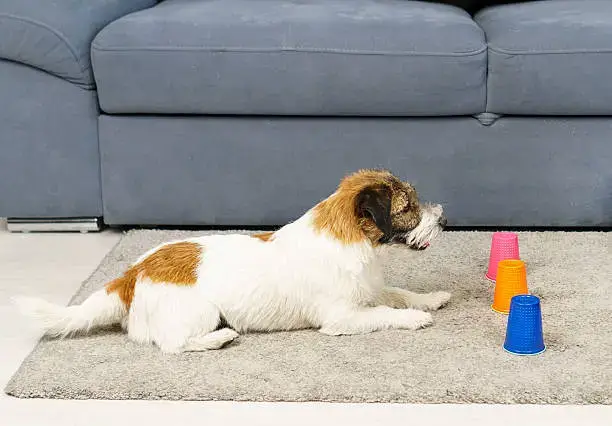
A rotating toys schedule works best when applied consistently in daily and weekly routines. By structuring playtime, owners can keep dogs engaged and mentally stimulated without introducing too many toys at once. Examples below illustrate practical schedules for puppies, adult dogs, and high-energy breeds, using simple rotation techniques that can be applied in any home.
For Puppies
Puppies benefit from short, frequent play sessions with different toys. A rotating toys schedule might include:
- Morning: soft chew toy for teething
- Midday: small puzzle toy for mental stimulation
- Evening: tug or fetch toy for active play
Rotation intervals should be short (1–2 days) to maintain novelty. Observe the puppy’s behavioral cues—which toys attract attention and which are ignored.
For Adult Indoor Dogs
Adult dogs often need more structured sessions to prevent boredom. A rotating toys schedule could look like:
- Day 1–3: chew toys and puzzle toys
- Day 4–5: fetch toys and soft comfort items
- Day 6–7: mix of all categories, reintroducing toys from earlier in the week
Maintaining predictable intervals encourages dogs to anticipate playtime, enhancing engagement and preventing toy fatigue.
For High-Energy Breeds
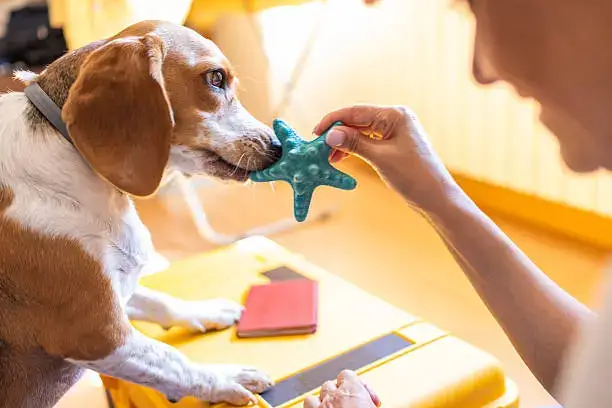
High-energy dogs need more frequent rotation and varied challenges. A rotating toys schedule for these dogs may include:
- Multiple short play sessions per day with different toys
- Rotating puzzle toys every 2–3 days
- Frequent reintroduction of fetch or tug toys to maintain interest
High-energy dogs benefit from a schedule that combines mental and physical challenges. Proper rotation supports independent play skills while reducing destructive behaviors caused by boredom.
Mini-summary:
A rotating toys schedule can be tailored to any dog’s age or energy level. By setting daily and weekly rotation patterns, owners maintain novelty, encourage independent play, and reduce toy fatigue, even with a limited toy collection.
Matching a Rotating Toys Schedule to Your Dog’s Behavior
Every dog reacts differently to toys, so a rotating toys schedule should be flexible and tailored to individual behavior. Observing play style, attention span, and interest levels helps owners adjust rotation intervals, toy types, and session length. Matching the schedule to your dog’s behavior ensures that mental stimulation is effective without causing frustration or boredom.
Reading Curiosity and Disengagement
Understanding when a dog is engaged or losing interest is crucial for a rotating toys schedule:
- Watch for signs of disengagement, such as leaving toys or sniffing around without interest
- Note which toys consistently attract attention
- Rotate or reintroduce items based on these observations
Adapting rotation based on curiosity ensures toys remain mentally stimulating and rewarding.
Adjusting Playtime Duration
Playtime duration impacts effectiveness of a rotating toys schedule:
- Short sessions (5–15 minutes) work well for puppies or distracted dogs
- Longer sessions (15–30 minutes) can challenge adult or high-energy breeds
- Observe mental workload: stop play before dogs appear fatigued or overstimulated
Adjusting duration allows dogs to enjoy each toy fully without losing interest or becoming frustrated.
Tracking What Actually Works
Monitoring and adjusting the rotating toys schedule is key to long-term success:
- Keep notes on which toys are favorites and how often each is played with
- Rotate less popular items less frequently or replace them
- Use observations to tweak intervals and toy combinations
By tracking and adjusting, owners can maintain novelty and maximize mental stimulation without increasing the number of toys.
Mini-summary:
A rotating toys schedule is most effective when matched to your dog’s behavior. Observing curiosity, adjusting session lengths, and tracking toy preferences ensures consistent engagement, independent play, and reduced boredom.
Common Mistakes When Using a Rotating Toys Schedule
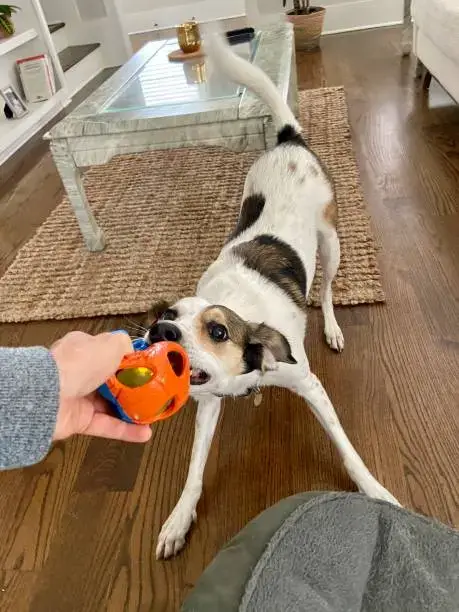
Even well-intentioned owners can make errors when implementing a rotating toys schedule. These mistakes can reduce engagement, cause boredom, or make rotation feel confusing for the dog. Recognizing and avoiding common pitfalls ensures that toy rotation remains effective and enjoyable.
Over-Rotation and Sensory Overload
Rotating toys too frequently or in excessive quantities can overwhelm dogs:
- Changing toys every few hours instead of every few days
- Introducing too many new toys at once
- Ignoring the dog’s behavioral cues about interest or fatigue
A rotating toys schedule works best with predictable intervals that balance novelty with familiarity.
Lack of Predictability
Dogs thrive on routine, and unpredictable toy rotations can reduce motivation:
- Rotating toys without a consistent schedule
- Reintroducing items randomly without observing preference
- Mixing too many types of toys without structure
Maintaining a predictable pattern ensures the dog anticipates playtime and engages fully.
Ignoring the Dog’s Play Motivation
Some owners rotate toys without considering the dog’s interest or energy:
- Using toys the dog ignores repeatedly
- Keeping rotation intervals too short or too long
- Failing to adjust playtime based on mental stimulation
A rotating toys schedule should be flexible, tailored to the dog’s energy level and preferences for maximum engagement.
Mini-summary:
Common mistakes in a rotating toys schedule include over-rotation, lack of predictability, and ignoring play motivation. Avoiding these pitfalls ensures toys remain mentally stimulating, enjoyable, and effective in preventing boredom.
Frequently Asked Questions (FAQ)
Q1: How often should I rotate dog toys?
A: A rotating toys schedule usually works best every 2–5 days. Adjust based on your dog’s interest and energy level. Frequent rotation maintains novelty while preventing toy fatigue and encouraging independent play.
Q2: Why is toy rotation important for dogs?
A: Toy rotation prevents boredom by reintroducing items that feel new. It enhances mental stimulation, supports independent play skills, and reduces destructive behavior in indoor environments.
Q3: How many toys should a dog have for rotation?
A: Even a small collection can work. Group toys into categories like chew, puzzle, fetch, or comfort, and rotate them. Quality and variety matter more than quantity.
Q4: Can a puppy follow a rotating toys schedule?
A: Yes. Short sessions with rotated toys help puppies develop curiosity, cognitive skills, and independent play habits. Rotate items every 1–2 days for maximum novelty.
Q5: What if my dog ignores certain toys?
A: Observe behavioral cues. If toys are consistently ignored, rotate them less frequently or replace them. Tailoring the schedule to preferences keeps engagement high.
Q6: Can rotation reduce destructive behavior?
A: Yes. A well-planned rotating toys schedule provides mental stimulation, reducing boredom-driven behaviors like chewing furniture or digging indoors.
Q7: Should outdoor toys be included in rotation?
A: Outdoor toys can be rotated if used indoors occasionally. However, prioritize safe indoor toys for independent play, ensuring variety and novelty are maintained.
Q8: How do I store toys for rotation?
A: Use bins or baskets to store unused toys cleanly and accessibly. Rotate items regularly and monitor which toys attract the most engagement for future sessions.
Q9: Can high-energy breeds benefit from rotation?
A: Absolutely. Frequent, varied rotations challenge both mental and physical energy. Puzzle, chew, and active play toys help sustain engagement and reduce hyperactivity.
Q10: Can rotation be combined with training?
A: Yes, but keep play separate from formal training sessions. Rotation focuses on mental enrichment, novelty, and independent play, while training develops obedience and structured skills.
Mini-summary:
A rotating toys schedule answers common questions about frequency, toy types, storage, and behavioral impact. Tailoring rotation to your dog’s energy, preferences, and environment ensures engagement, novelty, and mental stimulation.
Conclusion
A well-planned rotating toys schedule is one of the most effective ways to keep dogs mentally stimulated, prevent boredom, and encourage independent play. By observing your dog’s behavior, rotating toys consistently, and using a mix of chew, puzzle, and comfort items, owners can create an engaging home environment without needing expensive or specialized equipment.
For more tips on dog enrichment and structured play, visit PetCareCompass: Toys and Enrichment Tools at Home for Dogs. You can also explore expert guidance on dog behavior and mental stimulation at the American Kennel Club or learn about canine enrichment techniques from ASPCA’s Dog Care Resources.
Implementing a rotating toys schedule consistently ensures your dog stays curious, happy, and mentally active, making every play session rewarding for both the pet and the owner.
