

Learning new tricks is an essential way to keep your dog mentally sharp, strengthen your bond, and create a fun, stress-free training routine. Teaching your dog new skills doesn’t have to be complicated or overwhelming. By using practical methods, step-by-step guidance, and consistent reinforcement, you can make the process enjoyable for both you and your dog. Whether you’re just starting out or have some experience, this guide provides proven strategies to enhance your dog’s cognitive abilities while ensuring training sessions are engaging, safe, and rewarding. With these techniques, your dog will gain confidence, mental agility, and a happy, stimulated mind.
Understanding Your Dog’s Learning Style
Every dog learns differently, and identifying your dog’s preferred learning style is a key step to successfully teaching new tricks. Some dogs respond best to visual cues, others to verbal commands, and some are most motivated by treats or play. Understanding your dog’s natural tendencies allows you to tailor training methods, making learning new tricks faster and more enjoyable.
Observing Behavioral Cues
Signs Your Dog Prefers Visual vs. Verbal Cues
Some dogs naturally respond to hand signals or gestures, while others react more consistently to verbal commands. Pay attention to how your dog reacts during training:
- Visual learners: Watch your hands and body movements closely before responding.
- Auditory learners: Look for immediate reactions to words or tone changes.
How Body Language Reveals Learning Style
A dog’s body language often signals readiness, stress, or engagement. Notice:
- Tail wagging or relaxed posture = comfortable and attentive.
- Stiff posture or yawning = potential stress, signaling the need to adjust the training pace.
Motivation Drivers
Using Treats Effectively
Treats can dramatically increase your dog’s focus and motivation. Tips include:
- Use small, soft treats to maintain attention.
- Reward immediately after correct behavior to reinforce learning.
Play-Based Rewards
Some dogs are more motivated by play than food. Consider:
- Quick games of tug-of-war or fetch as rewards.
- Rotating toys to keep motivation high.
Adjusting Training Pace
Recognizing Attention Span
Dogs have different attention spans based on age, breed, and personality. To maximize learning:
- Keep sessions 5–10 minutes for puppies or easily distracted dogs.
- Older dogs may handle slightly longer sessions, but always watch for fatigue.
Avoiding Overstimulation
Too much stimulation can hinder learning new tricks. Strategies include:
- Train in quiet spaces with minimal distractions.
- Introduce new tricks gradually, rather than multiple at once.
Setting Up a Stress-Free Training Environment
Creating the right environment is essential for learning new tricks efficiently. A calm, distraction-free space allows your dog to focus and reduces frustration for both of you. Small adjustments in lighting, noise, and space can significantly improve your dog’s ability to concentrate and enjoy training.
Choosing the Right Space
Indoor vs Outdoor Considerations
- Indoor: Controlled environment, fewer distractions, great for initial learning.
- Outdoor: Ideal for practicing focus amid distractions once basics are mastered.
Minimizing Distractions
- Remove toys, food, or other pets temporarily.
- Use doors or gates to create a dedicated training area.
Timing Your Training Sessions
Best Times of Day for Learning
- Morning: Dogs are often more alert and attentive.
- Late afternoon: Good for reinforcement or review sessions.
Keeping Sessions Short and Focused
- Aim for 5–15 minutes per session.
- End on a positive note to encourage eagerness for next session.
Using Tools and Props
Clickers, Target Sticks, and Simple Props
- Clickers mark exact moments of correct behavior.
- Target sticks help with precision in tricks like spinning or jumping.
Benefits of Interactive Toys
- Encourage problem-solving and mental engagement.
- Rotate toys to prevent boredom and maintain motivation.
Step-by-Step Methods for Teaching Basic Tricks
Starting with simple tricks builds confidence and sets the stage for more complex learning. Step-by-step methods ensure your dog understands each component, making learning new tricks enjoyable and achievable.
Sit and Stay
Using Hand Signals and Treats
- Hold a treat above your dog’s nose and move it backward.
- As the dog naturally sits, mark with a click or verbal praise, then give the treat.
Gradually Increasing Duration
- Start with 2–3 seconds, slowly increasing as your dog succeeds.
- Consistency is key—practice multiple times daily in short bursts.
Paw/Shake Hands
Lure Method for Beginners
- Hold a treat in your hand, let the dog sniff it.
- Lift the dog’s paw gently or wait for natural paw lifting.
- Reward immediately to reinforce the action.
Reinforcing Consistency
- Use the same verbal cue each time (“Shake” or “Paw”).
- Keep practice sessions fun and stress-free.
Spin and Roll Over
Breaking Tricks into Steps
- For spins, lure the dog with a treat in a circular motion.
- For roll over, start with “down” command, then guide the dog gently over.
Encouraging Enthusiasm
- Use upbeat voice and praise for every attempt.
- Keep training sessions short to prevent fatigue.
For additional techniques to enhance your dog’s mental engagement, check out Mental Stimulation for Dogs at Home.
Tips to Maximize Learning New Tricks
- Reward immediately: Timing is critical for reinforcing behavior.
- Use clear, consistent cues: Avoid switching words or hand signals.
- Train daily: Short, frequent sessions are more effective than occasional long ones.
- Rotate tricks: Prevent boredom by alternating simple and slightly challenging tricks.
- Observe progress: Keep notes on what works best for your dog.
Advanced Tricks to Boost Cognitive Skills
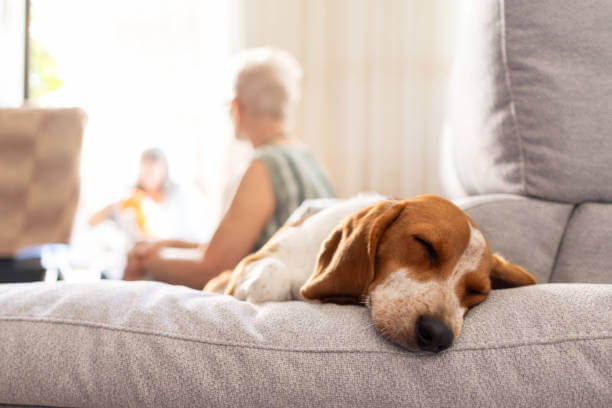
Once your dog masters basic commands, introducing advanced tricks can provide a mental challenge that enhances problem-solving, memory, and overall cognitive function. Learning new tricks at a higher difficulty keeps your dog engaged, reduces boredom, and strengthens the bond between you and your furry friend. Advanced tricks also improve your dog’s confidence, making training a fun, rewarding experience for both of you.
Object Discrimination
Teaching Dogs to Differentiate Items
- Start with two distinct objects, such as a ball and a toy block.
- Place them in front of your dog and reward your dog for selecting the correct object.
- Gradually increase the number of objects as your dog becomes more accurate.
Using Scent Cues and Colors
- Dogs often respond well to scent. Rub a treat or safe essential scent on the object you want your dog to choose.
- Color recognition can also be trained using toys of distinct colors, rewarding correct choices.
Hide and Seek Games
Step-by-Step for Beginners
- Start by hiding in an easy-to-find spot and call your dog’s name.
- Reward your dog immediately when they find you.
- Increase difficulty gradually by hiding in more challenging locations.
Benefits for Memory and Focus
- Encourages your dog to recall scents, sights, and your cues.
- Improves attention span, problem-solving, and spatial awareness.
Using Positive Reinforcement Effectively
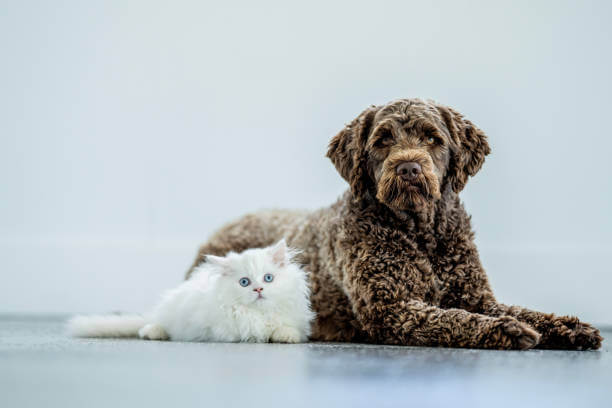
Positive reinforcement is the cornerstone of successful learning new tricks. Rewards, praise, and encouragement motivate your dog to repeat desired behaviors consistently. The timing, type, and consistency of reinforcement play a crucial role in training success.
Treat-Based Rewards
Choosing the Right Treats
- Use small, high-value treats that your dog loves but won’t overfeed on.
- Rotate treats occasionally to keep your dog motivated and curious.
Avoiding Overfeeding
- Break treats into small pieces to maintain portion control.
- Use a mix of treats and praise to reinforce learning without adding extra calories.
Verbal and Physical Praise
Tone of Voice Matters
- Use a cheerful, upbeat tone to encourage your dog.
- Avoid scolding; focus on positive reinforcement to maintain motivation.
Using Petting as Reinforcement
- Many dogs respond strongly to physical affection.
- Combine petting with verbal praise to strengthen the reward’s impact.
Tracking Progress and Adjusting Training
Monitoring your dog’s progress ensures that learning new tricks remains effective, enjoyable, and stress-free. Adjusting your training methods based on results prevents frustration and helps your dog develop new skills faster.
Keeping a Training Journal
Recording Successes and Challenges
- Note which tricks your dog learns quickly and which require more repetition.
- Include details such as time of day, treats used, and your dog’s engagement level.
Identifying Patterns
- Track when your dog is most attentive and responsive.
- Adjust future sessions to align with your dog’s peak learning times.
Adjusting Difficulty Levels
Gradually Introducing Complexity
- Once a trick is mastered, add variations or increase duration/distance.
- Introduce one new challenge at a time to avoid overwhelming your dog.
Signs Your Dog Is Ready for the Next Step
- Eager participation and minimal errors indicate readiness.
- Consistent understanding of the previous step shows cognitive retention.
For more information on cognitive development and mental stimulation in dogs, check out this resource from the American Kennel Club (AKC).
Quick Tips to Enhance Advanced Training
- Rotate challenges: Avoid monotony by alternating trick types.
- Use multi-step tricks: Combine two simple commands into one sequence.
- Stay patient: Advanced tricks take longer; celebrate small victories.
- Observe fatigue signs: End sessions before frustration sets in.
- Maintain positive reinforcement: Praise and reward consistently to sustain motivation.
Troubleshooting Common Learning Challenges
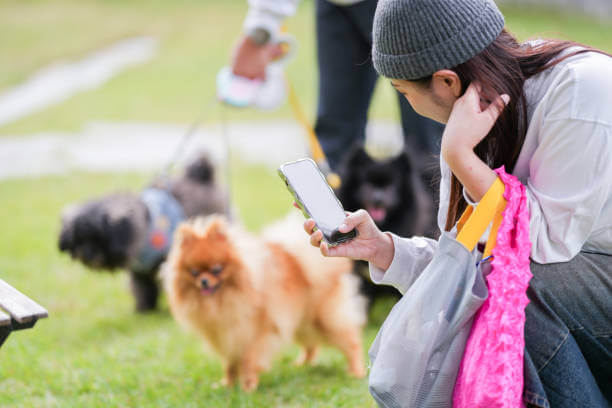
Even with the best strategies, dogs can encounter obstacles while learning new tricks. Understanding common challenges and how to address them ensures training stays stress-free, enjoyable, and productive. Patience, consistency, and adjustments to the training environment are key to overcoming these hurdles.
Distractions and Focus Issues
Creating a More Engaging Environment
- Minimize external distractions: turn off TVs, close doors, and remove other pets.
- Use high-value rewards or toys to capture attention.
- Gradually introduce distractions as your dog becomes more proficient.
Using Short, Focused Sessions
- Keep training sessions to 5–10 minutes to maintain focus.
- End sessions on a positive note to encourage eagerness for the next round.
Stubborn or Anxious Dogs
Patience Techniques
- Break complex tricks into smaller steps.
- Reward every small success to maintain motivation.
- Avoid scolding; instead, redirect gently toward correct behavior.
Gradual Desensitization
- Expose your dog slowly to new stimuli or commands.
- Pair new tasks with familiar commands and rewards.
- Monitor for stress signals such as yawning, lip licking, or withdrawal.
Daily Checklist and FAQ for Learning New Tricks
Consistency is the cornerstone of successful dog training. A structured daily checklist ensures progress, while FAQs address common concerns and enhance understanding.
Daily Training Checklist
- Morning mental warm-up: 5–10 minutes of basic commands to start the day.
- Midday practice session: Introduce a new trick or reinforce an advanced skill.
- Evening reinforcement and review: Short session to reward successes and consolidate learning.
- Interactive play: Incorporate toys or puzzle games to stimulate the mind.
- Observe behavior: Note any stress signals, fatigue, or changes in motivation.
FAQ
How long does it take to learn a new trick?
- It depends on the dog’s age, breed, and prior experience. Many dogs pick up simple tricks in a few days, while complex tricks may take weeks.
What if my dog loses interest?
- Shorten sessions, switch rewards, or introduce a different trick to rekindle motivation.
- Ensure your dog isn’t tired, hungry, or stressed.
How often should I practice?
- Short, frequent sessions (5–15 minutes, 2–3 times daily) are more effective than long, infrequent sessions.
- Observe your dog’s attention span and energy levels.
Quick Tips for Daily Success
- Keep sessions fun: Positive energy encourages your dog to participate enthusiastically.
- Reward variety: Alternate treats, praise, and play to sustain motivation.
- Document progress: Track mastered tricks and areas needing more practice.
- Consistency over intensity: Short, consistent sessions outperform long, sporadic training.
- Observe cues: Recognize when your dog needs breaks or is overwhelmed.
Conclusion
Teaching your dog new tricks is more than just fun—it’s a powerful way to boost their mental agility, strengthen your bond, and build confidence. By understanding your dog’s learning style, creating a stress-free environment, and using step-by-step methods with positive reinforcement, you can make learning enjoyable and effective. Advanced tricks, interactive games, and consistent practice help challenge your dog’s mind, improve memory, and enhance problem-solving skills. Remember to track progress, adjust difficulty, and maintain patience throughout the process. With dedication, creativity, and a supportive approach, your dog will thrive mentally, stay engaged, and enjoy every training session.
