
Ethical Note: Vocalization is a primary communication tool for canines. The goal to prevent barking is not to silence the dog entirely, but to mitigate excessive responses triggered by High Arousal or anxiety. Avoid aversive tools like shock collars, which can spike Cortisol Levels and create long-term psychological trauma.
Excessive barking is often a clinical symptom of emotional dysregulation or environmental stress. To effectively prevent barking, owners must move beyond “quick fixes” and address the underlying Sensory Triggers. By understanding your dog’s Emotional Threshold and implementing Counter-Conditioning strategies, you can transform a reactive canine into a calm, observant companion.
The Maya Mai Verdict: The “Adrenaline Window”
“At PetCareCompass, I always remind owners: You cannot teach a dog to be quiet once they have crossed their Arousal Peak. To successfully prevent barking, you must intervene during the ‘Alert’ phase—the subtle moment they stiffen or fixate on a sound. My rule: Manage the adrenaline window before the bark occurs. Silence isn’t taught; it’s the byproduct of a regulated nervous system.” — Maya Mai
Identifying and desensitizing the dog to auditory or visual Sensory Stimuli.
Building the dog’s Executive Function to choose silence over reactivity.
The Clinical Foundation: Understanding the Neuro-Ethology of Barking
To successfully prevent barking, we must first categorize it as a biological output rather than a behavioral flaw. In the canine world, vocalization is a sophisticated tool for Intra-species and Inter-species Communication. When a dog barks, they are processing external stimuli through their Amygdala—the brain’s emotional center—and producing a response intended to alter their environment or notify the pack. Misinterpreting this signal often leads to “Reactionary Training,” which fails because it ignores the internal state of the animal.
1. Vocalization as an Information Beacon
Dogs utilize different Acoustic Parameters (pitch, duration, and frequency) to convey specific data points. An “Alert Bark” is typically sharp and mid-pitch, designed to trigger a State of Hyper-vigilance in the handler. Conversely, Demand Barking is a learned behavior where the dog discovers that vocalization creates a Dopaminergic Reward (food, attention, or play). To prevent barking of this nature, one must address the Reinforcement History rather than the noise itself.
| Bark Type | Acoustic Profile | Underlying Motivation |
|---|---|---|
| Alert / Territorial | Rapid, sharp, repetitive bursts. | Perceived threat to Resource Security. |
| Frustration / Boredom | Monotonous, repetitive, flat tone. | Lack of Cognitive Enrichment. |
| Fear / Anxiety | High-pitched, often ending in a yelp. | Inability to achieve Emotional Regulation. |
| Attention / Demand | Direct eye contact, pausing for reaction. | Learned Operant Conditioning. |
2. The Emotional Engine: Cortisol and Stimulus Stacking
Persistent barking is rarely about a single event; it is often the result of Stimulus Stacking. This phenomenon occurs when a dog encounters multiple minor stressors (a loud truck, a passing dog, a doorbell) in a short window, preventing their Cortisol Levels from returning to baseline. When a dog is “Stacked,” their Arousal Threshold drops, making them bark at stimuli they would normally ignore. Effective Prevent Barking protocols focus on Decompression Strategies to clear the dog’s internal stress bucket.
3. Genetic Predisposition and Breed Ethology
We must acknowledge Breed-Specific Ethology. Herding breeds (Shepherds, Collies) and Terriers were selectively bred for Vocal Persistence as part of their working function. For these dogs, barking is a self-reinforcing behavior that provides a “job-well-done” feedback loop in their brain. While you can manage and prevent barking from becoming excessive, expecting 100% silence from a vocal breed is biologically unrealistic. Success lies in shifting their focus toward Alternative Productive Behaviors.
The Maya Mai Verdict: The “Communication Audit”
“At PetCareCompass, I perform a ‘Communication Audit’ for every reactive dog. If you punish an alert bark, you aren’t fixing the problem—you are removing the dog’s alarm system while they still feel the house is on fire. My rule for prevent barking: Address the fire (the fear or boredom), and the alarm (the bark) will naturally silence itself. Never suppress communication; resolve the need behind it.” — Maya Mai
Individual Personality and Environmental History
Finally, Epigenetics and early socialization play a pivotal role. A dog that was under-socialized during the Sensitive Period (3 to 16 weeks) may perceive the world as inherently threatening, leading to chronic Reactive Barking. Understanding your dog’s history allows for a more empathetic and effective prevent barking strategy that utilizes Desensitization rather than basic obedience.
Environmental Engineering: Proactive Strategies to Prevent Barking
The most effective way to prevent barking is to modify the environment so that the dog is never triggered in the first place. In behavioral science, this is known as Antecedent Arrangement—changing what happens before the behavior occurs. A chaotic or high-stimulus environment keeps a dog in a state of Chronic Hyper-arousal, making them physically unable to choose silence. By re-engineering their living space, we reduce the total Sensory Load on their nervous system.
1. Sensory Management: Visual and Auditory Buffering
Most reactive barking is triggered by Visual Stimuli (seeing pedestrians) or Auditory Stimuli (hearing the mail carrier). To effectively prevent barking at windows, we must implement Visual Barriers. Opaque window films or strategic furniture placement can break the dog’s line of sight to external triggers, preventing the Adrenaline Spike that precedes a bark.
- White Noise & Sound Masking: Use white noise machines or fans to blur the sharp “startle” sounds of doorbells or car doors.
- Safe Zone Placement: Position the dog’s primary rest area in the center of the home, away from high-traffic external walls.
- Calming Pheromones: Consider synthetic Adaptil diffusers to provide a baseline of chemical security in the environment.
2. Predictability and the Circadian Rhythm
Anxiety-based barking is often fueled by uncertainty. When a dog cannot predict when their biological needs (food, elimination, social contact) will be met, they remain in a state of Hyper-vigilance. Establishing a rigid Behavioral Routine stabilizes the dog’s Circadian Rhythm, lowering overall cortisol production. When the internal clock is synchronized, the dog enters Rest-and-Digest mode more easily, significantly reducing the urge to bark at minor environmental shifts.
3. Indoor Cognitive Enrichment as a Barking Deterrent
Boredom is a primary driver of Nuisance Barking. If a dog’s brain is not occupied with constructive tasks, it will find its own “job”—which is usually guarding the window. Integrating Mental Enrichment, such as interactive puzzles or scent-work, provides a healthy outlet for cognitive energy. A dog that has spent 20 minutes solving a complex food puzzle is far less likely to react to a passing car than one that has been staring at a door all morning.
The Maya Mai Verdict: The “Sanctuary Audit”
“At PetCareCompass, I tell owners that training is useless if the house is a ‘sensory minefield.’ If your dog spends 8 hours a day reacting to shadows, you aren’t training—you’re just managing an exhausted nervous system. My rule to prevent barking: Fix the room before you fix the dog. Once the environment is quiet, the dog’s mind will follow.” — Maya Mai
| Trigger Category | Environmental Solution | Behavioral Impact |
|---|---|---|
| Visual (Passersby) | Window Film / Tension Rod Curtains. | Reduces Visual Fixation & Reactivity. |
| Auditory (Noises) | White Noise / Brown Noise Machines. | Masks “Startle” sounds; raises Arousal Threshold. |
| Social (Isolation) | Automated Treat Dispensers / Puzzles. | Replaces anxiety with Goal-Oriented Behavior. |
For those looking to build a comprehensive foundation for a balanced lifestyle, our resource on
dog care at home
provides deeper insights into establishing routines that naturally prevent barking through felt safety.
Behavioral Protocols: Teaching Quiet Behavior Without Stress

To effectively prevent barking long-term, we must move away from the “stop the noise” mentality and embrace Differential Reinforcement. Training is not about suppressing a dog’s voice; it is about providing them with a Functional Replacement—a different way to handle excitement or fear. When we reward silence, we are essentially re-wiring the dog’s neural response to external triggers, shifting them from a reactive state to a thoughtful one.
1. Capturing Calmness: The Power of Passive Reinforcement
The most overlooked strategy to prevent barking is reinforcing the absence of the behavior. Utilizing Passive Reinforcement means rewarding your dog when they are spontaneously quiet and relaxed. By “capturing” these moments of low Arousal, you communicate that calm neutrality is the most rewarding state to be in. Over time, this builds a “default settle” behavior that acts as a natural barrier against reactive barking.
2. Redirection and the Replacement Behavior Protocol
When a bark occurs, the goal is Stimulus Substitution. Rather than scolding, which often increases the dog’s Adrenaline Baseline, redirect their focus to an incompatible behavior. A dog cannot bark effectively while holding a toy or performing a high-value “Touch” command. This approach provides a “release valve” for their energy without the negative emotional fallout of a correction.
- Initiate: Wait for a single bark (acknowledgment), then present a high-value treat near their nose to interrupt the vocalization.
- Label: As they stop to sniff the treat, use the verbal cue “Quiet.”
- Reinforce: Reward the 3-5 seconds of silence that follow immediately.
- Generalize: Practice in varied environments to ensure the Cognitive Association remains strong under distraction.
3. The Punishment Paradox: Why Corrections Backfire
Attempting to prevent barking through verbal scolding or aversive tools often leads to the Punishment Paradox. If a dog is barking out of fear, adding a scary stimulus (yelling) confirms their belief that the situation is threatening. Furthermore, punishment rarely teaches what to do instead of barking, leading to Behavioral Suppression where the dog stops barking but their internal stress remains unresolved, eventually manifesting in other destructive ways.
The Maya Mai Verdict: The “Quiet Reward” Window
“At PetCareCompass, I see many owners wait too long to reward silence. If your dog barks and then stops for one second, that is your Neural Window. My rule: Reward the silence within 2 seconds of the bark stopping. We aren’t just rewarding ‘no noise’; we are rewarding the Decision to stop. Consistency in timing is what turns a command into a lasting habit.” — Maya Mai
| Method | Mechanism | Long-term Outcome |
|---|---|---|
| Positive Reinforcement | Builds Dopaminergic pathways for calm. | Sustainable, trust-based silence. |
| Redirection | Interrupts the Reactivity Loop. | Improves focus and impulse control. |
| Verbal Correction | Adds social stress to existing triggers. | Increased anxiety & hidden reactivity. |
Separation Distress and Attention-Seeking: Navigating Emotional Vocalization
To effectively prevent barking linked to social isolation, we must differentiate between Demand Barking (a tactical choice) and Separation Distress (a neurological panic response). While they may sound similar, their biological origins are vastly different. One is driven by the Prefrontal Cortex (seeking a reward), while the other is a Limbic System failure, where the dog enters a state of fight-or-flight due to the perceived loss of their social safety net.
1. Managing Separation Anxiety: The Desensitization Protocol
Barking that occurs within minutes of departure is often a clinical sign of Separation Anxiety. To prevent barking in this context, we utilize Gradual Desensitization. This involves breaking down the “Departure Ritual” (picking up keys, putting on shoes) and exposing the dog to these triggers without actually leaving. By disassociating these cues from the act of isolation, we lower the dog’s Anticipatory Anxiety and stabilize their heart rate before they are left alone.
2. Ignoring Demand Barking and the “Extinction Burst”
Demand Barking is a purely Operant Behavior. If your dog barks and you provide eye contact, a “no,” or a treat to quiet them, you have unintentionally completed a Reinforcement Loop. To break this, one must employ Extinction—the total removal of the reward. Owners must be prepared for the Extinction Burst, a temporary escalation where the barking gets louder or more frequent before it finally ceases. Consistency during this burst is the only way to successfully prevent barking for attention in the future.
Supporting Aids: Responsible Tools for Bark Modulation
While training is the primary driver of behavior change, certain Cognitive Enrichment tools can serve as essential support pillars. The goal of using aids is to facilitate a Focused State, allowing the dog’s nervous system to remain below the Arousal Threshold during potentially stressful periods.
| Tool Category | Primary Function | Best Use Case |
|---|---|---|
| Interactive Puzzles | Cognitive Distraction & Slow Feeding. | Boredom-induced barking during work hours. |
| White Noise Machines | Auditory Masking of external triggers. | Territorial barking at hallway/street noises. |
| Calming Pheromones | Synthetic Maternal Cues (Adaptil). | Generalized anxiety or new environment stress. |
Systematic Desensitization to Auditory Triggers
For dogs that bark at doorbells or sirens, we utilize Counter-Conditioning. By playing these sounds at a sub-threshold volume (barely audible) and pairing them with high-value rewards, we change the dog’s Involuntary Emotional Response. As noted by the American Kennel Club (AKC), this patience-based exposure is far more effective at achieving long-term silence than any punitive measure, as it solves the problem at its sensory root.
The Maya Mai Verdict: The “Ignore” Fallacy
“At PetCareCompass, I see many owners struggle with ignoring demand barking because they do it ‘halfway.’ If you ignore for 5 minutes and then yell, you just taught your dog that barking for 5 minutes is the key to getting your attention. My rule to prevent barking: If you decide to ignore, you must be 100% silent and neutral until the dog offers a calm alternative. Total consistency is the only language Operant Conditioning understands.” — Maya Mai
The Foundation of Silence: Building a Routine to Prevent Barking
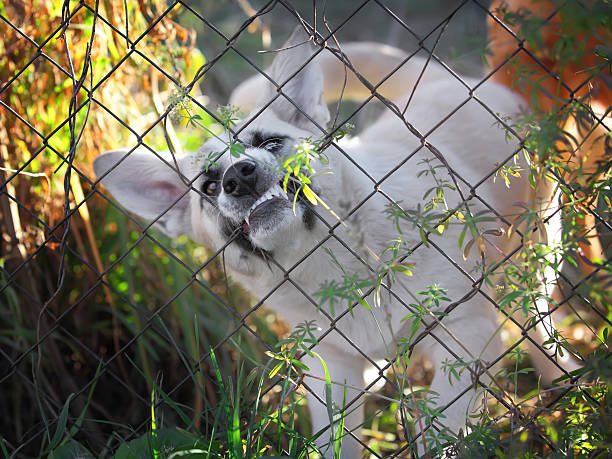
To effectively prevent barking over the long term, we must transition from “reaction management” to “lifestyle design.” A dog’s behavioral stability is directly tethered to their Sleep-Wake Cycle and the predictability of their environment. When a dog lacks structure, their nervous system remains in a state of Persistent Alert, lowering their Arousal Threshold. A well-engineered routine ensures the dog’s “Stress Bucket” is regularly emptied, making them less likely to react to external stimuli.
1. The Biological Necessity of Predictability
Predictability acts as a natural anxiolytic. By scheduling high-intensity activities (walks/play) and low-intensity periods (rest/chewing) at consistent intervals, you stabilize the dog’s Circadian Rhythm. This consistency prevents the Adrenaline Spikes associated with “anticipatory stress”—where a dog barks simply because they are unsure when their next meal or walk will occur.
2. Behavioral Budgeting: Balancing the Three Pillars
A successful prevent barking protocol requires Behavioral Budgeting—the intentional allocation of energy across three domains: Physical, Mental, and Physiological Rest. A dog that is physically exhausted but mentally under-stimulated will often engage in Hyper-vigilant Barking. Conversely, a dog that lacks adequate “decompression time” (undisturbed sleep) will be prone to Irritability Barking.
| Routine Component | Impact on Barking | Best Practice |
|---|---|---|
| Decompression Walks | Lowers Cortisol Levels through sniffing. | Long-leash, slow-paced “Sniffaris.” |
| Mental Enrichment | Engages Prefrontal Cortex; drains energy. | 15-min puzzle sessions before “trigger times.” |
| Structured Rest | Prevents “Over-tired” reactivity. | Designated “Quiet Zones” with zero visual triggers. |
3. The Reward-for-Nothing Protocol
To truly prevent barking, we must value the “Quiet Moments” as much as the training sessions. This is the Reward-for-Nothing strategy: dropping a treat between your dog’s paws whenever you observe them settling on their own. This reinforces Passive Calmness—making it their “default setting.” When a dog learns that stillness is highly profitable, the internal drive to vocalize at environmental changes diminishes.
The Maya Mai Verdict: The “Stress Bucket” Theory
“At PetCareCompass, I remind owners that every bark is a drop in their dog’s ‘Stress Bucket.’ If you don’t use your routine to ‘flush’ that cortisol out through rest and mental enrichment, the bucket overflows—resulting in explosive barking. My rule to prevent barking: Don’t wait for the bark to happen. Use your daily structure to keep the bucket empty. A well-rested, mentally satisfied dog is a quiet dog.” — Maya Mai
Sustainable Progress: Navigating Setbacks and Behavioral Aging
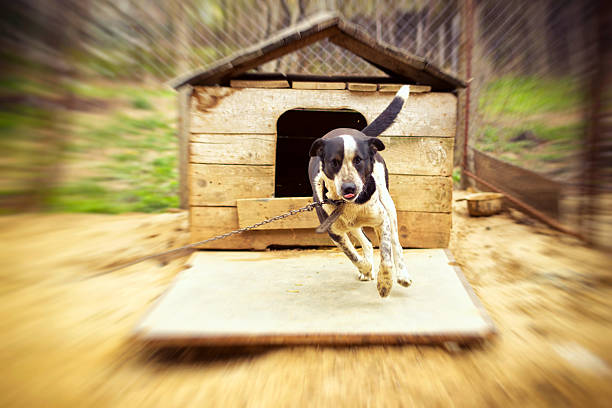
Behavioral change is rarely linear. Even with a rigorous prevent barking protocol, dogs may experience Spontaneous Recovery—a phenomenon where an extinguished behavior suddenly reappears. This is often a sign of temporary Neural Overload or environmental shifts. Understanding how to navigate these regressions without resorting to aversive tools is the hallmark of a skilled handler.
1. Identifying the Early Warning Signs of Regression
Before vocalization returns, dogs often exhibit “Pre-barking” indicators. These include Hyper-vigilance (stiffening), fixed gazing, or pacing. Recognizing these subtle shifts in their Adrenaline Baseline allows you to intervene with Decompression Exercises before the barking cycle begins again.
2. Adapting for the Senior Dog: Sensory Decay
As dogs enter their senior years, barking triggers may shift from external excitement to internal discomfort or Sensory Decay. Loss of vision or hearing can make a dog more “startle-prone,” leading to increased vocalization. In these cases, the prevent barking strategy must shift toward Anxiolytic management and veterinary consultation to rule out Cognitive Dysfunction Syndrome (CDS).
Frequently Asked Questions
1. How to differentiate between Alert and Demand barking?
Look at the Body Language. Alert barking is directed at a trigger (door/window) with stiff posture. Demand barking is directed at the handler with direct eye contact. Use Environmental Management for alerts and Extinction for demands.
2. How to use “White Noise” effectively to prevent barking?
Place a sound machine near the most common trigger source (e.g., the front door). The goal is Auditory Masking—blurring the sharp startle sounds that trigger the Amygdala’s fight-or-flight response.
3. How to handle barking during the “Extinction Burst” phase?
Maintain Total Neutrality. When you stop rewarding demand barking, it will temporarily get louder. This is the “Burst.” If you give in now, you reward the higher intensity. Stay consistent until the behavior ceases.
4. How to stop barking when guests arrive at the door?
Utilize Stationing. Train your dog to “Go to Mat” when the bell rings. By giving them a Functional Alternative that is physically incompatible with rushing the door, you redirect their energy into a stationary task.
5. How to prevent barking during walks when seeing other dogs?
Practice Counter-Conditioning at a distance. Reward your dog for looking at the other dog before they bark. This changes their Conditional Emotional Response (CER) from “threat” to “predictor of treats.”
6. How to know when professional intervention is required?
If barking is accompanied by self-mutilation, severe destruction, or predatory aggression, seek a Certified Applied Animal Behaviorist (CAAB). High-level anxiety often requires a combination of behavioral training and veterinary support.
The Professional Standard: Daily Bark Prevention Checklist
- ✅ Biological Load: Morning physical exercise completed to flush cortisol.
- ✅ Cognitive Engagement: 15 mins of enrichment (puzzles/scent work) provided.
- ✅ Reinforcement: At least 3 instances of “Capturing Calmness” rewarded.
- ✅ Trigger Control: Visual barriers (blinds/films) and white noise active.
- ✅ Sleep Hygiene: 12-14 hours of undisturbed rest periods protected.
- ✅ Consistency Audit: All family members utilizing the same “Quiet” cues.
Conclusion: The Path to a Quiet, Balanced Home
Effective efforts to prevent barking are rooted in empathy and environmental stewardship. By moving away from punitive measures and focusing on Neuro-Ethological needs, you transform your home into a sanctuary of felt safety. Remember, a quiet dog is not just a “behaved” dog; they are a dog whose emotional and cognitive needs are being met with precision.
The PetCareCompass Promise
“True silence is the byproduct of a dog that feels understood. We don’t train silence; we nurture calm.” — Maya Mai
Find More Dog Care Guides
Continue exploring practical guides related to this topic.