

Maintaining clean paws is essential for your dog’s health, comfort, and overall hygiene. Paw Cleaning removes dirt, debris, bacteria, and allergens that accumulate from daily walks, outdoor play, or rough surfaces. A consistent routine prevents infections, irritation, and injuries while keeping your dog comfortable and happy. This guide provides a practical, step-by-step approach to washing, inspecting, and caring for your dog’s paws at home, making paw care a simple and stress-free part of your regular grooming routine.
Why Paw Cleaning Is Essential
Dogs’ paws are exposed to countless environmental hazards daily. Without proper care, debris, chemicals, and bacteria can accumulate, leading to infections, irritation, or long-term damage. A regular Paw Cleaning routine is crucial to protect both paw health and overall well-being.
Health benefits of regular paw cleaning
Regular attention to your dog’s paws reduces the risk of infection and supports healthy mobility.
Preventing bacterial and fungal infections
Paws are prone to bacterial and fungal infections because of constant exposure to moisture and dirt. Cleaning removes harmful microbes and reduces odor, keeping your dog healthy.
Reducing exposure to allergens and harmful substances
Grass, pollen, pesticides, or salt used on winter roads can irritate paws. Daily washing and inspection limit exposure and prevent allergic reactions or chemical burns.
Comfort and mobility benefits
Healthy paws improve comfort and prevent behavioral issues.
Soft, clean paw pads improve walking and running
Paw pads act as cushions for walking, running, and jumping. Cleaning removes abrasive dirt and debris that can cause soreness, discomfort, or limping.
Avoids irritation from debris or rough surfaces
Small stones, twigs, or sticky substances trapped between toes can cause discomfort. Removing debris promptly prevents paw pad injuries or infections.
Detecting early signs of injury
Regular Paw Cleaning allows you to spot issues before they worsen.
Cuts, cracks, or swelling
Minor injuries can escalate into infections if left untreated. Daily inspection ensures prompt treatment.
Foreign objects like thorns, glass, or grass seeds
Outdoor activity exposes paws to foreign objects. Early removal prevents pain, inflammation, or infections.
Understanding Your Dog’s Paw Anatomy
Understanding paw structure helps you clean safely and effectively. Paw anatomy varies slightly between breeds, sizes, and activities, affecting care techniques.
Paw pads and their functions
Paw pads cushion impact, protect bones, and aid in traction.
Cushioning and protection from impact
Pads absorb shocks from walking, running, and jumping, preventing joint strain or soft tissue damage.
Sweat glands and natural moisturizing
Pads contain sweat glands to help with thermoregulation. Regular cleaning prevents buildup of sweat, dirt, and bacteria.
Toenails and dewclaws
Nails play a crucial role in balance and traction but need regular maintenance.
Trimming and maintenance considerations
Long nails can cause discomfort or alter walking posture. Inspect nails weekly and trim as needed using appropriate dog nail clippers.
Risk of ingrown nails or splitting
Neglected nails may split or grow into the paw pad, causing pain or infection. Proper trimming prevents these issues.
Hair between pads
Hair between the paw pads can trap moisture, debris, and allergens.
Hair that traps dirt and moisture
Long or dense hair can harbor mud, sand, or small debris, increasing the risk of irritation or infection.
Grooming techniques for different coat types
Short-haired breeds may only require wiping, while long-haired or curly-coated breeds benefit from careful trimming and brushing between pads.
Preparing for Paw Cleaning at Home
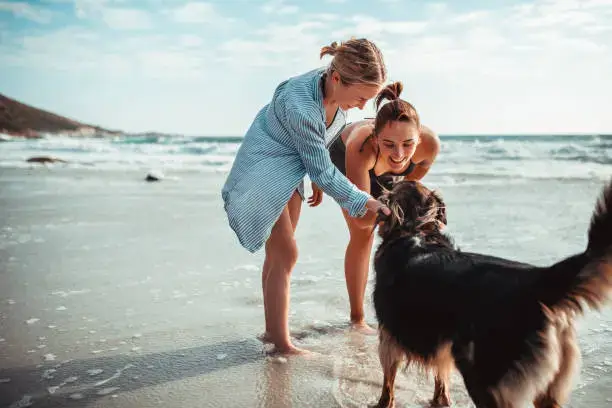
Proper preparation ensures a safe, efficient, and stress-free Paw Cleaning session. Gathering the right tools and positioning your dog correctly are crucial for success.
Essential tools and supplies
Having the right tools simplifies the process and prevents injury.
Warm water, mild dog-safe soap, or paw cleanser
Use gentle, veterinary-approved products to avoid skin irritation or chemical burns.
Towels, soft brushes, and cotton pads
These help remove dirt, dry paws, and reach small areas between toes.
Treats for positive reinforcement
Offering treats encourages cooperation and helps your dog associate paw cleaning with a positive experience.
Choosing a comfortable environment
A calm, controlled environment reduces stress and keeps your dog steady.
Quiet, non-slippery area
Choose a room without distractions. A non-slip mat or towel on the floor or table prevents slipping during cleaning.
Towel or mat to contain water and mess
This keeps your environment clean and allows easy cleanup after washing.
Positioning your dog
Proper positioning ensures safety and control during cleaning.
Sitting, standing, or lying down options
Small dogs are easier to clean on a table or counter, while larger dogs may prefer the floor. Choose a position that keeps your dog stable and comfortable.
Gentle restraint techniques without stress
Hold your dog gently, supporting paws and legs. For fidgety dogs, enlist a helper and use treats or calm voice commands to maintain cooperation.
Consistent Paw Cleaning, paired with knowledge of paw anatomy and proper preparation, prevents infections, reduces discomfort, and makes grooming a simple, stress-free habit. Regular attention, correct tools, and a calm environment are key to maintaining healthy, happy paws for your dog.
Step-by-Step Paw Cleaning Procedure
A structured approach to Paw Cleaning ensures thorough hygiene while minimizing stress or injury. By following clear steps, you can clean your dog’s paws effectively and make the process simple and safe.
Washing paws properly
Cleaning each paw carefully removes dirt, bacteria, and debris.
How to soak and clean each paw
Fill a shallow bowl or basin with warm water and a mild dog-safe cleanser. Gently dip each paw, swirling to loosen dirt and debris. For stubborn areas, use a soft brush or cloth.
Tips for short-haired vs long-haired dogs
Short-haired breeds often need only a quick rinse and wipe. Long-haired or curly-coated breeds may require extra attention to hair between pads to prevent matting and trap-free drying.
Drying and inspecting
Proper drying prevents moisture-related infections and allows inspection for injuries.
Using towels or absorbent cloths
Pat each paw dry thoroughly, including between toes. Avoid rubbing aggressively, which can irritate sensitive pads.
Checking for cuts, cracks, or irritation
While drying, inspect paw pads, nails, and surrounding hair. Look for redness, swelling, bleeding, or signs of infection.
Removing debris from between toes
Debris lodged between toes can cause discomfort or infection if left unattended.
Gentle brushing or wiping
Use a soft brush, cloth, or cotton pad to carefully remove dirt, grass seeds, or small stones. Ensure no sharp tools penetrate the sensitive spaces between toes.
Avoid using sharp objects to extract foreign objects
Never use tweezers or metal instruments to remove debris, as this risks puncturing or injuring your dog’s paw.
Maintaining Healthy Paws Between Washes
Keeping paws healthy isn’t just about cleaning; regular monitoring helps prevent infections, injuries, and discomfort.
Signs of healthy paws
Recognizing healthy paws helps detect problems early.
Soft, pink pads without cracks or redness
Healthy paw pads are pliable and light pink, free from lesions or dryness.
Normal nail length and minimal odor
Nails should be trimmed to prevent overgrowth and discomfort. Healthy paws have little to no odor.
Recognizing early problems
Early detection prevents minor issues from escalating.
Swelling, bleeding, or discoloration
Any sudden swelling, bleeding, or unusual color requires attention. Prompt care can prevent infection.
Persistent licking or limping as warning signs
Dogs often self-soothe minor injuries. If licking or limping continues, inspect the paw carefully and consult a veterinarian if necessary.
Common Mistakes in Paw Cleaning and How to Avoid Them
Even small errors can lead to irritation, infections, or resistance from your dog. Avoid these mistakes to maintain a safe, effective routine.
Using harsh soaps or chemicals
Incorrect products can irritate sensitive paw pads.
Stick to dog-safe, gentle cleansers
Use veterinary-approved paw soaps or mild, unscented shampoos. Avoid products with alcohol, bleach, or human ingredients.
Avoid alcohol, bleach, or human products
These can dry out pads, cause cracks, or lead to chemical burns.
Neglecting nail and hair maintenance
Long nails or hair can increase risk of injury or discomfort.
Long nails increase injury risk
Overgrown nails may split, crack, or catch on surfaces, leading to pain or infection.
Hair between pads traps debris and moisture
Regular trimming prevents debris accumulation and reduces the likelihood of infections between toes.
Practical Tips for an Effective Paw Cleaning Routine
- Keep all tools organized and accessible for quick sessions
- Start with short cleaning sessions for nervous dogs, gradually increasing duration
- Always use positive reinforcement with treats and praise
- Monitor paw appearance and behavior daily
- Adjust cleaning frequency based on breed, activity level, and season
Following these steps and avoiding common mistakes ensures your dog’s paws stay clean, healthy, and injury-free. Regular care enhances comfort, prevents infections, and strengthens the bond between you and your pet through gentle grooming.
Breed-Specific Paw Cleaning Tips
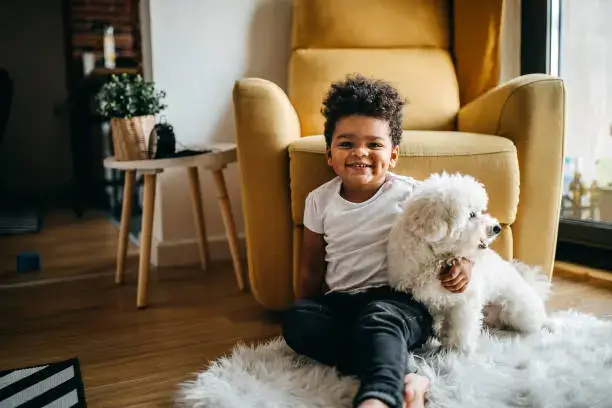
Different dog breeds require tailored Paw Cleaning approaches due to variations in paw size, hair density, and activity levels. Adjusting your routine for breed-specific needs ensures hygiene, comfort, and injury prevention.
Fluffy or hairy paws
Breeds like Poodles, Shih Tzus, and Maltese have dense hair that can trap dirt and moisture.
Extra attention to hair between pads
Gently separate and clean between toes to remove debris, mud, or grass seeds. This reduces the risk of irritation and fungal infections.
Trimming for hygiene and preventing mats
Regular trimming or brushing prevents mats and makes cleaning more efficient. Always use dog-safe scissors or seek professional grooming guidance.
Large or active dogs
Breeds such as Labradors, German Shepherds, and Huskies are more exposed to outdoor hazards due to their size and activity.
Frequent inspection for cuts, cracks, and debris
After walks or outdoor activities, examine each paw thoroughly. Remove any sticks, stones, or mud promptly to prevent injury.
Post-walk cleaning after mud, snow, or rough terrain
Rinse paws with warm water and dry completely. Applying paw balm can help protect pads during extreme weather conditions.
Small or toy breeds
Small dogs, including Chihuahuas or Yorkshire Terriers, have delicate paws that require gentle handling.
Gentle handling due to delicate paw pads
Support paws carefully during cleaning and avoid aggressive rubbing. Short sessions are ideal for maintaining comfort and cooperation.
Shorter, more frequent cleaning sessions
Due to their small size, brief daily cleaning after walks or outdoor play is sufficient to prevent debris buildup.
Paw Cleaning FAQs and Quick Checklist
A concise FAQ and checklist simplify Paw Cleaning, making it a manageable and consistent part of your dog’s grooming routine.
FAQs About Paw Cleaning
How often should I clean my dog’s paws?
Frequency depends on activity and environment. Daily cleaning is ideal for dogs exposed to dirt, mud, snow, or chemicals, while less active indoor dogs may require cleaning a few times per week.
Can I soak my dog’s paws in water?
Yes, short soaks in warm water loosen dirt and debris. Limit soaking to avoid irritation or dryness.
How do I handle a dog that resists paw cleaning?
Use treats, calm reassurance, and short sessions to help your dog associate paw care with positive experiences. Gradually increase session length as tolerance improves.
What if my dog has cracked or irritated paw pads?
Apply a dog-safe balm or ointment and monitor healing. Consult a veterinarian if irritation persists or worsens.
Paw Cleaning Quick Checklist
Daily/After Walks
- Rinse or wipe paws
- Inspect for cuts, cracks, swelling, or debris
- Dry thoroughly
- Reward your dog with praise or treats
Weekly/As-needed
- Trim nails and hair between pads
- Apply protective balm for dry or cracked pads
- Monitor for unusual odor or signs of infection
Seasonal Adjustments
- Extra cleaning during wet, snowy, or muddy conditions
- Consider paw wax or booties to protect against harsh surfaces or chemicals
By following a structured Paw Cleaning routine, inspecting regularly, and adjusting care based on breed and activity, you can maintain healthy, clean, and injury-free paws. Regular paw care not only prevents infections and discomfort but also enhances your dog’s mobility and overall well-being, making grooming a positive, stress-free experience for both you and your pet.
Conclusion: Keep Your Dog’s Paws Healthy and Happy
Maintaining clean, healthy paws is an essential part of your dog’s overall hygiene and well-being. Through consistent Paw Cleaning, careful inspection, and breed-specific attention, you can prevent infections, irritation, and injuries before they become serious. Using the right tools, gentle techniques, and positive reinforcement ensures that paw care is stress-free for both you and your dog.
Regular cleaning, combined with nail and hair maintenance, seasonal adjustments, and early detection of potential issues, creates a simple yet effective routine that promotes comfort, mobility, and long-term health. By making paw care a part of your dog’s daily or weekly grooming habits, you’re not only protecting their paws but also strengthening the bond through gentle, attentive care.
Healthy paws mean a happier, more active, and comfortable dog—so start your Paw Cleaning routine today and enjoy worry-free walks and playtime with your furry companion.
