

Mental challenge toys for dogs are more than just playthings—they are tools to stimulate your dog’s mind and boost mental well-being. They help dogs develop problem-solving skills, reduce stress, and prevent destructive behavior caused by boredom. Spending just a few minutes each day on brain games can make a noticeable difference in your dog’s focus and overall mood.
From puppies to adult dogs, using mental challenge toys correctly can increase engagement, improve attention span, and strengthen the bond between you and your dog. In this article, you’ll learn how to choose the right toys, introduce them safely, and maximize their mental benefits.
Why Mental Challenge Toys Are Essential for Dogs
Mental challenge toys are not ordinary toys. They play a vital role in cognitive development, problem-solving, and improving behavior in dogs. Ignoring mental stimulation can lead to dogs becoming bored, anxious, or destructive around the house.
Cognitive Development in Dogs

Using mental challenge toys helps dogs think logically and solve small challenges. For example, when a dog has to twist a wheel or pull a lid to get a treat, it is practicing problem-solving skills.
Tips:
- Start with easy toys and gradually increase the difficulty.
- Watch your dog’s reaction to adjust the challenge appropriately.
Reducing Boredom and Destructive Behavior
Dogs that aren’t mentally stimulated can quickly become bored. Mental challenge toys help prevent destructive behaviors like chewing shoes or scratching doors.
Examples:
- Give your dog a treat-dispensing toy when you’re busy.
- Break treats into multiple steps to keep your dog occupied longer.
Strengthening the Owner-Dog Bond
Playing with your dog using mental challenge toys also strengthens interaction and bonding. When you supervise and participate, your dog learns cooperation and pays more attention to you.
Easy Tip:
- Spend 10–15 minutes a day playing a puzzle toy with your dog.
- Reward success immediately to boost motivation.
Types of Mental Challenge Toys for Dogs
There are many types of mental challenge toys designed to keep your dog engaged and mentally stimulated. Choosing the right toy depends on your dog’s age, size, and skill level. Using a variety of toys can prevent boredom and help your dog develop problem-solving skills in different ways.
Puzzle Toys
Puzzle toys are designed to challenge your dog’s mind by requiring them to figure out how to access hidden treats or move pieces to unlock rewards. These toys come in different difficulty levels, from beginner puzzles for puppies to advanced ones for experienced dogs.
Tips:
- Start with a simple puzzle to build confidence.
- Gradually increase the difficulty as your dog learns.
- Rotate puzzle toys weekly to keep them exciting.
Example: Give your dog a puzzle that requires sliding compartments to get treats. Watch how they learn to solve it, and reward them immediately for success. This encourages engagement and focus.
Treat-Dispensing Toys
Treat-dispensing toys combine playtime with a reward system, keeping dogs busy and motivated. These toys make your dog work for their treats, which improves problem-solving skills and attention span.
Tips:
- Use soft treats for puppies and harder treats for adult dogs.
- Supervise the first few sessions to make sure your dog uses the toy correctly.
- Adjust the difficulty by controlling how easy it is to get the treat.
Example: Fill a ball toy with small treats. Your dog will push, roll, or nudge the ball to release the treats, turning snack time into a brain game.
DIY Enrichment Toys
You don’t always need to buy toys. Simple DIY mental challenge toys can be made with household items. These are often low-cost but highly effective in keeping your dog mentally active.
Tips:
- Use empty plastic bottles with holes for kibble.
- Place treats under cups and shuffle them for a shell game.
- Create small obstacle courses to challenge cognitive and motor skills.
Example: Hide treats under a few cups and let your dog figure out which cup has the reward. This is a fun mental exercise that also encourages focus and problem-solving.
Using a mix of puzzle toys, treat-dispensing toys, and DIY enrichment activities ensures your dog stays mentally active, reduces boredom, and strengthens your bond. Rotate these toys regularly and supervise playtime to maximize their benefits.
How to Introduce Mental Challenge Toys Safely
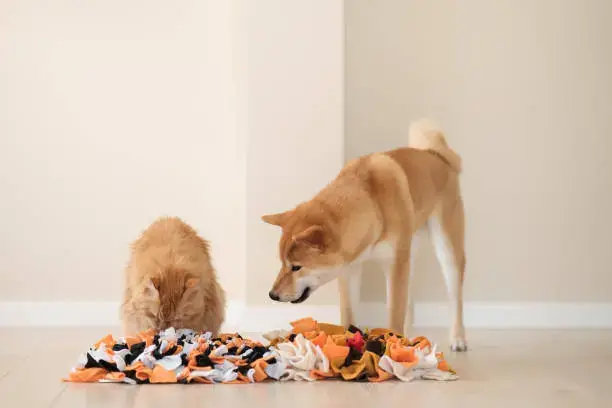
Introducing mental challenge toys correctly is key to keeping your dog safe and engaged. A poorly introduced toy can frustrate your dog, cause anxiety, or even lead to unsafe chewing behaviors. By following simple steps, you can make playtime enjoyable, productive, and safe for both puppies and adult dogs.
Choosing Age-Appropriate Toys
Not all toys are suitable for every dog. Puppies need simpler, softer toys, while adult dogs can handle more complex or durable puzzles. Senior dogs may benefit from toys that are gentle on teeth but still mentally stimulating.
Tips:
- Match toy difficulty with your dog’s experience level.
- Avoid small parts for young puppies that could be swallowed.
- For aggressive chewers, select durable toys to prevent breakage.
Example: Give a puppy a soft puzzle toy with few compartments first. This builds confidence and introduces them to problem-solving in a stress-free way.
Observing Your Dog’s Response
Every dog reacts differently. Observe how your dog interacts with the toy to ensure it’s challenging but not frustrating. Mental challenge toys should stimulate learning, not anxiety.
Tips:
- Watch for signs of frustration like whining or dropping the toy.
- If the toy seems too hard, simplify it or guide your dog.
- Praise successes to encourage engagement and motivation.
Example: If your dog struggles to release a treat from a ball, show them how to nudge it first, then gradually let them try independently. This builds focus and problem-solving skills.
Gradual Difficulty Increase
Start slow and gradually increase complexity as your dog learns. Introducing too many challenges at once can overwhelm your dog and reduce interest.
Tips:
- Begin with simple treat-dispensing toys, then move to multi-step puzzles.
- Rotate toys to maintain novelty and engagement.
- Adjust difficulty based on how quickly your dog solves the challenge.
Example: Start with one treat hidden under a cup. Once your dog masters it, add more cups or increase the puzzle complexity. This keeps their mind sharp while preventing boredom.
By choosing the right toys, observing your dog, and increasing difficulty gradually, you can ensure that mental challenge toys are safe, fun, and effective. Regular playtime will improve your dog’s cognitive skills, behavior, and overall happiness.
Benefits of Mental Challenge Toys for Puppies and Adult Dogs
Mental challenge toys offer significant benefits for dogs of all ages. From puppies learning basic problem-solving to adult dogs staying sharp, these toys provide more than just entertainment. They improve cognitive skills, reduce anxiety, and help manage behavior issues. Understanding the benefits can motivate you to incorporate these toys into your dog’s daily routine.
Boosting Problem-Solving Skills
One of the primary advantages of mental challenge toys is that they help dogs develop problem-solving skills. By figuring out puzzles or accessing treats, dogs learn to think critically and improve their decision-making.
Tips:
- Offer toys that require multiple steps to access treats.
- Praise and reward correct actions to reinforce learning.
- Rotate puzzles to introduce new challenges and prevent boredom.
Example: A treat-dispensing ball encourages your dog to nudge, roll, and strategize to get the reward. Over time, this enhances cognitive development and keeps their mind active.
Reducing Anxiety and Boredom
Dogs that are mentally unstimulated often display anxious or destructive behavior. Mental challenge toys provide a safe outlet for energy and reduce stress levels.
Tips:
- Use interactive toys when leaving your dog alone to prevent separation anxiety.
- Introduce toys gradually to avoid overwhelming your dog.
- Combine play with short training sessions for maximum engagement.
Example: A senior dog may enjoy a slow feeder puzzle, which keeps them busy and prevents repetitive behaviors like barking or pacing. This also promotes focus and attention.
Enhancing Focus and Attention
Mental challenge toys require dogs to pay attention and stay engaged, which improves their overall focus. Regular engagement with these toys also reinforces reward-based learning and strengthens your bond with your dog.
Tips:
- Schedule short, frequent play sessions rather than long, tiring ones.
- Encourage your dog by showing them how the toy works at first.
- Reward patience and persistence during play.
Example: Spend 10 minutes with your dog solving a puzzle toy together. Watching them learn and succeed encourages motivation, problem-solving, and strengthens your interaction.
Using mental challenge toys consistently can transform your dog’s behavior, cognitive skills, and emotional well-being. Puppies learn early problem-solving habits, while adult dogs maintain mental sharpness and reduce boredom-induced stress.
Tips for Using Mental Challenge Toys Effectively
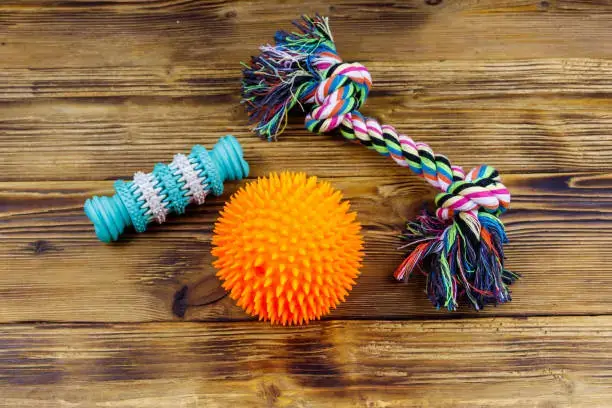
Using mental challenge toys effectively ensures your dog gains maximum benefit while staying safe and engaged. Proper use not only improves cognitive development but also reinforces positive behaviors and strengthens your bond with your dog.
Rotate Toys Regularly
Dogs can lose interest if they play with the same toy all the time. Rotating toys keeps mental stimulation fresh and exciting.
Tips:
- Keep a few different toys and switch them every few days.
- Introduce new toys gradually to avoid overwhelming your dog.
- Observe which toys your dog prefers and focus on those.
Example: If your dog loves puzzle toys, rotate between a treat-dispensing ball and a sliding compartment puzzle to keep them challenged and entertained.
Combine With Treat Rewards
Pairing toys with treats makes the experience more motivating. Reward-based play encourages engagement and reinforces learning.
Tips:
- Use small, healthy treats to avoid overfeeding.
- Praise your dog when they solve a challenge successfully.
- Vary the type of reward to maintain interest.
Example: For a treat-dispensing toy, place a few small treats inside. When your dog works to release them, it teaches patience, focus, and problem-solving while providing a tasty reward.
Supervised Play Sessions
Supervision ensures safety and allows you to guide your dog when needed. Some toys may have small parts or pose a choking risk if used unsupervised.
Tips:
- Stay nearby during initial play sessions to demonstrate toy use.
- Encourage your dog to try different strategies to access treats.
- Intervene if the toy seems too difficult or if your dog becomes frustrated.
Example: Watch your dog interact with a puzzle toy for the first time. Show them how to move a part to get the treat, then step back and let them try. This builds confidence and motivation while keeping play safe.
Using these strategies—rotating toys, combining with rewards, and supervising play—ensures your dog gets the most out of mental challenge toys. Regular, guided play strengthens mental sharpness, encourages problem-solving, and reduces boredom or anxiety.
DIY Mental Challenge Toys at Home
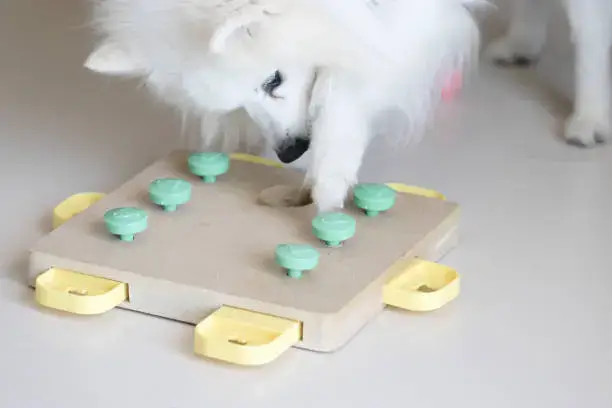
You don’t always need to buy expensive toys to keep your dog mentally stimulated. DIY mental challenge toys can be made with common household items and are often just as effective as store-bought options. These activities provide brain stimulation, problem-solving practice, and interactive play while being cost-effective.
Simple Puzzle Toys with Cups
One of the easiest DIY toys involves cups and treats. Hide treats under cups and let your dog figure out which cup holds the reward. This encourages problem-solving and focus.
Tips:
- Start with two cups and gradually increase to three or four.
- Always reward your dog immediately after they find the treat.
- Shuffle cups slowly at first, then increase speed as your dog improves.
Example: Place a treat under one of three cups. Encourage your dog to use their nose or paw to find it. This simple game exercises their cognitive skills and keeps them engaged.
Treat-Dispensing Bottles
Plastic bottles can be repurposed into treat-dispensing toys. Cut small holes just big enough for treats to fall out when the bottle is rolled or nudged.
Tips:
- Use a clean, empty bottle and remove the cap and ring for safety.
- Monitor your dog the first few times to ensure they don’t chew or swallow plastic.
- Adjust hole size to control the difficulty and challenge level.
Example: Fill a small bottle with kibble. Your dog pushes and rolls the bottle to get the treats. This provides mental exercise, motivation, and reward-based learning.
Homemade Obstacle Challenges
Creating small obstacle courses stimulates both mental and physical activity. Incorporate boxes, cushions, or low barriers to create a fun problem-solving environment.
Tips:
- Make the course safe and age-appropriate.
- Encourage your dog to find treats or toys at different points in the course.
- Gradually make the course more challenging as your dog improves.
Example: Place a treat at the end of a simple tunnel made from cushions. Encourage your dog to figure out how to reach it. This builds focus, problem-solving skills, and sensory enrichment.
DIY mental challenge toys are an easy, affordable, and fun way to keep your dog’s brain active. By using everyday items creatively, you can provide hours of enrichment, reduce boredom, and strengthen the owner-dog bond.
Frequently Asked Questions (FAQs)
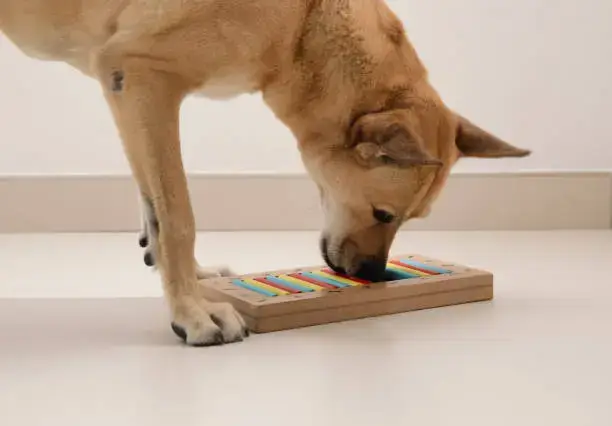
Here are some of the most common questions dog owners have about mental challenge toys. These answers will help you use them safely and effectively to keep your dog engaged and mentally sharp.
1. How often should I give my dog mental challenge toys?
For most dogs, 10–20 minutes per day is enough to stimulate the brain without causing stress. Puppies may need shorter sessions, while adult dogs can handle longer play.
Tip: Break sessions into two or three short periods to maintain interest and prevent fatigue. This encourages focus and engagement.
2. Can senior dogs benefit from these toys?
Yes! Senior dogs can greatly benefit from mental exercises. Toys that are gentle on teeth but still challenging can reduce boredom and maintain cognitive function.
Example: Use slow feeder toys or simple puzzles to keep them mentally active without physical strain.
3. Are treat-dispensing toys safe for all breeds?
Most are safe, but always match toy size and toughness to your dog’s breed and chewing strength. Avoid small parts for aggressive chewers or small breeds.
Tip: Supervise first play sessions to ensure safety and proper use.
4. What if my dog loses interest quickly?
Dogs can get bored if toys are repetitive. Rotate toys regularly and combine puzzles with treats or interactive play to maintain engagement.
Example: Switch between a puzzle toy, a treat ball, and a DIY cup game. This keeps mental stimulation fresh.
5. Can puppies use the same toys as adult dogs?
Not all toys are suitable for puppies. Start with simple, soft puzzles and gradually move to more complex toys as they develop problem-solving skills.
Tip: Always supervise puppies with toys to prevent chewing hazards.
6. How do I know if a toy is too hard?
If your dog seems frustrated, gives up quickly, or shows signs of stress, the toy may be too challenging. Simplify the puzzle or demonstrate how it works.
Tip: Success builds confidence and motivation, so start easy and gradually increase difficulty.
7. Can mental challenge toys reduce anxiety?
Yes. Toys that engage your dog’s mind help distract from stress, prevent destructive behavior, and promote calm.
Example: Using a treat-dispensing ball while you’re busy at home can reduce separation anxiety.
8. Are DIY toys as effective as store-bought ones?
Absolutely! Simple DIY enrichment toys like cup puzzles or treat-dispensing bottles provide the same cognitive stimulation and problem-solving practice as commercial toys.
Conclusion and Further Resources
Mental challenge toys are essential for keeping your dog mentally sharp, engaged, and happy. Regular use helps reduce boredom, prevent destructive behavior, and improve problem-solving skills. By combining puzzle toys, treat-dispensing toys, and DIY enrichment activities, you can create a mentally stimulating environment that benefits dogs of all ages.
Consistency and supervision are key. Rotate toys, adjust difficulty, and reward successes to maintain motivation and engagement. Over time, this not only enhances cognitive development but also strengthens your bond with your dog.
For more ideas and expert guidance, check out the full collection of dog enrichment tools at Toys and Enrichment Tools at Home for Dogs.
Additionally, you can learn more about the benefits of mental stimulation from trusted sources such as the American Kennel Club: Mental Stimulation for Dogs. This article explains how proper brain games reduce stress, boredom, and unwanted behaviors while improving focus and learning.
By using mental challenge toys regularly, you’re supporting your dog’s cognitive health, motivation, and overall well-being—while making playtime fun and meaningful.
