Editorial & Health Disclaimer: Written by Maya Mai | Pet Care Advocate. ✓ Fact-Checked & Reviewed for Canine Pruritus & Dermal Histamine Pathways. Every recommendation is based on alkaline pH skin compatibility checks, colloidal oatmeal avenanthramide bio-activity audits, Omega-3 lipid synthesis studies, and veterinary dermatology best practices. It is intended for educational home care support and does not replace clinical veterinary diagnosis.
There is nothing quite as heartbreaking for an animal lover as watching your beloved four-legged companion constantly scratch, bite, and chew at their own skin. As a dedicated pet parent, you want to provide immediate, lasting comfort. Dog skin irritation is one of the most common reasons behind veterinary visits in the United States, especially during seasonal transitions when environmental allergens peak.
While severe dermatological infections require immediate clinical interventions, many mild cases of dry, flaky, and irritated skin can be managed beautifully from the comfort of your own home. By implementing systematic, professional-grade pet husbandry protocols, you can break the painful scratch-itch cycle and restore your pup’s dermal integrity.
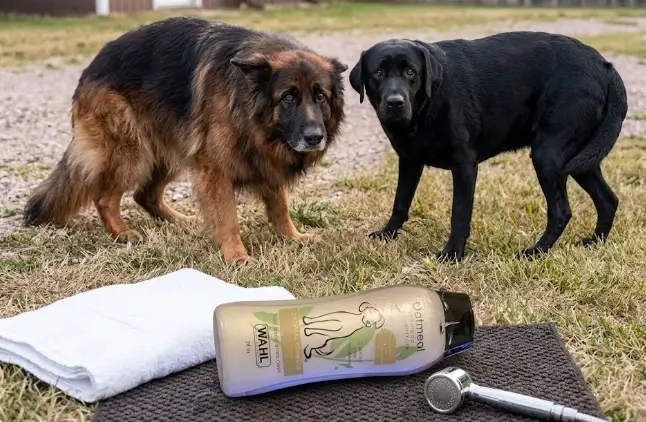
Canine experiencing intense seasonal pruritus and skin irritation.
“Can a micro-targeted colloidal oatmeal application safely shut down systemic histamine pathways?”
In this ultimate guide on how to soothe a dog itchy skin, we will explore the root causes of canine scratching, practical lifestyle adjustments, and a proven five-step home bathing routine. We will also look at how leveraging specialized tools, such as the right shampoo or a skin-friendly pet grooming tool, can transform your domestic care results.
Why is Your Dog Scratching So Much? Understanding the Root Causes
Before jumping into remedies, it is absolutely essential to recognize why your dog is experiencing discomfort. Scratching is merely a clinical symptom; identifying the underlying trigger is the key to long-term prevention.
Canine Pruritus Etiology & Histamine Pathways
| Pruritus Trigger Category | Primary Biological Mechanism | Common Physical Manifestations |
|---|---|---|
| Environmental Allergies (Atopy) | Airborne pollen/dander penetrates fragile alkaline epidermal barrier | Itchy paws, belly redness, armpit chewing, ear inflammation |
| Flea Allergy Dermatitis (FAD) | Extreme hypersensitivity reaction to flea salivary protein antigens | Severe hair loss along tail base, lower back, inner thighs |
| Nutritional Sensitivities | Immune response to specific protein macromolecules (Beef, Chicken, Wheat) | Chronic facial rubbing, ear infections, gastrointestinal signs |
| Dry Indoor Air & Low Humidity | HVAC systems evaporate natural stratum corneum intercellular lipids | Flaky white dander, tight skin patches, dull brittle coat |
Environmental Allergies (Atopic Dermatitis)
Just like humans, dogs suffer from seasonal allergies. Microscopic particles such as airborne pollen, mold spores, ragweed, and dust mites can easily penetrate the canine skin barrier. When these allergens settle into the coat, they trigger an inflammatory immune response, leading to intense pruritus (itching) primarily around the paws, belly, armpits, and muzzle.
Flea Allergy Dermatitis (FAD)
A single flea bite can cause hours of misery for a normal dog. However, for a pet with Flea Allergy Dermatitis, the saliva from just one flea triggers an extreme, widespread allergic reaction. The itching is intense, often concentrating near the base of the tail, lower back, and inner thighs, leading to hair thinning and raw hot spots if left unchecked.
Nutritional Sensitivities and Dry Indoor Air
Dietary intolerances to specific protein sources (such as beef or chicken) or low-quality chemical fillers can manifest directly through the skin. Furthermore, running artificial heating or air conditioning systems inside domestic homes drops humidity levels significantly, stripping natural lipid oils from your pet’s coat and leaving them with tight, flaky, and itchy skin patches.
5 Safe Steps to Soothe Your Dog’s Itchy Skin at Home
Now that we understand the triggers, let us implement a highly effective, structured care protocol designed to clean the skin, eliminate environmental dander, and provide instant cooling relief.
Step 1: Brush Away Environmental Allergens and Loose Fur: The very first line of defense is physical removal. When dogs walk through grass or roll around in the yard, they accumulate millions of microscopic pollen grains and loose dead fur close to their skin. Leaving this debris trapped inside the undercoat leads to friction and severe localized inflammation.
Before introducing any water, use a dedicated dog grooming brush for shedding to lift away dead fur and trapped dander. Using an advanced, retractable tool like the Swihauk self cleaning slicker brush ensures you can access the deep undercoat safely. Its specialized plastic round heads act as a protective barrier, preventing sharp metal needles from scraping against already sensitive, inflamed skin layers.
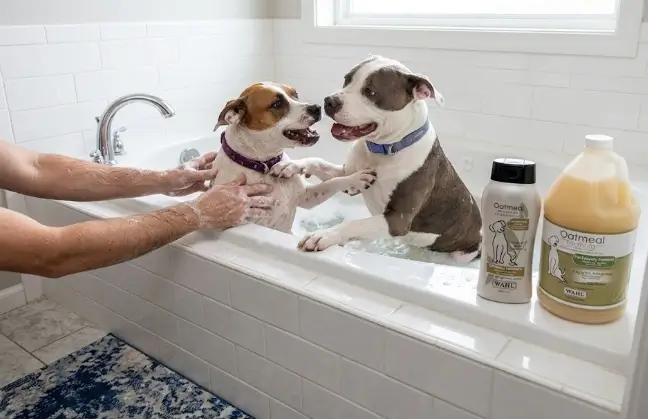
Brushing with rounded protective pin caps lifts pollen without scraping inflamed skin.
Step 2: Administer a Lukewarm Water Pre-Rinse: Water temperature is critically important when managing irritated canine skin. Never use hot or even warm water, as heat dilates blood vessels, accelerating histamines and making the itching sensation significantly worse once the bath is over.
Instead, adjust your bath nozzle to a cool-to-lukewarm temperature setting. Thoroughly saturate your pet’s coat for at least three to five minutes. This initial rinse mechanically flushes away large debris particles, cools the epidermis, and prepares the coat to absorb therapeutic topical ingredients effectively.
Step 3: Cleanse with a Targeted Oatmeal Bath Product: When searching for the best home remedies for dog itching, nothing matches the clinical efficacy of natural oat derivatives. Applying a colloidal oatmeal bath for dogs helps establish a protective, moisture-locking barrier over the compromised epidermis. Oatmeal contains active anti-inflammatory compounds called avenanthramides, which actively block histamine pathways to stop itching on contact.
For this crucial step, avoid generic grocery-store pet soaps, which often contain harsh artificial fragrances that strip away moisture. Instead, opt for a clinically proven, plant-based formula. I highly recommend reading my fully detailed, independent Wahl oatmeal dog shampoo review. This specific formula leverages raw colloidal oatmeal, coconut oil, and lime verbena to gently soothe irritation, hydrate dry skin patches, and leave a clean, non-toxic protective moisture barrier behind without relying on harsh synthetic chemicals.
When applying the shampoo, gently massage it into the worst-affected areas, including the belly, groin, and paws. Let the product sit undisturbed on the skin for a full five to ten minutes before rinsing. This contact window is vital, as it allows the natural botanical lipids to sink deep into the dermal cells.
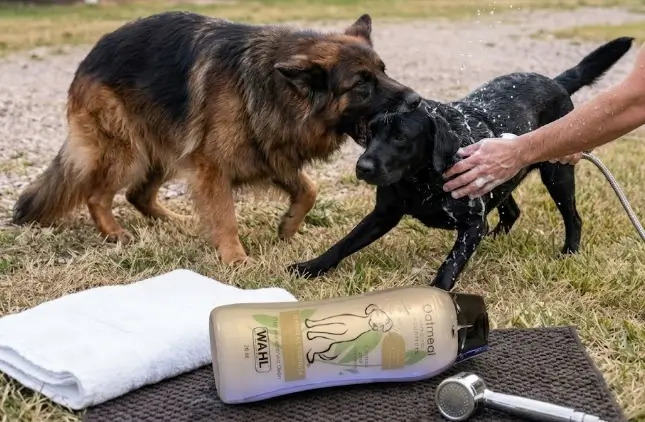
Lathering colloidal oatmeal shampoo safely into a dog’s belly skin barrier.
Step 4: Dry the Coat with Utmost Care: How you dry an itchy dog can either seal in the healing benefits or completely ruin them. Avoid vigorous towel rubbing at all costs, as the friction will immediately reignite the scratch reflex and potentially tear fragile, irritated skin layers.
Instead, wrap your pup in a high-absorbency microfiber towel and gently pat them dry, pressing down softly to absorb excess moisture. If you must use a mechanical blow dryer, select a strict “cool air” setting. Hot air from a standard dryer will instantly dehydrate the newly washed skin cells, triggering an immediate relapse into scratching.
Step 5: Hydrate the Skin Barrier from the Inside Out: External topical treatments work best when supported by internal nutritional structural health. To protect your dog’s skin from drying out in the future, consider integrating high-quality Omega-3 fatty acid supplements, such as wild-caught Alaskan salmon oil, directly into their daily meals.
These essential fatty acids reinforce the intercellular lipid cellular matrix of the skin barrier, reducing systemic inflammation and keeping the coat naturally shiny, soft, and naturally resilient against seasonal environmental irritants.
Traditional Slicker Brushes vs. Skin-Friendly Modern Tools
When handling an exceptionally itchy dog, the structural design of your grooming accessories matters immensely. Many traditional wire slicker brushes utilize raw, un-capped stainless steel pins that feature sharp, needle-like tips. While these are highly effective at tearing through heavy matting on healthy working dogs, using them on an itchy, inflamed dog can be genuinely dangerous.
An itchy dog often has microscopic micro-tears and raw hot spots across their body. Scraping a sharp metal tool over these areas leads to immediate pain, increases the risk of secondary bacterial dermatitis, and causes your pet to develop a severe behavioral fear of grooming altogether.
This is why transitioning toward a modern, highly engineered skin-friendly pet grooming tool is a necessity for sensitive pets. Tools that incorporate smooth, protective rounded caps ensure that the brush glides smoothly over existing bumps or minor irritations. The process transforms a potentially painful grooming session into a comforting, therapeutic skin massage that increases blood circulation and distributes the dog’s natural protective skin oils evenly across the entire coat.
| Grooming Action Item | Why It Stops the Itch | Recommended Tool & Frequency |
|---|---|---|
| De-shedding & Allergen Clearing | Lifts away trapped pollen grains and dead dander before they irritate the skin epidermis. | Skin-friendly retractable brush / 3–4 times weekly |
| Therapeutic Hydration Bathing | Deposits avenanthramides to block histamine pathways and coat dry cells in moisture. | Colloidal oatmeal pet shampoo / Every 2–3 weeks |
| Dietary Lipid Optimization | Builds up the cellular moisture barrier from within to prevent seasonal dry skin flaking. | Pure Omega-3 Fish Oil supplement / Daily meal topper |
Internal Nutritional Matrix: Rebuilding the Dermal Barrier
Topical therapy provides immediate surface relief, but long-term resolution requires fortifying the stratum corneum from within. Incorporating specific bio-available nutrients restores systemic epidermal integrity.
| Nutritional Supplement | Biological Action Mechanism | Optimal Dosing & Guidance |
|---|---|---|
| Omega-3 EPA & DHA (Salmon Oil) | Inhibits arachidonic acid inflammatory cascades; rebuilds lipid layer | 75–100 mg EPA/DHA combined per kg body weight daily |
| Quercetin (“Nature’s Antihistamine”) | Stabilizes mast cells; suppresses histamine & leukotriene release | 5–10 mg per lb body weight twice daily (with bromelain) |
| Probiotics (L. acidophilus, B. animalis) | Modulates gut-skin axis; reduces Th2 immune system overactivity | 1–5 Billion CFU daily formulated for canine digestive tract |
When to See a Professional Veterinarian
As a passionate animal advocate, I always emphasize that home remedies have practical boundaries. While standard seasonal dryness or mild grass irritation responds beautifully to an oatmeal-based care routine, you must monitor your pet for indicators of more serious underlying medical issues.
Please schedule an immediate clinical appointment with a licensed veterinarian if you notice any of the following warning signs:
- Open or Bleeding Lesions: Broken skin surfaces that ooze clear fluid, blood, or pus, indicating a deep bacterial hotspot.
- Pungent Yeast Odor: A strong, sweet, or musty smell coming from the paws, belly, or ears, which usually points to a severe secondary yeast overgrowth.
- Intense Nighttime Scratching: A dog that wakes up from a deep sleep to cry, chew, or scratch aggressively, signaling intense neurological distress or parasitic infestations like mange mites.
- Thickened, Darkened Skin: Areas where the skin has turned black, leathery, or hyper-pigmented due to chronic, long-term untreated inflammation.
A veterinary professional can perform a diagnostic skin scraping or blood allergy panel to pinpoint the exact issue, prescribing targeted medicated topicals or advanced allergy shots to work alongside your home hygiene routine.
A Quick Note on Canine Dermal Integrity: While regular maintenance with a premium deshedding tool does wonders for reducing domestic cleanup, sudden or patchy hair loss can be a sign of underlying issues. If your pet shows extreme hair loss, raw hotspots, or continuous scratching, please consult a licensed veterinarian rather than relying solely on home grooming tools.
US Veterinary Dermatology Consensus Synthesis
To ensure PetCareCompass recommendations reflect the highest standards of veterinary science, we synthesized clinical guidelines from leading North American veterinary dermatology associations. Here is what board-certified specialists emphasize for managing canine pruritus:
Topical Therapy First Line:Specialists agree that weekly bathing with pH-balanced (6.5–7.5) colloidal oatmeal shampoo physically removes up to 80% of surface environmental allergens while restoring intercellular lipid layers without oral medication side effects.
Avoid Human Shampoos & Hot Water:Vets strongly warn against using human shampoos (pH 5.5 acidic), dish soaps, or warm/hot water. These evaporate natural skin lipids, disrupt the cutaneous microbiome, and cause severe rebound histamine release.
Frequently Asked Questions (FAQ)
Can I use human oatmeal shampoo or DIY ground oats on my itchy dog?
While you can create a basic DIY oat paste by grinding raw oats into a fine powder, human-grade commercial oatmeal shampoos should never be used on pets. Human skin has a highly acidic pH balance (around 5.5), whereas canine skin is significantly more alkaline (around 7.0 to 7.5). Using human products strips away the critical acid mantle layer, leaving your dog highly vulnerable to severe bacterial infections.
How often should I bathe a dog with sensitive, itchy skin?
For a dog experiencing an active allergy flare-up, a cool water bath utilizing a gentle colloidal oatmeal shampoo can be administered once a week. Once the irritation subsides and the skin barrier stabilizes, reduce the bathing frequency back to a standard maintenance schedule of once every three to four weeks to prevent over-drying the coat.
Will brushing my dog more often make their itchy skin worse?
Not if you are using the proper technique and tools! Brushing with a rigid, sharp wire comb can absolutely exacerbate skin inflammation. However, utilizing a premium brush featuring rounded protective caps actually aids recovery by increasing localized blood flow, removing sharp debris particles, and shifting natural oils to dry patches. Always sweep the brush gently along the natural direction of hair growth without applying direct downward pressure.
Conclusion: Empowering Your Pet’s Dermal Recovery
An itchy coat can severely degrade your pet’s overall quality of life, turning their relaxing days into a constant cycle of discomfort. Thankfully, by executing a systematic home care strategy—grounded in regular allergen removal, cool therapeutic baths, and targeted moisture delivery—you can dramatically reduce your dog’s urge to scratch.
Investing in the right technical assets, such as a high-performance dog grooming brush for shedding that protects the skin, alongside a deeply nourishing natural shampoo, makes all the difference. Take control of your home pet care routine today, and watch your furry family member transform back into a happy, energetic, and completely scratch-free pup!
Find More Dog Care Guides
Continue exploring practical guides related to this topic.