

Not all dogs need to be bathed at the same frequency. Factors like breed, coat type, age, health, and daily activity affect how often you should wash your dog. Understanding these elements helps you maintain coat cleanliness while avoiding skin irritation and overbathing.
➡ Keywords:
- Primary: Bathing Frequency
- Secondary: Dog bath schedule, How often should I bathe my dog
- NLP Terms: Coat cleanliness, Skin irritation, Dog grooming routine
Breed and Coat Type Considerations
Different breeds have different coat types and skin sensitivities. Long-haired or thick-coated dogs may trap dirt and odors more easily, requiring more frequent baths. Short-haired dogs or those with sensitive skin may need fewer baths to prevent dryness or irritation.
Tips:
- Brushing regularly helps maintain coat cleanliness between baths.
- Use gentle grooming routines suited to your dog’s coat.
- Example schedules: Golden Retrievers: 4–6 weeks; Chihuahuas: 6–8 weeks.
Age and Health Factors
Age plays a key role in bathing frequency. Puppies have delicate skin and should be bathed less often. Older dogs may have thinner skin that dries out easily. Health conditions such as allergies, skin infections, or seborrhea also affect how often baths should be given.
Tips:
- Consult your vet if your dog has a skin condition.
- Adjust bath schedule according to your dog’s health needs.
- Combine baths with gentle brushing to protect skin.
Activity Level and Outdoor Exposure
Dogs that spend more time outdoors, playing in mud or dirt, usually need baths more frequently. Dogs that live mostly indoors and have low activity levels may require fewer baths.
Tips:
- Consider a bath after particularly dirty outdoor activities.
- Keep a dog grooming routine including wiping paws and brushing between baths.
- Adjust your dog bath schedule to match seasonal changes and activity level.
Summary of Key Points:
- Breed, coat type, age, health, and activity determine bath frequency.
- Regular brushing can reduce the need for frequent baths.
- Adjust schedules to prevent skin irritation while maintaining coat cleanliness.
Bathing Adult Dogs: Small vs. Large Breeds
The bathing frequency for adult dogs depends largely on their size and coat type. Small and large breeds have different needs when it comes to water usage, shampooing, and drying. Understanding these differences helps maintain coat cleanliness, prevent skin irritation, and establish a practical dog grooming routine at home.
Small Breed Bathing Guidelines
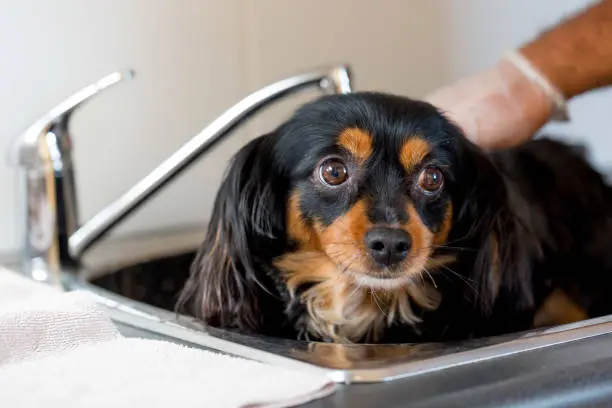
Small breeds, such as Chihuahuas, Pomeranians, and Dachshunds, generally require less water and are easier to handle in a standard bathtub or sink. Their bathing frequency can vary depending on activity levels and coat type, but typically ranges from every 4–8 weeks.
Tips for small breeds:
- Brushing before bath: Helps remove loose hair and tangles, keeping the coat smooth.
- Shampoo: Use a gentle, hypoallergenic formula to avoid skin irritation.
- Water temperature: Lukewarm water is best, as small dogs are more sensitive to hot or cold.
- Paw care: Wipe paws after outdoor play to reduce dirt buildup between baths.
Small breeds tend to accumulate odors more quickly due to their proximity to household surfaces. Regular brushing and spot cleaning with pet wipes can extend the bathing frequency without compromising hygiene.
Large Breed Bathing Guidelines
Large breeds, such as Labradors, German Shepherds, and Golden Retrievers, often have thick or double coats that trap dirt, debris, and odors. Their bathing frequency usually falls between 4–6 weeks, depending on how active they are outdoors. Overbathing can strip natural oils from their coat, causing dryness or skin irritation.
Tips for large breeds:
- Grooming routine: Brush daily or several times a week to prevent matting and reduce the need for frequent baths.
- Bathing setup: Use a hose or large tub. Ensure water reaches the undercoat to clean thoroughly.
- Shampooing: Focus on areas prone to dirt like paws, belly, and behind the ears.
- Drying: Use a large towel or pet dryer at low heat. Make sure the undercoat is completely dry to prevent skin issues.
Large dogs can take longer to bathe and dry, so setting a calm, stress-free environment is crucial. Break the bath into steps if needed to keep your dog relaxed.
Adjusting Bathing Frequency by Coat Type
Not all large or small dogs have the same coat needs. Dogs with short coats (like Beagles) may need fewer baths than long-haired breeds (like Afghan Hounds). Double-coated breeds require careful attention during bathing to prevent trapping moisture in the undercoat.
Considerations:
- Bathing frequency: Long-haired or thick-coated breeds may need more frequent baths to maintain coat cleanliness, but still avoid overbathing.
- Seasonal adjustments: Winter may require fewer baths to prevent dry skin, while summer baths can be more frequent due to dirt and sweat accumulation.
- Grooming tools: Use brushes, combs, and appropriate shampoo to match coat type. Proper grooming between baths reduces the risk of skin irritation.
By tailoring the bathing frequency to both breed and coat type, you ensure a healthy, clean coat without compromising skin health. Small and large breeds each have unique needs, and a consistent grooming routine supports overall wellbeing.
Signs Your Dog Needs a Bath
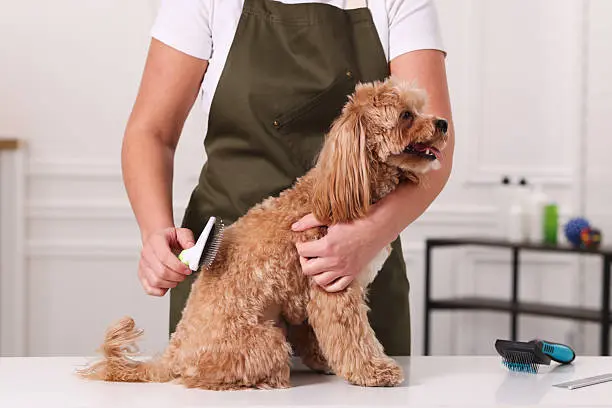
Knowing when your dog needs a bath helps maintain coat cleanliness and prevents overbathing. Dogs cannot tell us when they feel dirty, so recognizing signs like odor, visible dirt, or skin changes allows owners to adjust bathing frequency appropriately. A simple observation routine can keep your dog healthy and comfortable.
Odor and Dirt Accumulation
One of the easiest ways to tell if your dog needs a bath is by smell. A strong, unpleasant odor often indicates a build-up of oils, dirt, or sweat on the coat.
Signs to watch for:
- A musty or sour smell from the coat.
- Dirt or debris visibly stuck in the fur.
- Sticky or greasy feeling when you run your hands over the coat.
Regular brushing can reduce odor between baths, but when the smell is persistent, it’s time for a wash. For small breeds, spot cleaning might extend bathing frequency, while large dogs may need a full bath.
Presence of Fleas, Ticks, or Allergens
External parasites and allergens can make a dog uncomfortable and dirty quickly. Fleas, ticks, pollen, and dust may accumulate in the fur, especially if your dog spends a lot of time outdoors.
Tips:
- Check your dog regularly for fleas or ticks.
- Use a flea comb or pet wipes to clean areas between baths.
- If parasites or allergens are detected, a full bath helps remove irritants and maintain coat cleanliness.
Keeping up with a proper dog grooming routine helps prevent infestations from worsening and reduces skin irritation.
Skin and Coat Changes
Changes in your dog’s skin or coat can signal that a bath is needed. Look for:
- Redness, flaking, or dry patches.
- Matted fur or tangles forming easily.
- Excessive scratching or licking, which may indicate oil build-up or mild irritation.
Tips:
- Use a gentle, hypoallergenic shampoo if your dog has sensitive skin.
- Avoid overbathing, which can strip natural oils and worsen dry skin.
- Monitor areas like ears, paws, and underbelly, where dirt and moisture often accumulate.
Regular observation allows you to adjust bathing frequency based on your dog’s individual needs rather than a fixed schedule.
Additional Considerations
- Dogs with short coats may show signs of dirt more quickly than long-haired breeds.
- Outdoor dogs or highly active pets may need more frequent baths than indoor, low-activity dogs.
- Puppies may require less frequent baths to protect delicate skin, even if they get dirty.
By paying attention to odor, dirt, parasites, and skin changes, you can keep your dog comfortable and maintain a healthy dog grooming routine at home. Adjusting bathing frequency based on these signs ensures that your dog stays clean without overbathing.
Summary:
- Watch for odor, visible dirt, and greasy fur.
- Check for fleas, ticks, and environmental allergens.
- Observe skin and coat condition for dryness, matting, or irritation.
- Use these signs to fine-tune your bathing frequency for healthier, cleaner dogs.
Seasonal Considerations for Bathing
The bathing frequency of your dog can change with the seasons. Weather, temperature, and outdoor activity all affect how often a dog needs a bath. Adjusting your dog bath schedule according to the season helps maintain coat cleanliness and prevents dry skin or skin irritation throughout the year.
Summer Bathing Tips
Hot and humid weather often makes dogs dirtier and sweatier. Dogs may spend more time outdoors, increasing the likelihood of dirt, mud, and odors accumulating.
Tips for summer bathing:
- Bathe dogs more frequently if they get dirty or start to smell.
- Use lukewarm water to prevent overheating.
- Brush regularly to remove loose hair and dirt between baths.
- Clean paws and underbelly, where sweat and dirt tend to accumulate.
Summer baths help control odors and maintain a comfortable, clean coat for active dogs.
Winter Bathing Tips
Cold weather brings the risk of dry skin, so dogs generally require fewer baths. Overbathing in winter can strip natural oils, making skin flaky or irritated.
Tips for winter bathing:
- Extend the time between full baths, using spot cleaning for dirty paws or belly.
- Always use lukewarm water, never hot, to avoid drying out the skin.
- Dry your dog thoroughly after each bath to prevent chill.
- Incorporate moisturizing shampoos designed for sensitive or dry skin.
By limiting bath frequency in winter, you help protect your dog’s natural skin barrier while keeping the coat clean.
Adjusting for Seasonal Activities
Different activities during each season affect how often a bath is needed. For example, spring may bring pollen, mud, and allergens, while fall can introduce leaves and debris that stick to the coat.
Seasonal adjustments:
- Spring: Brush daily to remove allergens; bathe as needed to prevent irritation.
- Fall: Pay attention to sticky leaves or seeds trapped in the fur.
- Summer: Monitor dirt and sweat; increase bathing frequency if needed.
- Winter: Focus on hydration and gentle shampoos; reduce full baths.
Maintaining a flexible dog grooming routine based on seasonal changes ensures your dog stays clean, comfortable, and healthy year-round.
Summary:
- Bathing frequency varies with weather, activity, and seasonal dirt.
- Summer may require more frequent baths; winter fewer.
- Adjust routines for spring allergens and fall debris.
- Use proper water temperature, gentle shampoo, and brushing to protect skin and coat.
Safe Bathing Practices at Home
Bathing your dog at home can be simple and safe when you follow the right steps. Proper preparation and techniques protect your dog’s skin and coat, prevent stress, and ensure a clean, comfortable bath. Understanding safe practices helps maintain coat cleanliness, healthy skin, and a positive dog grooming routine.
Preparing Your Dog and Bath Area
Preparation is key to a smooth home bath. A calm environment reduces anxiety for your dog and makes the process easier for you.
Tips:
- Choose a quiet, comfortable area like a bathroom or laundry sink.
- Gather all supplies: dog shampoo, towels, brush, and a cup or sprayer for rinsing.
- Brush your dog’s coat before the bath to remove loose hair and tangles, making the bath more effective.
- Keep treats handy to reward calm behavior.
A well-prepared area ensures your dog stays relaxed and the bath goes smoothly.
Shampooing and Rinsing Techniques
Proper shampooing and rinsing prevent skin irritation and maintain a healthy coat. Avoid human shampoos, which can be too harsh for dogs.
Steps:
- Use lukewarm water to wet the coat thoroughly.
- Apply a dog-specific shampoo evenly, focusing on areas that get dirty most, such as paws, belly, and under the ears.
- Gently massage to clean the skin and coat, avoiding the eyes and inside the ears.
- Rinse thoroughly until the water runs clear to remove all shampoo residue.
Following these steps helps maintain your dog’s coat cleanliness and prevents dryness or irritation.
Drying and Post-Bath Grooming
Drying is as important as the bath itself. Leaving your dog damp can lead to odor, tangles, or skin irritation.
Tips:
- Use a soft towel to blot excess water gently. Avoid vigorous rubbing that can damage the coat.
- For long-haired or thick-coated dogs, consider a low-heat pet dryer, ensuring the undercoat is fully dry.
- Clean ears gently to prevent moisture buildup.
- Brush the coat after drying to remove loose hair and tangles.
Proper drying and post-bath grooming complete the dog grooming routine, making your pet comfortable and clean.
Additional Safety Tips
- Never leave your dog unattended in water.
- Avoid very hot or very cold water to protect sensitive skin.
- Bathe dogs on a regular schedule but avoid overbathing, which can strip natural oils.
- Observe your dog for signs of stress and adjust the routine as needed.
By combining preparation, proper shampooing, careful rinsing, and effective drying, you can safely bathe your dog at home while maintaining healthy skin and a clean coat.
Summary:
- Prepare a calm, safe environment before bathing.
- Brush, shampoo, rinse, and dry properly to prevent skin irritation.
- Use dog-specific products and maintain a regular bathing frequency.
- Incorporate ear cleaning and post-bath grooming into your dog grooming routine.
Regular bathing is important, but it’s also essential to ensure your dog’s overall health and nutrition support a healthy coat. Trusted veterinary resources, such as the VCA Animal Hospitals, provide detailed guidance on proper grooming, skin care, and hygiene routines. These tips complement your home bathing frequency, helping prevent skin irritation and maintain a shiny, healthy coat.
Frequently Asked Questions (FAQs)
Many dog owners have questions about bathing frequency. This FAQ section addresses common concerns about when and how to bathe dogs, helping you maintain a safe and effective dog grooming routine at home. Understanding these points keeps your dog comfortable, clean, and healthy.
Can I bathe my dog every week?
Weekly baths are usually unnecessary unless your dog gets very dirty or has a skin condition. Overbathing can strip natural oils, causing dry skin and skin irritation. For most adult dogs, a bath every 4–6 weeks is sufficient.
Tips:
- Monitor your dog’s coat for odor or dirt between baths.
- Use spot cleaning for minor messes instead of a full bath.
How do I know if my dog’s skin is dry or irritated?
Signs of dry or irritated skin include flaking, redness, itching, or excessive licking. Overbathing and harsh shampoos are common causes.
Tips:
- Use gentle, hypoallergenic shampoos.
- Adjust your bathing frequency to avoid stripping natural oils.
- Incorporate brushing and paw care into your routine to maintain coat cleanliness.
What’s the best way to bathe a nervous or anxious dog?
A calm environment and positive reinforcement are key. Break the bath into manageable steps and reward your dog with treats or praise.
Tips:
- Prepare the bath area beforehand.
- Use lukewarm water and a gentle touch.
- Keep sessions short if necessary and gradually increase comfort over time.
How do I choose the right shampoo for my dog?
Choose a shampoo suitable for your dog’s skin type and coat length. Hypoallergenic formulas are best for sensitive skin. Avoid human shampoos, which can cause irritation.
Tips:
- Consult your vet for dogs with skin conditions.
- Use shampoo sparingly; more is not better.
- Focus on areas that get dirty the most, like paws and underbelly.
Can seasonal changes affect how often I bathe my dog?
Yes. Hot weather can increase bathing frequency, while cold weather may require fewer baths to prevent dryness. Adjust your dog grooming routine based on temperature, activity level, and outdoor exposure.
Conclusion and Next Steps
Proper bathing frequency is essential for maintaining a clean, healthy coat and preventing skin issues. By observing your dog’s behavior, coat condition, and lifestyle, you can create a practical dog bath schedule that works year-round. Incorporate regular grooming routines to keep your dog comfortable and happy.
Summary of Key Points
- Adjust bathing frequency based on breed, coat type, age, health, and activity.
- Small breeds may need 4–8 weeks, large breeds 4–6 weeks.
- Monitor odor, dirt, skin changes, and seasonal factors.
- Use gentle shampoos and proper brushing to protect the coat.
Recommended Home Bathing Routine
- Prepare a calm bath area with all necessary supplies.
- Brush and detangle before bathing.
- Wash with lukewarm water and dog-safe shampoo.
- Rinse thoroughly and dry completely, brushing afterward.
- Spot clean between baths if needed.
Learn More About Dog Hygiene at Home
For a complete guide to maintaining your dog’s health and cleanliness, visit our pillar page:
Complete Guide to Dog Hygiene at Home
This page covers topics like daily cleaning, ear and paw care, nail trimming, and oral hygiene, providing a comprehensive approach to at-home dog care.
