

Grooming for Long Coats is often the most time-consuming part of at-home dog care, especially for breeds prone to tangles, mats, and trapped moisture. When long hair is not managed correctly, even clean dogs can experience skin irritation, odor, and discomfort. This guide explains Grooming for Long Coats in a clear, stress-free way, helping dog owners build a practical routine that protects coat health, prevents matting, and fits real daily schedules without feeling overwhelming.
Understanding Grooming for Long Coats and Coat Structure
Grooming for Long Coats starts with understanding how long hair behaves differently from short or medium coats. Long hair does not simply sit on the surface; it moves, overlaps, and traps debris against the skin. Without consistent care, knots can tighten into painful mats that restrict airflow and pull on the skin.
Long-coated dogs rely on regular grooming to stay comfortable. Brushing, detangling, and routine checks are not cosmetic extras—they are essential maintenance steps that support skin health and overall well-being.
What Makes Long Coats Different
Long coats vary widely in texture, thickness, and growth patterns. These differences affect how often and how carefully grooming should be done.
Single coat vs double coat long hair
Some long-haired breeds have a single coat that grows continuously, while others have a dense undercoat beneath longer guard hairs. Double-coated dogs tend to trap more loose hair and moisture, increasing the risk of matting if Grooming for Long Coats is inconsistent.
Growth cycles and shedding patterns
Long coats may shed gradually or experience seasonal coat changes. Loose hair that is not removed through brushing often tangles with healthy strands, creating knots close to the skin.
Why Long Coats Require Consistent Grooming
Skipping grooming sessions with long hair rarely ends well. Even a few missed days can lead to tangles that take far longer to remove later.
Tangles, mats, and skin airflow
Mats block airflow to the skin, creating warm, damp environments that encourage irritation and bacterial growth. Grooming for Long Coats helps keep the skin dry and comfortable.
Moisture and debris retention
Long hair easily traps water, dirt, and allergens. Without proper grooming, these elements remain against the skin long after outdoor activity or bathing.
Benefits of Proper Long Coat Dog Grooming
Consistent grooming delivers both visible and hidden benefits.
Comfort, hygiene, and coat longevity
Regular care keeps the coat soft, manageable, and free from painful pulling. Dogs move more comfortably when hair is not tugging at sensitive areas.
Early detection of skin and parasite issues
Hands-on grooming sessions allow owners to notice changes such as redness, bumps, or parasites early, when intervention is simpler.
Essential Tools for Grooming for Long Coats at Home
The success of Grooming for Long Coats depends heavily on using the right tools. Long hair requires equipment designed to separate strands gently without breaking hair or scraping skin.
Rather than buying every product available, focus on a small set of reliable tools that match your dog’s coat type and tolerance.
Core Dog Grooming Tools for Long Hair
These tools form the backbone of effective long coat maintenance.
Slicker brushes and pin brushes
Slicker brushes help remove loose hair and light tangles, while pin brushes are ideal for finishing and smoothing. Alternating between them prevents overuse of a single tool.
Wide-tooth combs and detanglers
Combs reach areas brushes may miss, especially near the skin. They are essential for checking whether knots are fully removed after brushing.
Tools That Prevent Damage and Breakage
Long hair is more prone to breakage if handled aggressively.
Dematting tools and coat sprays
Dematting tools should be used cautiously and only on small areas. Light conditioning sprays can reduce friction, making Grooming for Long Coats more comfortable.
When scissors are appropriate
Scissors should be reserved for extreme cases and used carefully to avoid cutting the skin. Many professionals recommend seeking help if mats are too tight.
Choosing Tools Based on Coat Density
Not all long coats respond the same way to grooming tools.
Fine vs thick long coats
Fine hair tangles easily and benefits from gentle brushing. Thick coats may require layered brushing techniques to reach the undercoat.
Straight vs wavy textures
Wavy or curly long coats often mat faster and need more frequent detangling. Grooming for Long Coats should always adapt to texture rather than breed labels.
Grooming for Long Coats: Brushing and Detangling the Right Way
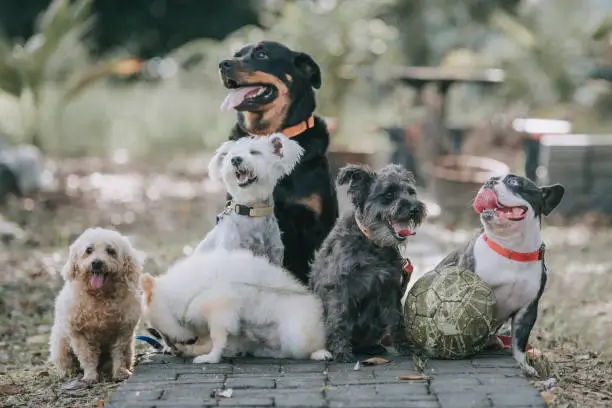
Brushing is the most important step in Grooming for Long Coats. Done correctly, it prevents mats, distributes natural oils, and keeps the coat manageable between baths.
Rushing this process or using excessive force often creates negative associations, making future grooming sessions harder.
Brushing Long-Haired Dogs Without Pain
Comfort should always guide technique.
Line brushing technique
Line brushing involves separating the coat into small sections and brushing from the skin outward. This method ensures tangles are removed thoroughly rather than pushed deeper.
Sectioning the coat correctly
Working in sections prevents missed knots and reduces pulling. Grooming for Long Coats is far more effective when approached methodically.
Mat Prevention for Dogs Before It Starts
Preventing mats is easier than removing them.
High-friction areas to monitor
Behind the ears, under the collar, armpits, and inner thighs are common trouble spots. These areas should be checked during every grooming session.
Early knot removal habits
Small tangles can often be loosened with fingers or a comb before they tighten. Addressing knots early saves time and discomfort later.
Building a Long Coat Grooming Routine
Consistency transforms grooming from a struggle into a habit.
Daily vs weekly brushing plans
Many long-haired dogs benefit from light daily brushing combined with deeper weekly sessions. Grooming for Long Coats works best when spread out rather than concentrated into long sessions.
Adjusting routines by activity level
Dogs that swim, hike, or play outdoors frequently may need more frequent checks. Indoor dogs often require less intensive maintenance.
For owners creating a complete at-home care system, combining these steps with a broader routine such as dog grooming at home basics can streamline grooming and reduce missed steps.
Practical Tips for Stress-Free Long Coat Grooming
- Always detangle before bathing
- Keep sessions calm and unhurried
- Use treats or breaks to maintain cooperation
- Stop if your dog shows signs of discomfort
Many professionals recommend treating Grooming for Long Coats as preventive care rather than emergency maintenance. If mats become severe or skin issues persist, consult a licensed veterinarian or certified groomer for professional support.
Bathing Long-Haired Dogs Without Causing Tangles
Bathing is one of the most misunderstood steps in Grooming for Long Coats. While water and shampoo are necessary for hygiene, improper bathing techniques can tighten existing tangles and turn small knots into painful mats. Long hair absorbs water easily, becomes heavier when wet, and tangles faster if not prepared correctly.
A smart bathing routine focuses on preparation, gentle handling, and proper drying. When done right, Grooming for Long Coats during bath time improves coat texture and skin comfort instead of creating more work later.
How Often Long Coats Should Be Bathed
Bathing frequency should never be based on appearance alone. Grooming for Long Coats works best when bathing schedules reflect lifestyle, coat type, and skin sensitivity.
Lifestyle and coat type factors
Dogs that spend time outdoors, swim frequently, or live in dusty environments may need more regular baths. Indoor dogs with consistent brushing routines often stay clean longer. In most cases, bathing every four to six weeks is sufficient for long coats.
Overbathing removes protective oils and increases dryness, which leads to more tangling. Many professionals recommend extending time between baths whenever brushing and spot cleaning can manage cleanliness.
Detangling Long Dog Hair Before and After Baths
Detangling is not optional when bathing long coats. Water tightens knots and makes them harder to remove later.
Why wet mats get worse
When mats become wet, hair strands swell and lock together. Shampoo and friction can cause these knots to compress even further. Grooming for Long Coats always starts with thorough brushing and detangling before any water touches the coat.
After bathing, gentle combing while the coat is damp—but not dripping—helps prevent new tangles from forming as the hair dries.
Grooming for Long Coats and Shedding Control
Shedding is a normal process, even for long-haired breeds. Grooming for Long Coats plays a major role in controlling where that loose hair ends up and how it affects skin health.
Without regular shedding management, loose hair stays trapped in the coat, increasing mat formation and reducing airflow to the skin.
Understanding Long Coat Shedding Cycles
Long coats shed differently than short coats. Loose hair often remains tangled instead of falling away.
Seasonal coat blow vs daily shedding
Some long-coated dogs experience seasonal shedding where undercoat hair releases in large amounts. Others shed lightly year-round. Grooming for Long Coats should adjust during these periods by increasing brushing frequency rather than bathing more often.
Recognizing shedding cycles helps owners respond proactively instead of reacting to sudden tangles or excessive hair buildup.
Long Coat Shedding Control at Home
Effective shedding control relies on technique rather than force.
Tool choice and brushing frequency
Using appropriate brushes and combs allows loose hair to be removed gradually. Brushing several times per week is often more effective than one long session. Grooming for Long Coats works best when shedding is managed consistently rather than aggressively.
If shedding seems excessive or patchy, many professionals recommend consulting a licensed veterinarian to rule out underlying health concerns.
Common Grooming Mistakes Long Coat Owners Make
Even dedicated owners can struggle with Grooming for Long Coats if common mistakes go unnoticed. These errors often lead to frustration, discomfort for the dog, and more time spent fixing avoidable problems.
Understanding what to avoid helps simplify routines and improves long-term results.
Skipping Brushing Between Baths
One of the most damaging habits is waiting until bath day to groom.
How mats form under clean coats
A freshly bathed coat may look clean on the surface while hiding tight mats underneath. Grooming for Long Coats requires regular brushing between baths to prevent knots from tightening unseen.
Brushing before and after baths is far more effective than relying on shampoo to “wash out” tangles.
Using the Wrong Tools or Techniques
Incorrect tools can damage both coat and skin.
Breakage and skin irritation risks
Using sharp or overly aggressive tools can snap hair and scrape sensitive skin. Long coats need tools designed to separate strands gently. Grooming for Long Coats should never rely on force to remove tangles.
Practical Takeaways
- Always brush and detangle before bathing
- Limit bath frequency to protect natural oils
- Increase brushing during shedding periods instead of bathing more
- Avoid tools that pull, cut, or scrape the skin
Many professionals recommend viewing Grooming for Long Coats as a balance between cleanliness and coat preservation. If tangling, shedding, or skin irritation continues despite careful routines, consulting a licensed groomer or veterinarian is the safest next step.
Grooming for Long Coats Across Different Life Stages
Grooming for Long Coats should never be static. As dogs grow from puppies into adults and eventually seniors, their coat behavior, skin condition, and tolerance for grooming all change. Long hair amplifies these changes, making it important to adjust techniques rather than forcing the same routine year after year.
By adapting Grooming for Long Coats to each life stage, owners can prevent stress, reduce discomfort, and maintain coat health without overworking the dog or themselves.
Puppies and Coat Training
Early grooming experiences strongly influence how a dog reacts to handling later in life. Long coats require early structure to prevent resistance and fear.
Building tolerance for brushing
Puppies should be introduced to brushing in very short sessions, often just one to two minutes. The goal is exposure, not results. Light strokes, calm voices, and frequent breaks help create positive associations.
During this stage, Grooming for Long Coats focuses more on routine than perfection. Allowing puppies to sniff tools and rewarding calm behavior builds trust that pays off long term.
Adult vs Senior Long Coat Grooming
As dogs mature, grooming routines should evolve to reflect physical changes.
Managing thinning skin and reduced mobility
Adult dogs typically tolerate longer grooming sessions and regular brushing schedules. Senior dogs, however, may develop sensitive skin, arthritis, or fatigue more quickly. Grooming for Long Coats at this stage should involve lighter pressure, seated or lying positions, and shorter sessions spread throughout the week.
Owners may also notice changes in coat density or texture in older dogs. Adjusting frequency and tool choice is often more effective than adding new products.
Long-Term Grooming for Long Coats Made Manageable
Long-term success with Grooming for Long Coats depends on simplicity and consistency. Complex routines are difficult to maintain, while clear habits create reliable results over time.
This section addresses common owner concerns and provides a practical checklist to keep grooming realistic and sustainable.
Frequently Asked Questions
How often should long-haired dogs be brushed?
Most long-haired dogs benefit from light brushing several times per week, with deeper sessions once or twice weekly. Grooming for Long Coats should be adjusted based on coat texture, activity level, and matting risk rather than a fixed schedule.
Should long coats be trimmed regularly?
Trimming is not always necessary, but strategic trimming around high-friction areas can reduce matting. Grooming for Long Coats often improves when trims are used preventively rather than reactively.
When is professional grooming necessary?
Professional grooming may be helpful for severe matting, coat reshaping, or when home grooming becomes stressful. Many professionals recommend combining at-home Grooming for Long Coats with occasional expert support.
Daily and Weekly Grooming Checklist
A simple checklist keeps Grooming for Long Coats from becoming overwhelming.
Daily detangling habits
- Quick check behind ears and under collars
- Light finger detangling of visible knots
- Visual skin inspection
Weekly deep grooming tasks
- Full brushing and comb-through
- Paw, ear, and nail checks
- Coat condition assessment
Using a checklist reduces skipped steps and prevents small issues from turning into major grooming problems.
Final Thoughts on Grooming for Long Coats
Grooming for Long Coats is not about achieving perfection, but about maintaining comfort, health, and consistency. When routines adapt to life stages, shedding cycles, and individual tolerance, long coat care becomes manageable rather than exhausting.
Many professionals recommend viewing Grooming for Long Coats as preventive care that protects both coat and skin. With the right habits, tools, and expectations, long-haired dogs can remain comfortable, healthy, and beautifully maintained at home. If grooming challenges persist despite consistent effort, consulting a licensed veterinarian or certified groomer is always a smart and responsible next step.
