Short play sessions are a lifeline for busy dog owners looking to provide their pets with sufficient physical activity, mental stimulation, and emotional well-being. Incorporating Exercise Quick Tips into daily routines ensures that dogs receive quality engagement without demanding hours of free time from their owners. These tips focus on efficient, short bursts of play that maximize benefits while keeping training enjoyable and stress-free. Whether you have a high-energy puppy or an adult dog with moderate activity needs, these practical strategies help you maintain a healthy, happy pet through structured, brief play sessions.
Benefits of Short Play Sessions
Understanding the benefits of short play sessions is crucial for making them a consistent part of your dog’s routine. These sessions are designed to provide physical exercise, mental engagement, and strengthen the bond between you and your dog.
Physical Health Benefits
Exercise Quick Tips focus on stimulating movement in short bursts that enhance cardiovascular health, build muscle tone, and maintain a healthy weight. Dogs that engage in regular short play sessions are less prone to obesity and related health problems.
Example: A 10-minute indoor fetch session, conducted twice a day, can help maintain optimal weight for small to medium-sized breeds, while larger breeds may benefit from short outdoor sprints combined with indoor tug-of-war.
Mental Stimulation
Short play sessions also provide essential mental engagement. Activities that require problem-solving, following commands, or navigating obstacle courses prevent boredom and destructive behavior.
Example: Incorporating a simple hide-and-seek game, where treats or favorite toys are hidden, encourages your dog to use its senses and intelligence, applying Exercise Quick Tips effectively.
Owner-Dog Bonding
Frequent short play sessions offer opportunities to strengthen the human-dog bond. Dogs enjoy attention and interaction, and owners can monitor behavioral progress while reinforcing obedience through play.
Example: Combining a recall game with verbal praise during a 5-minute session creates positive associations with training, exemplifying the power of Exercise Quick Tips.
Choosing the Right Activities
Selecting suitable activities ensures that Exercise Quick Tips are effective for your dog’s breed, size, and energy level. The goal is to maximize engagement in short periods.
Indoor Play Options
- Fetch: Use soft toys in hallways or open spaces.
- Tug-of-War: Engage energy in controlled play, promoting exercise and impulse control.
- Hide & Seek: Encourage problem-solving by hiding treats or toys.
- Mini Obstacle Course: Use household objects for jumping or weaving exercises.
Example: A 7-minute indoor fetch followed by a 3-minute tug session can simulate the benefits of a longer outdoor activity while adhering to Exercise Quick Tips principles.
Outdoor Play Options
- Short Runs or Sprints: Quick bursts of running in a yard or safe park area.
- Agility Drills: Simple jumps, tunnels, or cones for coordination.
- Scent Games: Hide treats in grass or safe outdoor spaces to stimulate smell.
Tip: Outdoor activities are ideal for dogs that require more energy expenditure, keeping sessions brief but high-value.
Tailoring Activities to Dog Size & Breed
- Small breeds: focus on short, frequent indoor activities to avoid overexertion.
- Large or high-energy breeds: combine short outdoor sprints with indoor mental challenges.
- Puppies: keep sessions playful and short to avoid stress on growing joints.
Example: A medium-sized breed may benefit from two 10-minute outdoor fetch sessions, while a small breed can thrive on multiple 5-minute indoor sessions, applying Exercise Quick Tips effectively.
Planning Short Play Sessions
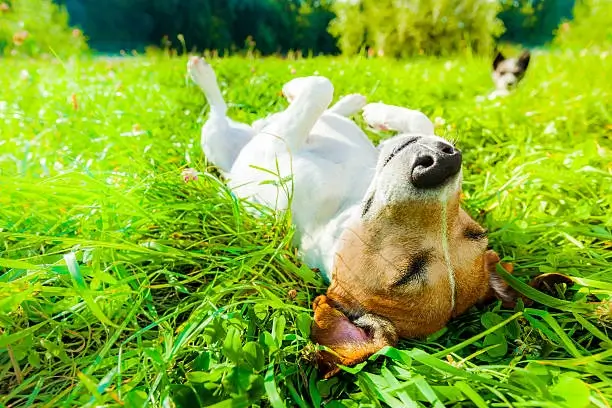
Effective planning ensures that each session is purposeful, safe, and productive, maximizing the benefits of Exercise Quick Tips.
Timing and Duration
- Keep sessions between 5–15 minutes, matching your dog’s attention span and energy level.
- Schedule 2–4 sessions per day depending on the dog’s age, breed, and health.
- Short but frequent sessions prevent fatigue and maintain engagement.
Example: A morning session before breakfast, a midday mental-stimulation session, and an evening recall or tug session provide a balanced routine.
Frequency Recommendations
- Puppies: 3–5 short sessions to expend energy without overworking.
- Adult dogs: 2–4 sessions based on activity needs.
- Senior dogs: 1–3 gentle sessions to maintain mobility without stress.
Tip: Consistency is key. Scheduling sessions at the same times each day helps dogs anticipate activity, making Exercise Quick Tips easier to implement.
Integrating with Daily Routines
Morning Integration
- Engage in a 5-minute fetch session before breakfast to kickstart metabolism.
- Use commands like “sit” or “stay” during play for mental stimulation.
Midday Integration
- Incorporate short scent games or hide-and-seek with toys.
- Ideal for busy owners who can spare a few minutes during breaks.
Evening Integration
- Wrap up the day with a recall or tug-of-war session.
- Reinforce obedience and release energy before bedtime.
For additional strategies on reducing stress and improving home behavior, see dog barking at home.
Implementing Exercise Quick Tips Efficiently
Efficient implementation is the key to ensuring that your dog gains maximum benefit from Exercise Quick Tips. Short play sessions can become part of your daily routine without overwhelming your schedule. By combining physical exercise, mental stimulation, and training reinforcement, busy owners can maintain a healthy, happy, and well-behaved dog.
Using Play to Reinforce Training
- Incorporate obedience commands into play sessions.
- Combine recall, sit, stay, and leave-it commands with toys or fetch games.
- Reward successful command execution with treats, praise, or brief play rewards.
Example: During a 10-minute indoor fetch, ask your dog to “sit” before throwing the toy and “come” when retrieving. This reinforces training while keeping the session fun, aligning with Exercise Quick Tips principles.
Combining Mental & Physical Exercise
- Introduce puzzle toys or scent games to stimulate your dog’s mind.
- Alternate physical activity with mental challenges to prevent boredom.
- Short mental exercises improve focus and obedience during play sessions.
Example: After a 5-minute sprint, present a treat-dispensing puzzle for 3–5 minutes. This combination applies Exercise Quick Tips by balancing mental and physical exertion.
Mini-Case Study
- A busy office worker schedules three 10-minute Exercise Quick Tips sessions daily:
- Morning indoor tug-of-war with obedience commands.
- Midday outdoor fetch in a fenced yard.
- Evening recall and puzzle game session.
- Result: Dog displays improved obedience, reduced destructive behavior, and maintains healthy weight.
Common Challenges and Solutions
Even with the best Exercise Quick Tips, challenges can arise. Identifying obstacles and applying practical solutions keeps sessions productive and stress-free.
Lack of Time
- Integrate play into daily routines instead of dedicating large blocks.
- Use “micro-sessions” of 5 minutes during breaks, before meals, or after walks.
- Pre-plan toys and activities to save setup time.
Example: A 5-minute hallway fetch session before leaving for work ensures your dog expends energy and stays content while you’re away.
Distractions or Hyperactivity
- Start in quiet areas and gradually increase distractions.
- Use high-value rewards to maintain attention.
- Break tasks into shorter, manageable segments.
Example: If your dog gets distracted during outdoor play, reduce the area size, call their attention with a treat, and resume Exercise Quick Tips in focused bursts.
Safety Concerns
- Inspect play areas for hazards (sharp objects, slippery floors).
- Select age- and size-appropriate toys to prevent injury.
- Avoid overexertion, especially in hot weather or for senior dogs.
Example: For high-energy dogs, short sprints on grass are safer than concrete surfaces, aligning with Exercise Quick Tips for injury prevention.
Tracking Progress and Adjusting
Monitoring your dog’s progress ensures Exercise Quick Tips remain effective and adaptable to changing needs.
Monitoring Physical & Mental Health
- Track weight, muscle tone, and overall fitness.
- Observe behavior, focus, and engagement during play sessions.
- Note improvements or areas needing adjustment.
Example: A dog that previously ignored puzzle toys may show increased interest after several sessions, demonstrating the mental stimulation benefits of Exercise Quick Tips.
Adjusting Intensity and Duration
- Increase session difficulty gradually as your dog’s fitness improves.
- Reduce intensity or duration if signs of fatigue, stress, or disinterest appear.
- Rotate activities to prevent monotony and keep dogs motivated.
Example: Move from simple indoor fetch to outdoor obstacle games for high-energy breeds, applying Exercise Quick Tips while challenging both body and mind.
Multi-Dog Household Tips
- Alternate sessions to provide individual attention and prevent competition.
- Maintain consistent commands for all dogs to reduce confusion.
- Schedule brief play sessions for each dog while others are engaged separately.
Example: During a 15-minute outdoor session, one dog participates in recall games while the others are occupied with a puzzle toy indoors. Rotate dogs to ensure everyone benefits from Exercise Quick Tips.
Integrating Short Sessions into Daily Life
- Pair play with routine activities: before leaving home, after meals, or during breaks.
- Maintain flexibility: some sessions may be indoors, others outdoors, adapting to weather and schedule.
- Use high-value rewards selectively to reinforce focus and engagement.
Mini Case: A dog owner combines a 5-minute tug-of-war before breakfast, 5 minutes of scent games at lunch, and a 10-minute outdoor sprint after work. This structured, short approach illustrates practical Exercise Quick Tips for busy lifestyles.
Advanced Exercise Strategies for Busy Owners
Once short play sessions are part of your routine, advanced strategies help maximize benefits and maintain engagement. Applying Exercise Quick Tips strategically ensures that each session targets both physical and mental development while keeping dogs motivated and happy.
Combining Short Sessions with Life Integration
- Incorporate exercise into daily life: play before meals, during walks, or prior to leaving home.
- Use short sessions as an opportunity to reinforce commands and structure.
- Pair mental challenges with physical activity to keep dogs attentive.
Example: Before heading out for work, spend 5 minutes practicing recall and tug-of-war. This prepares the dog for calm behavior while alone, illustrating practical Exercise Quick Tips.
Chaining Activities for Maximum Benefit
- Combine multiple exercises in one session: fetch → scent game → tug-of-war.
- Use sequence-based play to reinforce training, obedience, and stamina.
- Reward completion of the full chain to enhance motivation.
Example: Begin with a 3-minute fetch, transition to a 3-minute puzzle toy game, and finish with a 4-minute tug-of-war. This approach applies Exercise Quick Tips while challenging both mind and body.
Using Rewards Effectively
- Alternate between treats, toys, and verbal praise to maintain interest.
- Avoid overusing treats to prevent distraction or overfeeding.
- Reinforce desired behaviors immediately for maximum effectiveness.
Tip: A high-value treat can be reserved for a complex chain of exercises to maintain focus and reward effort, demonstrating proper use of Exercise Quick Tips.
Maintaining Long-Term Engagement

Sustaining interest over months or years requires careful planning and variety. Long-term engagement ensures dogs remain healthy, happy, and well-behaved.
Keeping Dogs Motivated
- Rotate activities to prevent monotony.
- Introduce new toys, games, or environments periodically.
- Monitor energy levels to adjust intensity for continued interest.
Example: Switch between indoor fetch, outdoor sprinting, and scent games weekly. Applying Exercise Quick Tips variety keeps dogs eager to participate.
Troubleshooting Behavioral Issues
- Address hyperactivity, disinterest, or overstimulation by adjusting session length or difficulty.
- Use calming cues, structured commands, and positive reinforcement.
- Consult a professional if persistent behavioral issues arise.
Example: If a dog loses interest midway through a session, shorten the activity or introduce a favorite toy to re-engage. This ensures Exercise Quick Tips remain effective.
Frequently Asked Questions
How often should short play sessions occur each day?
2–4 sessions daily, 5–15 minutes each, based on age and energy.
Can puppies participate in short play sessions?
Yes, 3–5 mini-sessions per day, ensuring not to overstrain growing joints.
What if my dog is easily distracted?
Start in quiet areas, use high-value rewards, and gradually introduce distractions.
How do I handle multi-dog households?
Rotate sessions to provide individual attention, maintain consistent commands, and monitor interactions.
Are treats necessary for motivation?
Not always; toys, praise, and life rewards work well in combination with Exercise Quick Tips.
How can I track progress?
Maintain a log of activities, note improvements in obedience, stamina, and engagement.
What adjustments are needed for senior dogs?
Reduce intensity, focus on gentle mental stimulation and low-impact activities.
How do I integrate training commands into play?
Incorporate “sit,” “stay,” “come,” and “leave it” into short bursts of fetch or tug-of-war.
Daily Checklist for Exercise Quick Tips
| Time | Activity | Notes / Quick Tips |
|---|---|---|
| Morning | 5–10 min fetch or tug session | Focus on obedience and engagement |
| Midday | 5 min puzzle or scent game | Mental stimulation |
| Afternoon | 5–10 min outdoor sprint or play | Combine physical and mental exercise |
| Evening | Wrap-up mini session | Review commands, reinforce positive behavior |
Life Integration Tips
- Pair exercises with routine activities: before leaving home, after meals, or before bed.
- Short, structured sessions prevent hyperactivity and reinforce good behavior.
- Adjust based on weather, space, and energy level for optimal engagement.
Example: Use 5 minutes of tug-of-war in the morning, a short scent game at lunch, and an evening recall session. This daily routine demonstrates Exercise Quick Tips applied efficiently.
Find More Dog Care Guides
Continue exploring practical guides related to this topic.