

Creating DIY dog toys allows dog owners to provide daily enrichment without relying on commercial products or specialized tools. Many dogs benefit from chewing, sniffing, and problem-solving activities, yet not all households have access to store-bought toys. By using simple materials such as cloth, cardboard, and silicone cups, owners can build safe, engaging objects that support natural behaviors. These homemade options help reduce boredom, encourage independent play, and fit into normal routines. Throughout this guide, you will learn how to create practical toys, how to rotate them, and how to choose materials based on safety and chewing style. The goal is to make enrichment realistic, affordable, and easy to maintain at home.
Why DIY Dog Toys Matter for Daily Enrichment
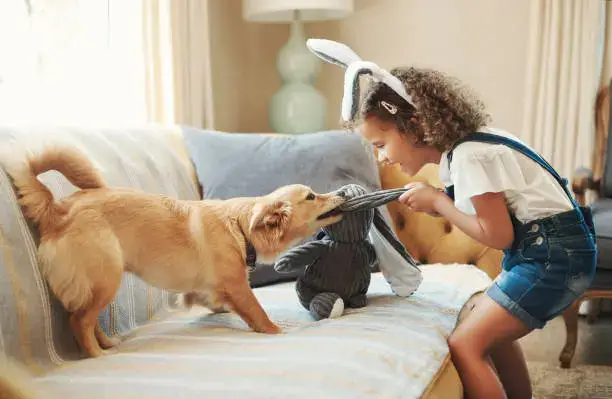
Enrichment is a basic need for dogs, not a bonus feature. Dogs need activities that activate their senses, engage their brains, and allow safe chewing and exploration. DIY Dog Toys make enrichment easier to maintain at home because they use everyday materials and do not require special tools.
Enrichment Meets Natural Instincts
Dogs explore with their noses, mouths, and paws. When these needs are ignored, many dogs become restless indoors.
Common signs of unmet needs include:
- Chewing furniture or shoes
- Barking at minor sounds
- Pacing around the house
- Interrupting family members for attention
Enrichment tasks offer mental stimulation, which helps redirect energy into structured activities. Simple tasks can include:
- Sniffing for hidden treats
- Unwrapping food inside a towel
- Shredding paper under supervision
- Soft chewing with fabric braids
These activities provide a healthy “job” that satisfies instincts. Even a short activity can support calmer behavior afterward.
Indoor options are useful on days when outdoor time is limited. Owners can rotate indoor dog enrichment ideas during hot weather, heavy rain, or busy schedules.
Why Homemade Solutions Work Well
Homemade enrichment works well because it is:
- Adaptable
- Inexpensive
- Easy to replace
- Easy to adjust in difficulty
Many household materials are suitable for basic enrichment:
- Cardboard tubes
- Paper bags
- Old towels
- Muffin trays
- Fleece strips
- Clean plastic bottles
Owners can match materials to their dog’s style. For example:
- Soft fabrics for gentle dogs
- Cardboard for shredding needs
- Containers for scent work
Difficulty can be changed by:
- Folding more layers
- Using smaller treats
- Tightening fabric
- Adding multiple compartments
This flexibility supports confidence and reduces frustration. Because materials are cheap, owners can recycle worn items and make new ones. This helps maintain consistent boredom relief without extra cost.
Routine Makes Enrichment More Effective
Enrichment works best when it becomes predictable. A routine tells the dog when activities will happen and when it is time to rest. A canine enrichment routine does not need to be long or complex.
Example daily rhythm:
- Morning: treat scatter for sniffing
- Afternoon: cardboard shredding task
- Evening: simple towel puzzle
- Night: light scent search or calm lick activity
Benefits of routine include:
- Fewer stress behaviors
- Easier settling
- Better sleep
- Lower demand for attention
- Improved focus during training
DIY activities also encourage healthy interaction between owner and dog. Guiding a dog through a puzzle or playing gentle tug builds communication and trust.
Choosing Safe Materials for Homemade Dog Toys
Safety is the first priority when making DIY Dog Toys at home. Dogs interact with objects using their teeth, paws, and noses, so materials must be sturdy enough for play but also safe if chewed or torn. Proper material selection reduces choking risks, supports healthy chewing behavior, and allows owners to offer frequent enrichment without unnecessary hazards. With the right choices, DIY Dog Toys can become a reliable part of daily indoor enrichment.
Safe Household Materials for DIY Projects
Many common items can be repurposed into simple DIY Dog Toys. The safest options are non-toxic, flexible, and unlikely to splinter. These materials work well for puzzles, scent activities, and mild chewing tasks.
Safe examples include:
- Fleece fabric or cotton towels
- Cardboard tubes and paper egg cartons
- Paper bags without coatings
- Braided fabric strips
- Silicone muffin trays for treat games
Natural fabrics are useful because they hold scent and provide gentle resistance for light tugging or soft chewing. Cardboard supports controlled shredding, which satisfies natural instincts without sharp fragments. Paper-based materials tear into dull pieces and are easy to replace when worn out.
When preparing materials for DIY Dog Toys, always remove:
- Staples
- Plastic clips
- Rubber bands
- Loose strings longer than 3 inches
Small hardware items and threads can get caught in teeth or be swallowed, so a quick check before assembly improves safety and durability.
Materials That Require Active Supervision
Some materials are not unsafe by default but should only be used when an owner is present. They can still be part of engaging DIY Dog Toys, but supervision helps manage fraying, tearing, and small parts.
Examples include:
- Plastic bottles with caps removed
- Rope toys
- Knitted socks
- Felt fabric
- Tennis balls for heavy chewers
- Cardboard pieces for strong shredders
Plastic bottles create a rewarding crinkle sound, but caps and rings must be removed to reduce choking risks. Rope toys and socks can fray over time; small fibers may be swallowed, so they are better suited for tug or fetch rather than independent chewing sessions. Tennis balls may be peeled by enthusiastic chewers; if the outer layer begins separating, replace the ball.
Supervision allows owners to interrupt swallowing attempts or replace worn materials before they become hazards. This balanced approach lets dogs enjoy a wider variety of DIY Dog Toys without compromising safety.
Materials That Should Be Avoided Entirely
Some materials pose predictable risks and should not be used for DIY Dog Toys. They may splinter, contain chemicals, or break into pieces that are too small.
Avoid using:
- Hard plastics that splinter
- Batteries or electronics
- Treated or painted wood
- Objects with foam stuffing
- Sharp metal or springs
- Glitter, foil, or plastic wrap
- Small objects under 1.5 inches
Electronics and batteries contain toxic components. Hard plastics can create sharp edges. Foam stuffing encourages ingestion, which increases blockage risks. Items treated for human use, such as perfumed fabrics or painted wood, may contain chemicals unsuitable for chewing.
A quick rule of thumb for screening materials:
- Can it splinter?
- Can it be swallowed in chunks?
- Does it contain chemicals or coatings?
If any answer is yes, it should not be used for DIY Dog Toys.
By selecting safe materials, supervising moderate-risk items, and avoiding hazardous components, dog owners can create DIY Dog Toys that support enrichment and healthy chewing while keeping safety at the center of home play.
Safety Considerations When Making Toys at Home
Owners often focus on fun and creativity, but safety should always come first when making DIY dog toys. A safe toy helps prevent accidents, reduces vet visits due to swallowed objects, and keeps playtime enriching rather than stressful. This section breaks down how to choose safe materials, how to evaluate risks, and how to monitor your dog during play.
Understanding Risk Factors During Play
Different dogs interact with toys in different ways. Some shred, some chew slowly, and some shake toys repeatedly. These patterns affect how safe DIY dog toys are in daily use.
Common risk factors include:
- Aggressive chewing behavior that breaks toys apart
- Small components that become a choking hazard
- Materials that splinter or produce sharp edges
- Loose textile fibers that may be swallowed
- Items that hold moisture and grow bacteria over time
Size also matters. Toys that are too small for a large breed can be swallowed whole, while bulky toys may strain the jaw of a small breed. When evaluating homemade dog enrichment toys, consider both durability and size-appropriate design.
Owners should also consider teething phases. Puppies explore with their mouths and are more likely to ingest stuffing or rope fibers. Adults may test durability more aggressively. Knowing your dog’s age and oral health helps you choose safer formats.
Selecting Safe, Non-Toxic Materials
Material selection is one of the most important steps in building DIY dog toys. Not all household materials are dog-safe, and some common crafting supplies should be avoided.
Safer material ideas:
- Clean cotton towels without frayed threads
- Old denim jeans (durable and low-risk for splinters)
- Food-grade silicone molds for frozen treats
- Natural rubber items designed for heavy chewing
- Smooth, knot-free ropes made for pets
Avoid materials such as:
- Ribbon, yarn, and thin string (risk of intestinal blockage)
- Plastic bottles with sharp edges after chewing
- Stuffing with loose foam beads
- Treated wood or paint-coated surfaces
- Toxic adhesives or craft glues
Whenever possible, rinse homemade materials before assembling. Dogs smell and lick their toys, so residues from detergent or chemicals can cause stomach upset. Choosing safe materials for dogs ensures that DIY dog toys remain enriching rather than hazardous.
Supervising Use and Retiring Toys on Time
Even well-designed DIY dog toys require supervision. No toy lasts forever, and the risk increases as damage accumulates.
Best supervision habits:
- Inspect toys daily for tears, splinters, or exposed stuffing
- Remove loose strings or knots before they are swallowed
- Rotate toys to reduce wear and bacterial buildup
- Freeze or wash textile toys to manage odor and hygiene
Retire toys when they:
- Lose structural integrity
- Shrink due to chewing and become swallowable
- Collect deep bite marks that trap moisture
- Release fibers or stuffing during play
Supervision also builds enrichment value. When owners observe how DIY dog toys hold up during sessions, they learn which designs are durable, which materials fail quickly, and which formats suit their dog’s chewing behavior most safely.
Choosing the Right Materials for Different Chewing Styles
Dogs interact with toys in different ways depending on breed, age, size, and preference. Understanding chewing styles helps owners choose appropriate materials when making DIY dog toys, preventing early breakage and reducing safety risks. This section explains the most common chewing categories and how to select suitable materials for each.
Identifying Chewing Categories in Dogs
Observation during play reveals how a dog handles toys. Most dogs fit into three broad groups:
- Shredders
Dogs that rip fabric apart quickly. They target seams, edges, and weak points. Shredding behavior often appears in terriers and working breeds that enjoy tearing motions. - Heavy Chewers
These dogs compress toys with strong jaw strength. They leave deep bite marks on rubber or wood and may break brittle materials. Many bully breeds and large sporting breeds fall into this category. - Gentle Chewers
They carry toys in their mouth, nibble lightly, and rarely tear stuffing. Many companion breeds behave this way, especially when not teething.
Puppies should be considered separately because developmental teething affects chewing patterns. During teething phases, dogs test textures, pressure, and fabric density to soothe gums.
Understanding these patterns ensures DIY dog toys match how the dog interacts during daily enrichment.
Material Recommendations for Each Chewing Style
Once the chewing category is clear, material selection becomes easier. Below are safe, practical suggestions for dog enrichment toys made at home:
For Shredders:
- Denim from old jeans (high fabric density, harder to tear)
- Cotton towels cut into long strips
- Jute rope (natural fibers, less fraying than yarn)
Avoid plush fabric or low-density knits because stuffing leaks quickly when torn.
For Heavy Chewers:
- Natural rubber remnants (non-toxic, abrasion-resistant)
- Thick fire hose sleeves (durable and water-resistant)
- Silicone mold treat toys (compression-friendly)
Avoid plastic containers or PVC due to splintering and chemical concerns.
For Gentle Chewers:
- Fleece fabric (soft and flexible)
- Cotton socks tied into knots
- Light rope braids
These materials offer texture without demanding high abrasion resistance.
Natural fibers remain ideal for all categories because they lack harmful coatings and resist shredding better than synthetic yarn.
Matching Materials to Size, Jaw Strength, and Age
Breed size and jaw strength influence what materials make sense in DIY dog toys. A toy safe for a Chihuahua may be swallowed by a Labrador, while dense rubber toys may fatigue a small dog’s jaw.
Key considerations include:
- Size: Always scale toys beyond the dog’s mouth width
- Density: Increase density for heavy chewers, decrease for teething or gentle dogs
- Stuffing: Avoid foam beads or brittle plastics; consider fabric-only designs for shredders
- Supervision: Replace frayed ropes or exposed stuffing immediately
Teething puppies benefit from soft cloth knots they can freeze. Adults with strong jaws benefit from abrasion-resistant materials that maintain structure during chewing.
By matching materials to the dog’s chewing profile, owners increase durability, reduce safety incidents, and extend the functional life of DIY dog toys.
Simple DIY Dog Toys Made from Household Items
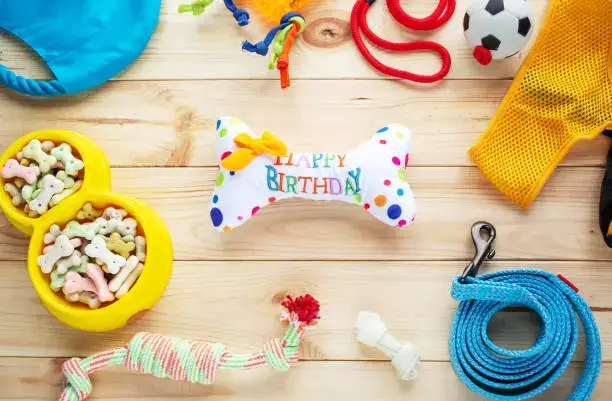
Many dog owners believe that enrichment requires expensive supplies, but practical DIY dog toys can be made with common household items. The goal is not to craft perfect-looking products but to create safe objects that offer variety in texture, shape, and interaction. Before making anything at home, owners should inspect materials for safety, remove small detachable pieces, and supervise early use to observe behavior patterns.
Using Cloth and Fabric Items for Tug and Chew Play
Fabric-based DIY dog toys are some of the easiest to create because cloth is flexible, washable, and gentle on teeth. Old cotton shirts, fleece blankets, and denim work well for braiding or knotting.
Simple fabric toy ideas include:
- Knot Tug Rope: Cut three equal strips, tie a tight overhand knot on both ends, and leave no loose threads.
- Braided Denim Tug: Braid three denim strips into a thick rope. Denim provides higher durability for light shredders.
- Sock Knot: Take a clean cotton sock, twist it, and tie a firm knot in the middle. This has softer compression for teething.
For shredders, avoid plush fabrics with loose stuffing because they may tear quickly. For gentle chewers, fleece creates a soft texture that encourages carrying and light chewing. These household dog toys are also washable, making them simpler to maintain during long-term enrichment.
Owners should periodically check braids for fraying and retire items when threads become loose. While fabric toys support light to moderate chewing, they may not withstand heavy-jaw dogs for extended sessions. Still, these DIY dog toys provide easy variety with minimal cost or effort.
Using Cardboard and Paper Materials for Sniffing and Problem-Solving
Cardboard and paper are suitable for mental games because they make gentle noise and encourage digging motions. However, they are not intended for extended chewing sessions and should always be used with supervision.
Examples include:
- Toilet Paper Roll Treat Tube: Fold one end, insert kibble, fold the other end lightly.
- Egg Carton Puzzle: Place kibble in cups, close the lid, and let the dog sniff and open compartments.
- Shredding Box: Fill a shallow box with crumpled paper for scent-based foraging.
Paper-based DIY dog toys support natural behaviors such as sniffing, shredding, and searching. Puppies often enjoy tearing cardboard because it satisfies curiosity and builds confidence. However, owners must remove wet cardboard after use and prevent ingestion of large chunks.
Cardboard enrichment does not replace durable chew items but complements them. The combination of sound, motion, and scent makes these household solutions effective for short, supervised sessions.
Frozen and Treat-Based Items for Longer Engagement
Household containers, silicone molds, or ice cube trays can transform into frozen DIY dog toys for longer-lasting engagement. Freezing changes texture and requires the dog to lick slowly, which supports calm behavior.
Ideas include:
- Frozen Sock Chew: Wet a cotton sock, twist, freeze, and offer to teething puppies for gum relief.
- Ice Tray Treat Cubes: Freeze low-sodium broth with small food pieces.
- Stuffed Freezer Containers: Use food-grade silicone cups for frozen mash or peanut butter.
Frozen enrichment is especially helpful on warm days or for dogs with strong oral drives. Always avoid plastic containers that may crack under pressure. Silicone molds and metal trays are safer options because they resist splintering.
These homemade dog toys offer diversity in temperature, texture, and activity level. With proper supervision, frozen items make excellent additions to a rotating enrichment routine using DIY dog toys.
Interactive Treat-Based Toys for Mental Stimulation
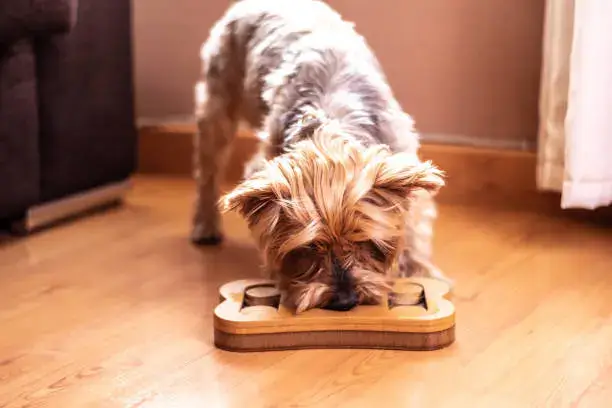
Mental stimulation is as important as physical exercise. Treat-based DIY dog toys encourage dogs to sniff, manipulate objects, and explore different strategies to access food. These activities develop problem-solving skills and build frustration tolerance, which reduces unwanted behaviors caused by boredom.
Creating Simple Treat Dispensers from Recycled Items
Treat-dispensing toys turn ordinary objects into interactive dog toys. Recycled materials such as cardboard tubes or silicone cups can encourage scent work and gentle manipulation.
Examples include:
- Bottle Spinner: A clean plastic bottle threaded through a dowel so the dog must spin it to release treats.
- Treat Tube: Holes punched in a cardboard tube to allow kibble to fall out during rolling.
- Cup Flip: Silicone baking cups placed upside down on a tray with treats underneath.
These puzzle dog toys promote slow feeding and concentration. Treat access should be moderate so dogs remain engaged without becoming frustrated. Owners should monitor difficulty levels and adjust hole sizes or treat hardness as needed.
Treat-based DIY dog toys must be durable enough to withstand tapping, pawing, and light chewing. Owners should remove sharp edges and check bottles frequently if used for spinning.
Foraging and Sniffing Games that Encourage Independent Work
Independent sniffing encourages dogs to explore with their nose instead of relying on owner direction. Foraging also increases pacing and confidence.
Common foraging game formats include:
- Scatter Feeding: Sprinkling kibble in grass or on textured surfaces.
- Towel Roll-Up: Rolling treats inside a towel and letting the dog unroll it.
- Cup and Tray Game: Hiding food under multiple cups and letting the dog find it.
Foraging games work well for anxious dogs because they involve low-impact movement and licking behavior. They suit both indoor and outdoor environments, and require minimal setup.
These styles of DIY dog toys focus on exploration instead of chewing, making them suitable for seniors or dogs with dental concerns. Foraging also pairs well with regular puzzle feeders as part of a weekly enrichment plan.
Frozen and Lick-Based Toys for Calming Sessions
Lick-based enrichment promotes slow, focused activity. Activities that involve licking can reduce arousal and encourage resting afterward.
Options include:
- Lick Mats: Homemade versions can be made by spreading soft food on textured silicone surfaces.
- Frozen Broth Licks: Low-sodium broth frozen in shallow trays.
- Peanut Butter Cups: Small silicone cups filled with soft food and frozen.
These toys encourage sustained engagement and minimize noise. They also work well for crate rest or weather-restricted days. Owners should ensure fillings are nutritionally appropriate and avoid harmful ingredients.
Treat-focused DIY dog toys of this type build delayed gratification and support mental engagement. They also integrate well with broader enrichment routines involving tug games, chew sessions, and outdoor exploration.
Rotating DIY Dog Toys for Consistent Engagement
Giving a dog many toys at once may sound helpful, but it usually reduces interest. Dogs respond to novelty and change, especially in enrichment-based play. A rotation approach allows DIY dog toys to stay interesting over longer periods, without requiring new builds every week.
Why Rotation Extends the Lifespan of Toys
When a dog receives the same toy daily, the sensory value fades. Dogs become accustomed to texture, scent, and shape, so interaction decreases. Creating a small collection of DIY dog toys made from different materials gives variety during rotation.
Rotation benefits include:
- Increasing interest through novelty
- Reducing wear and tear
- Allowing time for cleaning and drying
- Supporting multiple play styles across the week
Owners can categorize toys by function, such as tug, chew, scent, puzzle, or lick-based. This functional variety helps avoid overuse of a single enrichment form.
Building a Simple Rotation Schedule at Home
A rotation schedule does not need to be complex. Many dogs benefit when toys change every two to three days. A simple weekly plan might look like:
- Monday–Tuesday: Tug toys and fabric braids
- Wednesday–Thursday: Cardboard puzzles and foraging games
- Friday–Saturday: Frozen enrichment and lick-based toys
- Sunday: Rest day or outdoor scent-based enrichment
This weekly structure keeps DIY dog toys feeling new while reducing clutter. If a dog shows strong interest in a particular puzzle type, owners can repeat it in multiple weeks while maintaining variety.
Rotation also supports behavior management. Some toys excite dogs (tugs and fast puzzles), while others promote calm behavior (lick mats and frozen items). Matching activity level to the day makes dog enrichment toys more effective as boredom busters.
Inspecting and Maintaining Toys Between Rotations
After each rotation period, owners should inspect toys before storing them. Rotation gives time to identify fraying, moisture buildup, or structural wear that may create hazards later.
Inspection steps include:
- Checking fabric for tears and loose threads
- Removing worn knots or weakened braids
- Washing cloth-based toys to remove odor and bacteria
- Drying frozen items before refreezing
- Cleaning silicone surfaces to prevent residue
Retire toys that show significant damage or missing components. This maintenance keeps DIY dog toys safe and functional across many weeks. Owners can store clean toys in a labeled box to simplify future rotations.
With thoughtful rotation, dogs stay engaged, enrichment remains consistent, and household routines become easier to manage using DIY dog toys as structured activities.
Frequently Asked Questions (FAQs)
Q1. Are DIY dog toys safe for all dogs?
They are safe when built from appropriate materials and used with supervision. Owners should avoid toxic substances and small detachable pieces. Dogs with strong shredding tendencies need more durable options.
Q2. What materials should I avoid when making DIY toys?
Avoid ribbon, yarn, foam beads, brittle plastics, and treated wood. These items may splinter or cause blockage if swallowed.
Q3. How long do DIY dog toys usually last?
Durability depends on chewing behavior and material selection. Fabric-based toys may last days to weeks, while silicone molds and rubber objects last longer with proper inspection.
Q4. Can puppies use DIY toys during teething?
Yes, if the toys are soft, sized correctly, and free of stuffing. Freezing cloth knots helps soothe gums and encourages gentle chewing behavior.
Q5. How do I clean toys made from fabric?
Most cloth-based toys can be washed with mild detergent and dried thoroughly. Avoid strong fragrances or chemical additives.
Q6. Should I supervise my dog when using cardboard puzzles?
Supervision is recommended. Dogs may shred cardboard, which is safe in small amounts but should not be swallowed in large chunks.
Q7. Are treat-based DIY dog toys good for mental work?
Yes, interactive dog toys that involve foraging or scent work provide enrichment and help reduce boredom-driven behaviors.
Q8. How many toys should I rotate each week?
Three to six items are enough for most dogs. The goal is novelty, not quantity. Rotating DIY dog toys every few days maintains engagement.
Q9. Can I freeze food in homemade containers?
Only if using food-grade silicone or metal. Avoid freezing brittle plastic that may crack under pressure.
Q10. Do DIY toys replace walks or outdoor exercise?
No, they complement physical exercise. DIY dog toys add indoor enrichment but do not replace movement, training, or environmental exploration.
Conclusion

DIY dog toys offer affordable and practical ways to combine chewing behavior, scent work, and foraging into daily routines. When owners select safe materials, introduce multiple play formats, and rotate items weekly, dogs receive ongoing enrichment without relying on commercial equipment.
Treat-based puzzles support problem-solving, while fabric tugs assist with physical play. Frozen lick sessions help create calm behavior during indoor downtime. This mix allows DIY dog toys to support long-term enrichment without overwhelming the dog. Simple adjustments to difficulty prevent frustration and keep activities fulfilling.
Owners should observe chewing behavior, inspect materials regularly, and adjust designs based on durability. Small improvements in structure, texture, and scent turn DIY dog toys into effective tools for mental work and confidence building at home.
For an external source on safe toy guidelines, see the American Kennel Club’s safety guidance here:
AKC – Dog Toy Safety Basics
To explore more enrichment options beyond DIY designs, visit the PetCareCompass pillar page on toys and enrichment tools for dogs:
Complete Guide to Toys and Enrichment Tools at Home for Dogs
Across structured use, rotation, and observation, DIY dog toys support balanced enrichment and help dogs stay engaged, confident, and mentally active.
