

Crate training is one of the most effective strategies to help dogs feel secure, calm, and well-adjusted in their home environment. By using Crate Training Tips thoughtfully, owners can significantly reduce anxiety, prevent destructive behavior, and establish routines that support a dog’s emotional and physical well-being. This guide provides beginner to intermediate dog owners with practical, proven, and stress-free methods for introducing a crate, reinforcing positive behaviors, and gradually helping dogs develop independence. Implementing these strategies ensures that crate training becomes a positive, rewarding experience for both you and your dog while enhancing your bond and creating a harmonious home environment.
Understanding Crate Training and Its Benefits
To use Crate Training Tips effectively, it’s essential to understand the purpose and advantages of a crate. A crate should be a safe, comfortable space—not a place of punishment. When properly introduced, crates offer security, reduce anxiety, and provide a consistent environment that dogs can rely on.
Why Dogs Benefit from Crates
Crates offer several key benefits:
- Security: Dogs naturally seek dens or enclosed spaces where they feel safe. A crate simulates this natural instinct.
- Calm environment: During stressful situations such as thunderstorms, fireworks, or visitors, a crate can help your dog feel protected.
- Routine reinforcement: Crates provide structure for meals, potty breaks, and rest, which is especially helpful for puppies and newly adopted dogs.
Example: A puppy struggling with separation anxiety may initially cry when left alone. Introducing a crate with comfort items and gradual training can teach the puppy that being alone is safe, reducing stress over time.
Common Misconceptions About Crates
Many owners hesitate to use crates because of misconceptions:
- Punishment myth: A crate is not meant for punishment. Using a crate as a timeout for misbehavior can create fear.
- Confinement concerns: Short, positive crate sessions enhance security, while long, unsupervised confinement can cause stress.
- Boredom: Dogs enjoy resting in a crate when it’s associated with positive experiences, toys, and treats.
Tip: Always introduce the crate gradually, allowing your dog to explore and become comfortable on their own terms.
Behavioral Advantages of Crate Training
Beyond security, crate training offers behavioral benefits:
- House training aid: Dogs instinctively avoid soiling their sleeping area, which helps with potty training.
- Reduces destructive behavior: Keeping a dog in a safe crate when unsupervised prevents chewing furniture or household items.
- Confidence building: A crate becomes a predictable environment where your dog feels in control, reducing stress and anxiety.
Many professionals recommend crate training as part of a broader behavior management plan. If issues persist, consulting a licensed trainer can provide tailored solutions.
Choosing the Right Crate
Selecting the correct crate is fundamental for successful Crate Training Tips. The crate must be appropriately sized, comfortable, and durable. A crate that is too small can cause discomfort, while one that is too large may encourage elimination inside.
Crate Sizes and Types
Different crates suit different needs:
- Wire crates: Highly durable and ventilated, suitable for most dogs. Often collapsible for portability.
- Plastic crates: Enclosed and cozy, often used for travel. Provides a den-like environment.
- Soft-sided crates: Lightweight and portable, ideal for calm dogs or short-term use.
Tip: Ensure the crate allows your dog to stand, turn, and lie down comfortably.
Comfort Considerations
To make a crate inviting:
- Bedding: Use a soft mat or blanket to provide comfort. Wash regularly.
- Placement: Avoid areas with drafts or direct sunlight. A quiet corner often works best.
- Ventilation: Ensure airflow is adequate to maintain comfort and safety.
Safety and Durability
Safety should never be compromised:
- Sturdy construction: Ensure no sharp edges or parts that can trap paws or noses.
- Escape-proof design: Check locks, latches, and doors.
- Proper maintenance: Replace worn-out crates or damaged parts promptly.
Example: Some puppies chew the crate door if it is flimsy; investing in a solid wire crate can prevent accidents and injuries.
Introducing Your Dog to the Crate
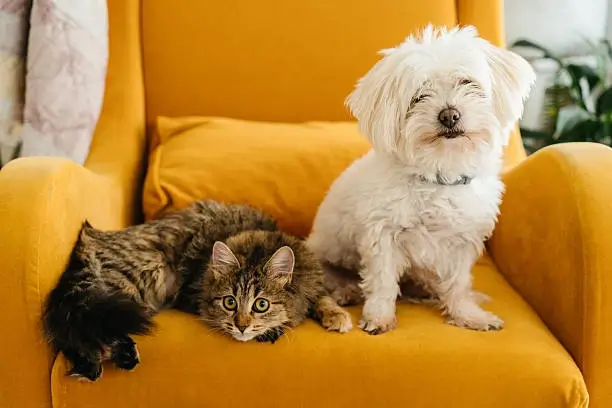
A proper introduction is key to applying Crate Training Tips successfully. Gradual exposure and positive associations help your dog accept the crate as a safe space rather than a restriction.
Step-by-Step Crate Introduction
Follow these steps:
- Allow free exploration: Place the crate in a familiar area and let your dog investigate at their own pace.
- Use treats: Encourage entry by placing treats inside. Praise and reward every small step.
- Short initial sessions: Begin with a few minutes, gradually extending the time spent inside.
- Keep it positive: Avoid forcing the dog in; patience builds trust.
Using Positive Reinforcement
Reward calm and relaxed behavior inside the crate:
- Treats and praise: Give a treat each time your dog voluntarily enters the crate.
- Toys: A favorite chew toy can create a positive association.
- Verbal cues: Use consistent phrases like “crate time” or “go to your den.”
Tip: Avoid using the crate for punishment; this can create fear and resistance.
Signs of Anxiety and How to Respond
Monitor your dog for anxiety signals:
- Whining, barking, or pacing
- Scratching at the door or attempting to escape
- Panting or drooling excessively
Strategies to reduce anxiety:
- Reduce initial crate time and gradually increase
- Use calming aids such as pheromone sprays or soft background music
- Consult a professional if severe anxiety persists
Example: A puppy that whines for the first five minutes in a crate may simply need shorter initial sessions with high-value treats and gentle praise.
Crate Training Tips for Multi-Dog Households
- Separate crates: Ensure each dog has their own space to prevent stress or resource guarding.
- Individual introduction: Introduce crates one dog at a time to avoid overwhelming them.
- Monitor interactions: Supervise initial crate use to ensure harmony.
Crate Training Tips for Puppies
- Start with very short sessions, a few minutes at a time.
- Use crate as part of potty schedule to encourage house training.
- Never leave very young puppies in the crate for more than a couple of hours at a time.
For additional behavior management guidance, see Dog Barking at Home.
Crate Training for Housebreaking
One of the most practical applications of Crate Training Tips is housebreaking. Dogs have a natural instinct to avoid soiling their sleeping area, which makes Crate Training Tips a highly effective tool for potty training. When used consistently, a crate can help your dog develop healthy bathroom habits while reducing accidents in the home. By following Crate Training Tips, you create a structured and stress-free environment that encourages your dog to learn proper elimination habits. Many professionals recommend combining Crate Training Tips with positive reinforcement to maximize success and reduce anxiety during training.
Establishing a Potty Schedule
Creating a structured potty schedule is essential for success and is a key part of Crate Training Tips:
- Morning routine: Take your dog outside first thing in the morning after waking up.
- Regular intervals: Puppies generally need a bathroom break every 2–3 hours, while adult dogs can wait 4–6 hours.
- After meals and playtime: Immediately take your dog outside after eating, drinking, or playing.
- Consistent locations: Take your dog to the same spot each time to reinforce the association with elimination.
Example: A 3-month-old puppy might require trips outside at 7 AM, 10 AM, 1 PM, 4 PM, 7 PM, and right before bedtime. Pair each successful potty with praise or a treat to strengthen the behavior, following Crate Training Tips for consistency and reliability.
Rewarding Successful Bathroom Breaks
Positive reinforcement is critical when implementing Crate Training Tips:
- Immediate rewards: Offer a treat or enthusiastic praise as soon as your dog eliminates outside.
- Verbal cues: Use a consistent command like “Go potty” to help your dog associate the behavior with the word.
- Avoid punishment: Never scold accidents inside the home; this can create fear and anxiety around bathroom habits.
Tip: Keep a potty log for the first few weeks to track progress and spot patterns that may require adjustments. Using Crate Training Tips ensures that your dog learns in a calm, structured, and encouraging environment.
Managing Separation Anxiety
Crate training is a powerful tool to help dogs cope with separation anxiety. When your dog views the crate as a safe space, it reduces stress when left alone and prevents destructive behavior. Properly implemented Crate Training Tips emphasize short, positive sessions that gradually increase alone time.
Short Absence Practice
To build comfort with being alone:
- Start small: Leave the room for a few seconds while your dog is in the crate.
- Gradually extend time: Increase the duration in 1–2 minute increments as your dog remains calm.
- Observe behavior: Watch for signs of stress such as whining, scratching, or excessive pacing.
Example: Begin with five-second absences and gradually build to 30–60 minutes over a week or two. Reward calm behavior immediately upon return.
Calming Techniques and Rewards
Creating a positive association with crate time helps reduce anxiety:
- Toys and chews: A favorite toy or safe chew can distract and comfort your dog.
- Comfort items: Soft bedding or a shirt with your scent may ease separation anxiety.
- Verbal praise: Gentle encouragement and calm tones reinforce security and calm behavior.
Tip: Avoid releasing your dog from the crate during anxious behavior; wait until they are calm to exit.
Example: If your dog chews a toy quietly for 10 minutes while in the crate, immediately praise and reward this calm behavior.
Using Crate Training to Prevent Destructive Behavior
Separation anxiety can manifest as chewing, scratching, or other destructive actions. A crate provides a secure environment that protects your dog and household items.
Step-by-Step Strategy:
- Remove temptations: Ensure the crate area is free of items the dog should not chew.
- Provide enrichment: Include puzzle toys, long-lasting chews, or stuffed Kongs to keep the dog occupied.
- Consistent scheduling: Crate your dog during absences, gradually increasing the duration as confidence builds.
Example: A dog that tends to chew shoes can be crated with a stuffed Kong while the owner is at work, preventing damage while reinforcing calm behavior.
Integrating Crate Training into Daily Routines

For long-term success, Crate Training Tips should become part of your dog’s daily routine. A structured schedule reduces anxiety, promotes consistency, and strengthens desired behaviors.
Crate During Meals and Rest
Crate time can be naturally incorporated:
- Meal times: Encourage your dog to remain in the crate while eating to establish a calm, routine environment.
- Rest periods: Schedule short nap times in the crate, teaching your dog to enjoy the crate as a quiet space.
- Positive reinforcement: Reward calm behavior inside the crate during these periods to solidify a positive association.
Example: Feeding your dog inside the crate during lunch ensures the dog associates the crate with comfort and routine.
Evening and Overnight Crate Use
Consistent nighttime routines help dogs feel secure:
- Predictable bedtime: Place your dog in the crate at the same time each night.
- Comfortable environment: Ensure soft bedding, moderate lighting, and gentle background noise.
- Avoid late-night disruptions: Only take your dog out for essential bathroom breaks to reinforce the sleeping routine.
Tip: Avoid letting your dog out of the crate for attention during whining or barking, as this can reinforce anxious behavior.
Monitoring and Adjusting Routine
Observing your dog’s reactions helps fine-tune crate training:
- Track stress signals: Whining, scratching, or panting may indicate the crate duration is too long.
- Adjust reward types: Rotate treats, toys, and verbal praise to maintain engagement and interest.
- Incremental changes: Increase crate duration or adjust times slowly to avoid stress.
Example: If your dog is calm for 20 minutes but becomes restless after 25, maintain 20 minutes for several days before gradually extending.
Crate Training During Travel
- Use a portable crate that is comfortable and familiar.
- Introduce short car rides with the crate to associate it with safety.
- Always secure the crate in the vehicle to prevent movement or accidents.
Example: A dog used to a home crate can adjust faster to hotel or travel crates when familiar bedding is included.
Crate Training for Multi-Dog Homes
- Provide separate crates for each dog to prevent competition or stress.
- Introduce crate training individually before allowing simultaneous crate sessions.
- Observe body language to ensure comfort and prevent aggression.
Tip: Even confident dogs benefit from their own quiet space, especially during mealtime or nap periods.
Incorporating Training Games
- Hide treats inside the crate to encourage exploration and positive association.
- Play calm, crate-based games that reward patience and focus.
- Use these games as mental enrichment while reinforcing crate acceptance.
Advanced Crate Training Tips
Once your dog is comfortable with basic crate use, advanced Crate Training Tips can help extend crate time, reinforce positive behavior, and integrate the crate into more complex routines. These strategies focus on independence, confidence, and managing longer periods of absence.
Extending Crate Time Gradually
Gradual extension is key to prevent anxiety:
- Incremental increases: Start by adding 5–10 minutes to the crate duration each day.
- Observe behavior: Monitor for signs of stress such as whining, pacing, or destructive behavior.
- Reward calmness: Treat or praise your dog immediately after a successful, calm crate session.
Example: A dog comfortable for 30 minutes may gradually increase to 60 minutes over a week, building tolerance and confidence.
Using Crates for Training Tricks or Tasks
Crates can be integrated into broader training:
- Task-based reward: Ask your dog to go into the crate after completing a trick or obedience exercise.
- Positive reinforcement: Use treats, toys, and praise for compliance and calm behavior.
- Mental stimulation: Crate-based games or training exercises help prevent boredom.
Example: Teach your dog to fetch a toy, return to the crate, and drop it inside for a reward. This reinforces both obedience and crate acceptance.
Tip: Keep sessions short and positive to avoid creating stress.
Maintaining a Stress-Free Crate Routine

Consistency is crucial for long-term success. A predictable, structured crate routine reduces anxiety, supports housebreaking, and reinforces positive behavior.
Daily Crate Checklist
To maintain a healthy routine:
- Morning: Let your dog out for a potty break, then crate for a short period while you prepare for the day.
- Midday: Use crate time for rest, short naps, or quiet play. Reward calm behavior.
- Evening: Crate before meals or play sessions to reinforce routine.
- Night: Consistent bedtime in the crate with comfortable bedding and a calm environment.
- Rewards and reinforcement: Provide treats, praise, or chew toys to create positive associations.
Example: A typical day for a puppy might include 15–20 minute crate intervals in the morning, two 30-minute sessions during midday, and overnight crate sleep with a brief potty break.
Monitoring and Adjusting Routine
Evaluate your dog’s behavior to maintain a stress-free routine:
- Watch for anxiety: Whining, scratching, or excessive panting may indicate adjustments are needed.
- Adjust crate duration: Gradually increase or decrease based on comfort and progress.
- Rotate rewards: Vary treats and toys to maintain engagement.
Example: If your dog consistently remains calm for 40 minutes but shows signs of stress at 50 minutes, maintain the 40-minute interval for a few days before extending.
Common FAQ About Crate Training
How long should crate sessions last for puppies vs adults?
- Puppies: Short sessions (10–30 minutes) with frequent breaks. Avoid leaving very young puppies for more than 2 hours.
- Adults: Can gradually tolerate longer periods (up to 4–6 hours), depending on comfort and training.
Can crates be used for dogs with severe anxiety?
- Yes, but start with very short sessions, positive reinforcement, and gradual exposure. Consult a professional if anxiety is extreme.
What signs indicate a dog is uncomfortable with the crate?
- Whining, barking, pacing, scratching, drooling, or panting. Adjust the routine and use calm encouragement.
How do I make crate time fun and rewarding?
- Use favorite toys, treats, and verbal praise. Incorporate short training exercises or games that end in the crate.
What should I do if my dog resists the crate?
- Never force entry. Take a step back, shorten sessions, and gradually rebuild positive associations using rewards.
Crate Training for Travel and Temporary Stays
- Introduce your dog to travel crates slowly using familiar bedding.
- Use short car trips to build positive associations.
- Maintain routine as closely as possible when away from home.
Example: Bringing a favorite toy and blanket from home can help a dog adjust quickly to a hotel or friend’s house.
Enrichment and Mental Stimulation in the Crate
- Use puzzle toys, treat-dispensing toys, or Kongs to keep your dog engaged.
- Rotate toys to prevent boredom.
- Incorporate brief training sessions to reinforce obedience skills.
Example: A Kong stuffed with peanut butter can occupy a dog for 20–30 minutes while reinforcing positive crate associations.
Multi-Dog Households
- Provide separate crates for each dog to avoid competition or stress.
- Introduce crates individually before combining routines.
- Monitor interactions carefully during crate sessions to ensure safety and comfort.
Example: Each dog having a private crate prevents resource guarding and reduces anxiety in multi-dog homes.
