

Many dog owners are surprised at how quickly winter temperatures can affect their pets, especially smaller breeds and those with short coats. Cold Weather Protection helps dogs stay comfortable, safe, and relaxed when temperatures drop. In this guide, we’ll explain how cold affects different breeds, how to prepare indoors and outdoors, and what winter gear actually matters. Everything is beginner-friendly and based on practical routines that don’t require expensive tools or professional training. Dogs can enjoy winter safely, as long as owners understand the basics of exposure limits, body language, and simple warming strategies. With the right winter setup, most dogs can continue their normal walks, play sessions, and bathroom breaks without stress. The goal is consistent, realistic care that keeps both dog and owner confident through the cold months.
Understanding Cold Weather Protection for Dogs (What Affects Safety in Winter)
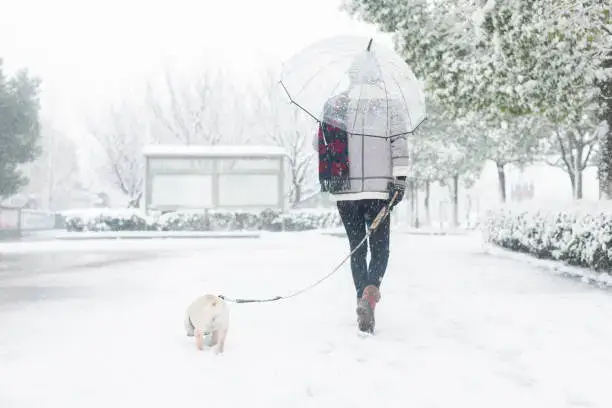
Cold temperatures affect dogs in different ways, depending on breed, coat type, and daily routines. Owners need to recognize how exposure, moisture, and wind change a dog’s comfort level outdoors. This section explains how breed traits interact with seasonal weather, how outdoor conditions increase risk, and why winter is more than just “cold air.” This forms the foundation for effective Cold Weather Protection at home and during walks.
How cold affects different dog breeds
Not all dogs handle winter the same way. Nordic breeds like Huskies and Malamutes have built-in insulation, thick double coats, and excellent thermal regulation. Short-haired breeds, seniors, and puppies lose body heat quicker, so they need stronger Cold Weather Protection routines at home and outdoors.
Small dogs and low-body-mass breeds get cold faster because they lose heat through surface area. For example, a Chihuahua may begin shivering within minutes at freezing temperatures, while a Samoyed may feel comfortable. Real-life tip: If your dog stops walking or tries to curl up during a cold walk, they may need a break indoors for warmth and recovery.
Why outdoor conditions matter for dogs in winter
Outdoor discomfort isn’t just about temperature — wind chill, moisture, and snow exposure matter too. Wet fur loses insulation, and strong wind pulls heat away from the body faster. These factors increase the need for Cold Weather Protection, especially during long walks or playtime in backyards.
Some scenarios that increase cold impact include:
- Damp or wet fur from snow or rain
- Strong winds reducing body heat
- Long periods of stillness during walks
- Standing on frozen ground or icy surfaces
Breeds with short hair or no undercoat have less natural insulation, so their exposure times must be shorter. A senior Beagle walking on icy sidewalks in windy weather will cool down faster compared to a fluffy Keeshond on the same route.
Seasonal changes and common winter risk factors
Seasonal transitions often catch owners off guard. Early winter mornings and late evenings can feel sharply colder due to humidity and reduced sunlight. Good Cold Weather Protection includes adjusting walking schedules, monitoring outdoor surfaces, and reducing time spent in freezing environments.
Common winter factors that affect dogs include:
- Reduced sunlight and colder mornings
- Frozen or wet ground surfaces
- Exposure to rain, sleet, or snow
- Sudden temperature drops after sunset
Practical example: Switching evening walks to late afternoons helps dogs avoid the coldest part of the day. This minor adjustment supports better thermal regulation and comfort without changing the overall routine.
Summary:
Understanding breed traits, outdoor weather factors, and seasonal changes helps owners choose the right Cold Weather Protection methods. With this foundation, dog owners can confidently prepare indoor adjustments, exposure limits, and proper winter gear as temperatures continue to drop.
Indoor Cold Weather Protection Strategies (Keeping Dogs Warm at Home)
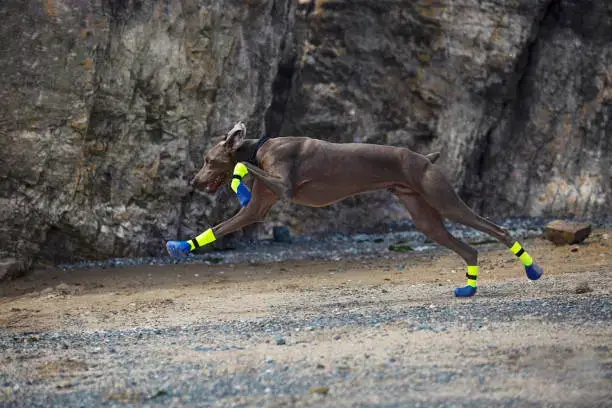
Indoor routines matter as much as outdoor gear because most dogs spend the majority of winter inside. Good Cold Weather Protection at home focuses on warmth, comfort, and healthy daily habits. Small adjustments to temperature, resting spots, and hydration make a meaningful difference for dogs of all ages. This section explains how to manage indoor temperature, create warm resting zones, and support hydration and nutrition during cold months.
Adjusting indoor temperature safely for dogs
Indoor temperatures can fluctuate more than owners realize. Drafts under doors, unheated rooms, and cold flooring all affect how dogs feel. A reasonable household temperature supports Cold Weather Protection by reducing heat loss and improving comfort without overheating the dog.
Good practices include:
- Keeping the main living space at a stable temperature
- Blocking drafts under doors or windows
- Closing off unused cold rooms
- Providing warmer flooring options in sleeping areas
For owners searching “safe temperature for dogs in winter”, most healthy pets do well at the same indoor temperatures people prefer. Example: A senior Dachshund may rest comfortably in a living room at 20–22°C while using soft bedding for extra insulation.
Some dogs benefit from layered warmth, such as sweaters indoors. However, overheating is possible, so clothing should be checked regularly. These steps support Cold Weather Protection without relying on constant high heating.
Creating warm resting zones for better comfort
Warm resting zones are simple but powerful for Cold Weather Protection. Hard floors can drain heat from a dog’s body, especially tile or concrete. Raising the dog off the ground and adding insulation prevents constant heat loss.
Helpful ideas include:
- Soft beds with raised edges to trap warmth
- Blankets or mats placed away from drafts
- Elevated beds to reduce heat transfer
- Designated rest spots in warm rooms
These ideas are beginner-friendly and require no expensive equipment. Dogs naturally seek warm spaces, so owners can observe sleeping behavior to learn preferences. For example, a French Bulldog may move closer to sunny windows during mornings or choose couch cushions over the floor.
Owners searching for “indoor winter care for dogs” often underestimate flooring effects. Even a basic folded blanket can noticeably improve warmth and supports ongoing Cold Weather Protection throughout the season.
Hydration and nutrition considerations during cold months
Dogs may drink less water during winter because cooler air reduces thirst cues. However, hydration is essential for healthy metabolism, digestion, and thermal regulation. A hydrated dog maintains body heat more efficiently, especially when paired with proper Cold Weather Protection indoors and outdoors.
Helpful steps:
- Offer fresh water in multiple household locations
- Warm the water slightly to encourage drinking
- Add moisture through wet food when appropriate
Some dogs may require minor calorie adjustments in winter due to increased energy expenditure. For instance, active breeds that play outdoors in snow may burn more calories maintaining heat. Owners interested in winter nutrition for dogs can talk with trainers or vets about adjustments that fit their dog’s lifestyle.
Indoor hydration and balanced food routines contribute to sustainable Cold Weather Protection by supporting the dog’s natural body heat retention. Healthy indoor habits ensure that dogs stay warm, energized, and comfortable even when outdoor temperatures are extremely low.
Outdoor Cold Weather Protection & Safe Exposure Time (How Long Dogs Can Stay Outside)
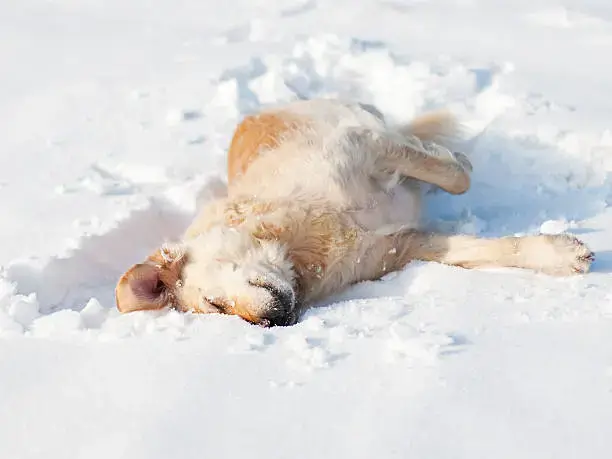
Outdoor environments change rapidly in winter. Wind, moisture, and snow exposure can make safe conditions turn uncomfortable within minutes. Effective Cold Weather Protection outside includes monitoring exposure time, watching behavior signals, and warming the dog properly after returning indoors. This section focuses on temperature ranges, dog body language, and safe post-outdoor routines for winter months.
Exposure limits by temperature and conditions
Different temperatures require different limits for safe outdoor time. For owners wondering “how long can dogs stay outside in cold,” the answer depends on breed, coat, wind chill, and activity level. Thick-coated breeds tolerate cold longer, while short-haired dogs cool down quickly.
General outdoor factors to consider:
- Wind chill lowering outdoor comfort
- Snow exposure soaking the coat
- Activity level during walks or playtime
- Duration standing still vs moving
Example scenario: A Border Collie playing fetch in light snow may be comfortable for 25–30 minutes, while a short-haired Whippet may prefer 10–15 minutes in the same conditions. Adjustments like jackets or booties provide additional Cold Weather Protection when needed.
Monitoring dog body language during cold exposure
Dogs provide clear signals when they are getting too cold. Owners searching “do dogs get cold outside” often learn that shivering isn’t the only sign. Subtle changes in posture or behavior appear first and help prevent discomfort.
Watch for signs such as:
- Shivering or trembling
- Lifting paws off the ground
- Tucked tail or hunched posture
- Slowing down or refusing to walk
If a dog begins lifting paws repeatedly on icy ground, the owner should shorten the walk and head home. Observing these signals supports responsive Cold Weather Protection outdoors without waiting for more intense reactions.
Post-outdoor warm-up routines for winter days
After outdoor exposure, a warm-up routine helps stabilize body temperature. This step matters on snowy days because moisture reduces insulation. Effective Cold Weather Protection doesn’t end when the dog reaches the door — it continues until the coat is dry and the dog is resting comfortably.
Example warm-up actions:
- Drying paws, belly, and legs with a towel
- Checking paw pads for snow or ice buildup
- Providing a warm resting spot after walks
For owners who walk near salted sidewalks, rinsing paws prevents irritation from de-icing chemicals. After drying, dogs may settle naturally in a warm spot and regain heat gradually. These simple routines enhance outdoor Cold Weather Protection and reduce winter discomfort for all breeds.
Essential Gear for Cold Weather Protection (Coats, Layers, and Waterproofing)
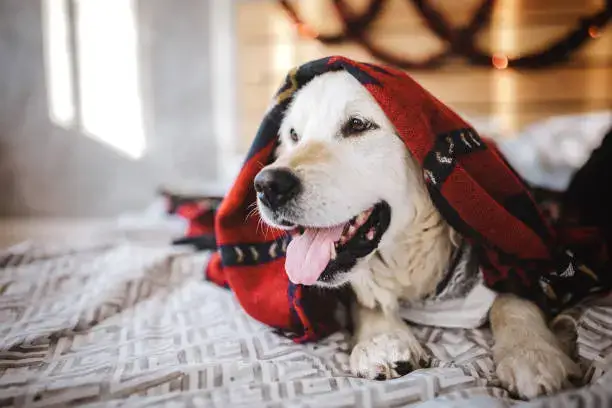
Some dogs benefit from extra gear during winter walks. The goal of Cold Weather Protection outdoors is to reduce heat loss, keep the coat dry, and limit exposure to cold surfaces. Gear helps short-haired breeds, seniors, puppies, and dogs with low body fat stay comfortable without restricting movement. This section explains coatings, waterproof shells, and material choices that improve warmth during cold months.
Coats, sweaters, and insulating layers for winter warmth
Coats and sweaters add insulation for dogs that struggle with cold. Short-coated breeds like Greyhounds or Boston Terriers benefit from this type of Cold Weather Protection because they lack a thick undercoat. The ideal coat covers the chest and belly while allowing natural motion.
Good insulating gear includes:
- Sweaters for dry, mild cold days
- Insulated coats for freezing temperatures
- Double-layered garments for windy conditions
Example: A senior Pug wearing a fleece-lined coat can enjoy a short winter walk without shivering. Owners searching for the best winter gear for dogs often choose items with warm inner linings to support consistent Cold Weather Protection during daily outings.
When indoors, layers may not be necessary unless flooring is cold. Always remove damp or wet coats quickly since moisture negates insulation and weakens Cold Weather Protection.
Waterproof outer shells for rain and snow
Waterproof materials protect the dog’s coat from rain and snow exposure. Wet fur loses body heat faster, so staying dry is an important part of Cold Weather Protection. This applies to all breeds, including those with thick coats.
Useful waterproof features include:
- Sealed seams to block moisture
- Adjustable straps for proper fit
- Chest coverage to protect vital areas
- Lightweight construction for mobility
Waterproof shells work well during slushy weather or snowfall because they prevent moisture from soaking into the fur. For example, a Labrador wearing a waterproof outer shell will retain warmth longer during wet snow compared to going without gear. This moisture control enhances total Cold Weather Protection and reduces post-walk warm-up time.
Choosing materials that support thermal regulation
Material choice influences warmth, comfort, and mobility. Fabrics used for Cold Weather Protection should insulate without overheating. For beginners, understanding materials helps avoid buying unnecessary or ineffective gear.
Common winter material categories:
- Fleece: warm and comfortable for dry cold days
- Waterproof nylon: protects against rain and snow
- Moisture-wicking linings: reduce dampness near skin
- Insulating padding: increases heat retention
Owners can test comfort by checking if the dog moves freely, breathes easily, and stays dry after a walk. A coat that traps moisture inside may interfere with thermal regulation and weaken Cold Weather Protection instead of improving it. Simple checks ensure the dog stays warm and comfortable throughout winter walks.
Paw and Skin Care During Winter (Protecting Surfaces & Sensitive Areas)
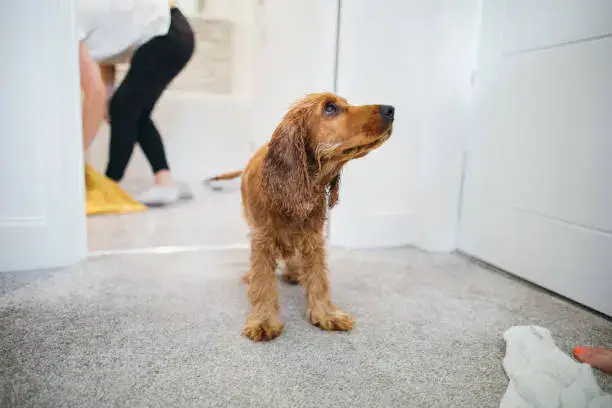
Winter conditions affect more than just body temperature — paws and skin take direct contact with snow, ice, and rough surfaces. Proper Cold Weather Protection includes paw care routines, cleaning after exposure, and using products that shield sensitive areas from irritation. This section explains risks to paw pads, cleaning steps after snow, and simple protective solutions.
Risks to paw pads in cold conditions
Cold ground surfaces draw heat from the paws and may cause discomfort. Ice, rough sidewalks, and snow exposure increase paw sensitivity. Without Cold Weather Protection, repeated exposure can reduce willingness to walk and shorten outdoor time.
Common winter paw stressors include:
- Ice buildup between paw pads
- Sharp frozen surfaces
- Salt or de-icing chemicals
- Wet snow reducing insulation
For example, a Beagle may begin lifting paws after walking on icy pavement for a few minutes, signaling discomfort. Monitoring these early signs makes Cold Weather Protection more responsive and supportive to the dog’s needs.
Cleaning routines after snow and sidewalk exposure
Post-walk cleaning prevents irritation and keeps indoor spaces dry. Snow and de-icing chemicals may cling to paws and fur, so simple cleaning steps help maintain healthy paws and uphold effective Cold Weather Protection.
Useful cleaning steps:
- Wipe paws, belly, and legs with a dry towel
- Remove snow or ice between the toes
- Rinse paws if exposed to salted sidewalks
- Dry thoroughly before resting indoors
Owners who walk near salted areas should treat rinsing as part of their routine. Once dry, dogs settle more quickly, and the overall Cold Weather Protection process continues indoors with warm resting spaces.
Protective balms and booties for winter walks
Protective products reduce direct contact between paw pads and cold surfaces. Balms work by creating a barrier layer, while booties add physical insulation. Both options support better Cold Weather Protection for winter walks without limiting mobility when fitted correctly.
Options include:
- Paw balms for mild cold conditions
- Insulated booties for snow and ice
- Waterproof booties for slushy terrain
Example: A Corgi wearing waterproof booties may walk comfortably on frozen sidewalks, staying dry and insulated. Without these additions, the same dog may lift paws repeatedly and shorten the walk. Tailoring gear to the dog’s environment makes Cold Weather Protection more effective and easier for owners to manage daily.
Feeding, Hydration, and Energy Support During Winter (Daily Indoor Routines)
Winter routines are not just about gear—nutrition and hydration influence how well dogs maintain warmth. Effective Cold Weather Protection includes supporting metabolism, preventing dehydration, and adjusting calories for active dogs. This section focuses on feeding patterns, water intake, and practical indoor routines that improve comfort throughout cold months.
Understanding winter energy needs for different dogs
Cold temperatures increase energy expenditure because dogs burn calories to retain body heat. For some dogs, mild calorie increases support better Cold Weather Protection, especially for those who exercise outdoors in snow or walk in windy conditions.
Key factors affecting energy needs include:
- Age and metabolism
- Coat thickness and insulation
- Activity level outdoors
- Body size and fat reserve
Example: A young Husky that plays in snow daily may require slightly more calories in winter to sustain body heat. Meanwhile, a low-activity senior Shih Tzu may not need increases and instead benefits from consistency. These small nutrition adjustments help the dog maintain steady warmth and strengthen overall Cold Weather Protection throughout seasonal changes.
Owners should avoid major diet changes without guidance, but understanding energy balance helps avoid unintended weight loss during winter months when thermal regulation demands are higher.
Keeping dogs hydrated during cold weather indoors
Cold weather often reduces thirst signals, causing dogs to drink less. Maintaining hydration supports thermal regulation, digestion, and comfort, making it an important part of Cold Weather Protection even if the dog never touches snow.
Helpful hydration strategies:
- Offer fresh water in multiple rooms
- Use wide bowls for flat-faced breeds
- Slightly warm water to encourage drinking
- Add moisture through wet food if appropriate
Real-life scenario: A Boston Terrier might ignore a cold water bowl near a drafty door but drink readily from a warmer bowl placed near their resting area. Small adjustments like these indirectly support Cold Weather Protection by allowing the dog’s body to retain heat more efficiently.
Hydration also benefits working breeds, sporting breeds, and outdoor-loving dogs because dehydration can affect stamina during winter walks. Owners who combine hydration routines with warm resting areas create a reliable winter care system at home.
Safe treats and supplements that support winter months
Supplements and treats are not the core of Cold Weather Protection, but certain options can help maintain comfort and activity. Treats with moisture contribute to hydration, while fatty acids may support coat condition, reducing dryness that appears during heated indoor winters.
Options to consider:
- Moist treats for hydration
- Fish-based treats containing fatty acids
- High-quality chews that encourage slow eating
Important: Supplements should never replace a balanced diet, and owners should avoid diagnosing conditions or self-treating skin issues. Instead, treats and supplements act as tools that work alongside feeding plans to round out winter routines and enhance broader Cold Weather Protection strategies.
By pairing feeding consistency, hydration, and small nutritional adjustments, owners reinforce body heat retention, energy balance, and metabolic strength that contribute to safer and more comfortable winter living.
Frequently Asked Questions (FAQs)
These common questions help dog owners better understand how Cold Weather Protection works in real-world situations. Answers are simple, practical, and beginner-friendly, helping clarify winter routines without medical diagnosis or complex technical language.
1. Do all dogs need Cold Weather Protection in winter?
Most dogs benefit from some level of Cold Weather Protection, but needs vary. Thick-coated breeds tolerate cold better, while short-haired breeds, seniors, and puppies require more support.
2. What temperature is too cold for dogs to walk outside?
There is no single number, but freezing temperatures increase the need for Cold Weather Protection, especially if wind chill, snow, or rain are present. Activity level also matters—moving dogs stay warmer than still dogs.
3. How long can a dog stay outside in winter?
Exposure time depends on breed, coat, and weather. Short-coated dogs may need Cold Weather Protection after only 10–15 minutes in freezing temperatures, while insulated breeds last longer when moving.
4. Do dogs need jackets during cold months?
Some dogs do. Short-haired, low-fat, and senior dogs benefit from jacket-based Cold Weather Protection during walks, especially in windy or wet conditions.
5. Should dogs wear booties in snow or ice?
Booties provide strong Cold Weather Protection when surfaces are icy or salted. They prevent irritation from de-icing chemicals and improve paw comfort.
6. Why do dogs lift their paws during winter walks?
Lifting paws is a sign the surface is too cold or uncomfortable. This signal indicates Cold Weather Protection adjustments are needed—shorter walks, booties, or warmer timing.
7. Can dogs get dehydrated in winter?
Yes. Winter reduces thirst signals, so hydration supports Cold Weather Protection by helping the dog regulate body heat and energy levels.
8. Should indoor temperatures be adjusted for dogs?
Yes, especially for small breeds and seniors. Stable indoor warmth is part of Cold Weather Protection, along with draft control and warm resting zones.
9. Can rain or snow affect a dog’s ability to stay warm?
Wet fur reduces insulation, making Cold Weather Protection more difficult. Waterproof outer shells or shorter exposure times help maintain comfort.
10. Do senior dogs need more Cold Weather Protection than younger dogs?
Often yes. Seniors may have lower muscle mass and slower heat retention, so enhanced Cold Weather Protection improves comfort and mobility during winter months.
Conclusion (Seasonal Care & Additional Resources)
Cold seasons can be enjoyable for dogs when owners understand exposure limits, indoor routines, hydration, and appropriate gear. Practical Cold Weather Protection does not require expensive tools—only consistent monitoring, warm resting areas, and adjustments to daily walks based on breed and weather conditions. With thoughtful preparation, even cold-sensitive dogs can stay active and comfortable during winter.
For broader seasonal care topics, including hot-weather routines, grooming adjustments, and recommended equipment, visit the full guide:
➡ Seasonal Dog Care & Equipment
This resource helps owners build year-round confidence and adapt to shifting temperatures with simple, pet-friendly strategies.
If owners would like to learn more about how cold weather affects dogs’ behavior and heat regulation, reliable information is available from veterinary organizations and university programs. The American Veterinary Medical Association (AVMA) and Cornell University College of Veterinary Medicine publish science-based guidance written by veterinarians and animal care specialists.
Recommended resources include:
- AVMA – Cold Weather Pet Safety
- Cornell University – Canine Winter Care
These trusted sources help dog owners apply Cold Weather Protection safely and confidently throughout the winter season.
