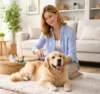
Determining the ideal grooming frequency is one of the most vital yet misunderstood aspects of canine ownership. A science-based schedule is the primary defense against painful matting and skin infections, ensuring your dog remains comfortable and healthy throughout the year.
💡 The Precision Balance: Over-grooming can strip essential natural oils and damage the skin’s biological barrier, while neglect leads to follicular obstruction and odor. Our guide removes the guesswork by aligning frequency with your dog’s specific biological needs.
In this comprehensive guide, we provide a stress-free framework tailored to real-life variables. You will learn how to synchronize grooming intervals with your dog’s coat architecture, activity intensity, and seasonal shifts—optimizing their wellbeing without unnecessary effort.
“Grooming is not a cosmetic luxury; it is dermatological maintenance. At PetCareCompass, we emphasize consistency over intensity to preserve the sebaceous gland integrity and keep the coat in peak condition.”
— Maya Mai, Founder
Why a Strategic Frequency Protocol Matters
A Grooming Frequency Guide is not a rigid calendar; it is a dynamic physiological necessity. Every dog possesses a unique epidermal barrier and oil production rate. Mismanagement of these intervals leads to a gradual decline in coat luster and the onset of chronic pruritus (itching) or follicular stress.
🧼 Full Grooming Sessions
Structured monthly interventions: Deep bathing, sanitary trimming, ear irrigation, and nail debridement. These target deep-seated debris and structural coat health.
✨ Proactive Maintenance
Daily tactical actions: Paw inspections, surface detangling, and moisture management. These habits dramatically reduce the “intensity” required in full sessions.
⚠️ Consequences of Interval Misalignment
Over-grooming: Excessive intervention disrupts the lipid balance, causing seborrhea sicca (dry, flaky skin) and increased sensitivity to environmental allergens.
Under-grooming: Neglecting the schedule allows exogenous debris and moisture to trap against the skin, fostering yeast colonization and painful dermal matting.
Biometric Factors Influencing Grooming Intervals
🧬 Coat Architecture
Needs vary by the hair growth cycle (Anagen/Telogen phases). Single-coated dogs need consistent trims, while double-coated breeds require a seasonal spike in undercoat extraction to manage thermal regulation.
🌲 Lifestyle & Stressors
Outdoor environmental stressors like mud, pool chlorine, or trail burrs require an immediate “spot grooming” response, regardless of your scheduled monthly routine.
⏳ Life Stage Dynamics
Puppies focus on behavioral desensitization through short, daily sessions. Senior dogs require adjusted frequency to accommodate reduced mobility and thinning skin layers.
“Professional groomers don’t just look at the calendar; we assess the coat texture and oil tension. If your dog’s coat feels ‘waxy’ or brittle, your current frequency guide needs a metabolic recalibration.”
— Maya Mai, Lead Editor

Coat architecture is the primary blueprint for your custom grooming schedule.
Building Your Protocol by Coat Architecture
While individual adjustments are mandatory, coat architecture provides the scientific baseline for your frequency guide. Understanding these biological requirements prevents the common pitfalls of epidermal dehydration and painful follicular matting.
| Coat Type | Brushing Frequency | Bathing Interval | Hygiene (Nails/Ears) |
|---|---|---|---|
| Short & Smooth | 1-2x Weekly | 6-8 Weeks | Every 3-4 Weeks |
| Medium & Dense | 2-4x Weekly | 4-6 Weeks | Bi-weekly Checks |
| Long & Silky | Daily Session | 3-4 Weeks | Weekly Irrigation |
🐕 Short Coats: Managing Surface Oils
Often perceived as low-maintenance, smooth coats require consistent sebum distribution. Brushing stimulates the blood flow and removes dead keratinized cells, preventing that dull, “dusty” appearance.
🦁 Medium Coats: Friction Area Surveillance
The priority here is preventing friction-induced matting. Pay close attention to high-contact zones: behind the ears, under the collar, and the axillary (armpit) regions where mats hide most effectively.
🐩 Long Coats: The 24-Hour Rule
In long-coated breeds, a 24-hour gap in maintenance can allow exogenous debris to bind with fine hairs. A daily “line-brushing” technique is essential to prevent painful skin tension caused by deep matting.
✅ Mastering Your Frequency Routine
- Bio-Feedback: Observe skin elasticity and coat shine rather than just following the date on your phone.
- Seasonal Pivot: Be ready to double your frequency during the Anagen/Telogen transition (Shedding Season).
- Separation of Tasks: Don’t try to do everything at once. Keep daily maintenance light and monthly grooming structured.
- Habitual Calm: Consistency builds behavioral tolerance, making frequency easier as the dog matures.
Deconstructing the Grooming Frequency Guide
A professional Grooming Frequency Guide deconstructs care into distinct physiological categories. Bathing, brushing, and trimming serve different biological functions and, therefore, require independent schedules. Treating these as a single task often leads to mechanical skin irritation or neglected hygiene zones.
🖌️ Brushing: The Baseline
Brushing is the foundation of coat aeration. While high-density coats require daily tactical de-shedding, short coats thrive on bi-weekly sessions to stimulate capillary circulation and oil distribution.
🧼 Bathing: Environmental Cleanup
Bathing frequency should be conservative (every 4–8 weeks) to preserve the acid mantle of the skin. If you notice flaking or post-bath pruritus, your current frequency is likely stripping essential lipids.

Adaptive grooming protocols must pivot according to environmental stressors and shedding cycles.
Adapting to Shedding Seasons and Climate
Static schedules fail because nature is dynamic. An effective Grooming Frequency Guide must expand and contract based on photoperiod-induced shedding and local climatic shifts.
During the Anagen/Telogen transition in Spring and Fall, frequency must increase. Use a low-pressure technique to extract the loose undercoat without causing “brush burn” or damaging the emerging new growth.
In cold climates, focus on brushing to prevent matting that traps moisture—a leading cause of winter dermatitis. In heat, brushing is vital for thermal ventilation, allowing heat to escape through the coat.
Expert Verdict on Climate Control
“Indoor climate control can confuse a dog’s natural hair growth cycles. If your dog lives in a strictly temperature-controlled US home, they may experience a ‘constant shed.’ In these cases, our Grooming Frequency Guide suggests a stable, high-frequency brushing routine year-round to manage environmental dander.”
— Maya Mai, PetCareCompass
Age-Appropriate Grooming Intervals
Age is a primary biological driver in any Grooming Frequency Guide. As a dog matures, their physiological comfort and skin elasticity shift, requiring a proactive evolution of your grooming schedule to match their metabolic and orthopedic needs.
🐾 Puppies: Habit Formation
Frequency for puppies isn’t about cleanliness—it’s about positive cognitive association. Short, high-frequency “micro-sessions” (2-3 minutes daily) focus on handling paws and ears to desensitize them for a lifetime of stress-free care.
🦴 Seniors: Comfort & Support
Aging dogs often struggle with joint laxity or thinning skin. While the frequency may remain stable, the session intensity must drop. Incorporate frequent breaks and use orthopedic support during grooming to minimize physical strain.

Understanding physiological feedback prevents the most common grooming frequency errors.
Common Frequency Errors & How to Correct Them
Even the best-intentioned Grooming Frequency Guide can fail if we ignore biological feedback. Recognizing the subtle signs of “intervention fatigue” is essential for long-term dermatological success.
Excessive brushing or bathing out of fear of odor often triggers reactive seborrhea—where the skin over-produces oil to compensate for what was stripped away, creating a vicious cycle of grease and smell.
If your dog’s coat feels brittle or “stiff,” your frequency is likely too high. A healthy coat should exhibit natural flexibility and luster. Persistent scratching post-grooming is a clear clinical signal to extend your intervals.
✅ Proactive Adjustment Checklist
- Decouple Tasks: Never treat bathing and brushing as the same schedule.
- Shedding Surge: Only increase brushing frequency—never bathing—during seasonal shifts.
- Life-Stage Pivot: Transition to shorter, gentler sessions as joint mobility decreases in seniors.
- Sensory Audit: Always perform a “touch test” 24 hours after grooming to monitor for inflammatory responses.
Grooming Frequency FAQ: Expert Insights
How often should I groom my dog for optimal health?
While there is no “universal” number, most breeds benefit from a full brushing 1–3 times weekly and a deep bath every 4–8 weeks. Frequency must be adjusted based on coat architecture, environmental exposure, and life stage.
Can a grooming schedule change with the seasons?
Absolutely. Seasonal photoperiod shifts trigger shedding cycles in double-coated dogs, requiring a temporary spike in brushing frequency. Conversely, cold winter air may require reduced bathing to prevent lipid barrier dehydration.
Should indoor dogs follow the same grooming frequency?
Indoor dogs accumulate less external debris, allowing for longer bathing intervals. However, central heating and cooling can dry out the skin, making regular brushing and skin inspections essential for moisture distribution.
The Comprehensive Grooming Protocol
- Visual dermal inspection.
- Surface debris extraction.
- Friction-zone detangling.
- Paw & pad moisture check.
- Full-body line-brushing.
- Ear canal irrigation.
- Audit for inflammatory flakes.
- Dental hygiene session.
- Therapeutic bath (as needed).
- Nail debridement/Trimming.
- Sanitary area maintenance.
- Full coat health assessment.
Confidence in Every Brushstroke
A well-implemented Grooming Frequency Guide is the foundation of a proactive wellness strategy. By observing physiological feedback and prioritizing consistency over intensity, you ensure your dog remains in peak condition—comfortably and sustainably.
“Grooming is the ultimate language of care. At PetCareCompass, we believe that when you listen to your dog’s skin and coat, you unlock a higher standard of happiness.”
Looking for more techniques? Master the basics with our
At-Home Grooming Essentials
or consult with a professional for a personalized coat assessment.
Find More Dog Care Guides
Continue exploring practical guides related to this topic.