
For many pet parents in the U.S., adopting a short-coated breed like a Labrador Retriever, Boxer, or German Shorthaired Pointer is often a choice driven by the promise of “low-maintenance” living. The prevailing logic suggests that shorter hair naturally equates to fewer grooming demands.
However, from a veterinary health perspective, this misconception is a primary driver of chronic skin issues. Without the mechanical protection of a thick, long undercoat, short-haired breeds are disproportionately exposed to environmental stressors. In my professional experience, neglecting a structured routine for grooming for short coats frequently leads to preventable cases of acute dermatitis, follicular clogging, and sebaceous cysts.
Grooming as Preventative Medicine
“Grooming a short-coated dog is not an aesthetic luxury; it is a vital component of preventative veterinary medicine. Because these breeds lack a dense fiber barrier, their epidermis serves as the only line of defense against allergens, parasites, and opportunistic bacteria.”
The Goal: Preserving Skin Barrier Integrity
In this guide, we move beyond the superficial. We are not just talking about keeping fur off your floors; we are diving into the science of dermatological maintenance. Our objective is to transform your routine into a high-value clinical session that preserves the integrity of the skin barrier while fostering a stress-free bonding experience.
The Science of the Short Coat: Understanding the Biological Blueprint
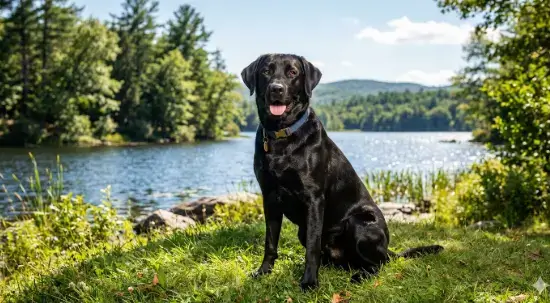
To master grooming for short coats, one must move beyond the surface. The canine integumentary system is not just a covering; it is a complex, multi-functional organ. Short-coated breeds possess a unique physiological profile that dictates specific dermatological requirements.
1. The Acid Mantle and pH Homeostasis
The cornerstone of canine skin health is the acid mantle—a microscopic, semi-permeable film that serves as the primary barrier against pathogens. A critical distinction between human and canine biology lies in the pH scale. While human skin is acidic (pH ~5.5), canine skin is significantly more alkaline, typically ranging from 6.5 to 7.5.
Utilizing human-grade shampoos on breeds like Boxers or Pit Bulls disrupts this delicate pH balance. This disruption triggers Transepidermal Water Loss (TEWL), leading to dehydration of the epidermis, chronic pruritus (itching), and increased susceptibility to microbial colonization.
2. Sebum Dynamics and Microbial Equilibrium
Short-haired dogs depend heavily on sebum—a lipid-rich secretion from the sebaceous glands that lubricates the hair shaft and provides a hydrophobic (waterproof) layer. In short-coated breeds, however, sebum is prone to stagnation.
Without mechanical stimulation (such as circular brushing), these lipids oxidize, producing the classic “doggy odor” and creating an ideal environment for Malassezia (yeast) overgrowth. Regular grooming ensures these oils are distributed evenly, maintaining a healthy microbial balance.
3. The Shedding Cycle: Managing the Telogen Phase
Shedding is a rhythmic biological process consisting of several stages, most notably the Anagen (growth) and Telogen (resting) phases. Even with minimal length, short coats undergo intense turnover, particularly during seasonal transitions known as “blowing the coat.”
When a dog enters the Telogen phase, dead hair follicles can become trapped against the skin. If not mechanically removed through proper grooming for short coats, this trapped debris can lead to folliculitis—an inflammation of the hair follicles that causes discomfort and skin lesions.
The Professional Tool Kit: Moving Beyond Marketing Hype
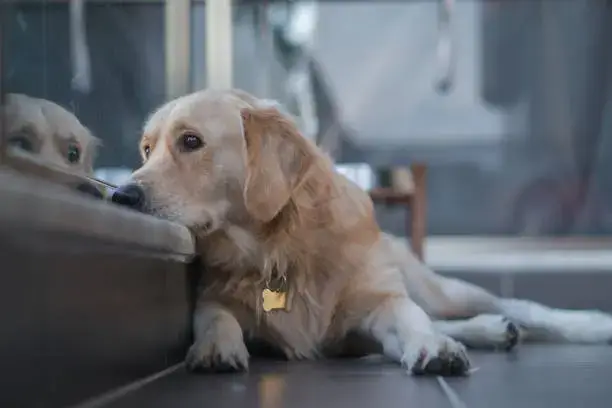
In the saturated American pet market, owners are often bombarded with “miracle” de-shedding tools. However, for grooming for short coats, the philosophy of “less is more” prevails. We prioritize instruments that offer dermal stimulation over those that rely on aggressive cutting blades.
🧴 Rubber Curry (KONG ZoomGroom)
The “Holy Grail” for skin health. Its mechanical action mimics a therapeutic massage, stimulating capillary blood flow and dislodging dead keratinized hair without breaching the skin barrier. Non-negotiable for “thin-skinned” breeds like Greyhounds.
🐗 Boar Bristle Brush
Essential natural bristle tool that shares a similar molecular structure to canine hair. Adept at redistributing sebum lipids along the hair shaft for a natural, healthy gloss that synthetic sprays cannot replicate.
🧤 Grooming Mitts (HandsOn)
Ideal for high-anxiety desensitization. The mitt mimics the sensation of petting, reducing cortisol levels during the grooming session while effectively removing surface dander and loose fur.
De-Shedding Tools: The “Proceed with Caution” Category
Precision tools like the FURminator utilize fine-toothed stainless steel edges. While effective, they are frequently misused on short-coated dogs. Over-brushing a single area can result in epidermal micro-tears, leading to localized inflammation.
The “Fear-Free” Grooming Protocol: Behavioral Science Meets Hygiene
Grooming should never be a battle of wills. In the United States, the “Fear-Free” movement has revolutionized pet care by shifting the focus toward emotional well-being and the reduction of cortisol levels during hygiene procedures.
1. Desensitization and Counter-Conditioning
Before the first drop of water touches the fur, you must systematically desensitize your dog to the grooming environment:
- Tactile Desensitization: Dedicate 5 minutes daily to handling sensitive areas like paws, tail, and ears. Pair this with high-value rewards to build a positive neurological association.
- Mitigating Neophobia: Introduce tools (brushes, dryers) in a “static” state. Let the dog investigate while the equipment is off to prevent neophobia—the fear of new things—before escalating to active use.
Advanced Bathing & Skin Therapy: The Professional Standards
Bathing a short-coated dog is more than just surface cleansing; it is a form of dermal therapy. To preserve the skin’s delicate microbiome, professionals adhere to a strict set of protocols.
1. The 10:1 Dilution Rule
Never apply concentrated shampoo directly to the coat. Most professional-grade formulas contain heavy surfactants that, when undiluted, can disrupt the lipid barrier.
- The Dilution Ratio: Use a mixing bottle to dilute 1 part shampoo with 10 parts warm water. This allows the formula to penetrate the dense short coat without leaving a residual film that could trigger seborrhea.
- The Double-Wash Method: The primary wash emulsifies surface pollutants and excess oils. The secondary wash ensures that therapeutic ingredients, such as colloidal oatmeal, reach the epidermis effectively.
2. Thermal Precision and Contact Time
- Therapeutic Temperature: Aim for exactly 98°F (37°C). Excessive heat triggers vasodilation (dilation of blood vessels), which can exacerbate pre-existing inflammation and acute pruritus.
- The 10-Minute Contact Rule: For medicated or nourishing shampoos, the formula must remain on the skin for 10 minutes. This is the biological window required for the epidermal layers to absorb active nutrients.
Breed-Specific Nuances: Tailoring the Morphology
A “short coat” is not a monolith. Different breeds possess distinct morphological traits that require specific interventions.
Brachycephalic Breeds
Bulldogs, Pugs, and Frenchies are highly susceptible to Skin Fold Pyoderma. Moisture trapped in facial wrinkles and tail pockets is a catalyst for Malassezia overgrowth.
Pro Tip: Daily use of Chlorhexidine-based wipes is essential for these high-risk areas.
Athletic Short-Coats
Pit Bulls, Boxers, and Vizslas often have sparse fur on their ventral (belly) areas, making them vulnerable to contact allergens and environmental irritants.
Pro Tip: Prioritize hypoallergenic shampoos enriched with Ceramides to reinforce the skin barrier.
Regional Grooming Strategies: Adapting to the American Climate
A critical oversight in canine care is following a universal grooming schedule without considering geographic variables. A Labrador in the humid Gulf Coast faces vastly different dermatological challenges than one in the high deserts of the Southwest.
🌴 High-Humidity Challenge
(Southeast & Gulf Coast)
- Breeding ground for Malassezia yeast overgrowth.
- Musty/cheesy odor is microbial, not simple dirt.
- Hack: Apply talc-free drying powder to friction-prone axillae & groin.
- Action: Use shampoo with Ketoconazole to stabilize flora.
🏜️ Arid Challenge
(Southwest & Rockies)
- Primary enemy: Trans-Epidermal Water Loss (TEWL).
- Frequent bathing desiccates the epidermis (brittle hair, snow dandruff).
- Static electricity is a clinical sign of severe dehydration.
- Action: Focus on waterless conditioning foams with Ceramides. Increase Omega-3 supplementation.
The Chemistry of Shampoo: What the Label Doesn’t Tell You
While most consumers select products based on fragrance, professional grooming for short coats requires an analysis of Molecular Weight and Surfactant Quality.
1. Deciphering Surfactants
Surfactants are the active cleansing agents. Economy-grade shampoos often rely on Sodium Lauryl Sulfate (SLS), a harsh detergent that aggressively strips the canine acid mantle, leading to reactive sensitivity. Look for “Soap-Free” formulas utilizing coconut-derived surfactants like Cocamidopropyl Betaine. These provide deep follicular cleansing without triggering a histamine response.
2. The Synergistic Power of Oatmeal & Ceramides
- Colloidal Oatmeal: Complex carbohydrate that forms a protective, hydrophilic film on the skin. Clinically proven to mitigate Pruritus (itching) by physically blocking environmental irritants.
- Ceramides: Think of skin cells as “bricks” and Ceramides as the “mortar.” Essential to reinforce the lipid barrier integrity and prevent allergen penetration.
Post-Grooming Audit: The Professional “Full-Body Scan”
The most opportunistic time to detect latent health issues is immediately following a grooming session, when the dermis is clean and the hair follicles are flattened.
1. Detecting Interdigital Furunculosis
While drying the distal limbs (paws), meticulously inspect the webbing between the toes. Short-coated breeds are anatomically prone to interdigital furunculosis—a painful condition involving bacterial infections or ingrown hairs. Perform a 5-minute Epsom salt soak if erythema (redness) is detected.
2. Lymph Node and Oncology Screening
Grooming is the primary detection method for early-stage Lipomas or malignant Mast Cell Tumors. Palpate the submandibular, prescapular, and popliteal lymph nodes. If a mass feels “fixed” to the underlying tissue rather than mobile, consult your DVM immediately.
📅 The 365-Day Maintenance Calendar
Consistency is the biological differentiator between a thriving coat and chronic dermatological distress.
Top Professional Product Recommendations (US Market)
Utilizes Spherulites technology for sustained release of ingredients like colloidal oatmeal. Ideal for high sensitive skin or seasonal itchiness.
Infused with Jojoba oil & Vitamin E. Acts as a synthetic sebum to provide a barrier against desiccating forced-air indoor heating.
Safest tool for “thin-skinned” breeds. Unique tooth pattern captures dead keratinized hair without touching epidermis, preventing brush burn.
Environmental & Seasonal Adaptations

1. Spring and Fall Transitions
Short-coated breeds undergo photoperiodic shedding—massive release of old coat triggered by daylight changes. Increase brushing to daily during these “blow” periods to prevent miliary dermatitis.
2. Winter Skin Protection
Indoor heating strips atmospheric humidity, leading to static fur and transepidermal dehydration. Use leave-in conditioning spray containing humectants (glycerin) to draw moisture back into hair shaft.
Nutrition for Dermal Health: The Foundation of Shine
- Omega-3 Fatty Acids (EPA & DHA): Strengthening phospholipid cell membranes; acts as powerful systemic anti-inflammatories to reduce allergen reactivity.
- Zinc & Biotin: Essential co-factors in keratinization—synthesis of Keratin protein.
🚨 Troubleshooting: Common Skin Issues
Red, weeping sores (Pyotraumatic Dermatitis) caused by trapped moisture. Use a drying agent immediately.
If your dog smells like “corn chips” (Malassezia imbalance), switch to veterinary-grade shampoo containing Ketoconazole.
When to Call the Vet: If you notice symmetrical hair loss or alopecia (bald patches), it may specify an endocrine issue like Cushing’s or Hypothyroidism.
Common Questions from Pet Parents
A: No. Human baby shampoo has a pH of 5.5, which is too acidic for a dog’s 7.0 pH skin. Repeated use will compromise the skin barrier function, leading to chronic dry skin.
A: This is likely mechanical folliculitis (brush burn) from too much pressure with metal tools. Transition immediately to a rubber curry brush.
The Path to Longevity
Grooming your short-coated dog is not an aesthetic luxury; it is a vital commitment to their biological longevity. By understanding the microbiology of the skin and using veterinary-grade tools, you are not just cleaning fur—you’re practicing preventative medicine that adds high-value years to their life.
Find More Dog Care Guides
Continue exploring practical guides related to this topic.