
Executive Summary: Dermal Barrier Integrity
Bathing Frequency is not a static metric; it is a variable determined by Dermal Barrier Integrity and coat architecture. Optimal frequency must preserve Sebaceous Gland Homeostasis while ensuring Coat Cleanliness. Factors such as breed-specific lipid production, biological age, and environmental Allostatic Load dictate a bathing cadence—typically 4 to 8 weeks—to prevent compensatory oil production and chronic skin irritation.
In the PetCareCompass framework, we do not view grooming as a mere aesthetic task; we categorize it as Epidermal Resource Management. Determining the correct Bathing Frequency requires a balance between removing environmental pathogens and preserving the dog’s natural protective lipids. By mastering this biological cadence, you protect the skin’s Microbiome Stability and prevent the structural damage caused by systemic overbathing.
Coat Architecture: Managing Follicular Aeration and Odor Thresholds
In the PetCareCompass framework, Bathing Frequency is dictated by Coat Architecture. Different follicular structures trap environmental debris and cutaneous lipids at varying rates. To maintain Coat Cleanliness without triggering Sebaceous Gland Compensation (overproduction of oil due to dryness), owners must audit the specific aeration needs of their dog’s coat type.
1. High-Density & Double Coats: Managing Trapped Pathogens
Breeds with high-density undercoats (e.g., Golden Retrievers, Huskies) act as Biological Filters, trapping dust, pollen, and moisture near the skin. In the PetCareCompass protocol, these breeds require a 4–6 week cadence to ensure Follicular Aeration. However, mechanical removal via daily brushing is the primary governor of health; without it, bathing only compacts debris, leading to Dermal Hypoxia and localized irritation.
2. Smooth & Wire Coats: Protecting Lipid Barrier Resilience
Smooth-coated breeds (e.g., Chihuahuas, Beagles) rely on a thin but vital Lipid Barrier for protection. Excessive Bathing Frequency in these breeds triggers Transepidermal Water Loss (TEWL), resulting in chronic dryness and flaky skin. A 6–8 week cadence, supplemented by Somatic Wiping (paws and undercarriage) after outdoor exposure, is sufficient to maintain hygiene while preserving the skin’s Microbiome Stability.
Biological Variables: Age and Pathological Indicators
Beyond structural traits, Biological Maturity and systemic health profoundly impact Bathing Frequency. A dog’s skin undergoes significant metabolic shifts from the pediatric stage to senescence, requiring Adaptive Grooming Governance to prevent epidermal injury.
| Biological Variable | Dermal Characteristic | Frequency Directive |
|---|---|---|
| Pediatric (Puppies) | Incomplete Dermal Barrier | Minimal intervention; focus on water-only spot cleaning |
| Geriatric (Senior Dogs) | Thinning epidermis; low sebum | Extended intervals (8+ weeks) with moisturizing rinses |
| Allergy/Pathological | Compromised Immune Response | Prescriptive frequency; medicated Epidermal Audits |
1. Environmental Pathogen Loading & Activity
The Environmental Allostatic Load—the amount of dirt, mud, and pollutants a dog encounters—is the final governor of Bathing Frequency. High-activity dogs require more frequent Somatic Maintenance. However, at PetCareCompass, we differentiate between “Dirty” and “Contaminated.” A muddy dog often only requires Mechanical Drying and brushing once the mud desiccates, whereas exposure to urban pollutants or chemicals requires immediate Surfactant Neutralization (a full bath).
2. Seasonal Governance: Wiping vs. Washing
To extend the intervals between full baths, we implement Zonal Hygiene Protocols. Wiping paws and undercarriages with pH-balanced wipes after outdoor exposure significantly reduces the systemic Pathogen Load. This approach allows you to maintain Coat Cleanliness while protecting the dog’s core Sebaceous Gland Homeostasis. In winter or dry seasons, this shift is critical to preventing Seasonal Epidermal Fissures caused by low humidity and over-washing.
Morphological Auditing: Surface Area and Metabolic Flux
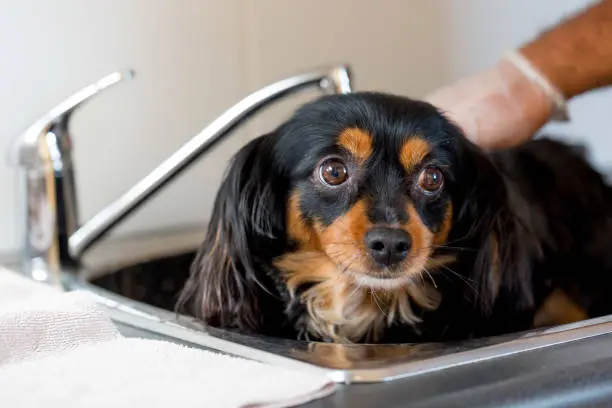
In the PetCareCompass framework, Bathing Frequency is significantly influenced by Metabolic Surface Area. While small breeds are more susceptible to Thermoregulatory Sensitivity during water exposure, large breeds face higher risks of Undercoat Desiccation failures. To maintain Coat Cleanliness, owners must architect a size-specific Grooming Routine that accounts for these biological variances.
1. Small Breed Governance: Proximity and Odor Saturation
Small breeds (e.g., Chihuahuas, Pomeranians) experience faster Sebaceous Saturation due to their proximity to indoor surfaces and lower ground clearance. We implement a 4–8 week Bathing Frequency with a focus on Hypoallergenic Surfactant Choice. Because small breeds lose body heat rapidly, lukewarm water is a mandatory Homeostatic Safeguard. Regular Somatic Audits—using pet wipes for spot cleaning—can effectively extend the cadence while protecting the Dermal Barrier.
2. Large Breed Management: Undercoat Moisture Governance
Large breeds (e.g., Labradors, German Shepherds) possess higher Follicular Complexity, often trapping moisture deep within the undercoat. A 4–6 week Bathing Frequency is optimal, but the primary risk factor is Incomplete Drying, which triggers Dermal Hypoxia (hot spots). Our protocol mandates High-Velocity Desiccation at low heat to ensure 100% moisture removal. Between baths, mechanical removal of loose hair via deshedding tools is required to maintain the Lipid Barrier Resilience.
Environmental Adaptation: Adjusting for Seasonal Allostatic Load
A dog’s Bathing Frequency must remain dynamic, responding to the Seasonal Allostatic Load. Temperature shifts and humidity variances impact the Sebaceous Gland Production, requiring owners to recalibrate their Dog Grooming Routine to prevent chronic Skin Irritation or structural coat damage.
| Variable | Biological Impact | Operational Directive |
|---|---|---|
| Short Coats (e.g., Beagle) | Direct Epidermal Exposure | Low frequency (6–8 weeks); focus on Lipid Restoration |
| Long/Wire Coats | High Pathogen Entrapment | Bi-weekly mechanical brushing; 4-week bath cadence |
| Summer/High Humidity | Increased Bacterial Proliferation | Increase frequency slightly; use Antimicrobial Somatic Rinses |
1. Adaptive Frequency: Managing Environmental Debris
To achieve Coat Cleanliness, we prioritize Mechanical Maintenance over chemical intervention. Long-haired breeds require daily brushing to prevent Matting-Induced Skin Irritation. By removing debris manually, you extend the Bathing Frequency and preserve the Microbiome Stability. In the PetCareCompass protocol, a bath is the secondary response; the primary response is Follicular De-shedding and debris neutralization.
2. Tactical Setup: Optimizing the Somatic Cleanse
For large breeds, the physical setup determines the stress level of the Grooming Routine. We utilize Zonal Shampooing—focusing on high-contamination areas (paws, inguinal region, and axillae) while minimizing Lipid Removal on the dorsal line. This Strategic Cleansing approach ensures hygiene without stripping the core Dermal Barrier Integrity. A calm, step-based setup prevents Adrenaline Spikes, making the hygiene audit a positive social experience.
Diagnostic Indicators: Auditing Lipid Oxidation and Debris Impaction
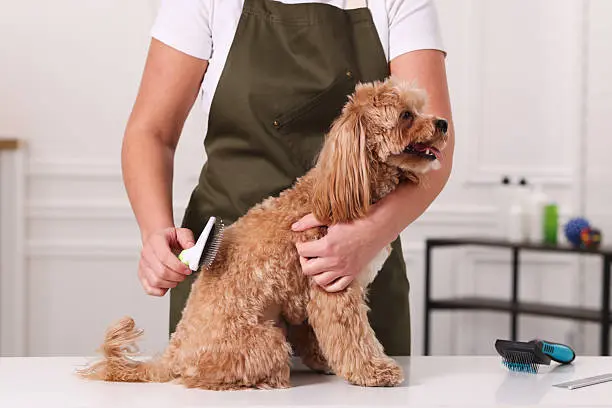
In the PetCareCompass framework, Bathing Frequency is not governed by the calendar, but by Diagnostic Indicators. Dogs cannot communicate tactile discomfort; therefore, owners must perform a Somatic Audit to identify Sebaceous Oxidation and Micro-Debris Impaction. Recognizing these biological cues allows for precise intervention, maintaining Coat Cleanliness without inducing the epidermal erosion caused by systemic overbathing.
1. Olfactory and Tactile Audits: Detecting Lipid Decay
A “musty” odor is the primary somatic marker of Cutaneous Lipid Oxidation—where natural oils begin to trap bacteria and environmental pollutants. In the PetCareCompass protocol, a “Greasy” tactile response when handling the coat indicates Sebaceous Overload. While mechanical brushing redistributes these oils, persistent odor signifies that the Odor Threshold has been breached, necessitating Surfactant Neutralization to restore the skin’s healthy baseline.
2. Antigen and Pathogen Loading: Screening the Follicular Space
Environmental Allostatic Load often manifests as the accumulation of pollen, dust, and ectoparasites within the Follicular Space. We implement Antigen Neutralization—a full bath—only when mechanical removal (brushing) fails to clear these irritants. If your dog demonstrates Acute Pruritus (excessive scratching) or localized redness, it indicates that allergens have breached the Dermal Barrier. Immediate Somatic Cleansing is required to remove these inflammatory triggers and prevent chronic dermatitis.
🔬 Maya’s Investigative Protocol: The Acid Mantle Audit
“At PetCareCompass, we don’t just look at dirt; we look at the Acid Mantle. Over-bathing can lead to Transepidermal Water Loss (TEWL), stripping the skin of essential lipids. If you are bathing a Goldendoodle or a high-maintenance coat more than once every 4 weeks without a clinical reason, you may be inviting chronic dryness. We audit the frequency based on Sebum Production, not just smell.” — Maya Mai
Somatic Monitoring: Recognizing Epidermal Distress Markers
Effective Bathing Frequency management requires constant monitoring for Epidermal Distress Markers. Identifying shifts in skin color, texture, or moisture levels allows you to adjust your Dog Grooming Routine before clinical pathologies develop.
| Audit Marker | Biological Implication | Intervention Logic |
|---|---|---|
| Persistent Redness/Flaking | Dermal Barrier Erosion | Decrease frequency; switch to Lipid-Restoring Rinses |
| Excessive Matting | High Pathogen Entrapment | Full bath with high-slip conditioners; increase brushing |
| Incessant Paw Licking | Antigenic Sensitivity (Pollen/Salts) | Implement daily Zonal Somatic Wiping |
1. Morphological Considerations: Short vs. Long Coats
In the PetCareCompass architecture, we audit different coat types for varying Debris Visibility. Short-haired breeds demonstrate surface dirt rapidly, which can lead to unnecessary overbathing. Conversely, long-haired breeds can hide significant Follicular Impaction deep within the undercoat. A weekly Somatic Probe—parting the fur to inspect the skin directly—is mandatory to ensure that Bathing Frequency is based on actual dermal needs rather than surface aesthetics.
2. High-Risk Zonal Auditing: Ears, Paws, and Undercarriage
We prioritize Zonal Hygiene Audits on areas where moisture and dirt naturally aggregate. The paws and underbelly are the primary Pathogen Entry Points. If these zones demonstrate discoloration or a sour odor, we implement Targeted Somatic Cleansing rather than a full systemic bath. This Precision Hygiene approach allows you to neutralize localized threats while protecting the Sebaceous Gland Homeostasis of the dog’s core body, preserving the skin’s natural immunity.
Ecological Calibration: Seasonal Shifts in Bathing Frequency
In the PetCareCompass framework, Bathing Frequency is an Ecological Variable. Environmental stressors—temperature, humidity, and Antigenic Loading (pollen/allergens)—fluctuate by season, requiring a dynamic Dog Bath Schedule. To prevent Transepidermal Water Loss (TEWL) in winter or Bacterial Proliferation in summer, owners must calibrate their cleansing cadence to the current environmental Allostatic Load.
1. Summer Governance: Managing High Pathogen Loading
High humidity and temperature increase Sebaceous Secretion and microbial activity. During summer, we implement an Accelerated Somatic Audit. While the Bathing Frequency may increase to manage mud and odors, we prioritize Mechanical Debris Removal via daily brushing. Lukewarm water is mandatory to avoid thermal shock, and zonal cleaning of the paws and inguinal area is utilized to manage Bacterial Proliferation without systemic Lipid Stripping.
2. Winter Mitigation: Neutralizing Desiccation Pathologies
Winter environments are characterized by low humidity and high Dermal Desiccation. Over-cleansing during this period erodes the Lipid Barrier Resilience, leading to chronic Skin Irritation. Our protocol mandates extending the Bathing Frequency and utilizing Lipid-Restoring Shampoos. Post-bath moisture governance is critical; dogs must be 100% dry before environmental exposure to prevent Hypothermic Stress and subsequent immune suppression.
Somatic Cleanse Mechanics: Precision Home Execution
Successful home cleansing is an act of Dermal Engineering. By mastering Surfactant Application and Follicular Desiccation, owners can maintain Coat Cleanliness while ensuring Microbiome Stability. Each step is a tactical intervention designed to remove pathogens without compromising the skin’s biological defenses.
| Environmental Variable | Biological Strategy | Tactical Action |
|---|---|---|
| Spring (Antigen Season) | Neutralize Allergenic Loading | Daily brushing + Weekly zonal rinsing |
| Summer (Pathogen Peak) | Manage Bacterial Proliferation | Bi-weekly Somatic Cleansing |
| Winter (Dry Season) | Prevent Epidermal Erosion | 8-week cadence; use moisturizing surfactants |
1. Surfactant Selection: Protecting the Acid Mantle
To achieve Coat Cleanliness without injury, you must utilize pH-balanced surfactants designed for the canine Acid Mantle (pH ~7.0–7.5). Human shampoos are significantly more acidic, triggering immediate Dermal Inflammation. In the PetCareCompass protocol, we focus application on the High-Contamination Zones (axillae, inguinal, and paws) while performing a Diluted Somatic Rinse on the dorsal line to preserve core lipid integrity.
2. Desiccation Mechanics: Managing Post-Bath Moisture
Incomplete drying is a primary catalyst for Dermal Hypoxia (hot spots) and fungal growth. We implement High-Velocity Desiccation at low heat, focusing on the Follicular Base. Vigorous rubbing with towels must be replaced with Blotting Mechanics to prevent structural damage to the coat. Ensuring 100% moisture removal from the undercoat is a mandatory Homeostatic Safeguard, especially for large or double-coated breeds.
Bathing Frequency: Operational Governance FAQ
Q1: How often should I bathe my puppy?
Puppies have underdeveloped skin barriers. Avoid full baths until 8 weeks old. Once they are older, a frequency of once a month is sufficient unless they encounter significant environmental debris, to prevent Early-Life Dermatitis.
Q2: Does a Goldendoodle need more frequent baths?
Doodles often require a 4-to-6 week cycle. Because their coat traps dander and moisture, infrequent bathing leads to matting, while over-bathing ruins their curls’ natural Sebum Balance.
Q3: Why does my dog smell again shortly after a bath?
This is often Secondary Malassezia (Yeast) Overgrowth triggered by trapped moisture. If the odor returns quickly, it’s not a cleaning issue but a Microbiome Imbalance that requires a specialized antimicrobial audit.
Q4: Is it safe to bathe a senior dog every week?
No. Senior dogs have thinner skin and lower oil production. Weekly baths can cause Chronic Pruritus (itching). Limit baths to every 6-8 weeks and use Waterless Shampoo for spot-cleaning to minimize stress.
Q5: Can I bathe my dog twice a week if they are muddy?
If mandatory, use only lukewarm water without soap for the second wash. Frequent detergent use causes Lipid Depletion. Always prioritize a Rinse-Only Protocol for intermittent mud removal.
Q6: What is the “Smell Audit” for bathing frequency?
A healthy dog should not have a pungent odor. If they do, investigate Ear Infections or Dental Decay first. Often, the “doggy smell” originates from these zones rather than the coat itself.
Conclusion: The Path to Epidermal Homeostasis
Strategic Bathing Frequency is the foundation of canine skin health. By moving away from rigid schedules and embracing Diagnostic Somatic Audits, owners can prevent chronic Skin Irritation while maintaining Coat Cleanliness. The integration of Zonal Hygiene, Mechanical Brushing, and Seasonal Calibration ensures a state of Epidermal Homeostasis that supports your dog’s overall biological resilience year-round.
Find More Dog Care Guides
Continue exploring practical guides related to this topic.