
Skin protection is one of the most important aspects of caring for dogs, especially those prone to dryness, irritation, or sensitive skin. Environmental factors such as cold air, harsh sunlight, dust, pollen, and low humidity can compromise the skin barrier, causing redness, itching, and flakiness. By following proven skin protection tips, dog owners can maintain a healthy, hydrated coat and prevent common dermatological issues.
This guide provides simple, actionable steps to protect your dog’s skin year-round. From selecting hypoallergenic products to establishing a daily grooming routine and adjusting seasonal care, these strategies are designed to make skin protection stress-free. Whether you care for a puppy, adult dog, or senior pet, these techniques support skin integrity, coat health, and overall comfort.
For additional seasonal guidance, check out Essential Seasonal Grooming Tips for Every Dog.
Understanding Dog Skin and Common Issues
Healthy skin is the foundation of a shiny coat and a comfortable dog. Understanding the structure of your dog’s skin and recognizing common problems helps prevent dryness, irritation, and infections. Dogs with sensitive skin require extra attention to maintain hydration and protect against environmental allergens.
Skin Anatomy and Function
The dog’s skin is more than just a protective layer; it plays a vital role in overall health:
- Epidermis and Dermis Layers: The epidermis acts as the first line of defense against pathogens, while the dermis contains blood vessels, nerves, and hair follicles that support skin function.
- Natural Oil Production: Sebaceous glands produce oils that maintain moisture and coat luster.
- Hair Coat Protection: The coat protects against sun, wind, and debris, while assisting in regulating body temperature.
Tips:
- Avoid over-bathing, which can strip natural oils.
- Check for unusual dryness or flakiness during routine grooming.
- Provide a balanced diet to support healthy skin oils.
Common Skin Problems
Dogs may experience several skin issues due to environmental or dietary factors. Recognizing these signs early allows timely intervention:
- Dry, Flaky Skin: Often caused by low humidity, harsh shampoos, or nutritional deficiencies.
- Redness and Irritation: Can result from allergens, friction, or reactions to grooming products.
- Hot Spots and Allergic Reactions: Localized inflammation, hair loss, and constant scratching may indicate underlying sensitivity.
Tips:
- Monitor your dog’s coat for changes in texture or color.
- Note any patterns in scratching or licking.
- Consult a veterinarian if symptoms persist despite at-home care.
Risk Factors for Sensitive Skin
Certain factors increase the likelihood of skin problems in dogs:
- Breed Predispositions: Bulldogs, Terriers, and Retrievers often have naturally sensitive skin.
- Environmental Factors: Sun, wind, dust, pollen, and low humidity contribute to dryness and irritation.
- Seasonal Changes: Winter air dries skin, while summer allergens and heat can trigger flare-ups.
Tips:
- Keep a grooming journal to track seasonal reactions.
- Use protective products during extreme weather.
- Adjust bathing and moisturizing routines according to environmental conditions.
Choosing the Right Products for Skin Protection
The products you use on your dog’s skin and coat significantly impact hydration, irritation prevention, and overall skin health. Selecting the right shampoos, moisturizers, and protective sprays is a cornerstone of effective skin protection tips.
Hypoallergenic Shampoos and Conditioners
Using gentle, hypoallergenic products is essential for dogs prone to sensitive skin:
- Ingredients to Look For: Oatmeal, aloe vera, chamomile, and coconut oil soothe irritation.
- Avoid Harsh Chemicals: Sulfates, parabens, and strong fragrances can strip natural oils and worsen dryness.
- Special Formulas: Medicated shampoos can address specific issues like itching or fungal infections.
Tips:
- Test new products on a small patch of skin before full application.
- Rinse thoroughly to remove residue that could cause irritation.
- Rotate products seasonally to meet your dog’s changing needs.
Moisturizing Dog Skin
Keeping skin hydrated prevents cracking, flaking, and itching:
- Natural Oils and Sprays: Coconut oil, jojoba oil, or plant-based sprays can restore moisture.
- Ointments for Dry Patches: Use targeted treatments on elbows, paws, and areas prone to friction.
- Spot Treatments for Irritation: Anti-itch or soothing gels relieve flare-ups.
Tips:
- Apply moisturizers after bathing while the skin is slightly damp.
- Avoid using human lotions, which may be harmful to dogs.
- Observe for allergic reactions to new products.
Additional Protective Products
Beyond shampoos and moisturizers, several products support long-term skin protection:
- Skin Barriers for Outdoor Exposure: Protective balms for paws and noses prevent chapping and sun damage.
- Anti-itch Sprays: Quick relief for minor irritations or insect bites.
- Coat Supplements: Omega-3 fatty acids, biotin, and vitamin E improve skin resilience and shine.
Tips:
- Keep protective sprays handy during outdoor walks.
- Monitor for improvements in coat texture after introducing supplements.
- Consult your veterinarian before adding supplements to your dog’s diet.
Daily Grooming Routine to Protect Skin
Consistency is key to maintaining healthy skin. A structured daily grooming routine removes allergens, prevents dryness, and ensures early detection of irritation.
Brushing Techniques
Proper brushing stimulates oil production, distributes natural oils, and reduces hair mats that can irritate skin:
- Choosing the Right Brush: Soft bristle brushes for short coats, slicker brushes for medium coats, and undercoat rakes for double-coated breeds.
- Frequency: Daily for long or double-coated dogs; 2–3 times per week for short coats.
- Gentle Strokes: Brush in the direction of hair growth to avoid scratching.
Tips:
- Reward your dog with treats during brushing sessions.
- Use a comb to check for tangles after brushing.
- Avoid brushing over inflamed areas; apply ointments first if necessary.
Bathing Practices
Bathing is essential but must be done carefully to protect skin:
- Appropriate Bath Frequency: Generally once every 3–4 weeks; adjust based on coat type and skin condition.
- Water Temperature and Rinsing Tips: Lukewarm water and thorough rinsing prevent dryness and irritation.
- Drying Methods: Pat dry with a towel; low-heat blow dryers only if your dog tolerates them.
Tips:
- Avoid over-bathing to preserve natural oils.
- Use hypoallergenic shampoos recommended for sensitive skin.
- Incorporate bath time into a calm, rewarding routine.
Monitoring and Spot Care
Early detection of issues prevents long-term damage:
- Checking for Dryness or Redness: Inspect the coat and skin daily, focusing on elbows, paws, and underbelly.
- Applying Moisturizers and Protective Ointments: Target dry or irritated spots immediately.
- Recording Observations: Keep a grooming journal to track seasonal or environmental changes.
Tips:
- Adjust routines based on skin response.
- Consult your vet for persistent irritation or unusual flare-ups.
- Combine monitoring with brushing and bath routines for maximum protection.
Summary Highlights:
- Understanding dog skin anatomy and common issues is foundational.
- Selecting hypoallergenic and moisturizing products supports skin health.
- A structured daily grooming routine prevents dryness, irritation, and allergen buildup.
- Monitoring and recording observations ensure timely intervention.
- Seasonal adjustments in products and techniques help maintain consistent skin protection.
Seasonal Skin Protection Tips
Dog skin requires special care throughout the year. Environmental changes such as cold winters, dry indoor heat, pollen-heavy spring, and hot summer sun can compromise the skin barrier. Implementing seasonal skin protection tips ensures your dog remains comfortable and their coat stays healthy all year.
Understanding which adjustments to make each season can prevent dryness, flakiness, irritation, and even secondary infections. Grooming routines, moisturizing, and protective measures should adapt to seasonal shifts for maximum effectiveness.
Winter Skin Care
Winter poses unique challenges for dogs: dry indoor air, cold wind, and salt on sidewalks can strip natural oils and cause cracking.
Strategies for protection:
- Increase Moisturizing Frequency: Apply dog-safe oils or lotions to dry patches after baths or walks.
- Use Humidifiers: Maintain indoor humidity around 40–60% to prevent skin from drying.
- Protect Paws: Apply paw balm to prevent cracking from snow, ice, and salt.
Tips:
- Shorter, more frequent walks reduce exposure to harsh conditions.
- Layer sweaters or jackets for breeds sensitive to cold.
- Regular brushing distributes natural oils to keep skin hydrated.
Spring and Fall Skin Care
These transitional seasons bring shedding and environmental allergens like pollen, mold, and dust mites.
Protection strategies:
- Monitor Shedding: Brush more frequently to remove loose hair and allergens.
- Hypoallergenic Products: Bathe with gentle shampoos to reduce irritation from pollen.
- Check Skin for Irritation: Inspect paws, underbelly, and folds for redness or dryness.
Tips:
- Keep outdoor playtime to low-pollen times (early morning or evening).
- Use a grooming glove to remove allergens gently.
- Consider supplements like omega-3s to strengthen the skin barrier during shedding seasons.
Summer Skin Care
Summer heat and sun exposure can lead to sunburn, heat rash, and dehydration:
- Sun Protection: Apply dog-safe sunscreen to noses, ears, and exposed skin.
- Shade and Hydration: Avoid peak sun hours; ensure fresh water availability.
- Cooling Measures: Use cooling mats or damp towels to prevent overheating.
Tips:
- Trim hair carefully; avoid over-trimming that exposes skin to sunburn.
- Watch for signs of irritation from grass or insect bites.
- Keep grooming short and frequent to prevent mats and trapped heat.
Diet and Supplements for Healthy Skin
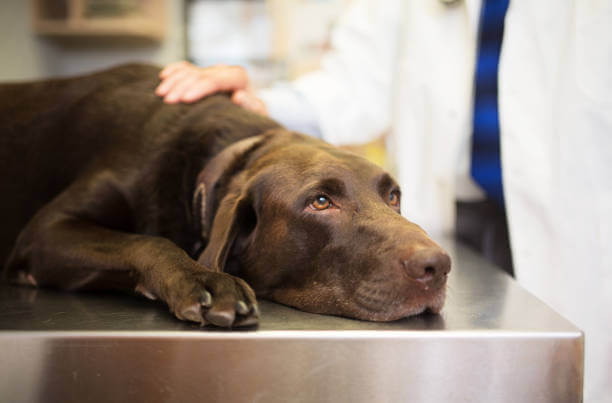
Nutrition significantly impacts skin and coat condition. Skin protection tips are incomplete without dietary considerations. A well-balanced diet can strengthen the skin barrier, reduce inflammation, and improve hydration naturally.
Foods That Support Skin Health
- Omega-3 Fatty Acids: Fish oil, flaxseed, and certain enriched dog foods reduce inflammation and dryness.
- High-Quality Proteins: Lean meats provide essential amino acids for skin repair and coat strength.
- Antioxidant-Rich Foods: Blueberries, pumpkin, and sweet potatoes combat oxidative stress on skin.
Tips:
- Introduce new foods gradually to monitor tolerance.
- Rotate protein sources to avoid dietary sensitivities.
- Pair diet with grooming routines for maximum skin health benefits.
Supplements for Skin Protection
- Fish Oil Capsules: Provide omega-3 fatty acids essential for coat shine and skin hydration.
- Vitamin E or Biotin: Enhance skin barrier function and hair quality.
- Probiotics: Support gut-skin health connection, reducing inflammation and flare-ups.
Tips:
- Use veterinarian-approved supplements only.
- Track changes in coat texture over 4–6 weeks for effectiveness.
- Combine supplementation with topical moisturizers for better results.
Diet and Seasonal Adjustments
- Winter: Increase omega-3s and moisturizing foods to combat dry indoor air.
- Spring/Fall: Antioxidants help mitigate allergy-driven inflammation.
- Summer: Hydrating foods (like pumpkin) support moisture retention and cooling.
Tips:
- Monitor skin condition monthly to adjust dietary support.
- Use diet logs to track reactions to new foods or supplements.
- Consult a vet before introducing multiple new supplements at once.
Protecting Against Environmental Allergens

Environmental allergens are a major cause of itching, redness, and dryness in sensitive dogs. Proper measures reduce exposure and support skin protection efforts.
Home Cleaning and Air Quality
- Vacuum Regularly: Use HEPA filters to trap hair, dust, and dander.
- Wash Bedding Weekly: Hot water removes allergens and prevents flare-ups.
- Air Purifiers: Reduce airborne pollen, mold, and dust particles indoors.
Tips:
- Keep grooming tools separate from household items to avoid cross-contamination.
- Consider lint rollers or furniture covers for quick allergen removal.
- Avoid scented cleaning products that may irritate sensitive dogs.
Outdoor Protection
- Wipe Paws and Coat After Walks: Removes pollen, dust, and dirt.
- Avoid High-Allergen Areas: Pollen-heavy parks or grassy fields can trigger reactions.
- Protective Sprays: Dog-safe barrier sprays shield sensitive skin from irritants.
Tips:
- Keep a towel or wipes handy for post-walk cleanups.
- Rotate walking routes to avoid repeated exposure to specific allergens.
- Combine outdoor protection with dietary support for optimal results.
Monitoring and Early Intervention
- Check Skin Daily: Early detection of dryness or redness prevents flare-ups.
- Observe Behavior: Scratching, licking, or rubbing against surfaces can indicate irritation.
- Consult a Vet if Needed: Persistent issues may require medical intervention or allergy testing.
Tips:
- Keep a grooming journal to track seasonal patterns and interventions.
- Adjust routines immediately if new irritants are detected.
- Reward dogs during grooming to reinforce positive behavior.
Summary Highlights:
- Seasonal adjustments in grooming, moisturizing, and environmental control are essential.
- Diet and supplements directly impact skin hydration, barrier function, and coat health.
- Cleaning and protective strategies reduce exposure to environmental allergens.
- Monitoring and early intervention ensure skin issues are addressed before they worsen.
Professional Grooming for Skin Protection

Professional grooming is an essential part of comprehensive skin care for dogs, especially those prone to dryness, irritation, or sensitivity. Groomers trained in handling sensitive skin can supplement at-home routines with targeted treatments, hypoallergenic products, and proper brushing techniques that maintain skin integrity.
In addition to maintaining a shiny coat, professional grooming can help detect early signs of skin issues, monitor chronic conditions, and implement preventative strategies. For dogs with sensitive skin, this combination of professional and at-home care is one of the most effective skin protection tips available.
Selecting the Right Groomer
Choosing a skilled groomer ensures that your dog receives safe and effective care:
- Experience with Sensitive Dogs: Look for groomers who understand sensitive skin, allergies, and breed-specific needs.
- Use of Hypoallergenic Products: Ensure shampoos, conditioners, and sprays are formulated for sensitive skin.
- Gentle Handling: The groomer should brush, comb, and bathe dogs carefully to prevent irritation.
Tips:
- Schedule a consultation before the first grooming session to discuss your dog’s skin history.
- Bring notes on products that your dog has reacted well to in the past.
- Observe the groomer’s technique and handling for calm, stress-free sessions.
Grooming Appointments
Regular grooming appointments help maintain optimal skin condition:
- Frequency: Every 4–6 weeks is typical for most breeds, though dogs with sensitive skin may need slightly shorter intervals.
- Seasonal Adjustments: Increase grooming during heavy shedding seasons or times of high allergen exposure.
- Monitoring Skin Health: Groomers can spot early signs of dryness, irritation, or inflammation.
Tips:
- Align professional grooming with your at-home routine for consistent care.
- Use the grooming session as an opportunity to update dietary or supplement strategies.
- Reward your dog after grooming to reinforce positive associations.
Professional Bathing and Treatments
- Medicated Shampoos: Address chronic dryness, bacterial or fungal issues, and flare-ups.
- Moisturizing Treatments: Restore hydration to dry, cracked skin.
- Allergen Removal: Deep brushing and washing remove pollen, dust, and debris from the coat.
Tips:
- Focus on sensitive areas such as paws, underbelly, and ear folds.
- Ask the groomer to recommend hypoallergenic moisturizing products for home use.
- Consider professional treatments as a supplement, not a replacement, for daily routines.
Daily Skin Protection Checklist & FAQs
Maintaining a daily routine is key for dogs prone to dryness or irritation. Consistent care prevents flare-ups, keeps skin hydrated, and supports a healthy coat.
Daily Brushing Routine
- Morning Brush: Remove overnight loose hair and allergens.
- Evening Touch-Up: Focus on high-sensitivity areas like paws, underbelly, and folds.
- Skin Check: Look for redness, dryness, hot spots, or signs of irritation.
Tips:
- Use soft-bristle brushes or grooming gloves for sensitive skin.
- Reward your dog during and after brushing to create positive reinforcement.
- Keep sessions short but consistent to avoid stress.
Spot Cleaning and Monitoring
- Paw Care: Wipe paws after outdoor walks to remove pollen, dirt, and irritants.
- Face and Ear Cleaning: Use damp, hypoallergenic wipes to prevent irritation.
- Coat Check: Look for tangles, mats, or hotspots that could worsen skin issues.
Tips:
- Keep grooming wipes accessible in multiple areas of the house.
- Combine spot cleaning with playtime to make it less stressful.
- Track recurring problem areas for discussion with your veterinarian.
Frequently Asked Questions
How often should I bathe my dog to prevent dryness?
Dogs with sensitive skin generally benefit from a bath every 3–4 weeks with hypoallergenic shampoo. Over-bathing can strip natural oils, while under-bathing may allow allergens to accumulate.
Can diet affect my dog’s skin health?
Absolutely. Foods rich in omega-3 fatty acids, high-quality protein, and antioxidants support skin barrier function and coat shine. Supplements like fish oil and vitamin E can further reduce dryness and irritation.
Which grooming tools are best for dogs with sensitive skin?
Soft bristle brushes, slicker brushes, and gentle combs work best. Grooming gloves can also help remove loose hair while massaging the skin.
How do I know if my dog’s skin requires veterinary attention?
Persistent itching, redness, hair loss, hot spots, or signs of infection require a vet visit. Early intervention prevents chronic problems and maintains skin health.
Can professional grooming prevent allergy flare-ups at home?
Yes. Skilled groomers use hypoallergenic products and gentle techniques to remove allergens and minimize irritation, complementing daily at-home care.
Daily Skin Protection Checklist
Morning:
- Brush coat gently, focusing on sensitive areas
- Wipe paws and face with hypoallergenic wipes
- Inspect skin for dryness, redness, or hot spots
Afternoon:
- Quick brushing if shedding is heavy
- Remove debris from walks or outdoor play
- Ensure hydration for healthy skin moisture
Evening:
- Final brushing and detangling
- Check ears, paws, and folds for irritants
- Apply moisturizers or ointments to dry patches
Weekly Add-Ons:
- Wash bedding and blankets in hot water
- Clean grooming tools to prevent cross-contamination
- Use air purifiers or vacuum frequently to reduce allergens
Tips:
- Use treats to reinforce positive grooming behavior
- Adjust checklist seasonally based on dryness or allergen exposure
- Document observations for vet or groomer consultations
Summary
- Professional grooming complements at-home care, providing deep cleaning and moisturizing.
- Daily brushing, spot cleaning, and monitoring are crucial skin protection tips for sensitive dogs.
- Nutrition, supplements, and environmental controls further support skin and coat health.
- A structured checklist ensures consistent care, and FAQs address common concerns about bathing, diet, tools, and professional grooming.
- Following these strategies keeps your dog comfortable, hydrated, and healthy year-round.
Find More Dog Care Guides
Continue exploring practical guides related to this topic.