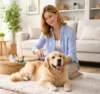
In canine geriatrics, the skin and coat serve as the primary diagnostic mirrors of internal health. As dogs cross into their senior years, their physiological resilience diminishes, making standard grooming procedures potentially stressful or even painful. Grooming adjustments for age are not merely “gentler versions” of adult routines; they are adaptive care strategies designed to accommodate degenerative joint disease, thinning dermis, and sensory decline.
🔍 The “Invisible” Shift:
Aging causes a significant decrease in sebum production and skin elasticity. This means a senior dog’s skin is 50% more prone to micro-tears and thermal shock compared to their younger selves. Proper grooming adjustments for age focus on stabilizing these biological vulnerabilities while preserving the dog’s comfort and dignity.
This guide dives deep into the “Modern Wellness” approach to senior canine hygiene. We will explore how to transition from high-intensity grooming to Low-Stimulus sessions, how to identify age-related skin pathologies early, and how to adapt your environment to support mobility-challenged pets. Our goal is to ensure that grooming remains a therapeutic ritual rather than a physical burden.
Senior Care: The 3 Biological Pillars
To master grooming adjustments for age, we prioritize three critical areas of senior canine biology:
- Orthopedic Stability: Minimizing joint strain and preventing “fear-of-falling” anxiety.
- Dermal Integrity: Protecting the thinning skin barrier from friction and harsh chemicals.
- Cognitive Comfort: Reducing sensory overload for dogs with early-stage CDS (Cognitive Dysfunction).
The Biological Shift: How Aging Rewires the Coat and Skin
Understanding the internal physiological decline is the first step in mastering grooming adjustments for age. In senior dogs, the metabolic priority shifts away from “aesthetic maintenance” (hair and skin) toward “vital organ support.” This leads to a measurable deterioration in the structural integrity of the canine integumentary system.
1. Altered Hair Cycle Dynamics
As dogs age, the Anagen phase (active growth) shortens, while the Telogen phase (resting period) lengthens. This biological slowing is why grooming adjustments for age must be proactive: damaged fur in a senior dog may not fully regrow for months, leaving the skin vulnerable.
📉 Follicular Atrophy
Hair follicles become less productive, leading to symmetrical thinning. This isn’t just cosmetic; thinner fur means less protection against UV rays and temperature fluctuations.
🍂 Texture Modification
Loss of protein structure often makes the coat feel brittle or “wiry.” Standard slicker brushes may now cause micro-abrasions on these fragile shafts.
2. Epidermal Thinning and Barrier Fragility
Perhaps the most critical reason for grooming adjustments for age is the thinning of the epidermis. The skin becomes “papery,” losing the cushion of subcutaneous fat that once protected the dog during brushing or bathing.
- Sebaceous Gland Hypofunction: Older dogs produce significantly less sebum (natural oils). This leads to chronic Xerosis (dry skin), making them highly susceptible to dander and “itch-scratch” cycles that can quickly escalate into infections.
- Reduced Vascularity: Blood flow to the skin surface decreases with age. This means minor grooming nicks or brush burns take much longer to heal and are more prone to secondary bacterial Pyoderma.
⚠️ The “Cold Shock” Factor:
Due to reduced body fat and slower circulation, senior dogs cannot generate heat as effectively after a bath. Grooming adjustments for age must include immediate, high-efficiency drying to prevent a dangerous drop in core body temperature.
Why Early “Adaptive Grooming” is Mandatory
Waiting for a skin infection or a grooming injury to occur is a reactive approach. Implementing grooming adjustments for age today supports Long-Term Skin Integrity. By acknowledging that your dog’s skin is no longer a “tough shield” but a “fragile barrier,” you preserve their comfort and prevent the psychological trauma often associated with painful grooming sessions in old age.
Decoding the Silent Signals: Identifying Senior Grooming Challenges
Senior dogs rarely communicate pain through vocalization; instead, they use subtle “avoidance behaviors.” Mastering grooming adjustments for age requires a shift from being a “groomer” to being a “biometric observer.” You must recognize when a physical limitation is being masked by behavioral anxiety.
1. Orthopedic Fatigue and Proprioceptive Decline
Physical stamina is the most significant hurdle in senior care. What we perceive as “restlessness” is often a dog’s desperate attempt to redistribute weight away from aching joints.
⚠️ The Fear of Falling (Proprioception):
Aging dogs lose their “body map”—the neurological ability to sense where their paws are on a surface. On slippery grooming tables or tubs, this leads to a state of constant micro-panic. Grooming adjustments for age must prioritize high-traction surfaces to lower the dog’s cortisol levels.
- Joint Range of Motion (ROM): Arthritis often affects the hips and shoulders. Forcing a senior dog to “shake” or lift a paw too high for nail trimming can cause acute synovial inflammation. Always groom the limb in its natural, low-gravity position.
- Muscle Sarcopenia: Loss of muscle mass means the dog has less “padding” against hard surfaces. Standing for 30 minutes is equivalent to a marathon for a dog with advanced sarcopenia.
2. Behavioral Manifestations of Somatic Pain
When a senior dog snaps or flinches during brushing, it is rarely a temperament issue; it is a pain response. Cognitive changes also play a role in how they process sensory input.
🧠 Cognitive Dysfunction (CDS)
Senior dogs may become “disoriented” by the sound of a hair dryer or the sensation of water. This sensory overload is a hallmark of canine dementia, requiring a much slower, quieter approach.
⚡ Hyperesthesia
Thinning skin makes nerve endings more exposed. A brush stroke that felt like a massage two years ago may now feel like a sharp scratch due to increased dermal sensitivity.
3. The Redefinition of “Efficiency”
The greatest grooming adjustment for age is accepting that “done is better than perfect.” A senior dog does not need a show-quality finish; they need functional hygiene that preserves their energy.
- Threshold Monitoring: Watch for “panting without heat”—a classic sign of stress and pain.
- Posture Collapse: If the dog’s head begins to droop or their hind legs tremble, the session must end immediately, regardless of how much fur is left to brush.
Modern Wellness Tip: Consider grooming your senior dog while they are lying down. Using a comfortable orthopedic bed as a “grooming station” eliminates the stress of standing and allows for a more relaxed, therapeutic experience.
The Gentle Path: Building a Low-Impact Senior Routine
As dogs enter their golden years, grooming shifts from a routine chore to a health-monitoring ritual. Cognitive decline (CCD) and physical ailments like arthritis make standard grooming sessions stressful. Mastering Grooming Adjustments for Age means prioritizing your dog’s emotional safety and joint integrity over a perfect “salon look.”
1. Micro-Sessions: Managing the Energy Bank
A senior dog’s “energy bank” is limited. Standing for 30 minutes can cause significant inflammation in aging hips. The most effective Grooming Adjustments for Age involve breaking down the process into 5-10 minute “Micro-sessions.”
⏱️ The “Two-Part” Rule:
Never try to brush, trim nails, and clean ears in one sitting.
- Monday: Brushing the torso.
- Tuesday: Paw and nail maintenance.
This prevents the cumulative stress that leads to “grooming burnout” in seniors.
2. Environmental Ergonomics
Older dogs often suffer from Proprioception loss—they aren’t quite sure where their feet are. A slippery bathtub or a cold floor feels like an ice rink to them, triggering a spike in cortisol.
🛑 Non-Slip Foundations
Replace hard surfaces with yoga mats or orthopedic foam during grooming. Stability reduces the “fear of falling,” allowing the dog to relax their muscles.
🔇 Sensory Dampening
Senior dogs are sensitive to high-frequency sounds. Switch to quiet, professional-grade clippers and avoid using high-velocity dryers near the head.
3. Predictability as a Calming Aid
For a dog with sensory loss (diminished sight or hearing), surprises are terrifying. Use tactile cues—a gentle double-tap on the shoulder before you begin—to signal the start of a session. Consistency in your Grooming Adjustments for Age builds a “safety map” for your dog to rely on.
🔍 The Health-Surveillance Scan
Use grooming time to monitor for Lipomas (fatty lumps), skin tags, or changes in muscle mass. In senior dogs, these “adjustments” aren’t just for comfort—they are your early warning system for age-related conditions.
Looking for a full-season strategy? Explore our foundational guide: Essential Seasonal Grooming Tips for Every Dog.
Choosing Age-Appropriate Grooming Tools and Avoiding Injury

As biological resilience fades, the margin for error during grooming narrows. Grooming adjustments for age must include a rigorous audit of your toolkit. Equipment designed for robust adult coats can be catastrophic for the “papery” epidermis and brittle skeletal structure of a senior pet.
1. The Senior-Friendly Toolkit: Comfort Engineering
Modern grooming adjustments for age prioritize tools that minimize mechanical stress on the skin and joints.
🛡️ Soft-Touch Bristles
Transition to natural boar hair or ultra-flexible silicone brushes. These distribute natural oils without the “raking” effect of metal pins, which can cause micro-bruising on thin-skinned seniors.
🛑 High-Traction Matting
Standard towels are insufficient. Use industrial-grade rubber bath mats or yoga mats to provide the “grip feedback” necessary for arthritic joints to feel secure.
2. Tools to “Retire” for Senior Care
- High-Vibration Clippers: The intense vibration and decibel levels of professional clippers can trigger Cortisol spikes in dogs with cognitive decline. Opt for low-noise, cordless trimmers.
- Traditional Deshedding Blades: These often use sharp, stainless steel edges that are too aggressive for senior aging dog skin care. Use a damp microfiber cloth or a rubber curry palm-brush instead.
Bathing and Drying Adjustments for Aging Dogs
Bathing a senior dog is a high-energy metabolic event. Every grooming adjustment for age in the tub should focus on “Conservation of Energy” and “Thermal Stability.”
Strategic Hydration and Cleaning
Full submersion baths are often unnecessary and physically taxing. Consider these expert-level grooming adjustments for age:
- The 70/30 Rule: Maintain 70% of their hygiene through waterless shampoos and spot-cleaning (paws and perianal areas) and only 30% through full baths.
- Therapeutic Oatmeal Solutions: Use colloidal oatmeal-based soaps to soothe chronic Xerosis (dryness) common in aging dogs.
💡 The “Chilled-to-Bone” Risk
Senior dogs have lower body fat and cannot shiver efficiently to regain heat. Safe drying techniques must be immediate. Use a microfiber drying robe or a hairdryer on a “Cool-Pulse” setting. Never leave a damp senior dog in a room with air conditioning or drafts.
Post-Bath Recovery Routine
After bathing, a senior dog’s joints may be stiff from standing. Incorporate 5 minutes of Passive Range of Motion (PROM) exercises—gentle leg stretches—while they are wrapped in a warm towel to prevent post-grooming lameness.
Managing Coat Changes Without Over-Grooming
As a dog’s metabolism slows, the biological priority for “hair production” drops. Grooming adjustments for age must pivot from aesthetic styling to thermal preservation. Every hair you remove from a senior dog is a piece of their natural insulation that may take 3x longer to regrow than in their youth.
1. The Science of “Mosaic Shedding” in Seniors
In younger dogs, shedding is often synchronized. In seniors, this becomes “Mosaic Shedding”—irregular, patchy hair loss driven by fluctuating hormone levels and slower cellular turnover. Understanding this is a core part of effective grooming adjustments for age.
📉 Slower Follicular Regeneration:
A senior dog’s hair follicles spend more time in the Khenogen phase (empty follicles). Over-grooming or “stripping” the coat can leave the skin exposed to environmental irritants and UV damage for months. The goal is maintenance, not total hair removal.
2. Strategies for Gentle Maintenance
To support aging dog skin care, we must minimize mechanical friction. Here is how to adapt your technique:
- The “Zero-Pressure” Technique: Instead of pulling the brush through the coat, use short, flicking motions. Let the bristles do the work without pressing down on the thinning dermis.
- Strategic Detangling: Use a waterless conditioner spray to lubricate mats before attempting to brush them. This prevents “skin-tug,” which can be excruciating for dogs with reduced skin elasticity.
- Sectional Grooming: Never attempt a full body brush-out in one sitting. Focus on “High-Friction Zones” (armpits, collar area, and behind ears) first, and save the rest for later.
3. Supporting the Lipid Barrier
A senior dog’s coat often looks “dull” because of Sebaceous gland atrophy. Rather than bathing to add shine, focus on grooming adjustments for age that preserve the existing lipid barrier.
💡 Pro Tip: The “Warm Damp Cloth” Method
Instead of daily brushing, use a warm, damp microfiber cloth to “wipe” the coat. This mimics a mother dog’s grooming, stimulating circulation and removing surface dust without the abrasive friction of a brush. It’s the ultimate Low-Stimulus adjustment for very old or sensitive dogs.
Proven Grooming Adjustments for Age That Improve Quality of Life

In the final life stage, grooming shifts from a chore to a clinical touchpoint. The most effective grooming adjustments for age are those that treat the dog as a patient requiring physical therapy. By focusing on ergonomic support and sensory regulation, we can transform a potentially exhausting event into a session that actively boosts vitality.
1. Orthopedic Alignment and “Low-Gravity” Grooming
Arthritis and degenerative myelopathy make standing a source of acute somatic pain. Modern grooming adjustments for age advocate for a “low-gravity” approach where the dog’s skeletal system is never fully under load.
🧬 The “Neutral Limb” Principle:
Never pull a senior dog’s limb outward or upward. Instead, support the joint from underneath in its anatomical neutral position. This prevents synovial pinching and allows you to trim nails or brush legs without triggering a defensive pain reflex.
- Soft-Station Grooming: Move the grooming session to a memory foam orthopedic bed. This provides pressure-point relief for the hips while you work on the upper body.
- The “Three-Point” Support: When standing is necessary, use your own body or a padded sling to provide a “third point of contact,” stabilizing the dog’s fluctuating center of gravity.
2. Grooming as a Diagnostic Intervention
Because you are touching every inch of the body, grooming adjustments for age provide the best opportunity for Early Malignancy Detection. Senior dogs are “lumpy” by nature, but not all lumps are benign.
🔄 Circulatory Boost
Gentle, long strokes with a soft brush act as a lymphatic massage, aiding in the removal of metabolic waste from tissues—critical for dogs with reduced mobility.
🔎 Skin Mapping
Use grooming sessions to check for pressure sores (decubital ulcers) on elbows and hocks, which can develop quickly in seniors who spend more time lying down.
3. Emotional Stewardship and Dignity
Cognitive decline can make senior dogs feel “lost” during grooming. Grooming adjustments for age must include auditory and olfactory anchoring.
- Predictable Touch: Always maintain one hand on the dog’s body to provide constant sensory feedback, preventing the “startle reflex.”
- The “Dignity” Trim: Focus heavily on the “Sanitary Square”—the area under the tail and around the paws—to prevent urine scalding and slipping, the two biggest threats to a senior dog’s daily comfort.
Expert Verdict: The Quality of Life Connection
When we master grooming adjustments for age, we aren’t just cleaning a pet; we are performing a wellness check that can add months of comfort to their life. A dog that can walk without long nails clicking, sleep without itchy skin, and stand without slipping is a dog with a significantly higher Quality of Life (QoL) score.
Grooming Adjustments for Age: FAQ & Daily Wellness Protocol
Consistency is the antidote to senior grooming anxiety. By implementing a predictable Daily Wellness Protocol, you transform grooming from a “scary event” into a reassuring ritual that supports both physical health and emotional stability.
Frequently Asked Questions (FAQ)
Q1: How often should senior dogs be groomed?
Expert Answer: Shift to “Micro-Sessions.” Instead of one long monthly session, perform 5–10 minute “touch-ups” 3 times a week. This maintains the coat without taxing their limited cardiovascular and orthopedic stamina.
Q2: What is the biggest mistake owners make with senior grooming?
Expert Answer: Forcing a dog to stand for long periods. Grooming adjustments for age must include allowing the dog to sit or lie down. Stability is the foundation of comfort; a dog that feels they might fall will never relax.
Q3: When should I switch to a professional “Senior Specialist” groomer?
Expert Answer: If your dog has severe mobility issues, heart murmurs, or Cognitive Dysfunction. Professionals trained in Low-Stress Handling have specialized equipment like slings and hydraulic tables that ensure safety for high-risk seniors.
The Senior Daily Grooming Checklist
Use this checklist as a 60-second “wellness audit” to catch age-related issues before they become clinical emergencies.
- Tactile Body Scan: Palpate for new lumps, heat in joints, or Decubital Ulcers (sores) on elbows/hocks.
- Ocular & Aural Check: Wipe tear stains and check for “yeasty” odors in ears—seniors are more prone to infections due to reduced immunity.
- Interdigital Inspection: Check for “splayed paws” or hair growth between pads that could cause slipping on floors.
- Hygiene Audit: Ensure the “Sanitary Zone” is clean to prevent urine scalding or dermatitis.
Conclusion
Mastering grooming adjustments for age is one of the most compassionate ways to honor your dog’s senior years. By evolving your routine to match their biological reality, you preserve their dignity and provide a sense of security when they are at their most vulnerable. Remember: in senior care, comfort is the only metric of success. With patience and adaptive techniques, you can ensure their “golden years” are spent feeling clean, pain-free, and profoundly loved.
Find More Dog Care Guides
Continue exploring practical guides related to this topic.