
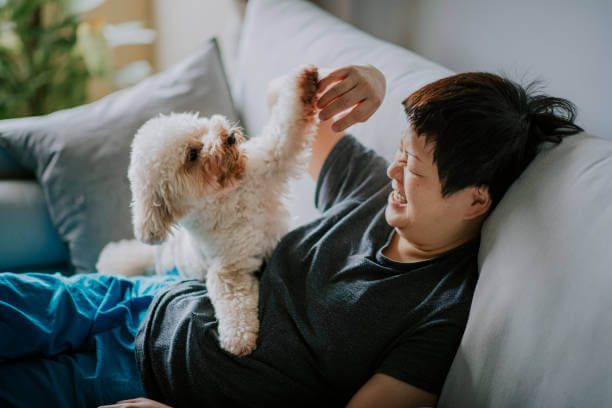
As temperatures drop, your pet’s coat undergoes a significant biological shift. For many breeds, this means a denser undercoat for insulation. However, modern indoor heating combined with freezing outdoor air creates a “moisture vacuum,” leading to Static Overload and Transepidermal Water Loss.
Effective Winter Coat Care requires a strategic pivot from the light maintenance of summer to a high-moisture, protective protocol. Without proper intervention, coats can become matted, skin can become chapped, and exposure to toxic de-icing agents can lead to serious paw and skin irritation. This comprehensive guide outlines the professional techniques needed to shield your pet’s coat from the winter elements, ensuring they remain warm, comfortable, and healthy throughout the coldest months of the year.
- Moisture Retention: Fighting the drying effects of central heating.
- Environmental Defense: Neutralizing the impact of snow, salt, and chemicals.
- Dermatological Support: Preventing “Winter Itch” through nutrition and topical care.
Strategic Brushing: Preserving the Coat’s Insulative Power
In Winter Coat Care, brushing serves a dual purpose: it removes necrotized follicles and, more importantly, it maintains the “loft” of the undercoat. A fluffy, well-brushed undercoat traps a layer of warm air against the skin—providing the most efficient natural insulation available. Conversely, matted fur loses its thermal properties and can lead to Dermatitis due to trapped moisture.
🛠️ The Slicker & Rake Combo
Essential for double-coated breeds. The Undercoat Rake pulls out dead fluff, while the Slicker Brush aligns the outer guard hairs to repel snow and slush.
✨ Natural Bristle Brushes
Perfect for short-haired breeds. These brushes excel at distributing Sebum (natural oils) from the skin to the tips of the hair, creating a biological moisture barrier.
The Winter Brushing Protocol: Zones of Focus
Winter grooming should be systematic. Start from the head and move toward the tail, paying particular attention to “friction zones” where snow and ice tend to accumulate and form mats.
| Zone | Winter Priority |
|---|---|
| Paws & “Feathers” | High. Check for ice balls and road salt trapped in long fur. |
| Belly & Underarms | Critical. Moisture from snow can lead to chafing and rapid matting. |
| Behind Ears | Daily. High-friction areas that often develop “static knots” in dry air. |
💡 Pro Winter Tip: To combat Static Electricity during indoor brushing, lightly mist your brush with a water-based, pet-safe leave-in conditioner. This neutralizes the ionic charge and prevents hair from “flying” while adding an extra layer of hydration to the coat.
For comprehensive year-round care, don’t forget to review our guide on Essential Seasonal Grooming Tips for Every Dog.
Hydration-Focused Bathing: Protecting the Lipid Barrier
During the colder months, a dog’s skin is under constant assault from dry indoor heat and freezing outdoor humidity. Traditional bathing can inadvertently strip away the Lipid Barrier—the thin layer of oils that prevents Transepidermal Water Loss. To maintain optimal Winter Coat Care, your bathing routine must shift from “cleaning” to “hydrating.”
🌾 Oatmeal & Aloe
These anti-inflammatory ingredients soothe “Winter Itch” caused by central heating and help lock in moisture without disrupting the skin’s natural pH balance.
🧴 Leave-In Conditioners
Acts as a “moisture seal.” Applying a pet-safe leave-in spray after towel-drying provides an extra layer of protection against static electricity and snow.
Bathing Frequency: The 4-Week Rule
Unless your dog has been playing in deep mud, aim for a full bath only once every 3–4 weeks. Excessive washing leads to Xerosis (abnormally dry skin), which causes flaking and discomfort. Use waterless shampoos or pet wipes for “spot cleaning” high-impact areas like the paws and belly between full baths.
The Frontline: Advanced Paw Pad Defense
Paw pads are the most vulnerable point of contact during winter. They face a “Triple Threat”: sub-zero ice, abrasive road salt, and highly toxic Antifreeze (Ethylene Glycol). Effective Winter Coat Care must include a robust paw maintenance protocol to prevent chemical burns and ingestion of toxins.
1. Pre-Walk Barrier
Apply a thick layer of wax-based Paw Balm to create a physical shield against salt and ice buildup.
2. Post-Walk Decontamination
Rinse paws with lukewarm water immediately to remove corrosive salts and Antifreeze residue.
3. Inspections
Check for “Ice Balls” between toes. These act like pebbles, causing significant pain and skin stretching.
⚠️ Toxic Alert: Road salt and de-icing chemicals are highly irritating. If your dog starts licking their paws excessively after a walk, they may be ingesting toxins. Always rinse thoroughly and consider dog booties for maximum protection.
Managing the “Winter Blow”: Shedding Control Strategies
While general shedding slows down in cold weather, many dogs experience a “Coat Blow” as they transition into their dense winter undercoat. Effective Winter Coat Care involves capturing this loose fluff before it weaves into your furniture and irritates your pet’s skin.
⛏️ Undercoat Rakes
Designed to reach through the guard hairs and pull out dead insulation fluff. This is the gold standard for double-coated breeds to prevent painful matting.
🧤 Silicon Grooming Gloves
Perfect for “Static-Prone” breeds. The silicon tips create a gentle suction-like effect that lifts loose hair while providing a soothing massage.
Combating Indoor Static & Dryness
Central heating is a primary culprit for Brittle Hair Syndrome during winter. When indoor humidity drops below 30%, the hair shaft becomes fragile and prone to breakage. Consider running a Humidifier in your dog’s primary sleeping area to maintain an ambient humidity of 45-50%, which naturally reduces static and keeps the coat supple.
Thermal Comfort: Protecting the Coat from Cold Stress
A dog’s coat is their first line of defense, but extra environmental support is often necessary for short-haired or senior dogs. Protecting them from “Floor Drafts” is essential for total Winter Coat Care.
🏠 The Draft-Free Sleeping Protocol
- Elevated Bedding: Keep your dog 4–6 inches off the ground to avoid the cold “conduction” from tile or hardwood floors.
- Layered Insulation: Provide machine-washable fleece blankets that trap heat without being heavy enough to crush the coat’s natural loft.
- Strategic Placement: Ensure beds are away from doorways and windows where micro-drafts can cause localized chilling.
Apparel Etiquette: Avoiding “Sweater Mats”
While sweaters provide vital warmth, the constant friction against the fur can lead to severe matting in high-movement areas like the armpits and neck. To prevent this, always brush your dog after removing their clothing to realign the hair fibers and eliminate any friction-induced knots.
💡 Pro Comfort Tip: For senior dogs, a self-warming thermal mat (which reflects their own body heat) is safer than an electric heating pad, as it eliminates the risk of burns or electrical issues while providing consistent, natural warmth.
The Winter Myth: Parasite Prevention in Cold Weather
A common misconception in Winter Coat Care is that fleas and ticks vanish during the first frost. In reality, modern home heating creates a perfect Micro-Climate for parasites to thrive indoors. Ticks remain active whenever temperatures rise above $4^{\circ}\text{C}$ ($40^{\circ}\text{F}$), making consistent year-round prevention a biological necessity.
🔍 Targeted Spot Checks
Winter coats are dense, making it easier for parasites to hide. Use a fine-toothed flea comb to inspect the “Warm Zones”: behind ears, the inguinal area (groin), and deep between paw pads.
🏠 Environmental Sanitization
Utilize Thermal Sanitization by washing pet bedding in water at least $60^{\circ}\text{C}$ ($140^{\circ}\text{F}$). This temperature is critical to neutralize flea larvae and eggs embedded in fabric fibers.
Secondary Risks: Scratching & Coat Damage
Parasite-induced itching leads to obsessive scratching, which physically breaks the Guard Hairs of the winter coat. Once this protective outer layer is compromised, moisture from snow can penetrate the undercoat more easily, leading to rapid body heat loss and increased risk of hypothermia.
- Internal Parasite Check: Monitor for restlessness or “scooting,” as indoor-active fleas are prime carriers for tapeworm larvae.
- HEPA Extraction: Vacuum baseboards and under-furniture gaps weekly. Flea pupae can remain dormant in these low-vibration areas for months.
- Moisture Control: Ensure bedding is 100% dry before use. Damp fabrics in a heated home are a primary breeding ground for both parasites and fungal spores.
Nail & Eye Care Integration
Winter maintenance extends beyond the fur. Nails must be kept short to ensure proper Traction Mechanics on icy surfaces, preventing joint strain. Additionally, check eyes for “Winter Squinting”—often caused by the harsh glare of sun on snow (snow blindness) or irritation from salt-laden dust.
💡 Pro Inspection Tip: When using a flea comb, keep a bowl of soapy water nearby. If you find “Flea Dirt” (tiny black specks), drop them in the water. If they turn red/rusty, it’s digested blood—a positive sign of an active flea presence.
Internal Hydration: The Foundation of Skin Elasticity
While topical treatments are vital, Winter Coat Care begins internally. Dehydration during winter is often overlooked because pets don’t pant as much as they do in summer. However, a lack of fluid intake lead to Epidermal Chapping and a brittle hair shaft, making the coat more susceptible to breakage and matting.
💧 Moisture-Rich Diet
Incorporate low-sodium bone broth or warm water into dry kibble. This not only increases total water intake but also helps maintain the Viscosity of Natural Oils produced by the skin.
🧪 Nutritional Support
Consult your vet about Omega-3 and Omega-6 supplements (like fish oil). These fatty acids are essential for repairing the cellular barrier and reducing the “Winter Itch” caused by central heating.
Monitoring for “Winter Xerosis” (Dry Skin)
Xerosis, or pathologically dry skin, is common when indoor humidity drops below 30%. Inspect your dog’s coat daily by parting the fur to check the skin surface. Look for fine white flakes or redness in high-friction areas like the underarms and belly. If dryness is detected, utilize a Pet-Safe Humectant (like coconut oil or aloe-based sprays) to provide immediate topical relief.
The “Deep-Dry” Protocol: Preventing Winter Hot Spots
In cold weather, moisture is the enemy of skin health. If a dense winter undercoat remains damp—whether from snow or a bath—it creates a stagnant, warm micro-environment perfect for Pyoderma and fungal infections. Mastering Winter Coat Care requires a rigorous drying strategy.
- Multi-Towel Absorption: Use highly absorbent microfiber towels to remove 80% of surface moisture immediately after outdoor activity.
- High-Velocity, Low-Heat: Use a pet-specific dryer to “blast” water out of the undercoat. Avoid high heat, which can cause Thermal Skin Shock in already dry winter air.
- The “Comb-Through” Check: Always run a fine-tooth comb through the “armpits” and groin area to ensure no damp mats are forming.
Fueling the Coat: Winter Nutritional Support
A resilient winter coat is built from the inside out. During the colder months, a dog’s body directs significant protein and energy toward maintaining Follicular Growth and thermal regulation.
🐟 Essential Fatty Acids
Supplementing with Omega-3 (EPA/DHA) provides the building blocks for the skin’s lipid barrier, preventing the dreaded “Winter Flake.”
🥩 Bioavailable Protein
Hair is 90% protein. Ensuring high-quality amino acid intake during winter supports the density of the undercoat for better natural insulation.
💡 Pro-Groomer Insight: Never let your dog “air dry” in a cold room during winter. The evaporative process pulls even more heat away from their body, increasing the risk of hypothermia while leaving the skin vulnerable to irritation.
The Winter Wellness Tracker: Daily Grooming Protocol
A structured routine is the most effective way to ensure consistent Winter Coat Care. By breaking down tasks into morning and evening windows, you prevent minor issues—like ice balls or salt irritation—from escalating into medical concerns.
- Static Sweep: Lightly brush to realign guard hairs and remove overnight dander.
- Aural Check: Inspect ears for wax buildup—common in dogs wearing snoods or hats.
- Paw Shield: Apply wax-based balm before the first walk to block road salt.
- Decontamination: Rinse paws with lukewarm water to remove corrosive de-icing agents.
- Moisture Audit: Inspect high-shed areas (belly/neck) for redness or “Sweater Mats.”
- Microclimate Prep: Ensure the bedding is dry and positioned away from window drafts.
💡 Pro Tip: If your dog has a particularly long coat, consider a “Winter Trim”—not a shave, but a neatening of the feathers around the paws and belly. This significantly reduces the surface area where ice and salt can cling, making post-walk cleanup 50% faster.
Winter Grooming Intelligence: FAQ
Navigating Winter Coat Care can be complex. Below are the clinical answers to the most common concerns regarding canine hygiene during the frost season.
💎 How often should I bathe my dog in winter?
Most breeds only require a full bath every 3–4 weeks. Over-bathing in winter strips away essential lipids. Utilize waterless shampoos or pet wipes for “spot cleaning” paws and bellies after walks to maintain hygiene without causing xerosis (dry skin).
💎 Can indoor heating actually damage my dog’s coat?
Yes. Forced-air heating significantly reduces indoor humidity, leading to Brittle Hair Syndrome and static electricity. Regular brushing and maintaining 45-50% indoor humidity are key to preventing a dull, dry coat.
💎 How do I identify grooming-related stress?
Watch for Lip Licking, trembling, or yawning. These are displacement behaviors indicating anxiety. Keep winter sessions short (10-15 mins) and use high-value rewards to build a positive Winter Coat Care association.
The Winter Protection Protocol: Key Takeaways
- Mechanical Brushing: Essential for maintaining “Loft” (air-trapping) in the undercoat.
- Dermatological Defense: Use moisturizing oatmeal-based shampoos to protect the lipid barrier.
- Chemical Neutralization: Always rinse paws after walks to remove corrosive road salts and toxic antifreeze.
- Thermal Integrity: Provide elevated, draft-free bedding to prevent conductive heat loss.
- Parasite Vigilance: Maintain flea/tick prevention due to indoor micro-climates.
Mastering Winter Resilience
Consistent Winter Coat Care is more than a hygiene routine; it is a vital shield for your dog’s total wellness. By understanding the biological impact of cold air and indoor heating, you can proactively protect your companion from skin irritation, thermal stress, and environmental toxins. A well-maintained coat is a warm, happy dog.
— Stay Warm, Stay Healthy. The PetCareCompass Team
Find More Dog Care Guides
Continue exploring practical guides related to this topic.