

Keeping your dog mentally stimulated is just as crucial as physical exercise. Brain games for dogs help develop problem-solving skills, improve memory, and reduce anxiety. Dogs that are mentally engaged are less likely to develop destructive behaviors and more likely to be calm and focused throughout the day. By incorporating fun cognitive challenges into daily routines, you can support both your dog’s happiness and overall well-being.
Cognitive Benefits
- Enhances problem-solving skills: Dogs learn to figure out puzzles or tasks, boosting intelligence.
- Improves memory and learning: Repeating tasks and games strengthens recall.
- Increases focus and patience: Solving challenges teaches self-control and concentration.
Highlight tip: Start with simple tasks and gradually increase complexity to build confidence and prevent frustration.
Emotional and Behavioral Advantages
- Reduces boredom-related destructive behaviors.
- Encourages independent play and self-entertainment.
- Builds confidence as dogs successfully complete challenges.
Mini case study: A high-energy Border Collie that chewed furniture daily showed marked improvement after one month of daily brain games, becoming calmer and more attentive.
How Mental Stimulation Impacts Overall Health
- Promotes calmness and reduces anxiety.
- Encourages healthy habits like slower eating when used with treat puzzles.
- Supports cognitive longevity in older dogs, reducing age-related decline.
Tip: Many dog trainers recommend at least 15–20 minutes of mental stimulation daily alongside physical exercise.
Types of Brain Games for Dogs
There are numerous games suitable for dogs of all ages and skill levels. Selecting the right type ensures consistent engagement and maximum mental stimulation.
Puzzle-Based Games
- Treat-dispensing puzzles: Require dogs to manipulate pieces to get rewards.
- Sliding or compartment puzzles: Challenge memory and dexterity.
- Multi-step puzzles: Encourage strategic thinking through sequential challenges.
Highlight tip: Rotate puzzles to maintain interest and prevent boredom.
Scent and Nose Work Games
- Snuffle mats: Hide kibble or treats in fabric folds for sniffing challenges.
- Hide-and-seek scent games: Encourage dogs to follow scent trails.
- Tracking exercises: Teach dogs to locate hidden treats around the house.
Tip: Scent games are especially beneficial for breeds with strong olfactory instincts, like Labradors and Beagles.
Physical + Mental Combo Games
- Obstacle courses with cognitive challenges.
- Fetch games requiring memory or problem-solving before retrieving.
- Hide-and-retrieve activities that test both memory and physical agility.
Highlight tip: Combining mental and physical exercise enhances engagement and overall health.
How to Introduce Brain Games to Your Dog
Introducing new brain games for dogs gradually ensures a positive learning experience and prevents frustration.
Start Simple
- Begin with easy puzzles or treat-dispensing toys.
- Keep sessions short (5–10 minutes).
- Supervise closely to guide your dog when needed.
Highlight tip: Celebrate small successes with praise or treats to reinforce positive behavior.
Encourage Independent Play
- Reward calm exploration rather than forcing interaction.
- Gradually increase complexity once your dog shows confidence.
- Allow dogs to approach new games at their own pace.
Troubleshooting Common Challenges
- Loss of interest: Rotate games to maintain excitement.
- Frustration: Simplify puzzles or reduce treat difficulty.
- Short attention span: Use multiple short sessions instead of long, tiring ones.
Internal link placement: For more ways to boost mental stimulation, see our Mental Stimulation for Dogs at Home guide.
DIY Brain Games You Can Make at Home
Homemade brain games are cost-effective and customizable, letting you adjust difficulty to your dog’s skill level.
Cardboard Puzzles
- Folded cardboard compartments hide small treats.
- Encourage problem-solving by requiring dogs to open flaps or pull tabs.
Cup and Treat Challenges
- Hide treats under cups and shuffle to create memory challenges.
- Start with fewer cups and gradually increase for more difficulty.
Highlight tip: Always use sturdy, non-toxic materials to prevent chewing hazards.
Sensory Bottles
- Fill plastic bottles with kibble or small toys.
- Encourage pawing and manipulation to release the reward.
Scent-Based DIY Games
- Hide treats in rolled towels or boxes.
- Place small scent trails around the room for a “treasure hunt.”
Tip: Rotate DIY games to keep your dog mentally engaged and curious.
Training Tips to Maximize Brain Game Benefits
Combining brain games for dogs with structured training increases cognitive engagement and ensures effective learning.
Positive Reinforcement Techniques
- Reward successes immediately with treats, praise, or petting.
- Gradually increase difficulty to maintain challenge.
- Repeat commands consistently to reinforce learning.
Highlight tip: Dogs respond best when learning is associated with fun and rewards.
Routine and Consistency
- Schedule daily short sessions at consistent times.
- Combine mental games with regular exercise for holistic enrichment.
- Use predictable cues for new games to build understanding.
Monitor Progress and Adjust
- Track completion speed and success rate.
- Rotate different game types to prevent predictability.
- Adjust complexity as your dog’s skills improve.
Benefits of Long-Term Brain Game Practice
Consistent practice of brain games for dogs supports both mental and physical health.
Mental Sharpness
- Enhances problem-solving abilities.
- Improves memory retention and learning adaptability.
- Strengthens focus and patience over time.
Behavioral Improvements
- Reduces destructive habits caused by boredom.
- Decreases anxiety and hyperactive behaviors.
- Encourages calm, confident responses to daily challenges.
Highlight tip: Dogs that engage in regular brain games are generally happier and easier to train.
Physical Health Benefits
- Puzzle feeders encourage slower eating and healthier digestion.
- Games that involve movement promote activity even indoors.
- Combining mental and physical challenges supports weight management.
Creative Brain Game Ideas for Everyday Use
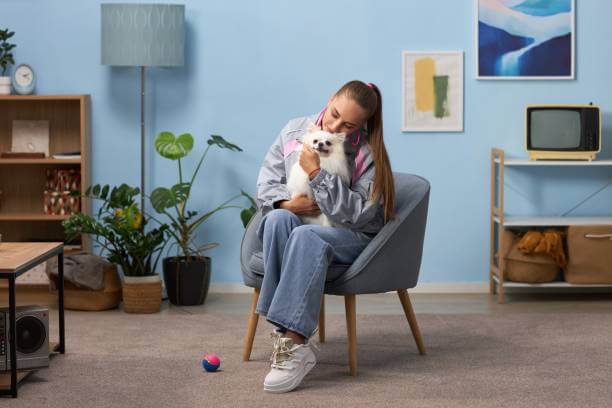
Incorporating variety keeps dogs engaged and mentally stimulated.
Rotate Toys and Challenges
- Alternate puzzle types and difficulty levels.
- Introduce sensory elements like different textures or scents.
- Observe preferences to refine game selection.
DIY Interactive Challenges
- Cardboard boxes with hidden treats.
- Cups shuffled with kibble underneath for memory tests.
- Frozen treats for extended problem-solving sessions.
Highlight tip: Even simple household items can become effective brain games if presented thoughtfully.
Pairing Games with Training
- Use games to reinforce obedience commands.
- Combine recall or sit commands with puzzle rewards.
- Introduce short training drills between play sessions.
Monitoring and Maintaining Engagement
Regular evaluation ensures your dog continues to benefit from brain games.
Track Performance
- Note how long it takes your dog to solve puzzles.
- Record engagement levels and signs of frustration or boredom.
Adjust Complexity
- Gradually increase difficulty for mentally agile dogs.
- Simplify if your dog shows repeated frustration.
- Rotate games frequently to prevent predictability.
Reward Successes
- Praise, pet, or treat after problem-solving.
- Encourage persistence and patience through positive reinforcement.
Highlight tip: Consistency and gradual challenges ensure long-term engagement and cognitive growth.
Daily Brain Game Routine Example
- Morning: 10-minute treat-dispensing puzzle session.
- Afternoon: 5–10 minutes of scent-based hide-and-seek.
- Evening: Short DIY cup challenge or card game.
Tip: Integrate games with mealtime, exercise, or training to make mental stimulation a natural part of the day.
DIY Brain Games You Can Make at Home
Creating homemade brain games for dogs is a fun and budget-friendly way to stimulate their minds. These activities can be customized to match your dog’s skill level and provide endless challenges using everyday household items.
Cardboard Puzzles
- Use folded cardboard to create compartments hiding treats.
- Encourage dogs to open flaps or move pieces to find the reward.
- Rotate the arrangement regularly to maintain engagement.
Highlight tip: Always ensure cardboard is clean and free from staples or sharp edges to keep play safe.
Cup and Treat Challenges
- Place treats under cups or small containers and shuffle them.
- Start with fewer cups, then gradually increase difficulty as your dog improves.
- Encourage memory and problem-solving through repetition.
Sensory Bottles
- Fill empty plastic bottles with kibble or small toys.
- Poke holes to let treats slowly fall out when pawed or nudged.
- Dogs learn persistence and dexterity while retrieving the reward.
Tip: Supervise first sessions to prevent chewing or ingestion of small parts.
Training Tips to Maximize Brain Game Benefits
Combining structured training with brain games for dogs ensures maximum cognitive engagement and behavioral benefits.
Positive Reinforcement Techniques
- Reward immediately with treats, praise, or gentle petting.
- Use clear and consistent commands for each game.
- Gradually increase complexity while maintaining motivation.
Routine and Consistency
- Schedule daily short sessions to build anticipation.
- Pair games with physical activity for holistic enrichment.
- Repeat familiar games to reinforce learning and confidence.
Monitoring Progress and Adjusting
- Track completion time, success rate, and attention span.
- Rotate games to prevent boredom and predictability.
- Simplify challenges if frustration appears, or increase difficulty to maintain engagement.
Highlight tip: Keeping a small log of progress helps tailor challenges to your dog’s learning pace.
Benefits of Long-Term Brain Game Practice
Consistent engagement in brain games for dogs provides mental, emotional, and physical benefits over time.
Mental Sharpness
- Improves problem-solving and reasoning skills.
- Enhances memory retention and learning adaptability.
- Strengthens focus and patience in daily tasks.
Behavioral Improvements
- Reduces boredom and associated destructive behaviors.
- Decreases anxiety and hyperactivity.
- Promotes calm, confident behavior in stressful situations.
Physical Health Benefits
- Encourages slower eating when combined with treat puzzles.
- Promotes activity even indoors through puzzle manipulation and problem-solving.
- Supports weight management and prevents sedentary behavior.
Highlight tip: Dogs that engage regularly in mental games are more trainable and adaptable to new situations.
Advanced Brain Games for Highly Skilled Dogs
For intelligent or high-energy breeds, basic games may become too easy. Advanced brain games for dogs challenge memory, reasoning, and problem-solving further.
Multi-Step Puzzle Toys
- Require sequential problem-solving to access rewards.
- Include sliding panels, hidden compartments, or multiple stages.
- Encourage strategic thinking and persistence.
Interactive Smart Toys
- App-controlled treat dispensers release food based on timing or task completion.
- Incorporate lights, sounds, or movement to increase challenge.
- Monitor progress and adjust difficulty through the app for continuous stimulation.
Highlight tip: Introduce smart toys gradually to prevent confusion and ensure a positive experience.
Long-Term Engagement Strategies
- Rotate complexity and toy types to maintain interest.
- Introduce occasional novelty games for mental variety.
- Pair games with short training exercises for extra cognitive benefits.
Combining Brain Games with Physical Exercise
Pairing cognitive challenges with physical activity ensures dogs receive complete enrichment.
Indoor Obstacle Courses
- Integrate hurdles, tunnels, and step puzzles.
- Reward correct navigation with treats or praise.
- Vary course layout regularly for novelty.
Active Hide-and-Seek Games
- Hide treats or favorite toys around the house.
- Encourage memory, scent tracking, and movement.
- Time challenges to increase excitement and engagement.
Highlight tip: Even short indoor sessions can significantly improve both mental sharpness and physical coordination.
Outdoor Brain Games
- Use scent trails, treat hunts, or interactive fetch games.
- Encourage decision-making while exploring new environments.
- Rotate locations to keep challenges stimulating.
Social and Interactive Brain Games
Some dogs thrive on social enrichment. Incorporating interactive brain games with other dogs or humans can enhance mental stimulation and social skills.
Cooperative Challenges
- Work together with your dog to solve multi-step puzzles.
- Teach commands during interactive play for engagement.
- Use group sessions carefully to prevent frustration or competition.
Observational Learning
- Allow your dog to watch another dog solve a puzzle.
- Encourage imitation and problem-solving through observation.
- Rotate roles to build skills for both dogs.
Tip: Social games can complement solo cognitive activities, especially for intelligent or highly social breeds.
Monitoring Progress and Adjusting Difficulty
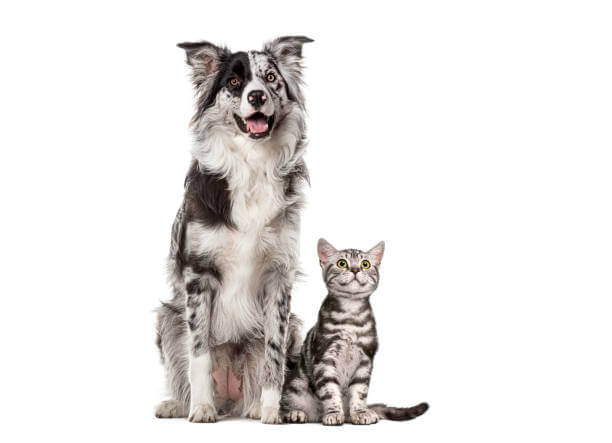
Maintaining engagement requires observing how your dog interacts with games and adjusting as needed.
Track Performance
- Record completion time and problem-solving success.
- Note signs of frustration or boredom.
- Identify games that keep attention longest for rotation purposes.
Adjust Challenge
- Increase difficulty gradually for fast learners.
- Simplify puzzles if repeated failure occurs.
- Introduce multi-step tasks or timed challenges for mental stimulation.
Highlight tip: Observing your dog closely ensures the games remain fun and effective, preventing negative associations.
Expert Recommendations for Brain Games
According to ASPCA Dog Enrichment Tips:
- Mental stimulation reduces anxiety and destructive behaviors.
- Games enhance cognitive function and learning capacity.
- Structured play promotes overall happiness and well-being.
Highlight tip: Experts recommend combining puzzle games, scent games, and DIY activities for a well-rounded enrichment program.
Conclusion and Takeaways
- Brain games for dogs transform playtime into an opportunity for cognitive growth.
- Proper selection, rotation, and difficulty adjustment maximize mental engagement.
- Daily short sessions, combined with praise and rewards, reinforce learning and confidence.
- Including social, physical, and scent-based challenges ensures holistic mental enrichment.
- Safe supervision, variety, and consistent monitoring maintain motivation and long-term benefits.
Tip: A well-structured enrichment routine helps your dog stay sharp, happy, and mentally balanced throughout their life.
Advanced Brain Games for Highly Skilled Dogs
For dogs that have mastered basic challenges, advanced brain games for dogs provide complex problem-solving opportunities, helping maintain mental sharpness and prevent boredom.
Multi-Step Puzzle Toys
- Require sequential problem-solving to access treats.
- Encourage persistence and patience.
- Often involve multiple compartments or sliding panels.
Highlight tip: Observe your dog the first few times to ensure safety and prevent frustration.
Interactive Smart Toys
- Timed or app-controlled feeders challenge dogs with rewards.
- Incorporate lights, sounds, or motion to increase engagement.
- Track progress to adjust difficulty as your dog improves.
Long-Term Engagement Strategies
- Rotate toys to maintain novelty.
- Introduce occasional DIY games for variety.
- Pair games with obedience or trick training for dual benefits.
Combining Brain Games with Physical Activity
Integrating mental challenges with physical movement boosts overall enrichment and fitness.
Indoor Obstacle Courses
- Include tunnels, low jumps, and puzzles.
- Reward correct navigation with treats or praise.
- Rearrange layouts to maintain novelty.
Active Hide-and-Seek Games
- Hide toys or treats around the house.
- Encourage memory, scent tracking, and physical movement.
- Time challenges to add excitement.
Highlight tip: Short indoor sessions can significantly improve cognitive and physical coordination.
Outdoor Brain Challenges
- Incorporate scent trails, treasure hunts, or fetch with obstacles.
- Encourage decision-making and problem-solving in new environments.
- Rotate locations to keep challenges stimulating.
Social and Interactive Brain Games
Some dogs thrive on social enrichment. Including other dogs or humans in brain games enhances mental stimulation and social skills.
Cooperative Challenges
- Solve multi-step puzzles together.
- Use games to practice commands and communication.
- Encourage teamwork and shared success.
Observational Learning
- Dogs learn by watching another dog solve a puzzle.
- Encourage imitation to build cognitive skills.
- Rotate roles to develop versatility and confidence.
Highlight tip: Social play complements solo mental challenges, especially for intelligent or social breeds.
Monitoring and Adjusting Brain Game Difficulty
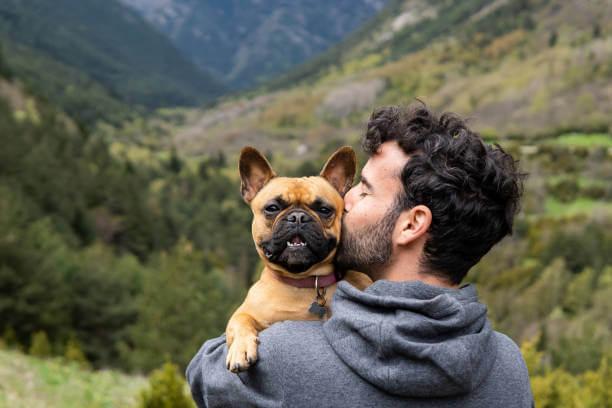
Regular evaluation ensures that your dog continues to benefit from cognitive challenges.
Track Performance
- Record time taken to solve puzzles.
- Note signs of boredom, frustration, or excitement.
- Identify preferred games for rotation.
Adjust Difficulty
- Increase challenge gradually for fast learners.
- Simplify tasks if repeated failure occurs.
- Introduce timed or sequential puzzles for advanced engagement.
Highlight tip: Close observation keeps games fun and effective, preventing negative associations.
FAQs About Brain Games for Dogs
How often should my dog play brain games?
- Daily short sessions (10–20 minutes) are ideal.
- Combine mental challenges with physical exercise for balance.
Are brain games suitable for all breeds?
- Yes, but choose puzzles or challenges appropriate to size, intelligence, and energy level.
Can brain games replace walks or physical activity?
- No, they complement physical exercise. Mental stimulation alone does not provide sufficient physical fitness.
Tip: Supervise initial sessions to ensure safety and engagement.
Daily Brain Game Checklist
- ✅ Rotate puzzles, scent games, and DIY activities.
- ✅ Supervise advanced or smart toys.
- ✅ Reward successful problem-solving.
- ✅ Monitor attention span and adjust session length.
- ✅ Track progress and adjust difficulty as needed.
- ✅ Maintain hygiene by cleaning toys regularly.
- ✅ Combine with physical exercise for holistic enrichment.
Highlight tip: A consistent routine maximizes cognitive, emotional, and physical benefits.
Expert Recommendations
According to ASPCA Dog Enrichment Tips:
- Mental stimulation reduces anxiety and destructive behaviors.
- Interactive brain games improve learning, memory, and focus.
- Structured play contributes to overall happiness and well-being.
Highlight tip: Combining puzzle games, scent challenges, and DIY activities ensures a well-rounded enrichment program.
Integrating Brain Games into a Balanced Routine
- Morning: Quick puzzle or treat-dispensing toy.
- Afternoon: Scent-based hide-and-seek or tracking activity.
- Evening: Interactive DIY or multi-step puzzle session.
Tip: Pairing mental challenges with training, play, and physical activity encourages comprehensive cognitive development.
Conclusion
Engaging your dog in brain games for dogs provides far-reaching benefits that extend beyond simple entertainment. These activities stimulate cognitive function, enhance problem-solving skills, and strengthen memory, keeping dogs sharp and attentive. Regular mental challenges also reduce anxiety, prevent destructive behaviors, and encourage confidence and independence. By offering a variety of puzzle toys, scent-based activities, DIY challenges, and interactive games, owners can create a dynamic, rewarding routine that balances mental and physical enrichment. With consistent practice, supervision, and positive reinforcement, brain games become an essential tool for nurturing a dog’s intelligence, happiness, and overall well-being, ensuring they remain mentally stimulated and emotionally fulfilled throughout their life.
