

Training games are a proven way to keep your dog mentally sharp, emotionally balanced, and fully engaged at home. These games not only stimulate canine intelligence but also strengthen obedience skills and encourage interactive play. Whether you have a playful puppy or a mature dog, these methods make learning fun and rewarding. Many dog owners focus mainly on physical activity, but mental exercise is just as crucial. By incorporating training games into your routine, you can prevent boredom, reduce anxiety, and enhance your dog’s overall well-being. This guide provides actionable tips, step-by-step exercises, and creative ideas to boost dog engagement and make learning a positive experience for both you and your pet.
Benefits of Training Games for Dogs
Understanding the advantages of training games helps ensure consistent practice. When dogs receive proper mental stimulation, they are more attentive, less anxious, and more responsive to commands. Training games are essential for overall health, improving behavior, and building a stronger bond between you and your dog.
Cognitive Benefits of Training Games
Training games stimulate your dog’s mind in ways that simple walks or playtime cannot. By challenging your dog to solve problems and follow cues, you enhance their mental sharpness.
- Boosting Canine Intelligence: Complex tasks like puzzle games or scent detection exercises improve problem-solving abilities and memory.
- Enhancing Problem-Solving Skills: Games that require multiple steps, such as finding hidden treats, encourage dogs to think creatively.
- Encouraging Focus Exercises: Short, structured sessions where your dog must concentrate on a single task help improve attention span and obedience.
Tip: Start with simple challenges and gradually increase difficulty to maintain engagement without causing frustration.
Emotional and Behavioral Advantages
Training games go beyond intellect; they also provide emotional and behavioral benefits.
- Reducing Anxiety Through Interactive Play: Regular mental challenges help prevent stress and separation anxiety.
- Minimizing Destructive Behavior: Dogs who are mentally stimulated are less likely to chew furniture or engage in unwanted behaviors.
- Building Confidence: Successfully completing tasks gives dogs a sense of accomplishment, boosting overall confidence.
Tip: Reward-based training combined with games strengthens your dog’s willingness to learn.
Physical Advantages
Even mentally-focused games offer mild physical activity.
- Encouraging Light Exercise: Games like fetch with a twist or hide-and-seek keep your dog moving while training their brain.
- Improving Agility: Obstacle courses and multi-step tasks improve coordination and reflexes.
Highlight: Combining mental and physical exercise leads to healthier, happier dogs.
Choosing the Right Training Games for Your Dog
Selecting games suited to your dog’s age, size, and temperament maximizes engagement and learning outcomes. Not every activity is right for every dog, so consider your pet’s individual needs before starting.
Age-Appropriate Games
- Puppy-Friendly Training Games: Short sessions with basic commands and treat-based puzzles are perfect for young dogs with limited attention spans.
- Adult Dog Challenges: Older dogs can handle more complex tasks, such as multi-step puzzle toys or scent tracking exercises.
Tip: Puppies benefit from socialization and short, fun challenges, while adult dogs thrive on longer, problem-solving activities.
Tools and Equipment
- Puzzle Toys for Beginners: Start with simple treat-dispensing toys to introduce mental challenges.
- Reward-Based Training Aids: Clickers, treats, and verbal praise enhance engagement and encourage repeated effort.
Highlight: Using the right tools keeps training games enjoyable and motivating.
Space Considerations
- Indoor Training Games: Hide treats under cups, play short hide-and-seek, or set up mini obstacle courses inside.
- Outdoor Options: Backyard or park spaces allow for fetch variations, scent work, and larger agility exercises.
Tip: Adjust the game complexity based on the available space to keep dogs challenged without feeling overwhelmed.
Step-by-Step Training Games for Beginners
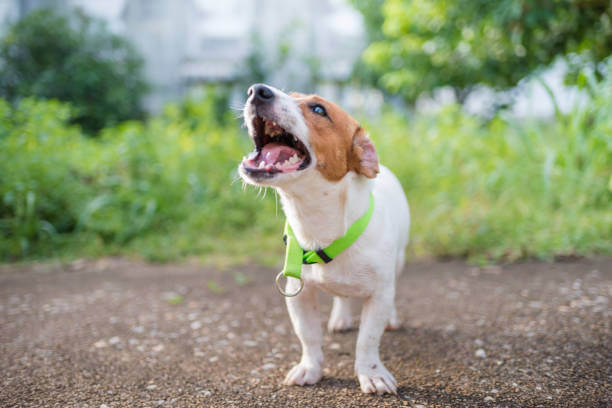
Starting simple ensures that both you and your dog enjoy the process. Beginner-friendly training games combine obedience skills with mental stimulation, creating positive reinforcement loops.
Hide-and-Seek Games
- Basic Steps for Indoor Hide-and-Seek:
- Have your dog sit and stay while you hide a favorite toy or treat.
- Release your dog with a command like “Find it!”
- Praise and reward when your dog discovers the hidden item.
- Reward Techniques: Use high-value treats to maintain interest. Gradually increase difficulty by hiding items in less obvious spots.
Highlight: Hide-and-seek strengthens obedience, focus, and problem-solving skills.
Fetch with a Twist
- Combining Physical Activity with Focus Exercises: Teach your dog to retrieve specific toys by name, enhancing mental stimulation alongside exercise.
- Interactive Play Tips: Mix up retrieval games by hiding toys behind obstacles or using multiple objects to increase challenge.
Tip: Limit sessions to 10–15 minutes to avoid overstimulation for beginners.
Puzzle-Based Treat Games
- Choosing the Right Puzzle Toy: Start with simple treat-dispensing toys that encourage your dog to figure out a solution.
- Gradually Increasing Difficulty: Introduce more complex puzzles, multi-step challenges, or timed games to keep your dog engaged.
Highlight: Puzzle-based treat games reinforce problem-solving and patience while keeping training enjoyable.
Learn more about mental stimulation for dogs here.
Quick Tips for Successful Training Games
- Keep sessions short and consistent to prevent fatigue.
- Use high-value rewards to maintain motivation.
- End each session on a positive note to encourage enthusiasm for future games.
- Observe your dog’s responses and adjust difficulty as needed.
Highlight: Consistency + positive reinforcement = successful training games.
Training games are more than just fun activities—they are a vital component of a dog’s overall well-being. By focusing on cognitive, emotional, and physical benefits, choosing the right games, and starting with beginner-friendly exercises, you can boost your dog’s intelligence, obedience, and engagement. Incorporating short, rewarding, and progressively challenging sessions ensures your dog remains mentally stimulated and happy. Remember, the goal is to make learning a positive, stress-free experience that strengthens your bond. For more ideas and step-by-step mental stimulation exercises, check out Mental Stimulation for Dogs at Home.
Advanced Training Games to Challenge Your Dog
Once your dog has mastered beginner exercises, it’s time to introduce more advanced training games. These activities challenge problem-solving skills, improve focus, and keep mental stimulation high. Advanced games also prevent boredom, which can lead to behavioral issues.
Complex Puzzle Games
- Layered Treat Challenges:
Use multi-step puzzle toys where your dog must figure out several steps to reach a treat. Start with two layers and increase complexity gradually. - Multi-Step Tasks:
Combine several actions, like “sit,” “paw,” and “wait,” before allowing your dog to access the reward.
Tip: Always supervise initially to prevent frustration. Many professionals recommend slowly increasing difficulty to maintain engagement.
Scent-Based Training Games
- Hide Scents Around the Home:
Hide treats with a strong aroma in safe spots for your dog to find. Start with easy-to-find locations and progressively make them more challenging. - Encourage Nose Work for Mental Engagement:
Incorporate commands such as “find it” or “search” to teach your dog how to focus on scent cues.
Highlight: Nose games not only stimulate the mind but also tap into your dog’s natural instincts.
Command and Recall Games
- Reward-Based Training for Advanced Obedience Skills:
Practice multiple commands in sequence, like “sit, stay, come, paw,” to reinforce obedience. - Combining Multiple Commands:
Gradually reduce treats as rewards, using praise to reinforce success. This teaches reliability under real-world conditions.
Using Training Games to Solve Common Behavior Issues

Training games aren’t just fun—they can also help correct undesirable behaviors, improve focus, and reduce anxiety. Regular mental exercise keeps your dog’s brain active and prevents boredom-related problems.
Separation Anxiety Relief
- Interactive Play Before Leaving:
Spend 10–15 minutes engaging in a mentally stimulating game before leaving the house. This helps reduce stress during alone time. - Puzzle Toys to Reduce Stress:
Leave a treat-dispensing toy or snuffle mat to keep your dog busy and distracted from your absence.
Tip: Always rotate toys to maintain novelty and interest.
Reducing Destructive Behaviors
- Reward-Based Training Strategies:
Use positive reinforcement when your dog exhibits calm behavior or follows commands instead of chewing or digging. - Mental Stimulation Alternatives:
Introduce puzzle toys, scent games, and obedience challenges to keep your dog occupied and mentally satisfied.
Highlight: Combining training games with consistent reinforcement reduces unwanted behaviors effectively.
Improving Focus and Attention
- Short Training Sessions:
Conduct multiple 5–10 minute sessions throughout the day to maintain attention without overwhelming your dog. - Focus Exercises with Rewards:
Use clicker training or treat-based exercises to reward prolonged attention and compliance.
Tracking Progress and Maintaining Motivation
Consistent practice and progress tracking ensure that training games remain effective and rewarding for your dog. Adjusting difficulty and rewards helps maintain motivation and engagement.
Keeping a Training Journal
- Tracking Achievements:
Record daily accomplishments, noting which games your dog excelled at and areas needing improvement. - Noting Behavioral Changes:
Track improvements in obedience, focus, and emotional state to identify patterns and adjust training accordingly.
Tip: Journaling helps you plan increasingly challenging sessions and recognize subtle improvements.
Positive Reinforcement Techniques
- Reward-Based Training:
Use high-value treats, verbal praise, and petting to reinforce desired behavior. - Encouraging Consistent Engagement:
Celebrate small victories to keep both you and your dog motivated.
Highlight: A motivated dog is more likely to participate willingly in training games, making learning enjoyable.
Adjusting Game Difficulty
- Introduce new variations of games once your dog masters current challenges.
- Gradually reduce treats while increasing mental demands to build lasting obedience skills.
- Rotate games regularly to prevent boredom and maintain curiosity.
Quick Tips for Advanced Training Games
- Break complex games into small steps before combining them.
- Always end sessions on a positive note to encourage enthusiasm.
- Observe body language to prevent stress or frustration.
- Incorporate a mix of scent, puzzle, and obedience games for a balanced mental workout.
Highlight: Variety keeps dogs challenged, happy, and mentally sharp.
Advanced training games elevate your dog’s mental engagement while addressing common behavior issues. Complex puzzles, scent-based games, and combined command exercises offer cognitive, emotional, and physical benefits. Tracking progress, maintaining motivation, and adjusting difficulty ensure your dog stays challenged and rewarded. With consistent practice, these games enhance obedience, focus, and overall well-being.
Creative DIY Training Games at Home
You don’t always need expensive toys or specialized equipment to engage your dog’s mind. Many household items can be transformed into effective training games. DIY activities allow for creativity while providing mental stimulation and enhancing obedience skills.
Homemade Puzzle Games
- Using Cups and Treats:
Place a treat under one of three cups, shuffle them, and encourage your dog to find the correct cup. Increase difficulty by adding more cups or using opaque containers. - DIY Obstacle Courses:
Use cushions, boxes, or chairs to create a mini agility course. Incorporate commands like “sit,” “stay,” or “jump” at each station.
Highlight: DIY puzzles are cost-effective and adaptable to your dog’s skill level.
Interactive Play with Family Members
- Turn Walks into Training Games:
Practice commands like “heel,” “sit,” or “wait” at specific landmarks during walks. Add recall challenges to reinforce obedience. - Group Games for Multiple Dogs:
Encourage turn-taking, sharing, and cooperative problem-solving with simple treat games or fetch challenges.
Tip: Rotate DIY games regularly to keep your dog mentally stimulated and prevent boredom.
Daily Training Games Checklist for Maximum Engagement

Consistency is key. A structured daily routine ensures your dog remains mentally sharp, emotionally balanced, and engaged. The following checklist combines focus exercises, puzzle challenges, and interactive play.
Sample Daily Schedule
- Morning Focus Exercises:
- Short 5–10 minute sessions using obedience commands.
- Include sit, stay, paw, or recall games.
- Midday Puzzle Toy Play:
- Treat-dispensing toys or snuffle mats.
- Gradually increase difficulty to maintain interest.
- Evening Interactive Play:
- Hide-and-seek, fetch variations, or DIY obstacle courses.
- Include family members to encourage social interaction.
Highlight: Keeping sessions short and varied prevents boredom while maintaining consistent engagement.
Monitoring Progress and Adjusting Difficulty
- Track achievements daily to identify strengths and areas needing improvement.
- Introduce new challenges weekly to stimulate problem-solving and focus.
- Reward consistently but gradually reduce treats to build lasting obedience skills.
Tip: Observe body language for signs of stress or fatigue and adjust activities accordingly.
FAQ
How long should each training game session last?
- Beginners: 5–10 minutes per session, 2–3 times per day.
- Advanced: 10–15 minutes per session, with short breaks.
Can older dogs benefit from training games?
- Absolutely. Mental stimulation improves cognitive function, reduces anxiety, and strengthens bonds regardless of age.
What if my dog loses interest quickly?
- Rotate games, introduce new challenges, and use high-value rewards to maintain motivation.
Are training games a replacement for walks and exercise?
- No. Mental stimulation complements physical activity, ensuring a balanced routine for overall health.
Quick Tips for Daily Training Success
- Keep a consistent schedule to build habits.
- End each session on a positive note to encourage enthusiasm.
- Observe your dog for signs of stress or boredom.
- Use a variety of games: puzzle, scent, obedience, and DIY challenges.
- Celebrate progress to strengthen the bond and motivation.
Highlight: Variety + consistency = mentally sharp and happy dogs.
Daily training games are essential for your dog’s mental and emotional well-being. From DIY puzzles to interactive play with family, these activities strengthen obedience, improve focus, and provide mental stimulation. Advanced exercises prevent boredom, reduce destructive behavior, and foster problem-solving skills. Tracking progress and maintaining a structured routine ensures your dog remains motivated and engaged. By combining short, frequent sessions with rewards and challenges, you create a fun, stress-free learning environment.
Conclusion
Training games are more than just fun activities—they are an essential part of keeping your dog mentally sharp, emotionally balanced, and behaviorally well-adjusted. From beginner exercises like hide-and-seek and simple puzzle toys to advanced scent-based challenges and DIY obstacle courses, each game provides valuable mental stimulation, encourages obedience skills, and strengthens the bond between you and your dog. Consistency, variety, and positive reinforcement ensure that your dog remains engaged, motivated, and confident. By observing progress, adjusting difficulty, and maintaining a structured routine, you can create a stress-free and enjoyable learning environment that supports your dog’s overall well-being and happiness.
Highlight: Regular training games promote smarter, calmer, and more confident dogs who thrive both mentally and emotionally.
Take Action Today
Start small and make training games a fun part of your daily routine. Pick one simple activity, like a puzzle toy or a short hide-and-seek session, and watch your dog’s curiosity and excitement grow. Celebrate every success with praise or treats, and gradually introduce new challenges to keep their mind sharp. The sooner you begin, the faster your dog will benefit from improved focus, better behavior, and increased confidence. Remember, a little time invested each day leads to a happier, smarter, and more engaged companion.
Highlight: Even just 10–15 minutes of training games daily can make a noticeable difference in your dog’s mental and emotional well-being.
