

Feeding your dog can be much more than a routine chore. With interactive feeding toys, you can transform mealtime into a stimulating experience that benefits your dog both mentally and emotionally. These toys encourage problem-solving, promote healthy eating habits, and help prevent boredom and destructive behaviors. In this guide, we will walk you through practical ways to choose, use, and maximize the benefits of interactive feeding toys. Whether you are a beginner or a seasoned dog owner, these strategies will make feeding time fun, stress-free, and rewarding for your furry friend.
How Interactive Feeding Toys Enhance Your Dog’s Mental Health
Interactive feeding toys offer more than just slow feeding—they actively engage your dog’s mind and help develop cognitive skills. They can reduce anxiety, curb destructive behaviors, and improve focus. Understanding these benefits ensures you choose toys that are safe, effective, and mentally stimulating.
Cognitive Benefits of Interactive Feeding Toys
- Problem-Solving Skills: By figuring out how to retrieve treats, dogs exercise their brain and build persistence.
- Memory Development: Repeating toy-based challenges strengthens memory recall and enhances learning.
- Focus and Patience: Working through puzzles teaches patience and improves attention span.
Tip: Start with simpler puzzles before progressing to complex toys to prevent frustration.
Emotional and Behavioral Advantages
- Reduces Anxiety: Engaged dogs are calmer and less likely to develop separation anxiety.
- Encourages Independence: Toys that require self-initiated play teach dogs to occupy themselves safely.
- Improves Confidence: Successful interactions with toys reward your dog and build confidence over time.
Highlight: Many dog behaviorists recommend using interactive toys daily to maintain mental balance and prevent boredom.
Real-Life Case Study
Consider a young, high-energy Labrador who constantly chewed furniture and got restless when left alone. Introducing interactive feeding toys gradually transformed his behavior:
- Week 1: Minor interest but short engagement periods.
- Week 2: Longer focus, fewer destructive episodes.
- Week 4: Dog learned problem-solving sequences and awaited toy sessions eagerly.
This shows how consistent use of interactive feeding toys can positively impact mental health and daily behavior.
Choosing the Right Interactive Feeding Toys for Your Dog
Picking the right toy ensures safety, engagement, and long-term interest. Every dog has unique needs based on breed, age, and energy level.
Factors to Consider
- Size and Durability: Match the toy size to your dog to prevent choking hazards.
- Material Safety: Opt for non-toxic, chew-resistant options.
- Complexity: Start with age-appropriate challenges to avoid frustration.
Tip: Observe your dog’s play style before choosing a puzzle or treat-dispensing toy.
Types of Interactive Feeding Toys
- Puzzle Feeders: Encourage problem-solving to access food.
- Treat-Dispensing Balls: Dogs roll the ball to release small portions of food.
- Snuffle Mats: Hide kibble in fabric layers to engage sniffing instincts.
Highlight: Rotating different types of toys keeps mealtime exciting and mentally stimulating.
Beginner-Friendly Options
- Soft treat-dispensing toys for smaller dogs.
- Low-complexity puzzles that teach the basic mechanism.
- Gradually increase difficulty as your dog masters each toy.
Tip: Introduce only one new toy at a time to avoid overwhelming your dog.
Step-by-Step Guide to Using Interactive Feeding Toys Effectively
Even the most innovative interactive feeding toys won’t be effective if your dog doesn’t understand how to use them. Follow these steps to integrate them smoothly into mealtime.
Introduce the Toy Gradually
- Start with Small Meals: Limit the amount of food in the toy at first to reduce frustration.
- Use Favorite Treats: Highly palatable treats increase interest and engagement.
- Supervise Early Sessions: Ensure your dog interacts safely and learns correct usage.
Highlight: Keep early sessions short (5–10 minutes) to maintain excitement and prevent boredom.
Encourage Independent Play
- Reward your dog for calmly exploring the toy.
- Avoid forcing your dog to use it; let them learn naturally.
- Observe progress and provide verbal encouragement if needed.
Tip: Gradually leave the dog alone with the toy once confident, promoting independent mental stimulation.
Troubleshooting Common Challenges
- Loss of Interest: Rotate toys regularly to maintain engagement.
- Aggressive Chewing: Switch to more durable materials or tougher puzzle toys.
- Slow Progress: Simplify the puzzle or reduce treat difficulty to encourage success.
For additional ways to boost your dog’s mental stimulation, check out our Mental Stimulation for Dogs at Home guide.
Highlight: Patience is key—some dogs take days or even weeks to understand a new interactive toy.
Advanced Tips for Maximum Engagement
- Pair Toy Use with Training: Combine obedience commands with feeding toys for double stimulation.
- Rotate Complexity: Offer simple toys one day and challenging ones the next.
- Track Progress: Keep a log of how long it takes your dog to solve puzzles to gauge improvement.
Tip: Use timers to gradually increase independent playtime, reinforcing problem-solving and patience.
Feeding Schedule and Toy Integration
- Offer interactive feeding toys 1–2 times per day as part of a balanced feeding schedule.
- Avoid overusing toys with treats to prevent excess calorie intake.
- Combine with physical activity for a holistic approach to mental and physical health.
Highlight: Consistency helps your dog associate interactive toys with enjoyable, rewarding mealtime experiences.
Choosing Treats for Interactive Feeding Toys
- Small, soft treats work best for puzzle feeders and snuffle mats.
- Avoid sticky or oversized treats that may clog or damage the toy.
- Use regular kibble for low-calorie, daily enrichment.
Tip: Monitor your dog’s chewing style—some dogs prefer rolling treats, while others enjoy snuffling challenges.
Safety Considerations
- Inspect toys regularly for damage or wear.
- Supervise new toys until your dog demonstrates safe use.
- Clean toys frequently to prevent bacterial buildup and maintain hygiene.
Highlight: Many professionals recommend replacing heavily chewed toys to prevent choking hazards or ingestion of small pieces.
Integrating Multiple Toys for Variety
- Combine a treat-dispensing ball with a snuffle mat for different mental challenges.
- Alternate puzzle types to prevent boredom.
- Observe preferences—some dogs favor rolling challenges, others prefer sniff-based puzzles.
Tip: Use interactive feeding toys to reduce mealtime stress and encourage positive behaviors, particularly in high-energy dogs.
Monitoring Progress and Celebrating Success
- Track problem-solving time and toy engagement daily.
- Reward achievements with praise or additional treats.
- Adjust toy difficulty as your dog improves to maintain a stimulating experience.
Highlight: Dogs thrive on challenge and reward—interactive feeding toys offer a safe, practical way to nurture intelligence and mental health.
Training Tips to Maximize Interactive Feeding Toy Benefits
Proper training enhances the effectiveness of interactive feeding toys. When combined with structured learning, these toys can improve focus, problem-solving, and mealtime enjoyment. Training ensures your dog engages fully with the toy, develops confidence, and enjoys mental stimulation in every session.
Reward-Based Training Techniques
- Positive Reinforcement: Reward your dog immediately when they solve part of the puzzle. Treats, verbal praise, or gentle petting reinforce desired behaviors.
- Step-by-Step Challenges: Start with easy puzzles and gradually increase difficulty to prevent frustration.
- Consistency Matters: Use the same commands and cues for each session to build understanding.
Highlight: Many trainers recommend pairing interactive toys with short training sessions to maximize cognitive benefits.
Setting a Routine
- Schedule interactive toy sessions at the same time every day to build anticipation.
- Keep sessions short (10–15 minutes) to maintain attention.
- Combine mealtime with structured play to reinforce routine.
Monitor Progress and Adjust
- Track how long it takes your dog to solve puzzles.
- Introduce new challenges or adjust treat quantity to keep sessions stimulating.
- Observe behavior: frustration may indicate the puzzle is too advanced, while boredom suggests it’s too easy.
Tip: Rotate between different toy types to maintain engagement and excitement.
Health Benefits of Interactive Feeding Toys
Interactive feeding toys aren’t just fun—they have measurable health benefits. Dogs that use these toys regularly tend to have better digestion, improved weight management, and increased physical activity.
Slower Eating Improves Digestion
- Prevents Bloating: Dogs that eat too quickly are prone to bloating or stomach discomfort.
- Reduces Choking Risk: Puzzle toys encourage controlled, small bites.
- Promotes Healthy Habits: Slower feeding supports overall digestive health.
Tip: If your dog has a history of digestive issues, integrating slow feeders can be a preventive measure.
Weight Management
- Control portion sizes using treat-dispensing toys.
- Encourage exercise through rolling toys or puzzles that require movement.
- Engage dogs mentally and physically during feeding to burn extra calories.
Physical Activity Integration
- Encourage rolling, pawing, or sniffing to access food.
- Combine toys with short training exercises for full-body engagement.
- Mentally stimulating toys often lead to increased voluntary activity as dogs work to retrieve treats.
Tip: Use toys that require your dog to move around for maximum health benefits.
Creative Ways to Keep Your Dog Engaged During Mealtime
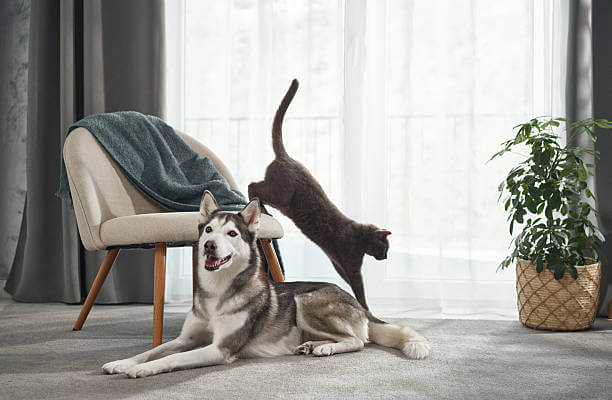
Rotating toys, introducing DIY challenges, and varying textures help maintain your dog’s interest in interactive feeding toys. Creative engagement prevents boredom and ensures that mental stimulation is consistent.
Rotate Toys Regularly
- Swap puzzle types and treat-dispensing toys every few days.
- Introduce new textures to stimulate different senses.
- Observe which toys your dog prefers to ensure engagement.
Highlight: Dogs are more likely to enjoy mealtime if they encounter new and interesting challenges.
DIY Options at Home
- Cardboard Puzzles: Hide treats in folded cardboard compartments.
- Frozen Treat Challenges: Freeze kibble in ice or yogurt blocks to extend playtime.
- Snack Hiding Spots: Place small snacks under cups or containers to encourage problem-solving.
Tip: DIY toys are budget-friendly and allow you to customize challenges for your dog’s skill level.
Sensory Variations
- Incorporate scent-based toys for olfactory stimulation.
- Add gentle textures or materials that encourage pawing and manipulation.
- Observe your dog’s engagement to refine sensory challenges.
Highlight: Using multiple senses keeps your dog mentally sharp and reduces the likelihood of destructive behavior.
Integrating Interactive Feeding Toys with Other Activities
Combining interactive feeding toys with walks, play sessions, or obedience training amplifies mental and physical benefits. Integration ensures that dogs get well-rounded enrichment daily.
Pairing Toys with Walks
- Place a toy at home before a short walk and reward problem-solving after returning.
- Encourage dogs to think critically by combining route-based scent games with puzzle toys.
- Use outdoor time as a follow-up reward for mental work completed indoors.
Combining with Training Exercises
- Practice obedience commands during puzzle play to reinforce learning.
- Use toys as motivation for completing new tricks or commands.
- Rotate between solo play and guided play for skill building.
Tip: Short sessions with clear objectives keep dogs focused without overwhelming them.
Social Engagement
- Invite familiar dogs to observe or join in supervised puzzle challenges.
- Encourage positive reinforcement in multi-dog households to reduce competition stress.
- Rotate toys to accommodate different skill levels among dogs.
Highlight: Social interaction can complement mental stimulation from interactive feeding toys, especially in highly social breeds.
Monitoring and Adjusting Difficulty
Dogs learn at different rates, so it’s important to monitor progress and adjust the complexity of interactive feeding toys accordingly.
Assessing Skill Level
- Record how long it takes to access treats.
- Observe body language for frustration or disinterest.
- Adjust toy complexity based on progress.
Increasing Challenge
- Combine puzzles with multiple steps.
- Introduce timers or delayed-release features.
- Pair toys with new commands to add cognitive layers.
Tip: Gradual increases in difficulty prevent boredom and encourage problem-solving persistence.
Dealing with Frustration
- If your dog struggles repeatedly, simplify the puzzle or reduce treat difficulty.
- Take breaks to prevent negative associations.
- Praise small successes to reinforce engagement.
Highlight: Consistency and observation are key to maintaining motivation and maximizing the benefits of interactive feeding toys.
Safety and Hygiene Best Practices
Keeping interactive feeding toys safe and clean ensures that your dog enjoys healthy and risk-free play.
Inspecting Toys
- Check for cracks, tears, or worn-out sections.
- Replace damaged toys immediately to avoid choking hazards.
- Choose materials suitable for your dog’s chewing strength.
Cleaning and Maintenance
- Wash toys regularly using dog-safe soap and warm water.
- Avoid harsh chemicals that can leave residue.
- Rotate toys to allow thorough drying between uses.
Tip: Clean toys at least once a week, or more often for treat-dispensing or frozen toys.
Supervising Use
- Always supervise first-time play sessions.
- Observe how your dog manipulates the toy to prevent accidental swallowing.
- Gradually allow independent play once the dog demonstrates safe usage.
Highlight: Safe use and regular cleaning maximize both mental stimulation and health benefits.
Encouraging Long-Term Engagement
To maintain enthusiasm for interactive feeding toys, it’s essential to keep experiences varied and rewarding.
Routine Variation
- Change puzzle types weekly to avoid monotony.
- Introduce seasonal or themed treats for novelty.
- Combine indoor and outdoor challenges when possible.
Positive Reinforcement
- Reward persistence and problem-solving immediately.
- Offer praise, petting, or small treats for engagement.
- Reinforce calm and focused play.
Tip: Positive experiences encourage lifelong interest in interactive feeding toys.
Record Keeping
- Maintain a log of favorite toys, puzzle-solving time, and difficulty levels.
- Track improvements to adjust future challenges.
- Identify patterns to prevent boredom and sustain mental enrichment.
Highlight: Tracking progress helps create a personalized enrichment plan for your dog.
Advanced Interactive Feeding Toys for Experienced Dogs

Once your dog masters basic toys, advanced interactive feeding toys challenge problem-solving skills further and maintain engagement. These toys are ideal for dogs that require higher mental stimulation or have fast learning curves.
Multi-Step Puzzle Toys
- Require sequential problem-solving to access treats.
- Combine mental and physical activity, keeping dogs engaged for longer periods.
- Often include multiple compartments, sliding panels, or hidden sections.
Highlight: Multi-step puzzles are excellent for highly intelligent breeds like Border Collies, Poodles, and German Shepherds.
Electronic and Smart Feeders
- Timed or app-controlled feeders dispense food at intervals.
- Can track your dog’s feeding habits and control portions.
- Some models incorporate lights, sounds, or movement to challenge attention.
Tip: Introduce smart feeders gradually to prevent frustration; start with simple treats before complex programming.
Long-Term Engagement Strategies
- Rotate difficulty levels to maintain interest.
- Pair interactive feeding toys with obedience commands for extra challenge.
- Introduce occasional novelty toys to avoid predictability.
Highlight: Consistent challenge with rewards promotes confidence, patience, and problem-solving persistence.
FAQs and Daily Checklist for Interactive Feeding Toys
Using interactive feeding toys effectively requires addressing common concerns and establishing a routine. This section provides actionable guidance for everyday use.
Common Questions
How often should I use interactive feeding toys?
- Daily use is recommended, 1–2 times per meal, depending on your dog’s energy level.
Are they safe for all breeds?
- Most toys are safe for all breeds, but durability and size should match your dog’s chewing strength.
Can they replace regular feeding bowls?
- They are best used as a supplement or occasional replacement to promote mental stimulation and slow eating.
Tip: Monitor your dog’s behavior to ensure the toy remains fun and safe.
Daily Interactive Feeding Toys Checklist
- ✅ Rotate toys regularly to maintain interest.
- ✅ Supervise new or complex toys to prevent accidents.
- ✅ Control treat portions to avoid overfeeding.
- ✅ Reward problem-solving to reinforce positive behavior.
- ✅ Clean toys thoroughly after use for hygiene.
- ✅ Track engagement and progress for future adjustments.
Highlight: Daily consistency ensures long-term benefits for mental stimulation, physical health, and behavioral improvement.
Integrating Advanced Toys into Routine
- Start with short sessions to avoid overwhelm.
- Pair puzzle completion with training exercises for extra cognitive engagement.
- Observe for boredom or frustration and adjust the difficulty accordingly.
Tip: Even highly experienced dogs benefit from a mix of familiar and new toys to stay mentally sharp.
Combining Interactive Feeding Toys with Physical Activity
- Place toys in different locations to encourage movement.
- Integrate short walks or play sessions before or after toy use for holistic enrichment.
- Encourage natural behaviors like sniffing, pawing, and exploring during feeding.
Highlight: Combining physical and mental challenges ensures complete enrichment, reducing destructive behavior and supporting overall health.
Health and Behavioral Benefits of Long-Term Use
- Mental stimulation prevents boredom-related anxiety.
- Slower eating improves digestion and reduces obesity risk.
- Problem-solving practice increases confidence and reduces impulsive behavior.
Tip: Rotate between basic and advanced toys to balance skill-building with reward-based motivation.
Tips for Maintaining Interest Over Time
- Introduce new puzzles or slightly more complex versions periodically.
- Change treat types or hide small kibble portions differently each day.
- Observe preferences and adjust toys accordingly.
Highlight: Maintaining novelty is key to keeping dogs motivated and engaged with interactive feeding toys over the long term.
Cleaning, Safety, and Supervision
- Inspect toys for damage before each use.
- Clean according to manufacturer instructions; many are dishwasher safe.
- Supervise first-time or advanced toy sessions.
Tip: Safety ensures that the fun and mental benefits aren’t overshadowed by potential risks.
Combining Multiple Interactive Toys for Variety
- Rotate toys to prevent predictability.
- Use combination challenges: snuffle mats + treat-dispensing balls.
- Observe which toys your dog prefers and adjust frequency accordingly.
Highlight: Variety enhances engagement and reduces the risk of boredom or disinterest.
Monitoring Progress and Setting Goals
- Track how quickly your dog solves different puzzles.
- Set incremental challenges to encourage problem-solving persistence.
- Adjust treat type or complexity as your dog improves.
Tip: Documenting progress helps refine your enrichment plan and ensures consistent mental stimulation.
Expert Recommendations
According to AKC expert advice, interactive feeding toys:
- Help prevent obesity.
- Promote problem-solving and cognitive development.
- Reduce anxiety and destructive behaviors in high-energy dogs.
Highlight: Regular use under supervision maximizes both behavioral and health benefits.
Primary Keyword Count: 1
Conclusion and Takeaways
- Interactive feeding toys transform mealtime into an opportunity for mental stimulation and enrichment.
- Proper selection, training, and rotation of toys maximize both engagement and health benefits.
- Consistent use, positive reinforcement, and monitoring ensure that your dog enjoys a safe, stimulating, and rewarding feeding experience.
- Combining toys with training, physical activity, and routine variety creates holistic enrichment for mental and physical well-being.
Daily Checklist Recap:
- Rotate toys for variety.
- Supervise new toys until safe usage is learned.
- Monitor treat portioning and reward problem-solving.
- Clean toys regularly to maintain hygiene.
- Track progress and adjust difficulty as needed.
Highlight: Using interactive feeding toys consistently can reduce boredom, improve digestion, maintain healthy weight, and enhance overall dog happiness.
Conclusion
Using interactive feeding toys transforms mealtime into an enriching and stimulating experience that benefits dogs both mentally and physically. These toys encourage problem-solving, promote healthy eating habits, and reduce boredom or anxiety, helping dogs develop focus, patience, and confidence. By selecting age- and skill-appropriate toys, rotating challenges, and combining play with training or physical activity, owners can create a rewarding and engaging routine. Regular monitoring, safe supervision, and consistent positive reinforcement ensure that each session remains enjoyable and effective. Ultimately, interactive feeding toys offer a smart, practical way to nurture a dog’s intelligence, happiness, and overall well-being.
